Households and ordinary people
Grandmothers, parents and neighbours doing the small things: the knot, the salt, the red thread.
Households and ordinary people do most of the world's magic: the grandmother who ties a thread on a baby's wrist, the neighbour who throws salt, the shopkeeper who hangs a lemon and chillies, the family that burns incense before a photograph. These people are not specialists and often do not call it magic. This page looks at the domestic side of the subject, which is the commonest and least written about.
Everyday customs
Household practice is woven into daily life: sweeping at new year, a bead on a cradle, a horseshoe over a door, a charm in a car. It tends to be practical, brief and handed down within the family. Many people say they do it because their mother did, or to be safe. It rarely needs a priest, a text or a fee. The hands that do it are those of mothers and grandmothers, who also cook, clean and care, so the magic is part of the labour of the home.
Women and the home
Women are the principal keepers of household custom in many societies, as mothers, grandmothers and aunts. Their knowledge covers birth, child care, food, illness, marriage and death. That knowledge is often undervalued by the formal religion and by scholars, and was also the source of accusations in the witch trials, in which women who were midwives or healers were prominent. A household custom is learned by watching and may never be explained, since the practitioner does not see it as special.
Faith and the home
Religious leaders have seen household custom as faith, as superstition or as a nuisance. Reformers in Protestant Europe, Salafi Islam and some Hindu and Buddhist movements have told people to give up such practices. Many people keep them regardless. In the diaspora, the home customs are sometimes the part of heritage that lasts longest, and are carried to new countries in suitcases. In cities, small shrines, protective charms and everyday rituals often survive in apartments, taxis and shops.
Why scholars care
Anthropologists of everyday religion and folklorists record these customs as evidence of how people manage risk. They show how belief and practice differ, since people may say they do not believe and still knock on wood. Household magic is also the easiest to commercialise, in shops selling charms and kits that detach customs from their homes. A new student or visitor may find that families who say they do not believe still follow such customs carefully, and this gap is one of the more interesting findings.
Households and ordinary people on EveryJaadu
The entries written up so far, best known first.
 🇪🇬 Egypt and 3 moreAmulet
A portable object worn or carried to ward off harm and invite fortuneCharm · Protection · Luck and prosperity Living
🇪🇬 Egypt and 3 moreAmulet
A portable object worn or carried to ward off harm and invite fortuneCharm · Protection · Luck and prosperity Living
 🇹🇷 Turkey and 5 moreEvil eye
A curse caused by an envious look and the charms used to block itBelief · Protection · Cursing and harm Living
🇹🇷 Turkey and 5 moreEvil eye
A curse caused by an envious look and the charms used to block itBelief · Protection · Cursing and harm Living
 🇮🇷 Iran and 4 moreJinnجِنّ
Supernatural beings in Islamic and pre-Islamic Arabian belief, capable of shapeshifting and living in society.Being · Protection · Cursing and harm Living
🇮🇷 Iran and 4 moreJinnجِنّ
Supernatural beings in Islamic and pre-Islamic Arabian belief, capable of shapeshifting and living in society.Being · Protection · Cursing and harm Living
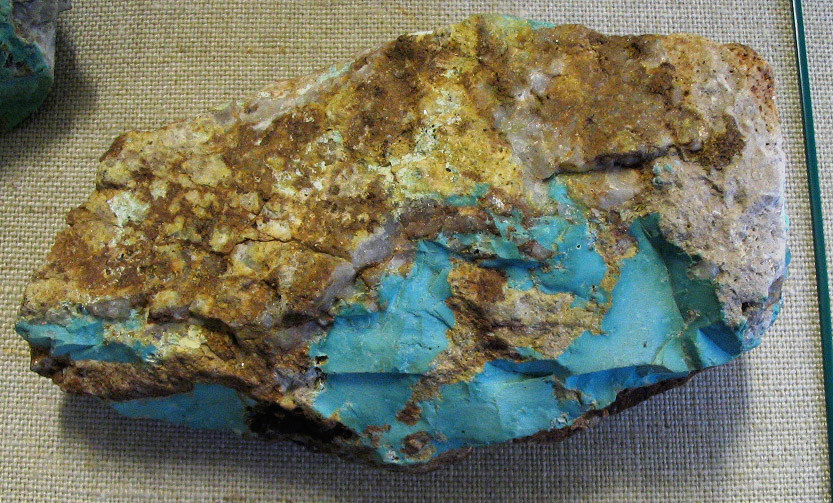 🇮🇷 Iran and 5 moreTurquoise
An opaque blue-green gemstone prized for its color since ancient timesSubstance · Protection · Luck and prosperity Living
🇮🇷 Iran and 5 moreTurquoise
An opaque blue-green gemstone prized for its color since ancient timesSubstance · Protection · Luck and prosperity Living
 🇮🇱 IsraelRed stringחוט השני
A scarlet wool bracelet worn to ward off the evil eye and bring good luckCharm · Protection · Luck and prosperity Living
🇮🇱 IsraelRed stringחוט השני
A scarlet wool bracelet worn to ward off the evil eye and bring good luckCharm · Protection · Luck and prosperity Living
 🇮🇱 Israel and 5 moreTefillinתְּפִלִּין
Black leather boxes containing Torah scrolls, worn by Jewish men during weekday prayers.Charm · Speaking with spirits and the dead · Protection Living
🇮🇱 Israel and 5 moreTefillinתְּפִלִּין
Black leather boxes containing Torah scrolls, worn by Jewish men during weekday prayers.Charm · Speaking with spirits and the dead · Protection Living
 🇮🇶 Iraq and 1 moreLamassu𒀭𒆗 (dlamma)
A Mesopotamian guardian spirit, a winged bull with a human head, set to watch the gatesBeing · Protection · Power and authority Historical
🇮🇶 Iraq and 1 moreLamassu𒀭𒆗 (dlamma)
A Mesopotamian guardian spirit, a winged bull with a human head, set to watch the gatesBeing · Protection · Power and authority Historical
 🇬🇷 Greece and 1 moreCapnomancy
Divination by reading the shapes and movements of smoke from fires or incenseOracle · Seeing and foretelling · Protection Historical
🇬🇷 Greece and 1 moreCapnomancy
Divination by reading the shapes and movements of smoke from fires or incenseOracle · Seeing and foretelling · Protection Historical
 🇲🇦 Morocco and 5 moreWild rueاسپند
A desert plant whose seeds hold psychoactive alkaloids and serve as incense in the Middle East.Substance · Protection · Speaking with spirits and the dead Living
🇲🇦 Morocco and 5 moreWild rueاسپند
A desert plant whose seeds hold psychoactive alkaloids and serve as incense in the Middle East.Substance · Protection · Speaking with spirits and the dead Living
 🇮🇶 Iraq and 1 morePazuzu𒀭𒅆𒊒𒍪𒍪 (pà.zu.zu)
A Mesopotamian wind demon and protective amulet against child-harming spiritsBeing · Protection · Cursing and harm Historical
🇮🇶 IraqKispu
An ancient Mesopotamian ritual to feed and honour the dead ancestorsRite · Speaking with spirits and the dead · Protection Historical
🇮🇶 Iraq and 1 morePazuzu𒀭𒅆𒊒𒍪𒍪 (pà.zu.zu)
A Mesopotamian wind demon and protective amulet against child-harming spiritsBeing · Protection · Cursing and harm Historical
🇮🇶 IraqKispu
An ancient Mesopotamian ritual to feed and honour the dead ancestorsRite · Speaking with spirits and the dead · Protection Historical
 🇸🇩 Sudan and 5 moreIncense
Aromatic plant materials burned to release fragrant smoke for ritual, scent, or timekeeping.Substance · Protection · Speaking with spirits and the dead Living
🇸🇩 Sudan and 5 moreIncense
Aromatic plant materials burned to release fragrant smoke for ritual, scent, or timekeeping.Substance · Protection · Speaking with spirits and the dead Living
 🇮🇱 Israel and 2 moreMezuzahמְזוּזָה
A scroll of Torah verses placed in a case on Jewish doorpostsCharm · Protection · Speaking with spirits and the dead Living
🇮🇱 Israel and 2 moreMezuzahמְזוּזָה
A scroll of Torah verses placed in a case on Jewish doorpostsCharm · Protection · Speaking with spirits and the dead Living
 🇪🇬 Egypt and 5 moreTalisman
An object believed to channel specific forces for protection, healing, or influence.Charm · Protection · Healing Historical
🇪🇬 Egypt and 5 moreTalisman
An object believed to channel specific forces for protection, healing, or influence.Charm · Protection · Healing Historical
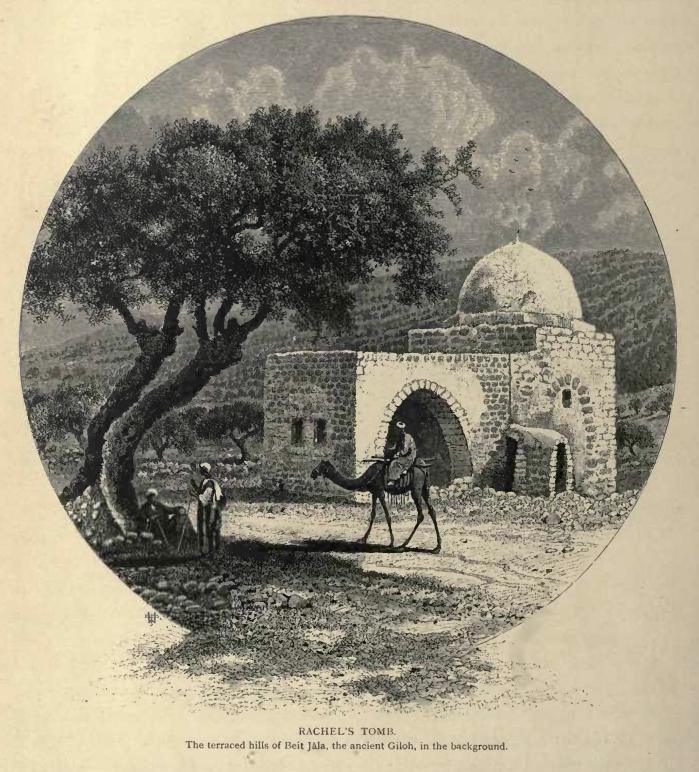 🇵🇸 Palestine and 1 moreRachel's TombQever Raḥel; Qabr Rāḥīl
A shared holy site near Bethlehem revered by Jews, Christians, and MuslimsTradition · Speaking with spirits and the dead · Protection Living
🇵🇸 Palestine and 1 moreRachel's TombQever Raḥel; Qabr Rāḥīl
A shared holy site near Bethlehem revered by Jews, Christians, and MuslimsTradition · Speaking with spirits and the dead · Protection Living
 🇪🇬 Egypt and 5 moreHamsaخمسة
A palm-shaped amulet used across North Africa and the Middle East for protection.Charm · Protection · Luck and prosperity Living
🇹🇷 TurkeyHamsa (sample)Khamsa
An open hand with an eye, hung on doors.Charm · Protection · Luck and prosperity Living
🇪🇬 Egypt and 5 moreHamsaخمسة
A palm-shaped amulet used across North Africa and the Middle East for protection.Charm · Protection · Luck and prosperity Living
🇹🇷 TurkeyHamsa (sample)Khamsa
An open hand with an eye, hung on doors.Charm · Protection · Luck and prosperity Living
 🇹🇷 Turkey and 1 moreTalismanic shirttılsımlı gömlek
A worn textile inscribed with sacred verses and symbols for protection in the Muslim worldCharm · Protection Historical
🇪🇬 Egypt and 5 moreAmulet
A portable object worn or carried to ward off harm and invite protection.Charm · Protection · Healing Living
🇮🇱 IsraelSegulaסגולה
A Jewish charm or ritual believed to bring protection, healing, or blessings.Charm · Protection · Healing Living
🇹🇷 Turkey and 1 moreTalismanic shirttılsımlı gömlek
A worn textile inscribed with sacred verses and symbols for protection in the Muslim worldCharm · Protection Historical
🇪🇬 Egypt and 5 moreAmulet
A portable object worn or carried to ward off harm and invite protection.Charm · Protection · Healing Living
🇮🇱 IsraelSegulaסגולה
A Jewish charm or ritual believed to bring protection, healing, or blessings.Charm · Protection · Healing Living
 🇪🇬 EgyptBarakahبركة
A spiritual blessing power in Islam and Arabic ChristianityBelief · Protection · Power and authority Living
🇪🇬 EgyptBarakahبركة
A spiritual blessing power in Islam and Arabic ChristianityBelief · Protection · Power and authority Living
 🇪🇬 Egypt and 1 moreAgathos Daimonἀγαθὸς δαίμων
A noble spirit and serpent deity of Greek and Egyptian traditionBeing · Protection · Luck and prosperity Historical
🇪🇬 Egypt and 1 moreAgathos Daimonἀγαθὸς δαίμων
A noble spirit and serpent deity of Greek and Egyptian traditionBeing · Protection · Luck and prosperity Historical
 🇮🇱 Israel and 4 moreChaiחי
A Hebrew word and symbol meaning 'alive', used as an amulet and in Jewish culture.Charm · Protection · Luck and prosperity Living
🇮🇱 Israel and 4 moreChaiחי
A Hebrew word and symbol meaning 'alive', used as an amulet and in Jewish culture.Charm · Protection · Luck and prosperity Living
 🇪🇬 Egypt and 5 moreWorship of heavenly bodies
Veneration of stars, planets, and the sky as divine forces or deitiesTradition · Protection · Power and authority Historical
🇪🇬 Egypt and 5 moreWorship of heavenly bodies
Veneration of stars, planets, and the sky as divine forces or deitiesTradition · Protection · Power and authority Historical
Photo credits on this page
The small pictures above come from Wikimedia Commons under free licences. Some are cropped to fit.
- Rabisu: editor Austen Henry Layard , drawing by L. Gruner, Public domain, source
- Amulet: Anonymous ( Egypt ) Unknown author, Public domain, source
- Incense: nakimusi, CC BY 2.0, source
- Jinn: VenusFeuerFalle, CC0, source
- Turquoise: Unknown author, Public domain, source
- Red string: Mx. Granger, CC0, source
- Tefillin: Brooklyn Museum, CC BY 3.0, source
- Talismanic shirt: Ibrahim Husain Meraj, CC BY-SA 4.0, source
- Lamassu: Daderot, CC0, source
- Capnomancy: Tigerzeng, CC BY-SA 4.0, source
- Wild rue: Yuriy75, CC BY-SA 3.0, source
- Agathos Daimon: Carole Raddato, CC BY-SA 2.0, source
- Mezuzah: Adrian Grycuk, CC BY-SA 3.0 pl, source
- Chai: BASWIM, CC BY 3.0, source
- Worship of heavenly bodies: Jean-Pierre Dalbéra, CC BY 2.0, source
- Talisman: Sasha India, CC BY 2.0, source
- Evil eye: FocalPoint, CC BY-SA 3.0, source
- Rachel's Tomb: Lane-Poole, Stanley, Public domain, source
- Barakah: عامر شاہین, CC BY-SA 3.0, source
- Hamsa: Kritzolina, CC BY-SA 4.0, source