Protection
Warding off the evil eye, spirits, illness and bad luck: amulets, wards and thresholds.
Protection is the most widespread aim of magic. People hang, wear, bury, burn and recite things to keep out the evil eye, harmful spirits, illness and bad luck. The blue nazar, the hamsa, the horseshoe, the red thread, the Japanese omamori and the Ethiopian protective scroll all serve it. This page covers what is guarded, who is thought to need guarding, and how different societies see the practice. It is a good place to start with the subject.
What is guarded
The most guarded are the vulnerable and the valued: newborns, brides, pregnant women, livestock, new houses and travellers. Doorways, windows and crossroads get special care, since they are where inside meets outside. Practices include hanging a lemon and chillies in India, a horseshoe in Britain and Ireland, an eye-bead in Turkey, a mezuzah on Jewish doorposts and a spirit house in Thailand. Beyond doors, people protect journeys, wells, boats and herds, and the guarded thing is usually whatever the family can least afford to lose.
Against what
The danger named varies. In the Middle East and Mediterranean it is the evil eye, a harm said to come from envy or praise. In sub-Saharan Africa it is often witchcraft or a rival's sorcery. In Europe it was witches, fairies and the devil, and in East Asia hungry ghosts and ill-fortune. Protective practice therefore tells a researcher what a community fears and who it suspects. Some marks are drawn in chalk, paint or henna and renewed each year, and others are made once and left to fade.
Faith and the objects
Religions deal with protective objects in different ways. Many Muslim scholars accept verses of the Quran recited for protection and disapprove of beads or knots believed to work by themselves. Catholic Christians use blessed medals, holy water and the sign of the cross. Sikhism rejects talismans, while Buddhist monks bless protective threads and tattoos in Thailand and Cambodia. Official teaching often differs from practice in the village, where one household may wear a charm quietly and say a prayer at the same time.
Scholars and the market
Psychologists suggest protective objects ease anxiety and give a sense of control. Sceptics note that no test has shown them to prevent harm. Commerce is large: charms are mass-produced, and some sellers charge heavily for items promised to ward off disaster. Anyone in real danger or illness should turn to practical help first. Believers usually say the protection is a matter of trust and care, and many say the object matters less than the intention and the community that stands behind it.
Protection on EveryJaadu
The entries written up so far, best known first.
 🇳🇬 Nigeria and 5 moreEleguaÈṣù-Ẹlẹ́gbára
A Yoruba deity of crossroads and messenger who opens all spiritual pathsBeing · Protection · Speaking with spirits and the dead Living
🇳🇬 Nigeria and 5 moreEleguaÈṣù-Ẹlẹ́gbára
A Yoruba deity of crossroads and messenger who opens all spiritual pathsBeing · Protection · Speaking with spirits and the dead Living
 🇸🇳 Senegal and 5 moreAncestor veneration
Rituals of respect and offerings for the dead across many culturesTradition · Protection · Speaking with spirits and the dead Living
🇸🇳 Senegal and 5 moreAncestor veneration
Rituals of respect and offerings for the dead across many culturesTradition · Protection · Speaking with spirits and the dead Living
 🇮🇳 India and 5 moreSnake worship
Veneration of serpents as divine or ancestral beings across global culturesTradition · Protection · Healing Living
🇮🇳 India and 5 moreSnake worship
Veneration of serpents as divine or ancestral beings across global culturesTradition · Protection · Healing Living
 🇳🇬 Nigeria and 1 moreObatalaỌbatalá
The Yoruba king of white cloth who is believed to have created humanity and presides over purity.Being · Protection · Healing Living
🇳🇬 Nigeria and 1 moreObatalaỌbatalá
The Yoruba king of white cloth who is believed to have created humanity and presides over purity.Being · Protection · Healing Living
 🇳🇬 NigeriaOsun-Osogbo Sacred GroveOsun-Osogbo
A sacred forest in Nigeria dedicated to the river goddess Osun, celebrated with an annual festival.Tradition · Speaking with spirits and the dead · Protection Living
🇳🇬 NigeriaOsun-Osogbo Sacred GroveOsun-Osogbo
A sacred forest in Nigeria dedicated to the river goddess Osun, celebrated with an annual festival.Tradition · Speaking with spirits and the dead · Protection Living
 🇸🇳 Senegal and 5 morePentagramπεντάγραμμον
A five-pointed star figure used across history for protection, ritual, and cosmologyCharm · Protection · Binding and oaths Living
🇸🇳 Senegal and 5 morePentagramπεντάγραμμον
A five-pointed star figure used across history for protection, ritual, and cosmologyCharm · Protection · Binding and oaths Living
 🇸🇳 Senegal and 1 moreSerer religionA ƭat Roog
The traditional faith of the Serer people, centred on the supreme deity Roog and ancestral veneration.Tradition · Protection · Speaking with spirits and the dead Living
🇸🇳 Senegal and 1 moreSerer religionA ƭat Roog
The traditional faith of the Serer people, centred on the supreme deity Roog and ancestral veneration.Tradition · Protection · Speaking with spirits and the dead Living
 🇳🇬 Nigeria and 2 moreOdinaniỌdịnanị
The traditional belief system of the Igbo people in NigeriaTradition · Protection · Speaking with spirits and the dead Living
🇳🇬 Nigeria and 2 moreOdinaniỌdịnanị
The traditional belief system of the Igbo people in NigeriaTradition · Protection · Speaking with spirits and the dead Living
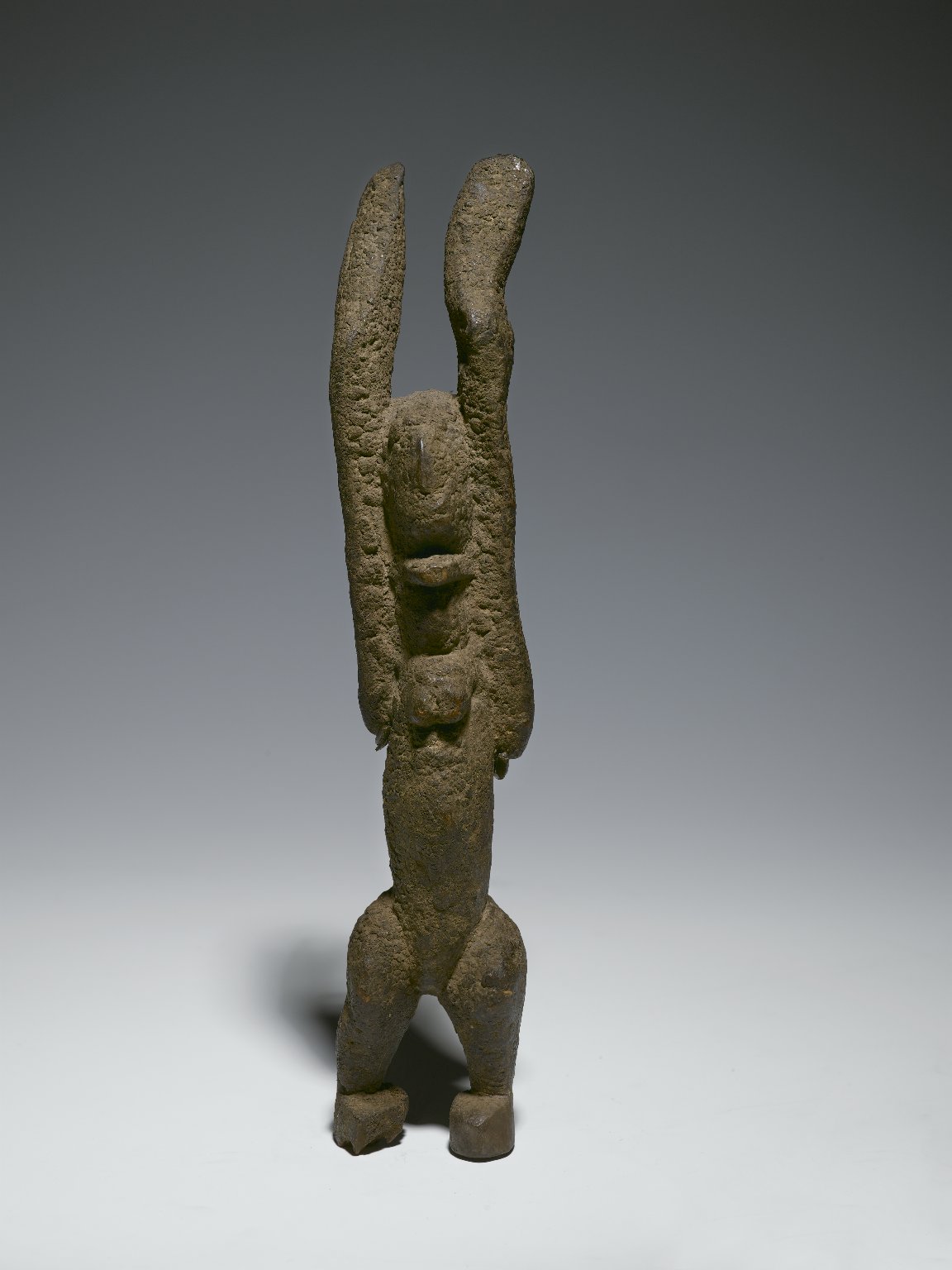 🇲🇱 MaliDogon religion
The traditional spiritual beliefs of the Dogon people of MaliTradition · Protection · Speaking with spirits and the dead Living
🇸🇸 South Sudan and 1 moreDinka religion
The traditional animist and creator-based faith of the Dinka people of South SudanTradition · Protection · Healing Living
🇿🇦 South Africa and 1 moreRain Queen
A hereditary queen of the Balobedu people believed to control rainfall in South AfricaTradition · Protection · Power and authority Living
🇲🇱 MaliDogon religion
The traditional spiritual beliefs of the Dogon people of MaliTradition · Protection · Speaking with spirits and the dead Living
🇸🇸 South Sudan and 1 moreDinka religion
The traditional animist and creator-based faith of the Dinka people of South SudanTradition · Protection · Healing Living
🇿🇦 South Africa and 1 moreRain Queen
A hereditary queen of the Balobedu people believed to control rainfall in South AfricaTradition · Protection · Power and authority Living
 🇳🇬 Nigeria and 3 moreYemọjaYemoja
A mother spirit of rivers and oceans worshipped across Yoruba and diaspora traditionsBeing · Protection · Healing Living
🇳🇬 Nigeria and 3 moreYemọjaYemoja
A mother spirit of rivers and oceans worshipped across Yoruba and diaspora traditionsBeing · Protection · Healing Living
 🇲🇬 MadagascarMalagasy mythology
The oral traditions and ancestral beliefs of the Malagasy people in MadagascarTradition · Speaking with spirits and the dead · Protection Living
🇲🇬 MadagascarMalagasy mythology
The oral traditions and ancestral beliefs of the Malagasy people in MadagascarTradition · Speaking with spirits and the dead · Protection Living
 🇳🇬 Nigeria and 4 moreOrishaÒrìṣà
Divine spirits of the Yoruba religion and their diasporic descendants in the Americas.Being · Protection · Healing Living
🇳🇬 Nigeria and 4 moreOrishaÒrìṣà
Divine spirits of the Yoruba religion and their diasporic descendants in the Americas.Being · Protection · Healing Living
 🇰🇪 Kenya and 1 moreMaasai religion
The spiritual beliefs of the semi-nomadic Maasai people of East AfricaTradition · Protection · Healing Living
🇰🇪 Kenya and 1 moreMaasai religion
The spiritual beliefs of the semi-nomadic Maasai people of East AfricaTradition · Protection · Healing Living
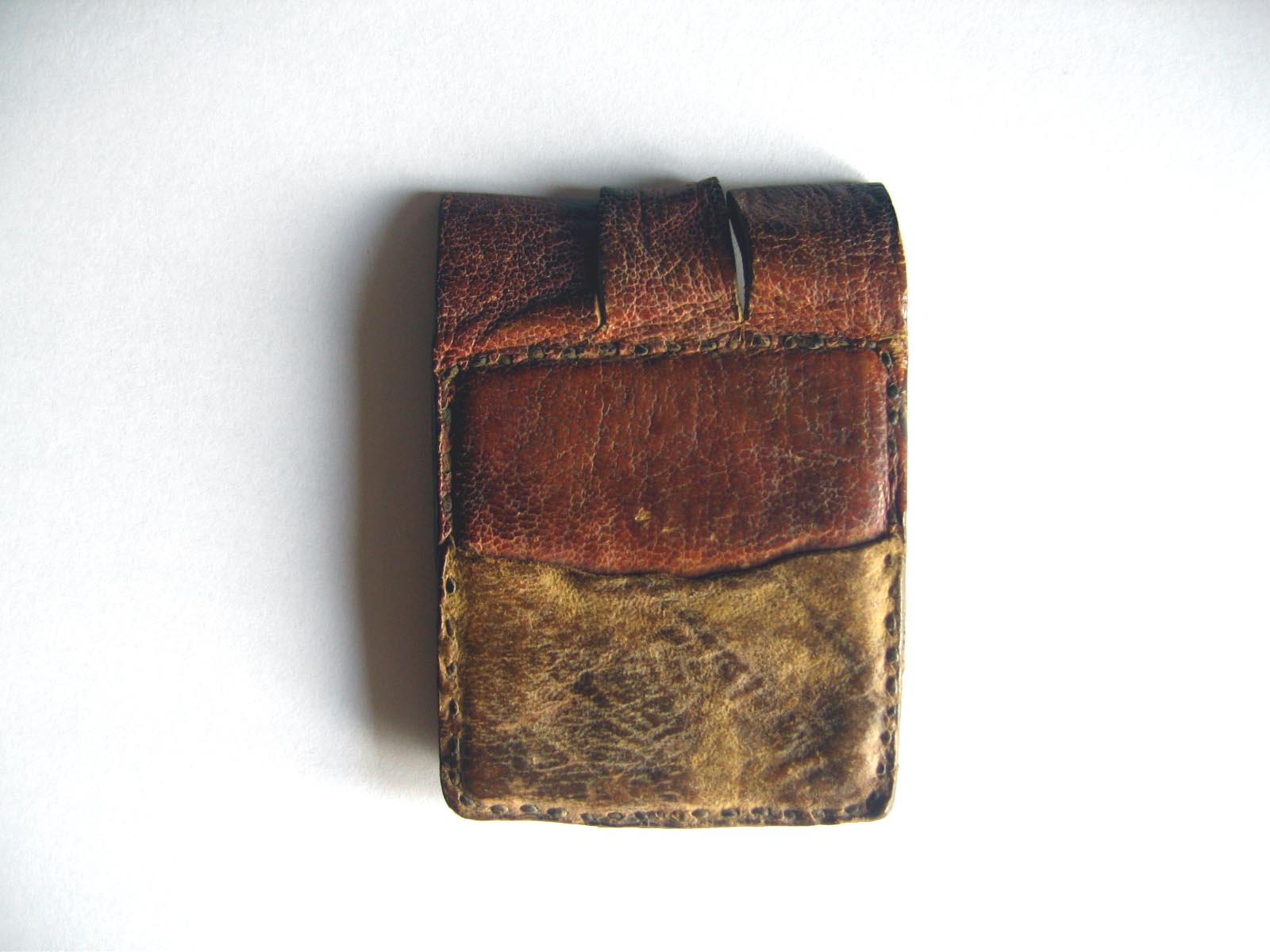 🇲🇱 Mali and 3 moreGris-gris
A small pouch or charm from West Africa used for protection and luck.Charm · Protection · Luck and prosperity Living
🇲🇱 Mali and 3 moreGris-gris
A small pouch or charm from West Africa used for protection and luck.Charm · Protection · Luck and prosperity Living
 🇬🇦 Gabon and 2 moreMbulu Ngulu
Wood and metal figures guarding ancestor relics in GabonCharm · Protection · Speaking with spirits and the dead Historical
🇿🇦 South AfricaAmadlozi
Ancestors of the Nguni people who guide and protect their descendantsBeing · Protection · Speaking with spirits and the dead Living
🇬🇦 Gabon and 2 moreMbulu Ngulu
Wood and metal figures guarding ancestor relics in GabonCharm · Protection · Speaking with spirits and the dead Historical
🇿🇦 South AfricaAmadlozi
Ancestors of the Nguni people who guide and protect their descendantsBeing · Protection · Speaking with spirits and the dead Living
 🇿🇦 South Africa and 1 moreSacred caves of the Basotho
Cave networks in South Africa and Lesotho used by the Basotho for ancestral rituals and healingTradition · Healing · Protection Living
🇿🇦 South Africa and 1 moreSacred caves of the Basotho
Cave networks in South Africa and Lesotho used by the Basotho for ancestral rituals and healingTradition · Healing · Protection Living
 🇬🇭 GhanaWitch camp
Settlements in Ghana where women accused of witchcraft seek refuge from violence and persecution.Tradition · Protection Historical
🇬🇳 Guinea and 2 moreTaboo on rulers
Restrictions placed on kings and priests to manage fear and hostilityBelief · Protection Historical
🇲🇱 MaliBinouba-binu
A secret Dogon order honoring ancestors through totemic animals and ritual sacrifice in Mali.Tradition · Protection · Speaking with spirits and the dead Living
🇬🇭 GhanaWitch camp
Settlements in Ghana where women accused of witchcraft seek refuge from violence and persecution.Tradition · Protection Historical
🇬🇳 Guinea and 2 moreTaboo on rulers
Restrictions placed on kings and priests to manage fear and hostilityBelief · Protection Historical
🇲🇱 MaliBinouba-binu
A secret Dogon order honoring ancestors through totemic animals and ritual sacrifice in Mali.Tradition · Protection · Speaking with spirits and the dead Living
 🇲🇬 MadagascarFady
Malagasy cultural taboos regulating daily life and ancestor relationsBelief · Protection · Speaking with spirits and the dead Living
🇲🇬 MadagascarFady
Malagasy cultural taboos regulating daily life and ancestor relationsBelief · Protection · Speaking with spirits and the dead Living
Photo credits on this page
The small pictures above come from Wikimedia Commons under free licences. Some are cropped to fit.
- Serer religion: Unknown author, Public domain, source
- Yemọja: Samuel Tobbytex007, CC BY-SA 4.0, source
- Obatala: Isha, CC BY 3.0, source
- Elegua: Sailko, CC BY 3.0, source
- Pentagram: Tomruen, Attribution, source
- Odinani: Northcote Whitridge Thomas, Public domain, source
- Dogon religion: Unknown author, CC BY 3.0, source
- Sacred caves of the Basotho: JMK, CC BY-SA 3.0, source
- Witch camp: Hasslaebetch, CC BY-SA 4.0, source
- Famadihana: Saveoursmile (Hery Zo Rakotondramanana), CC BY-SA 2.0, source
- Orisha: Turismo Bahia, CC BY-SA 2.0, source
- Maasai religion: Dr. Ondřej Havelka (cestovatel), CC BY 4.0, source
- Ancestor veneration: Thang Nguyen, CC BY-SA 2.0, source
- Gris-gris: Teogomez, CC BY-SA 3.0, source
- Snake worship: Alexandermcnabb, CC BY-SA 4.0, source
- Osun-Osogbo Sacred Grove: Cheeka 2.0, CC BY-SA 4.0, source
- Fady: Robin Taylor, CC BY 2.0, source
- Mbulu Ngulu: Sailko, CC BY 3.0, source