Power and authority
Magic as kingship, priesthood and status: the sorcerer-king, the court astrologer, the rainmaker.
Magic as power and authority is the use of ritual to make or hold rank: kings with sacred duties, court astrologers, rainmakers, chiefs who are said to hold spiritual force, and priests who keep a state religion. It includes the Egyptian pharaoh, the Mongol shamans at the court of the khan, the Chinese Taoist masters, the Zulu and Shona spirit mediums, and the astrologers who advised Mughal and European rulers. This page asks how magic and politics feed each other. Where this happens, magic is less about individual wishes and more about who is allowed to speak for the unseen.
Sacred rulers
In many kingdoms the ruler was believed to hold a power linked to harvest, rain or victory. Pharaohs performed rites to keep order, and the Divine Right of kings in Europe included the royal touch, a rite by which French and English monarchs touched people with scrofula. Chinese emperors held the Mandate of Heaven, which natural omens could confirm or withdraw. The Mongol khans consulted shamans and diviners. Kings also commissioned astrologers to choose coronation dates.
Advisers and rivals
Courts employed diviners, astrologers and mages. John Dee advised Elizabeth I, and Indian and Persian kings kept court astrologers. Such advisers also faced risk: in Rome, astrologers were expelled several times, and accusations of sorcery were used to remove rivals at courts from Byzantium to Ming China. Magic offered influence to people with little formal rank. Sorcery charges were used against queens and ministers in several courts, and the fall of a favourite was often explained by a spell.
Resistance and the state
Spirit mediums have led resistance. In Zimbabwe, the spirit mediums Nehanda and Kaguvi were central to the 1896 uprising against British rule, and Nehanda was hanged in 1898. In Kenya and Tanzania, the Maji Maji rebellion of 1905 drew on a water said to protect against bullets. Colonial states responded with witchcraft ordinances, which often banned healers and protected nobody. In Africa, chiefs are often described as guardians of a land and its rain, and ruling families have held rites for the whole community.
Modern politics
Some leaders consult astrologers or healers, and political use of the occult is reported from India to Latin America. Accusations of witchcraft are used against opponents and in land disputes. Scholars read these links as part of how power is made visible and legitimate. Citizens may wish to ask who benefits when magic is used in public life. Many states now regulate healers and diviners, or use them for public health messages, which shows how much influence they still have.
Power and authority on EveryJaadu
The entries written up so far, best known first.
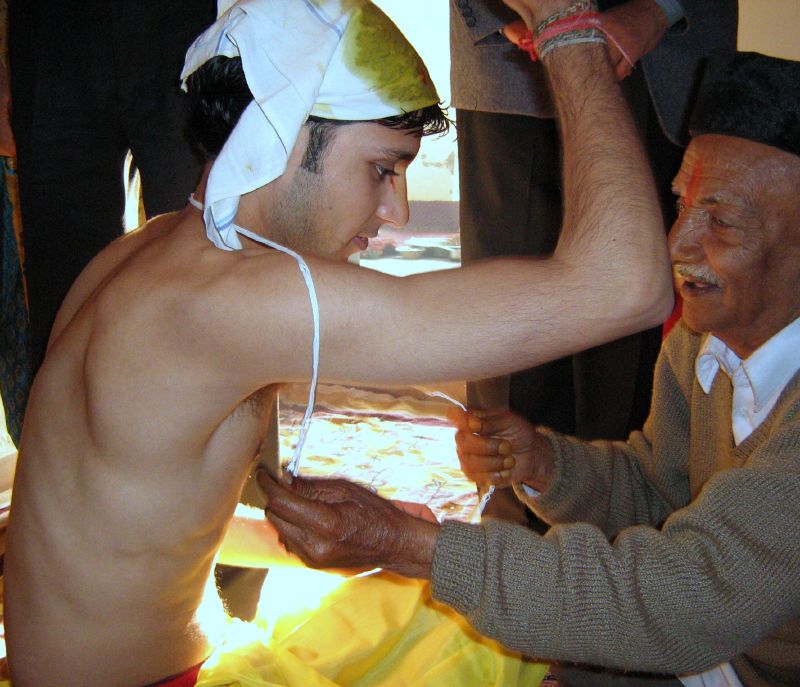 🇮🇳 India and 1 moreUpanayanaउपनयन
A Hindu rite of passage marking a student's initiation into formal education and spiritual discipline.Rite · Speaking with spirits and the dead · Power and authority Living
🇮🇳 India and 1 moreUpanayanaउपनयन
A Hindu rite of passage marking a student's initiation into formal education and spiritual discipline.Rite · Speaking with spirits and the dead · Power and authority Living
 🇸🇳 Senegal and 5 moreMaraboutmurābiṭ
A Muslim religious leader and teacher in West Africa, often linked to Sufi brotherhoods.Tradition · Protection · Speaking with spirits and the dead Living
🇸🇳 Senegal and 5 moreMaraboutmurābiṭ
A Muslim religious leader and teacher in West Africa, often linked to Sufi brotherhoods.Tradition · Protection · Speaking with spirits and the dead Living
 🇮🇶 IraqBabylonian astrology
The first organized system of celestial divination in the ancient Near EastTradition · Protection · Seeing and foretelling Historical
🇮🇶 IraqBabylonian astrology
The first organized system of celestial divination in the ancient Near EastTradition · Protection · Seeing and foretelling Historical
 🇪🇬 Egypt and 2 moreIsisꜣst (Egyptian)
Egyptian goddess of magic, mourning and kingship, mother of HorusBeing · Protection · Healing Historical
🇪🇬 Egypt and 2 moreIsisꜣst (Egyptian)
Egyptian goddess of magic, mourning and kingship, mother of HorusBeing · Protection · Healing Historical
 🇨🇳 China and 1 moreFeng Shan封禪
An imperial rite performed at Mount Tai to honor heaven and earth and confirm the mandate of rule.Rite · Power and authority · Speaking with spirits and the dead Historical
🇨🇳 China and 1 moreFeng Shan封禪
An imperial rite performed at Mount Tai to honor heaven and earth and confirm the mandate of rule.Rite · Power and authority · Speaking with spirits and the dead Historical
 🇳🇵 NepalTaleju𑐟𑐮𑐾𑐖𑐸 (Newar) / तलेजु (Devanagari)
A royal goddess of the Kathmandu Valley, worshipped as Durga and Tara.Being · Protection · Power and authority Living
🇳🇵 NepalTaleju𑐟𑐮𑐾𑐖𑐸 (Newar) / तलेजु (Devanagari)
A royal goddess of the Kathmandu Valley, worshipped as Durga and Tara.Being · Protection · Power and authority Living
 🇬🇷 GreeceOmphalosὀμφαλός
A sacred stone marking the center of the world in Greek myth and oracle practiceCharm · Speaking with spirits and the dead · Power and authority Historical
🇬🇷 GreeceOmphalosὀμφαλός
A sacred stone marking the center of the world in Greek myth and oracle practiceCharm · Speaking with spirits and the dead · Power and authority Historical
 🇻🇳 VietnamĐạo Mẫu
A Vietnamese shamanic tradition honouring mother goddesses through ritual performance.Tradition · Speaking with spirits and the dead · Power and authority Living
🇧🇯 BeninMawu-Lisa
A dual creator spirit of the Gbe peoples, uniting sun and moon in one agender beingBeing · Power and authority Living
🇻🇳 VietnamĐạo Mẫu
A Vietnamese shamanic tradition honouring mother goddesses through ritual performance.Tradition · Speaking with spirits and the dead · Power and authority Living
🇧🇯 BeninMawu-Lisa
A dual creator spirit of the Gbe peoples, uniting sun and moon in one agender beingBeing · Power and authority Living
 🇨🇳 China and 1 moreChinese shamanism巫教 (Wūjiào)
Spirit-mediums of China who dance and trance to carry messages between people and godsTradition · Speaking with spirits and the dead · Seeing and foretelling Living
🇨🇳 China and 1 moreChinese shamanism巫教 (Wūjiào)
Spirit-mediums of China who dance and trance to carry messages between people and godsTradition · Speaking with spirits and the dead · Seeing and foretelling Living
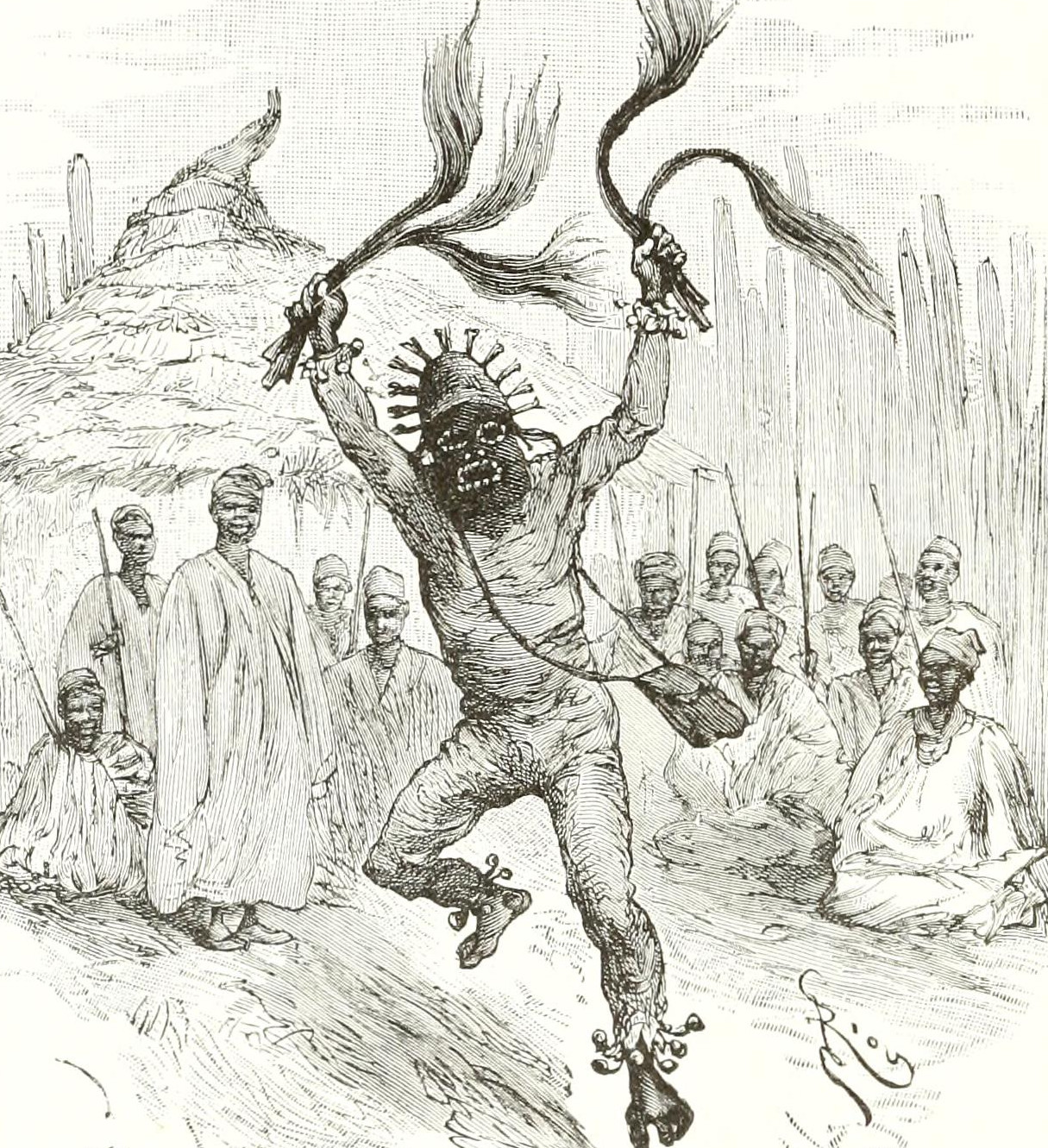 🇩🇴 Dominican Republic and 1 moreDominican VudúVudú Dominicano
A syncretic Afro-Caribbean religion on Hispaniola with its own spirit lineages and titles.Tradition · Protection · Love and attraction Living
🇩🇴 Dominican Republic and 1 moreDominican VudúVudú Dominicano
A syncretic Afro-Caribbean religion on Hispaniola with its own spirit lineages and titles.Tradition · Protection · Love and attraction Living
 🇪🇬 Egypt and 1 moreUraeusjꜥrt
An ancient Egyptian rearing cobra emblem of royal power and divine protectionCharm · Protection · Power and authority Historical
🇮🇷 Iran and 2 moreYazata𐬫𐬀𐬰𐬀𐬙𐬀
A Zoroastrian term for divine beings worthy of worship and venerationBeing · Speaking with spirits and the dead · Power and authority Historical
🇪🇬 Egypt and 1 moreUraeusjꜥrt
An ancient Egyptian rearing cobra emblem of royal power and divine protectionCharm · Protection · Power and authority Historical
🇮🇷 Iran and 2 moreYazata𐬫𐬀𐬰𐬀𐬙𐬀
A Zoroastrian term for divine beings worthy of worship and venerationBeing · Speaking with spirits and the dead · Power and authority Historical
 🇮🇳 IndiaSnow Lionགངས་སེང་གེ་
A celestial mountain guardian of Tibet embodying fearlessness, bliss, and the DharmaBeing · Protection · Power and authority Living
🇮🇳 IndiaSnow Lionགངས་སེང་གེ་
A celestial mountain guardian of Tibet embodying fearlessness, bliss, and the DharmaBeing · Protection · Power and authority Living
 🇭🇹 Haiti and 1 morePetwo
A family of hot and volatile spirits in Haitian VodouBeing · Power and authority · Cursing and harm Living
🇭🇹 Haiti and 3 moreNago lwa
A Haitian Vodou nation of masculine spirits rooted in Yoruba traditionsBeing · Power and authority · Speaking with spirits and the dead Living
🇹🇹 Trinidad and Tobago and 1 moreTrinidadian Vodunu
A West African Vodun tradition practiced in Trinidad and Tobago with Catholic elementsTradition · Speaking with spirits and the dead · Power and authority Living
🇭🇹 Haiti and 1 morePetwo
A family of hot and volatile spirits in Haitian VodouBeing · Power and authority · Cursing and harm Living
🇭🇹 Haiti and 3 moreNago lwa
A Haitian Vodou nation of masculine spirits rooted in Yoruba traditionsBeing · Power and authority · Speaking with spirits and the dead Living
🇹🇹 Trinidad and Tobago and 1 moreTrinidadian Vodunu
A West African Vodun tradition practiced in Trinidad and Tobago with Catholic elementsTradition · Speaking with spirits and the dead · Power and authority Living
 🇪🇬 Egypt and 5 moreWorship of heavenly bodies
Veneration of stars, planets, and the sky as divine forces or deitiesTradition · Protection · Power and authority Historical
🇪🇬 Egypt and 5 moreWorship of heavenly bodies
Veneration of stars, planets, and the sky as divine forces or deitiesTradition · Protection · Power and authority Historical
 🇮🇳 India and 1 moreVarahiवाराही (Vārāhī)
A Hindu mother goddess with a sow face, worshipped in Tantric rites for protection and powerBeing · Protection · Power and authority Living
🇮🇳 India and 1 moreVarahiवाराही (Vārāhī)
A Hindu mother goddess with a sow face, worshipped in Tantric rites for protection and powerBeing · Protection · Power and authority Living
 🇲🇽 MexicoEntheogenics and the Maya
Hallucinogenic substances used by the Maya for spiritual rituals and healingTradition · Speaking with spirits and the dead · Healing Historical
🇲🇽 MexicoEntheogenics and the Maya
Hallucinogenic substances used by the Maya for spiritual rituals and healingTradition · Speaking with spirits and the dead · Healing Historical
 🇮🇶 Iraq and 3 moreUmayyad tradition of cursing Ali
A state policy to denounce Ali during communal prayers under the Umayyad CaliphateRite · Cursing and harm · Binding and oaths Historical
🇮🇶 Iraq and 3 moreUmayyad tradition of cursing Ali
A state policy to denounce Ali during communal prayers under the Umayyad CaliphateRite · Cursing and harm · Binding and oaths Historical
 🇯🇵 Japan and 4 moreKṣitigarbhaक्षितिगर्भ
A bodhisattva vowed to empty the hells and guard children, shown with a staff and jewel.Being · Protection · Speaking with spirits and the dead Living
🇯🇵 Japan and 4 moreKṣitigarbhaक्षितिगर्भ
A bodhisattva vowed to empty the hells and guard children, shown with a staff and jewel.Being · Protection · Speaking with spirits and the dead Living
 🇬🇧 United KingdomGorsedd stonesCerrig yr Orsedd
Stone circles built for the National Eisteddfod of Wales to host druidic ceremonies.Tradition · Speaking with spirits and the dead · Power and authority Living
🇬🇧 United KingdomGorsedd stonesCerrig yr Orsedd
Stone circles built for the National Eisteddfod of Wales to host druidic ceremonies.Tradition · Speaking with spirits and the dead · Power and authority Living
 🇺🇸 United States and 1 moreChurch of Satan
An atheistic religious body founded in 1966 that practices ritual magicTradition · Power and authority · Change and initiation Living
🇺🇸 United States and 1 moreChurch of Satan
An atheistic religious body founded in 1966 that practices ritual magicTradition · Power and authority · Change and initiation Living
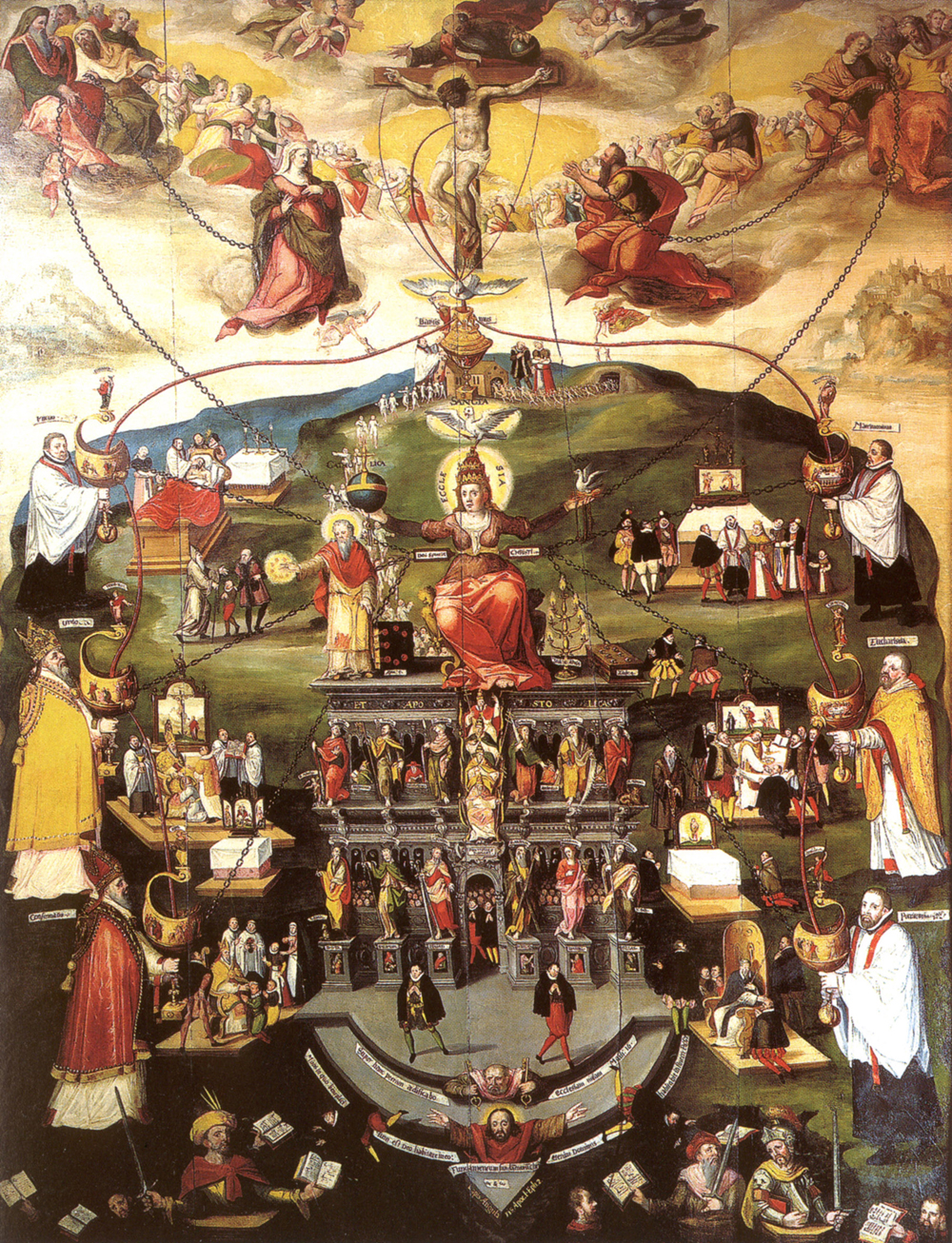 🇬🇷 GreeceSacred mysteriesμυστήριον
Secret ceremonies and divine doctrines held to exceed human reasonBelief · Speaking with spirits and the dead · Change and initiation Living
🇬🇷 GreeceSacred mysteriesμυστήριον
Secret ceremonies and divine doctrines held to exceed human reasonBelief · Speaking with spirits and the dead · Change and initiation Living
 🇯🇵 JapanSuzu鈴
A hollow Japanese bell with inner pellets, used in Shinto rites and shrines.Charm · Protection · Speaking with spirits and the dead Living
🇯🇵 JapanSuzu鈴
A hollow Japanese bell with inner pellets, used in Shinto rites and shrines.Charm · Protection · Speaking with spirits and the dead Living
 🇮🇳 India and 1 moreMahanam Sampradayaমহানাম সম্প্রদায়
A Bengali Krishnaite monastic order focused on chanting and humanitarian serviceTradition · Speaking with spirits and the dead · Power and authority Living
🇮🇳 India and 1 moreMahanam Sampradayaমহানাম সম্প্রদায়
A Bengali Krishnaite monastic order focused on chanting and humanitarian serviceTradition · Speaking with spirits and the dead · Power and authority Living
 🇹🇷 TurkeyHittite sun disk
An ancient Anatolian bronze symbol used in Hattian and Hittite religious ceremoniesCharm · Speaking with spirits and the dead · Power and authority Historical
🇹🇷 TurkeyHittite sun disk
An ancient Anatolian bronze symbol used in Hattian and Hittite religious ceremoniesCharm · Speaking with spirits and the dead · Power and authority Historical
 🇪🇸 Spain and 2 moreHoly ChaliceSanto Cáliz
A cup believed to have held the blood of Jesus at the Last SupperCharm · Speaking with spirits and the dead · Power and authority Living
🇸🇦 Saudi Arabia and 2 moreBay'ahبيعة
An oath of loyalty and obedience given to a political or spiritual leader in Islamic traditionRite · Binding and oaths · Power and authority Living
🇬🇧 United KingdomUwaisiأُوَيْس
A Sufi method of spiritual transmission between master and disciple without physical contact.Tradition · Speaking with spirits and the dead · Power and authority Living
🇪🇸 Spain and 2 moreHoly ChaliceSanto Cáliz
A cup believed to have held the blood of Jesus at the Last SupperCharm · Speaking with spirits and the dead · Power and authority Living
🇸🇦 Saudi Arabia and 2 moreBay'ahبيعة
An oath of loyalty and obedience given to a political or spiritual leader in Islamic traditionRite · Binding and oaths · Power and authority Living
🇬🇧 United KingdomUwaisiأُوَيْس
A Sufi method of spiritual transmission between master and disciple without physical contact.Tradition · Speaking with spirits and the dead · Power and authority Living
Photo credits on this page
The small pictures above come from Wikimedia Commons under free licences. Some are cropped to fit.
- Maya mythology: Unknown author, Public domain, source
- Rabisu: editor Austen Henry Layard , drawing by L. Gruner, Public domain, source
- Mahanam Sampradaya: Neehar Haldar, CC0, source
- Louisiana Voodoo: I cropped, original authors are Ridpath, John Clark, CC BY-SA 4.0, source
- Church of Satan: Palnu ., CC BY-SA 3.0, source
- Upanayana: vinodbahal, CC BY 2.0, source
- Marabout: Jan Broekhuijse, CC BY-SA 3.0, source
- Isis: Ägyptischer Maler um 1360 v. Chr., Public domain, source
- Feng Shan: Rolf Müller ( User:Rolfmueller ), CC BY-SA 3.0, source
- Taleju: Unknown author, CC BY-SA 4.0, source
- Omphalos: Unknown author, Public domain, source
- Đạo Mẫu: Vũ Tiến Lâm, CC BY-SA 4.0, source
- Folk Catholicism: Calvin Hennick, for WBUR Boston, CC BY 3.0, source
- Vahana: Unknown Nepali, Public domain, source
- Uraeus: Bjørn Christian Tørrissen, CC BY-SA 3.0, source
- Chinese shamanism: No machine-readable author provided. +上帝+ assumed (based on copyright, CC BY-SA 3.0, source
- Gorsedd stones: Robin Drayton, CC BY-SA 2.0, source
- Sacred mysteries: Johannes Hopffe, Public domain, source
- Suzu: Unknown author, CC0, source
- Umayyad tradition of cursing Ali: Anwar Rizvi, CC BY 2.0, source
- Snow Lion: John Hill, CC BY-SA 4.0, source
- Hittite sun disk: Noumenon, CC BY-SA 3.0, source
- Worship of heavenly bodies: Jean-Pierre Dalbéra, CC BY 2.0, source
- Holy Chalice: Vitold Muratov, CC BY-SA 3.0, source
- Kṣitigarbha: སངས་རྒྱས་བཅོམ་ལྡན་འདས།, Public domain, source