Traditions and systems
Whole bodies of practice: Vodou, shamanism, hoodoo, Wicca, onmyodo, Ifa and the rest.
A tradition is a whole body of magical practice with its own teachers, vocabulary and rules, as distinct from a single charm or rite. Ifa in West Africa, Vodou in Haiti, Tibetan Buddhist ritual, Wicca in Britain and America, and Siberian shamanism are all traditions in this sense. Some are living religions, some are modern inventions, and some survive only in fragments. This page looks at how they differ and what each label hides. Each is described here in its own terms wherever the community has chosen to share them.
Who holds them
A tradition has keepers. In Ifa, a babalawo trains for years and memorises the verses of Odu. In Haitian Vodou, a houngan or mambo is initiated within a house and a lineage. Wicca, by contrast, grew from the writings of Gerald Gardner in the 1950s and spreads by books and covens. Access varies: some traditions are open, some require initiation, and some are closed to outsiders by the community's own rule.
Names that mislead
Outsiders have often given traditions names their keepers did not choose. Colonial officials and missionaries called African and Indigenous religions fetishism, witchcraft or devil worship. The word voodoo, borrowed from the Haitian religion, became a stock horror image, while practitioners say Vodou. Many people also reject the word magic for what they see as plain religion, worship of ancestors or medicine of the land. Some are written down in long poems or scriptures, while others are carried only in memory, song and apprenticeship, which affects how outsiders can study them.
How states treat them
Treatment ranges from protection to prohibition. Haiti recognised Vodou as a religion in 2003. Britain repealed its Witchcraft Act only in 1951. Several African and Pacific states still prosecute witchcraft accusations, and Saudi Arabia has executed people for sorcery. Many traditions were absorbed rather than banned: Santeria wore the faces of Catholic saints, and Taoist ritual was licensed by Chinese emperors. Recognition on paper does not end prejudice: a faith can be legal under a constitution and still be mocked, taxed or policed at local level.
Scholars and sceptics
Anthropologists such as Evans-Pritchard, who studied the Azande in the 1930s, described magic as a coherent system of explanation, not stupidity. Historians stress that boundaries between religion, magic and science were drawn by particular people for particular reasons. Sceptics point out that tests of efficacy have found no effect beyond expectation. Many tradition-bearers answer that the question misses what the practice is for. Folklorists add that traditions are always changing, with no pure original to return to, and that revival is itself a form of change.
Tradition on EveryJaadu
The entries written up so far, best known first.
 🇷🇴 Romania and 3 moreCălușariCălușarii
A Romanian men's dance society that tours villages from Easter to PentecostTradition · Healing · Binding and oaths Living
🇭🇹 HaitiBizango
Haitian secret societies linked to Vodou and social controlTradition · Cursing and harm · Binding and oaths Living
🇺🇸 United StatesGeorgian Wicca
A neopagan tradition founded in California that follows British Traditional Wicca practices without its English lineage.Tradition · Power and authority · Speaking with spirits and the dead Living
 🇷🇺 Russia and 2 morePeterburgian VedismПетербургский Ведизм
A Slavic Neopagan school founded in Saint Petersburg that links ancient Slavic beliefs to Vedic philosophy.Tradition · Power and authority Living
🇭🇹 HaitiFèy
A Haitian Vodou folk song used as a political anthem during military ruleTradition · Power and authority Living
 🇯🇵 JapanSeimei Shrine晴明神社
A Shinto shrine in Kyoto dedicated to the legendary onmyōji Abe no SeimeiTradition · Speaking with spirits and the dead Living
 🇨🇳 China and 1 moreCash coins in feng shui古銅錢的風水
Old Chinese square-holed coins, hung or carried to draw luck and bar harmCharm · Luck and prosperity · Protection Living
🇲🇽 MexicoMazatec shamanism
A Mazatec healing tradition centered on visionary plant ceremonies called veladasTradition · Healing · Speaking with spirits and the dead Living
 🇮🇳 IndiaChhapar Mela
A three-day Punjabi fair for Gugga, a hero of legend said to command snakesRite · Protection · Healing Living
 🇨🇳 China and 6 moreRed envelope红包 (hóngbāo)
A cash gift in a red paper cover given during holidays and weddings to share good fortuneTradition · Luck and prosperity · Protection Living
 🇧🇷 Brazil and 1 moreIjexá
A Yoruba-derived rhythm central to Candomblé ritual and Brazilian carnival musicTradition · Speaking with spirits and the dead · Power and authority Living
🇷🇴 Romania and 5 moreMărțișor
A red and white string charm worn in early spring to welcome the seasonTradition · Protection · Luck and prosperity Living
🇧🇷 BrazilIle Maroia LajiIlê Maroiá Lájié
An old Candomblé house in Salvador, with roots traced to a Yoruba kingdomTradition · Speaking with spirits and the dead Living
 🇺🇸 United StatesMarmot Day
An Alaskan holiday celebrating local marmots and frontier culture, replacing Groundhog Day.Tradition · Luck and prosperity · Wonder and entertainment Living
 🇨🇭 Switzerland and 5 moreFédération Internationale des Sociétés Magiques
Global body uniting magic clubs and organizing world competitionsTradition · Wonder and entertainment Living
🇮🇳 IndiaGreat White Brotherhood
An unseen company of spiritual teachers said to guide human developmentBelief · Speaking with spirits and the dead · Change and initiation Living
 🇭🇹 HaitiHaitian CarnivalKanaval
A major Caribbean festival of music, dance, and satire leading to Mardi Gras in HaitiTradition · Wonder and entertainment · Luck and prosperity Living
🇳🇵 Nepal and 3 moreGurung ShamanismTamu Cho
The ancient shamanic beliefs and rituals of the Gurung people in NepalTradition · Protection · Speaking with spirits and the dead Living
 🇲🇽 MexicoMercado de Sonora
A Mexico City market known for herbal medicine and occult goodsTradition · Protection · Love and attraction Living
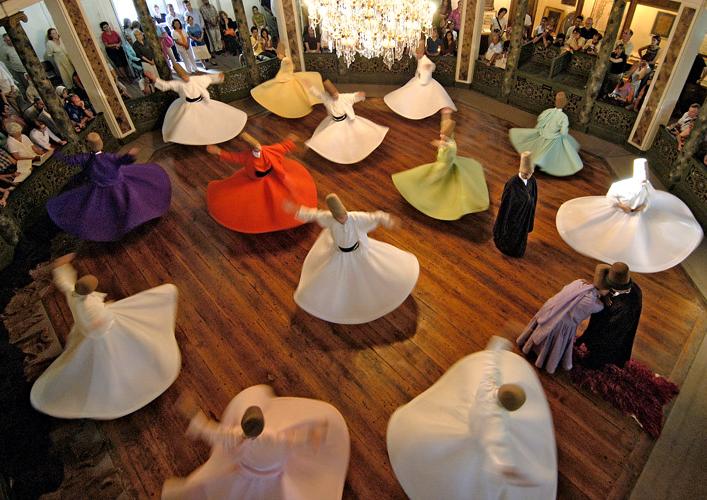 🇹🇷 Turkey and 3 moreSufi whirlingSemazen
A spinning meditation practiced by Sufi dervishes to reach spiritual connection with Allah.Tradition · Speaking with spirits and the dead · Love and attraction Living
🇦🇷 Argentina and 1 moreSan Baltasar
A folk saint of African origin, honoured in Argentina with drums and dance on 6 JanuaryFigure · Protection · Speaking with spirits and the dead Living
 🇪🇬 Egypt and 5 moreMawlidمولد
An annual festival commemorating the birth of the Prophet MuhammadTradition · Power and authority Living
 🇨🇳 China and 3 moreFengshui woodland風水林
A protected grove in East Asia believed to shape the local environment and bring luck to nearby communities.Tradition · Protection · Luck and prosperity Living
🇺🇸 United States and 3 moreBuilders of the Adytum
A Western mystery school teaching tarot and Qabalah through correspondenceTradition · Speaking with spirits and the dead · Power and authority Living
 🇮🇳 India and 1 moreRoshni Mela
A three-day fair of earthen lamps and prayers held at a Sufi shrine in Punjab.Tradition · Protection · Luck and prosperity Living
 🇹🇷 TurkeyKhirqaخرقه
An initiatory cloak in Sufism that passes spiritual lineage and blessings from teacher to student.Tradition · Speaking with spirits and the dead · Power and authority Living
🇺🇸 United StatesGhost sickness
A grief illness blamed on ghosts or witches, from North America to PolynesiaBelief · Healing · Cleansing and purification Living
 🇩🇿 AlgeriaMawsimموسم
Annual Maghrebi festival blending Sufi veneration with social and economic gatheringTradition · Speaking with spirits and the dead · Luck and prosperity Living
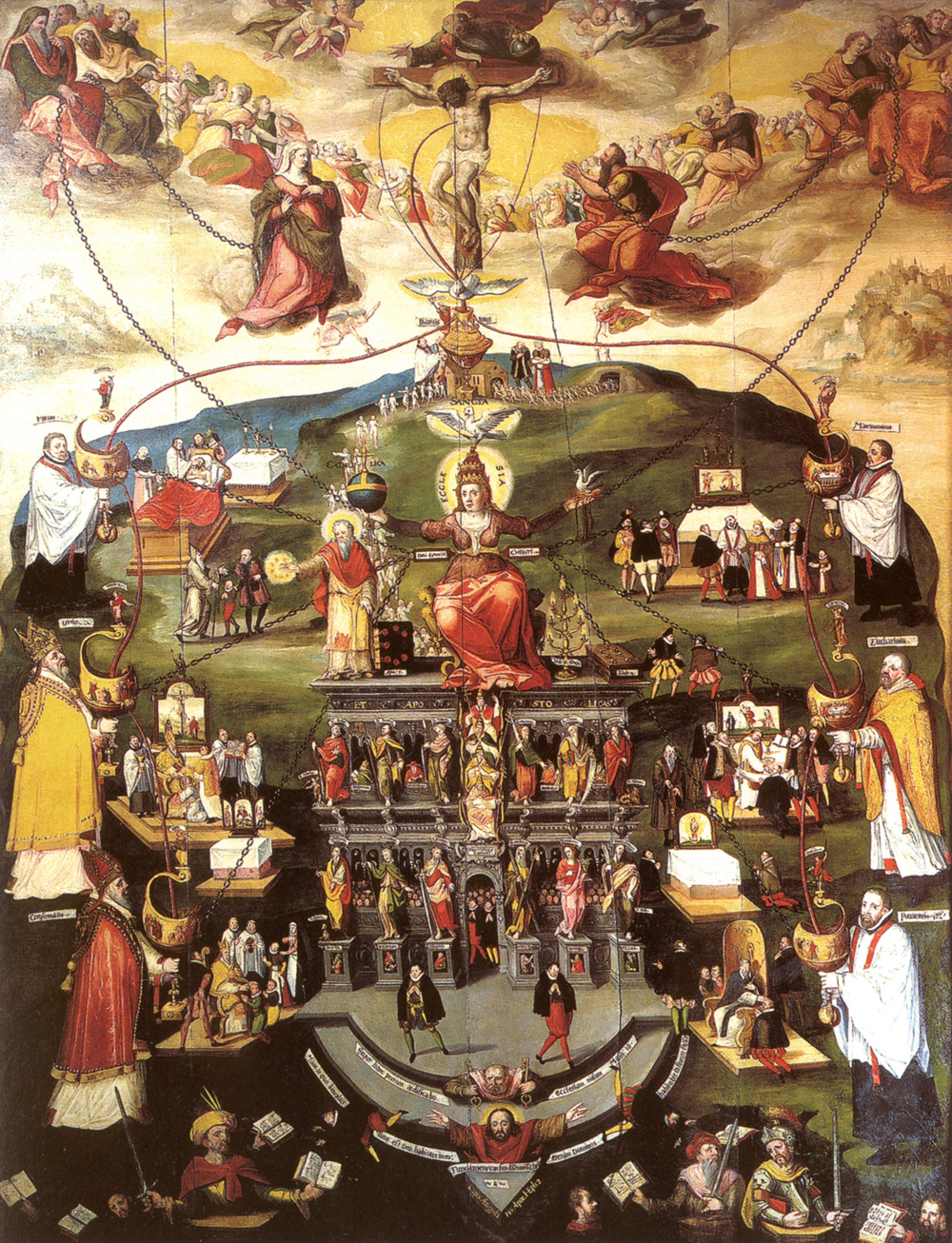 🇬🇷 GreeceSacred mysteriesμυστήριον
Secret ceremonies and divine doctrines held to exceed human reasonBelief · Speaking with spirits and the dead · Change and initiation Living
🇻🇳 VietnamFour PalacesTứ Phủ
A Vietnamese spiritual system where mediums channel four elemental goddesses.Tradition · Speaking with spirits and the dead Living
 🇺🇸 United States and 2 moreNew Orleans Voodoo Revival
A late-20th-century religious movement in New Orleans blending Haitian and Cuban traditions with local history.Tradition · Protection · Healing Living
 🇨🇳 ChinaFlying Star Feng Shui
A Chinese feng shui school that charts a building's nine squares for good and bad qiTradition · Seeing and foretelling · Luck and prosperity Living
 🇬🇧 United Kingdom and 4 moreSpiritualism
A metaphysical belief that spirits communicate with the living through mediums.Belief · Speaking with spirits and the dead Living
🇬🇧 United KingdomEnglish Qaballa
A gematria system giving English letters fixed number valuesTradition Living
 🇧🇷 BrazilCasa das MinasQuerebentã Toi Zomadonu
A historic Tambor de Mina temple in Brazil with roots in the Kingdom of DahomeyTradition · Speaking with spirits and the dead · Power and authority Living
 🇺🇸 United StatesFairy houses
Small outdoor structures built as homes for fairies using natural materialsTradition · Wonder and entertainment Living
🇺🇸 United StatesPanthean Temple
A Wiccan and Pagan church in Connecticut and host of a large Beltaine festivalTradition · Speaking with spirits and the dead · Change and initiation Living
 🇧🇷 BrazilMãe-de-santo
A woman priest in Candomblé, Umbanda and QuimbandaTradition · Power and authority Living
🇧🇷 Brazil and 1 moreZoogodô Bogum Malê Rundó
A historic Candomblé temple in Salvador that preserves the Jejé branch and Fon languageTradition · Speaking with spirits and the dead Living
 🇧🇷 BrazilIlê Axé Iyá Nassô Oká
A historic Candomblé Ketu temple in Salvador, Brazil, known for its heritage status and lineage of high priestesses.Tradition · Speaking with spirits and the dead · Power and authority Living
 🇬🇧 United KingdomGorsedd stonesCerrig yr Orsedd
Stone circles built for the National Eisteddfod of Wales to host druidic ceremonies.Tradition · Speaking with spirits and the dead · Power and authority Living
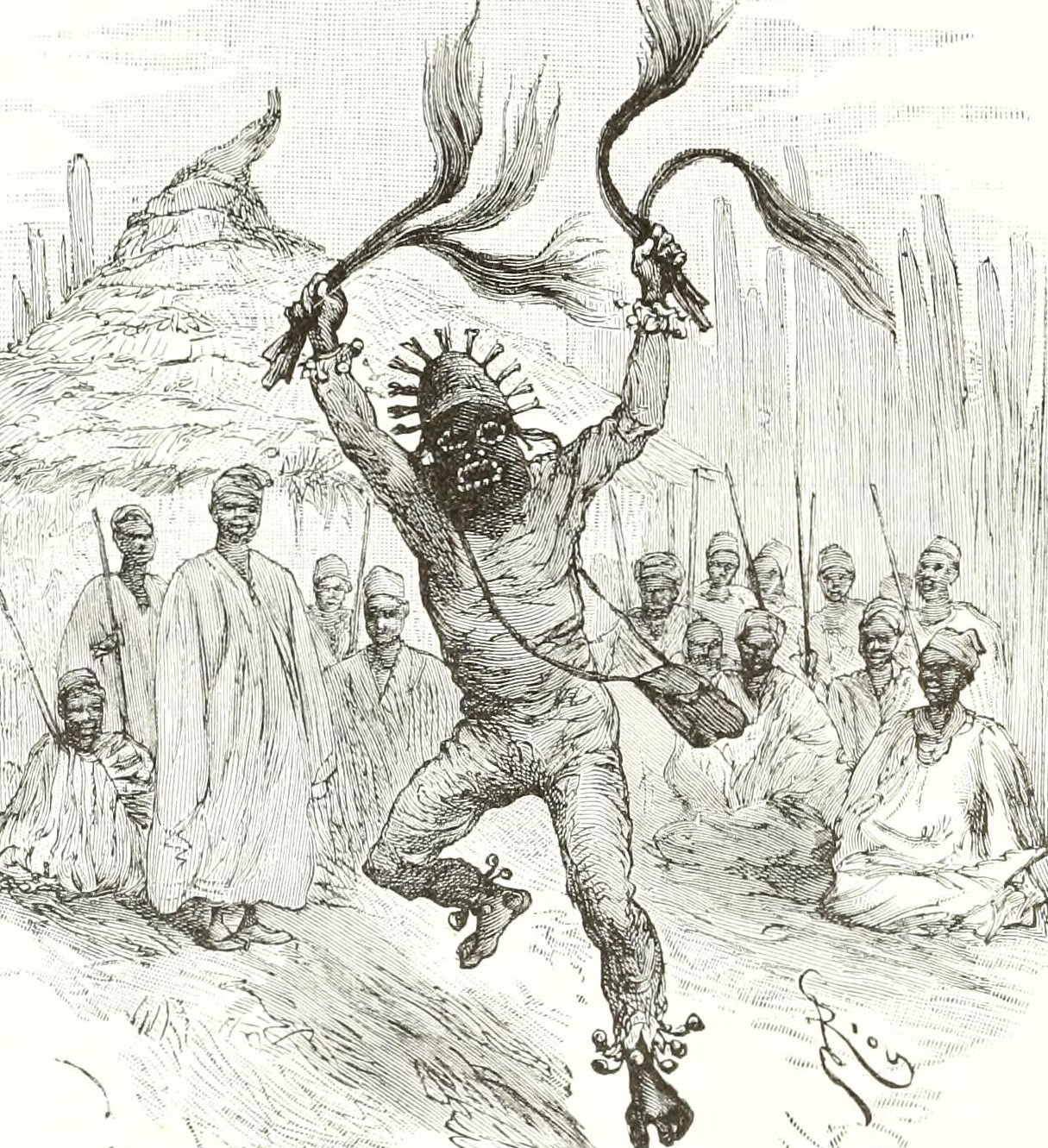 🇹🇹 Trinidad and Tobago and 1 moreTrinidadian Vodunu
A West African Vodun tradition practiced in Trinidad and Tobago with Catholic elementsTradition · Speaking with spirits and the dead · Power and authority Living
🇬🇧 United KingdomUwaisiأُوَيْس
A Sufi method of spiritual transmission between master and disciple without physical contact.Tradition · Speaking with spirits and the dead · Power and authority Living
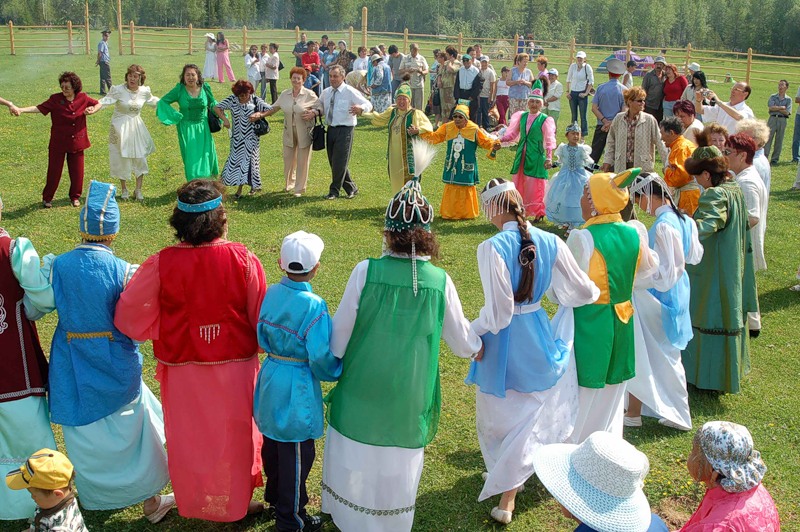 🇷🇺 RussiaYhyakhЫһыах
A summer solstice festival of the Sakha people marking the new year and nature's returnTradition · Luck and prosperity · Speaking with spirits and the dead Living
 🇩🇿 Algeria and 5 moreZawiyaزاوية
A Sufi building and institution for worship, education, and community life in the Islamic world.Tradition · Speaking with spirits and the dead · Healing Living
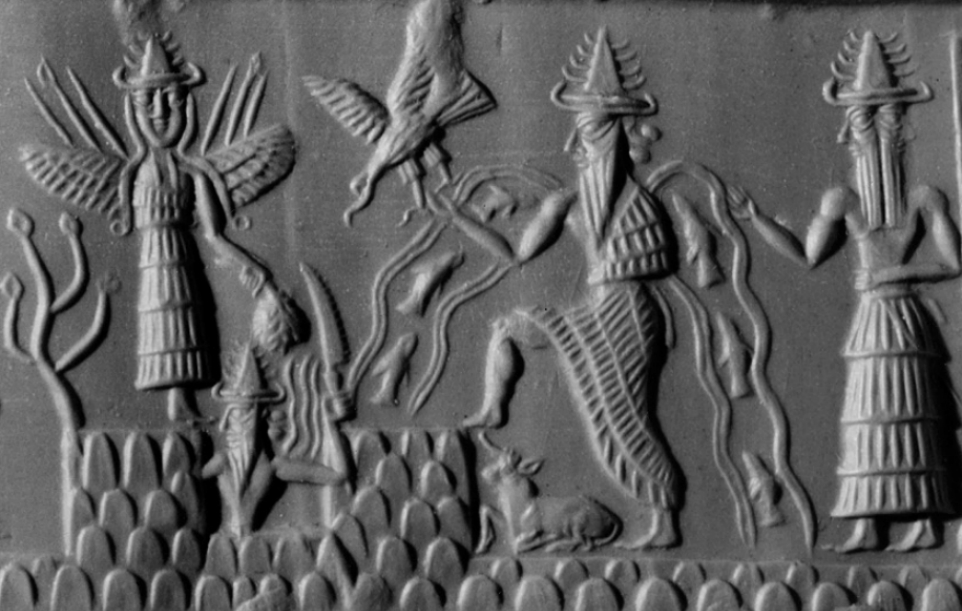 🇺🇸 United StatesJoy of Satan Ministries
An occult movement combining theistic Satanism with esoteric and extraterrestrial loreTradition · Power and authority · Speaking with spirits and the dead Living
🇬🇧 United Kingdom and 3 moreOdinic Rite
A UK-based Heathen group that restricts membership to people of European ancestry.Tradition · Power and authority Living
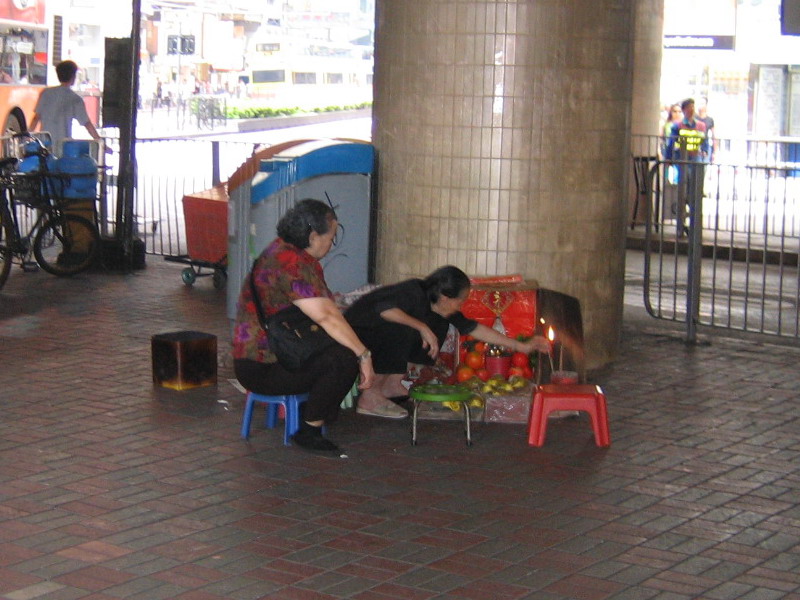 🇨🇳 China and 1 moreVillain hitting打小人
A Cantonese rite that strikes paper effigies with a shoe to ward off enemiesTradition · Cursing and harm · Protection Living
Photo credits on this page
The small pictures above come from Wikimedia Commons under free licences. Some are cropped to fit.
- Peterburgian Vedism: Unknown author, Public domain, source
- Haitian Carnival: User:Doron, CC BY-SA 3.0, source
- Flying Star Feng Shui: Unknown author, Public domain, source
- Spiritualism: Internet Archive Book Images, No restrictions, source
- Mãe-de-santo: Antônio Milena/ABr, CC BY 3.0 br, source
- Ilê Axé Iyá Nassô Oká: Toluaye, Public domain, source
- Yhyakh: Humano92, Public domain, source
- Zawiya: Schneders, CC BY-SA 4.0, source
- West African Vodún: I cropped, original authors are Ridpath, John Clark, CC BY-SA 4.0, source
- Sufi whirling: myself, Public domain, source
- Călușari: El bes, CC BY 3.0, source
- Chhapar Mela: Stalinjeet, CC BY-SA 4.0, source
- Fengshui woodland: 猫猫的日记本 (Cat's diary), CC BY-SA 3.0, source
- Roshni Mela: FatherofGod, CC BY-SA 4.0, source
- Fairy houses: liz west, CC BY 2.0, source
- Gorsedd stones: Robin Drayton, CC BY-SA 2.0, source
- Joy of Satan Ministries: Unknown author, Public domain, source
- Villain hitting: No machine-readable author provided. Underbar dk assumed (based on cop, CC BY-SA 3.0, source
- Seimei Shrine: Naokijp, CC BY-SA 4.0, source
- Cash coins in feng shui: No machine-readable author provided. Galopin~commonswiki assumed (base, CC BY-SA 3.0, source
- Red envelope: Oldie~commonswiki, Public domain, source
- Marmot Day: Colin Canterbury/USFWS, Public domain, source
- Fédération Internationale des Sociétés Magiques: Jack de Nijs for Anefo, CC BY-SA 3.0 nl, source
- Mercado de Sonora: AlejandroLinaresGarcia, CC BY-SA 4.0, source
- Mawlid: Firdaus Latif, CC BY-SA 2.0, source
- Khirqa: Unknown author, CC0, source
- Mawsim: Beghdadi Walid, CC BY-SA 4.0, source
- Sacred mysteries: Johannes Hopffe, Public domain, source
- New Orleans Voodoo Revival: Greg Willis, CC BY-SA 2.0, source
- Ijexá: Alex@Eddi ( Diskussion ), CC BY-SA 3.0, source
- Casa das Minas: clecio muller frança leal, CC BY-SA 4.0, source