Stage magic and illusion
The art of the conjurer: sleight of hand, the great illusions and the history of the stage.
Stage magic is the art of the conjurer: sleight of hand, the great illusions, mentalism and the long history of the magic show. It differs from every other form here in one way. The audience knows it is a trick and agrees to be fooled, and the best performers are honest about that. This guide describes famous effects and the history of the art, and does not explain how any trick is done.
A short history
Jugglers and conjurers are recorded in ancient Egypt, Rome and China, and in medieval fairs. Reginald Scot's The Discoverie of Witchcraft (1584) is one early English book of conjuring, written partly to argue that witchcraft was a delusion. Jean-Eugene Robert-Houdin made the modern stage show in Paris in the 1840s, Harry Houdini made escape an event, and the Las Vegas era turned illusions into spectacle. Skill, rehearsal and honest labour sit behind every effect, and a good performer can spend years on a single move.
Around the world
India has the street magicians and the old rope-and-basket stories of the jadu-wallah. China has a long tradition of acrobatic and conjuring theatre, and William Robinson, an American, took the stage name Chung Ling Soo and played a Chinese conjurer. Japan has tejina, the Edo-period art of sleight, and the Arab world has its own storytellers and street entertainers. Women performers faced fewer chances in the early stage trade and were often cast as assistants.
Honest deception
Magicians follow an informal code: do not expose methods to the public, do not repeat a trick to the same audience, and do not claim supernatural power. The code separates entertainment from fraud. Houdini and later James Randi spent years exposing mediums and faith healers who claimed real powers, believing that doing so protected the public. Ethical debates continue about the use of animals on stage, risky stunts and the borrowing of other cultures' costumes, and some famous acts have ended in accident or death, as with the bullet-catch trick that killed Chung Ling Soo in 1918.
Scholars and the brain
Researchers working with magicians study attention, memory and belief, and have shown how misdirection and cognitive illusions shape what people see. Stage magic has also been borrowed by fraudsters, notably in spiritualist seances of the nineteenth century, which is why performers and sceptics have long worked together. Performance, then, is the one form here where belief is not required of anyone, and that is why it can sit beside the rest of the guide without claiming to prove or disprove any of it.
Illusion on EveryJaadu
The entries written up so far, best known first.
 🇬🇧 United KingdomJohn Nevil Maskelyne
A Victorian magician who exposed fraud and invented the pay toiletIllusion · Wonder and entertainment Historical
 🇬🇧 United Kingdom and 3 moreGreen Man
A carved face made of leaves, used as a decorative motif in architecture and art.Illusion · Wonder and entertainment Revived
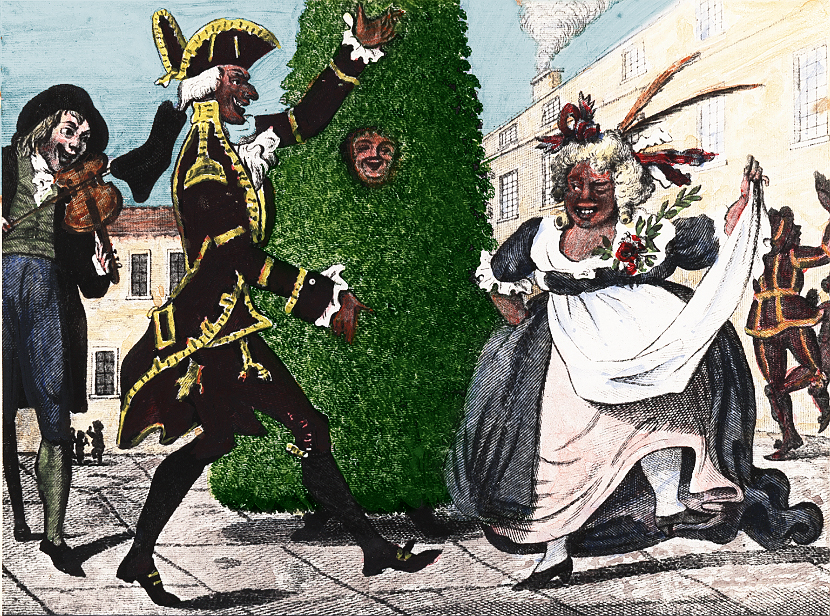 🇬🇧 United KingdomJack in the Green
A foliate figure worn in English May Day processions to celebrate summerIllusion · Wonder and entertainment Revived
 🇳🇴 NorwaySteilneset Memorial
A 2011 monument in Norway marking the 1621 Vardø witch trials and their victims.Illusion · Wonder and entertainment Historical
🇮🇹 Italy and 3 moreJoseph Pinetti
An eighteenth-century magician who brought illusion to the theatre and pioneered stage advertising.Illusion · Wonder and entertainment Historical
 🇩🇪 Germany and 2 moreBrocken spectreBrockengespenst
A giant shadow cast by an observer onto clouds, often surrounded by a rainbow halo.Illusion · Wonder and entertainment Living
 🇬🇷 Greece and 4 moreSword swallowing
A performance art where a blade is passed down the throat into the stomachIllusion · Wonder and entertainment Living
🇫🇷 France and 5 moreBuatier De Kolta
A French stage magician known for mechanical illusions and the vanishing chair.Illusion · Wonder and entertainment Historical
 🇬🇧 United KingdomEgyptian Hall
A London exhibition hall known for art shows and early stage magic performances.Illusion · Wonder and entertainment Historical
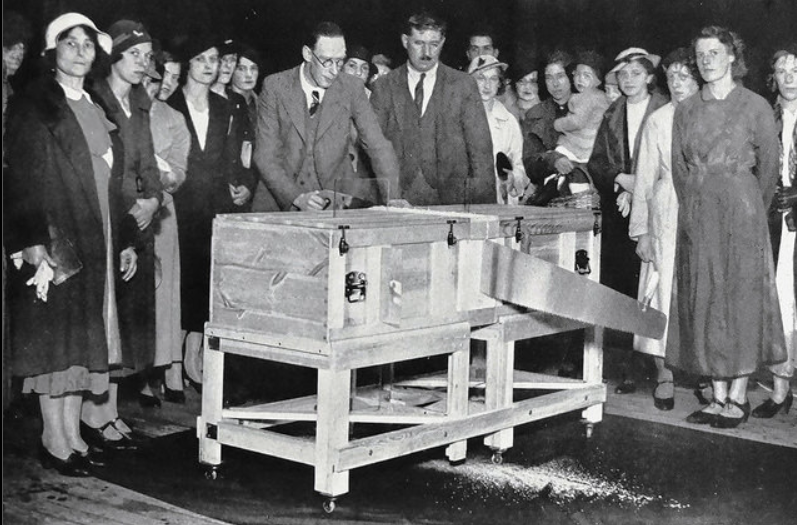 🇬🇧 United Kingdom and 1 moreSawing a woman in half
A stage illusion where an assistant appears to be cut into separate pieces that are moved apart and reassembled.Illusion · Wonder and entertainment Performed
 🇫🇷 France and 1 moreStage magic
A performing art of tricks and illusions that entertain audiences using natural meansIllusion · Wonder and entertainment Living
 🇬🇧 United KingdomDavid Devant
English magician and early film exhibitor known for witty stage presentationIllusion · Wonder and entertainment Historical
🇧🇪 BelgiumServais Le Roy
A Belgian magician who designed classic illusions and performed in a famous trio act.Illusion · Wonder and entertainment Historical
 🇫🇷 France and 1 moreJean-Eugène Robert-Houdin
A French magician who turned conjuring into a refined theatrical art.Illusion · Wonder and entertainment Historical
 🇬🇧 United KingdomIsaac Fawkes
An English conjurer who moved magic from the fairground to fashionable London society.Illusion · Wonder and entertainment Historical
 🇮🇹 Italy and 3 moreEusapia Palladino
An Italian medium whose séances were investigated by leading scientists and magicians in the late nineteenth century.Illusion · Wonder and entertainment · Speaking with spirits and the dead Historical
 🇫🇷 France and 3 moreAlexander Herrmann
A 19th-century magician known for sleight of hand and card throwingIllusion · Wonder and entertainment Historical
 🇬🇧 United Kingdom and 3 moreHobby horse
A costumed character made from wood or cloth used in seasonal folk customs and processions.Illusion · Luck and prosperity · Wonder and entertainment Living
 🇩🇪 Germany and 3 morePhantasmagoria
A horror theatre using magic lanterns to project moving ghosts and demonsIllusion · Wonder and entertainment · Cursing and harm Historical
 🇬🇧 United Kingdom and 1 moreMentalism
A stage art that mimics psychic powers using psychology and sleight of handIllusion · Wonder and entertainment Living
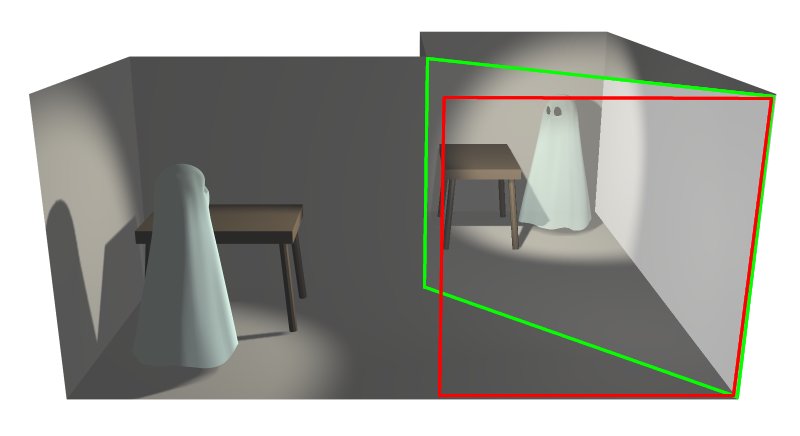 🇬🇧 United Kingdom and 5 morePepper's ghost
A stage illusion using angled glass to project hidden actors as visible ghostsIllusion · Wonder and entertainment Living
 🇺🇸 United States and 5 moreBullet catch
A stage illusion where a magician appears to catch a fired bullet in their mouth or handIllusion · Wonder and entertainment Living
 🇪🇬 Egypt and 1 moreGuillotine (magic trick)
A stage illusion where a blade passes through a neck or finger without harmIllusion · Wonder and entertainment Living
🇩🇪 GermanyMagic Circle of the German Democratic RepublicMagischer Zirkel der Deutschen Demokratischen Republik
A national association for stage magicians in East Germany from 1956 to 1990.Illusion · Wonder and entertainment Historical
 🇫🇷 FranceThéâtre Robert-Houdin
A Paris venue for stage magic founded by Jean-Eugène Robert-Houdin and later directed by Georges MélièsIllusion · Wonder and entertainment Historical
 🇳🇱 Netherlands and 5 moreLiving statue
A street performer who poses motionless as a painted statue or mannequin.Illusion · Wonder and entertainment Living
 🇫🇷 France and 1 moreChapeaugraphy
A novelty act using a single ring of felt to form different hatsIllusion · Wonder and entertainment Revived
 🇬🇧 United Kingdom and 5 moreStreet performance
Public entertainment offered for voluntary tips in open spacesIllusion · Wonder and entertainment · Luck and prosperity Living
🇦🇹 AustriaMagic Club of ViennaMagischer Klub Wien
Austrian association for stage magicians founded in 1908Illusion · Wonder and entertainment Living
 🇩🇪 Germany and 2 moreChink-a-chink
A close-up coin trick where objects appear to jump between locations until gathered togetherIllusion · Wonder and entertainment Living
Photo credits on this page
The small pictures above come from Wikimedia Commons under free licences. Some are cropped to fit.
- Levitation: Godot13, CC BY-SA 3.0, source
- David Devant: Simon Edwards Esq, CC BY-SA 4.0, source
- Chink-a-chink: Niklaus Gerber, CC BY 3.0, source
- Jean-Eugène Robert-Houdin: Carcharoth (Commons), CC BY-SA 3.0, source
- Isaac Fawkes: William Hogarth, Public domain, source
- Eusapia Palladino: Baldi., Public domain, source
- Alexander Herrmann: Photographer unidentified, Public domain, source
- Hobby horse: Timkevan at English Wikipedia, Public domain, source
- Phantasmagoria: Alphonse de Neuville or A. Jahandier, Public domain, source
- Green Man: Unknown author, Public domain, source
- Jack in the Green: SiGarb, CC BY-SA 3.0, source
- Bullet catch: Dave Fayram, CC BY 2.0, source
- Steilneset Memorial: Stylegar, CC BY-SA 4.0, source
- Théâtre Robert-Houdin: anonymous, Public domain, source
- Guillotine (magic trick): Reginald Scott, Public domain, source
- Pepper's ghost: The original uploader was Wapcaplet at English Wikipedia ., CC BY-SA 3.0, source
- Brocken spectre: Draceane, CC BY-SA 4.0, source
- Sword swallowing: Jeff Kubina, CC BY-SA 2.0, source
- Mentalism: The U.S. Printing Co., Russell-Morgan Print, Cincinnati & New York., Public domain, source
- Egyptian Hall: Unknown author, CC BY 4.0, source
- Sawing a woman in half: Jasper Maskelyne, Public domain, source
- Living statue: Another one of my pictures: This photograph was taken by Medium69 (Wil, CC BY-SA 4.0, source
- Chapeaugraphy: Penny Pictorial Magazine, Public domain, source
- Street performance: Dwight Burdette, CC BY 3.0, source
- John Nevil Maskelyne: Unknown author, Public domain, source