🇧🇯 Magic in Benin
22 entries from Benin, best known first, across 6 places of magic.
Vodún is a flexible West African traditional religion centered on spirit worship and efficacy, practiced by the Fon, Ewe, and Aja peoples. It coexists with Christianity and Islam, viewing spirits as active forces in daily life rather than abstract doctrines.
- Vodún means spirit worship in the Fon language
- Lɛgbà guards crossroads and is consulted first
- Mawu-Lisa represents the androgynous creator
- Fá divination guides communication with spirits
- Secret societies like Oró require male initiation
Overview
Vodún serves as the main religious system in southern Benin and Togo, with followers in Ghana and Nigeria. The tradition lacks a central authority or single holy book, allowing it to adapt easily to new cultural influences. Practitioners prioritize practical results over rigid dogma, often blending Vodún rituals with Christian or Islamic practices. The religion shares deep roots with Yoruba traditions, leading to significant overlap in beliefs and deities across the region.
Practices and beliefs
Devotees offer food, libations, and animal sacrifices to vodún spirits at shrines. Divination systems, particularly Fá, help practitioners communicate with the spirit world. Key figures include Lɛgbà, who guards crossroads, and Mawu-Lisa, the creator deity. Ancestor veneration is common, especially among Fon and Mina communities, where spirits of the deceased are honored. Some devotees mark their bodies to resemble the scars of specific deities like Sakpatá.
Rites and charms
Initiation into secret societies such as Oró and Egúngún marks a major rite of passage. These all-male groups maintain strict confidentiality regarding their ceremonies. Possession rituals allow spirits to manifest through human vessels, often involving specific songs, dances, and prayers. Offerings are made to appease or thank the vodún for protection and prosperity. Restrictions on gender or lineage may apply to certain cults, limiting who can participate in specific rites.
Who practises
Adherents are known as vodúnsɛntó or vodúnisants. Healers and diviners guide communities through spiritual challenges using oracle systems like Fá. Initiation into secret societies requires rigorous training and adherence to taboos. Some practitioners interpret Jesus Christ or Hindu deities as vodún, integrating foreign images into their worship. Women may face restrictions in certain cults, such as avoiding the presence of the deity Gbădu.
Regions and communities
Fon and Ewe forms of Vodún are nearly identical, reflecting shared linguistic and cultural histories. The religion spread westward during the Dahomey kingdom era, absorbing Yoruba elements. In coastal areas, Mami Wata is revered as a powerful sea spirit. Northern influences appear in traditions like Tchamba, which honors enslaved ancestors from Togo. Regional variations exist in how specific deities are named and worshipped, though core beliefs remain consistent.
The calendar
Festivals often coincide with agricultural cycles or historical events important to local communities. Life events such as births, marriages, and deaths involve specific rituals to honor ancestors and seek spiritual protection. The timing of offerings and divinations depends on the needs of the petitioner and the guidance of the oracle. Secret society ceremonies occur at set intervals, reinforcing social bonds and transmitting knowledge to initiates.
Law and the state
The religion faced suppression during colonial Christianization efforts and under Benin's mid-20th century Marxist government. Despite these challenges, Vodún has persisted and adapted to modern political landscapes. Today, it is recognized as a legitimate traditional religion alongside state-sanctioned faiths. Efforts to revive and promote Vodún have increased since the 1990s, encouraging cultural tourism and international interest.
Today
Vodún continues to grow through migration and diaspora connections, influencing religions in the Americas. Foreign tourists sometimes visit West Africa to receive initiation, raising questions about cultural appropriation. Many practitioners maintain dual identities, participating in both Vodún and Christian services. The religion remains dynamic, absorbing new elements while preserving core ancestral traditions.
The facts in this overview come from the Wikipedia article "West African Vodún", written by its contributors and used under the CC BY-SA 4.0 licence. EveryJaadu rewrote the text in its own words, with AI assistance, and compares every page with the article to make sure no passage is copied. It may be reused under the same CC BY-SA 4.0 licence with a link back.
Places of magic in Benin
 🇳🇬 Nigeria and 5 moreIfá
A Yoruba divination system using palm nuts or chains to consult OrunmilaTradition · Seeing and foretelling · Speaking with spirits and the dead Living
 🇮🇳 India and 5 moreSnake worship
Veneration of serpents as divine or ancestral beings across global culturesTradition · Protection · Healing Living
 🇳🇬 Nigeria and 4 moreJuju
A West African spiritual belief system involving charms and ritualsTradition · Healing · Luck and prosperity Living
 🇧🇯 Benin and 3 moreZangbeto
A masked night-guardian tradition among the Ogu people of West AfricaTradition · Protection · Cursing and harm Living
 🇭🇹 Haiti and 2 moreManbo
A female priestess in Haitian Vodou who leads rituals and healing workTradition · Healing · Speaking with spirits and the dead Living
 🇭🇹 Haiti and 1 moreOungan
A male priest in Haitian Vodou who leads rituals and serves as a medium for spirits.Tradition · Speaking with spirits and the dead · Healing Living
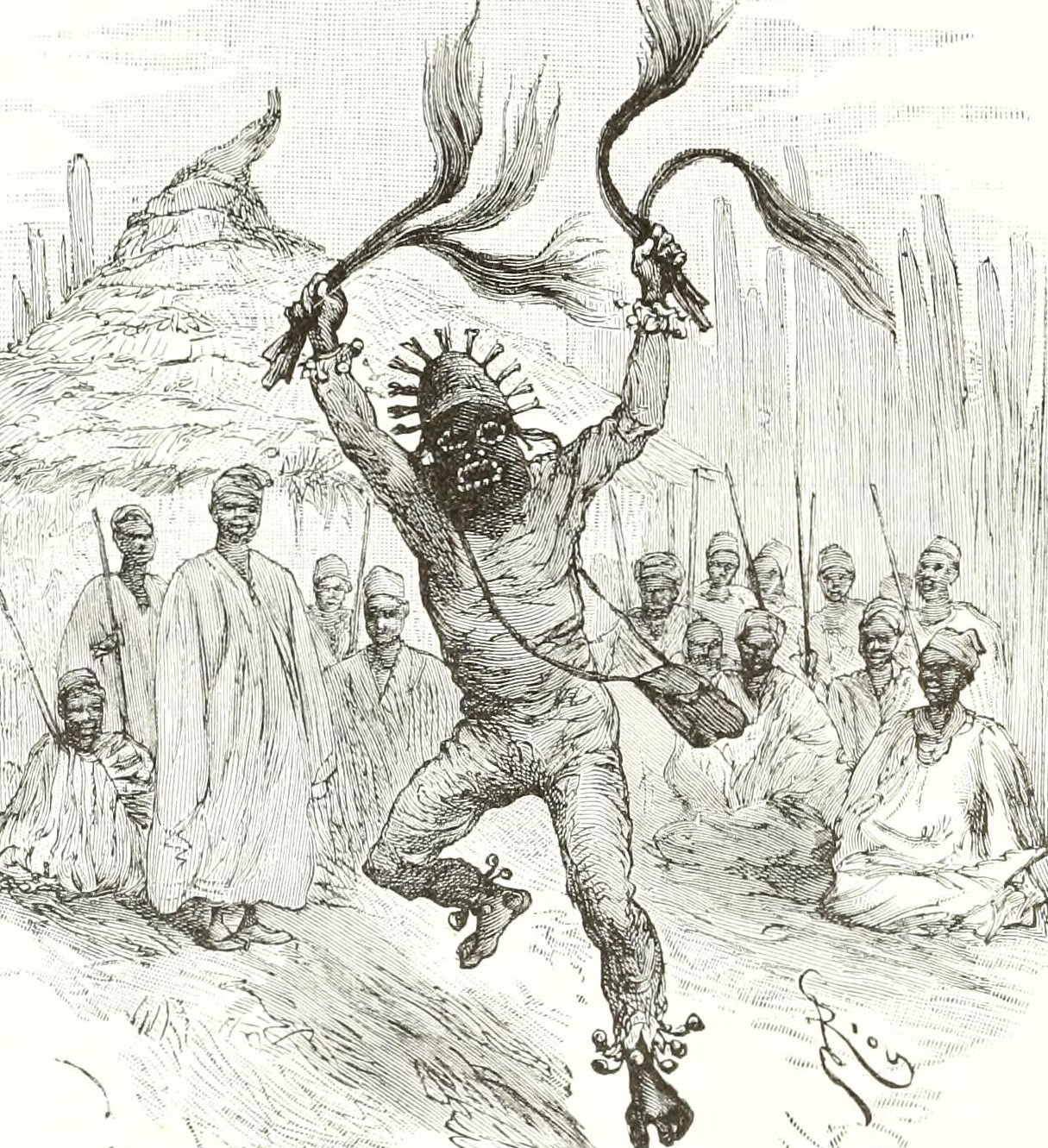 🇺🇸 United States and 2 moreLouisiana Voodoo
An African diasporic religion practiced in Louisiana from the 18th to early 20th centuriesTradition · Healing · Protection Historical
 🇧🇯 Benin and 5 moreVodun art
Religious sculpture and temple painting from West African Vodun traditionsTradition · Protection · Speaking with spirits and the dead Living
 🇺🇸 United States and 3 moreHoodoo
A spiritual tradition of the African diaspora in the American South using herbs and charms for protection and justice.Tradition · Protection · Healing Living
🇧🇷 Brazil and 1 moreZoogodô Bogum Malê Rundó
A historic Candomblé temple in Salvador that preserves the Jejé branch and Fon languageTradition · Speaking with spirits and the dead Living
🇹🇹 Trinidad and Tobago and 1 moreTrinidadian Vodunu
A West African Vodun tradition practiced in Trinidad and Tobago with Catholic elementsTradition · Speaking with spirits and the dead · Power and authority Living
Photo credits on this page
The small pictures above come from Wikimedia Commons under free licences. Some are cropped to fit.
- Zangbeto: Grete Howard, CC BY 3.0, source
- Vodun art: Fraipont, Gustave (1849-1923), Public domain, source
- Ifá: Toluaye, Public domain, source
- Snake worship: Alexandermcnabb, CC BY-SA 4.0, source
- Juju: ILN Staff, after special artist correspondent Mr Harries F.R.G.S., Public domain, source
- Hoodoo: Hoodoowoman, CC BY-SA 4.0, source
- Manbo: Aliceba, CC BY-SA 4.0, source
- Oungan: Anthony Karen, CC BY 4.0, source
The weekly digest
Every Monday: seven entries you may not know, what is on the calendar this week, and one rite drawn step by step.