Offerings and feeding the unseen
Vodun ceremony in Benin
Offerings and dance for the vodun in southern Benin, where Vodun is an official religion with its own national holiday.
Presented by ClearTrust Customs described as customs, free to read.
Vodun is the religion of the Fon, Ewe and neighbouring peoples of Benin, Togo and Ghana. Vodun, meaning spirit or deity, names a large family of gods and ancestors tied to forces such as thunder, earth, the sea and smallpox. Priests and priestesses, called vodunsi when initiated, perform rites in convents and shrines. Benin recognised Vodun as a national religion in 1996 and holds a national day each January 10.
This is an outline of a custom, said as belief and practice. It is not instruction, it does not say that the rite works, and it is not medical advice.
What goes into it
- ShrineSpaceThe home of a god, often with a clay figure.
- Palm oil and drinkOfferingGiven to the vodun.
- DrumsToolCall the gods into the dance.
- White clay and clothObjectMark initiates and shrines.
- Songs in FonWordPraise and invoke each god.
- Space
- Offering
- Tool
- Object
- Word
Each part has an equal wedge. The ring shows what goes into the rite, not how much. Colour is the part's role.
The steps, drawn
Each drawing shows the kind of act in that step. Details differ from place to place, family to family and practitioner to practitioner.
Step 1: Cleanse The shrine is swept and prepared by the priest. Step 2: Gather Offerings are set before the vodun. Step 3: Speak The priest greets the god and names the occasion. Step 4: Circle Drumming and dance begin and initiates may be possessed. Step 5: Offer Offerings are made and shared. Step 6: Close The gathering ends with a closing prayer.
Offering and dance
A ceremony includes drumming, song and dance, offerings of drink, food and sometimes animals, and possession of initiates by the god. How the gods are fed and addressed differs by shrine. Parts of the initiation are secret and are not described here.
Names and stereotypes
The word voodoo as used in film and horror is not what practitioners mean. Vodun in West Africa and Vodou in Haiti are related, but each is its own religion with its own history.
Slavery and the Atlantic
Enslaved people from the Bight of Benin carried the religion to Haiti, Cuba and Brazil. Ouidah, once a main port of the slave trade, is now a major centre for the religion.
What it is for
- Honouring gods and ancestors
- Healing
- Marking a festival
Who does it
Related entries
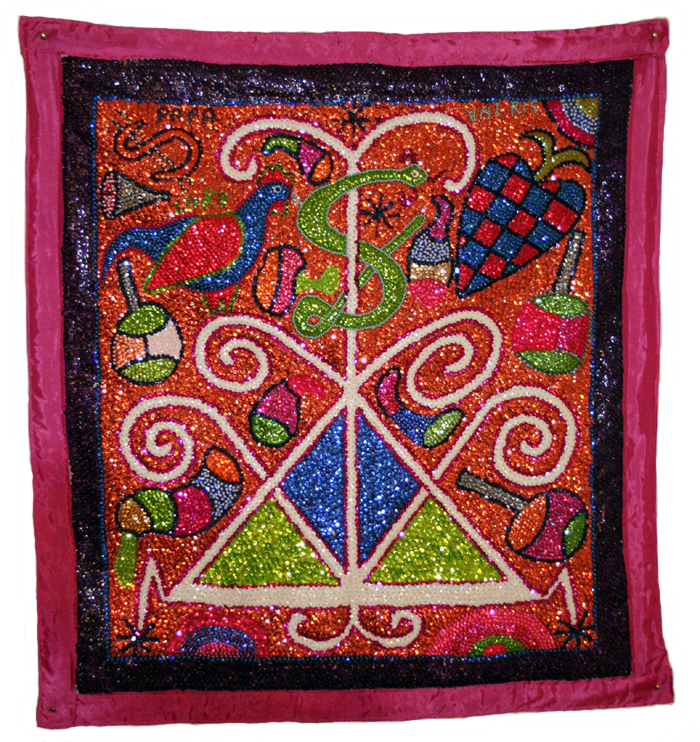
Also part of it, and being written: West African Vodun (The religion.), Ouidah (A centre of Vodun.).
More on EveryJaadu
No entries here yet. New pages are added every day.
Sources and further reading
Original text and drawings by the EveryJaadu desk, written with AI assistance and checked against the sources above. Closed or sacred detail is left out. If we have something wrong, tell us.
Photo credits on this page
The small pictures above come from Wikimedia Commons under free licences. Some are cropped to fit.
- Haitian Vodou: Sam Fentress, CC BY-SA 2.0, source