🇦🇲 Magic in Armenia
6 entries from Armenia, best known first, across 1 place of magic.
Armenian mythology blends ancient highland sun worship with Iranian and Greek influences, forming a rich pantheon of deities. After Christianization, these figures merged with biblical characters, preserving folk beliefs alongside the dominant religion.
- Sun worship was central, with Armenians calling themselves children of the sun.
- Zoroastrianism heavily influenced the pantheon, merging Iranian and Armenian gods.
- Christianization replaced pagan gods with biblical figures like John the Baptist.
- Vardavar festival originally honored the star goddess Astłik before Christian adaptation.
- Temples at Ani-Kammakh and Garni served major centers for Anahit and Mihr.
Overview
The magical and mythic traditions of Armenia rest on a layered history. Early worship centered on the sun and sky, with people calling themselves children of the sun. Over time, Iranian Zoroastrianism and Greek Hellenistic culture reshaped the local gods. This syncretism created a unique blend where Armenian deities absorbed traits from foreign ones. The resulting belief system reflects the character of the Armenian people, described as ambitious and wise. These old stories survived in folklore even after the state adopted Christianity, creating a dual layer of spiritual practice that coexists with modern religious life.
Practices and beliefs
Divination and charm work often invoked the old gods or their Christian successors. The star goddess Astłik was honored during festivals, linking celestial observation to fertility rites. Healing and protection relied on the intercession of saints who took over the roles of thunder gods and healers. Charms likely used words derived from ancient pagan rituals, now sanctified by Christian prayer. The underworld spirits, such as those in Spandaramet's realm, were feared and appeased through specific offerings to ensure safety from evil forces.
Rites and charms
Major ceremonies marked the agricultural year and celestial events. The festival of Vardavar originally honored the star goddess, involving water rituals that later adapted to Christian traditions. New Year celebrations dedicated to Amanor involved feasting and the offering of first fruits. Temples at sites like Garni hosted public sacrifices and prayers to Mihr. Private rites likely included sweeping homes and throwing salt to ward off unseen spirits, maintaining a boundary between the sacred and the profane in daily life.
Who practises
Priests served the temples of Aramazd and Anahit, overseeing public cults. Diviners interpreted omens from the stars and animal entrails, drawing on the wisdom associated with Tir. Shamans or healers may have interacted with the abyssal serpent or underworld entities for protective magic. After Christianization, monks and local priests became the primary custodians of this knowledge, blending liturgical chants with older incantations. Folk healers continued to use traditional remedies and charms, regarded as guardians of ancestral health practices.
Regions and communities
Mythological variations existed across the Armenian Highlands. Urartian regions emphasized the triad of Khaldi, Artinis, and Teisheba, reflecting local political structures. Highland communities preserved older sun worship more intensely than lowland areas influenced by Persian administration. Coastal zones showed stronger Greek identification of deities, while eastern regions retained distinct Iranian elements. These regional differences created a diverse tapestry of local beliefs, each adapting the core pantheon to its specific environment and history.
The calendar
The ritual year followed the solar cycle. Navasard marked the new year with harvest festivals. Vardavar occurred in summer, involving water play and temple visits. Winter solstice celebrations honored the sun god Arev, ensuring the return of light. Life events like birth and marriage incorporated blessings from both pagan ancestors and Christian saints. Seasonal transitions triggered specific rites to honor the land and sky, maintaining harmony with the natural world through prescribed customs.
Law and the state
Ancient laws protected temple sanctuaries and priestly privileges. Persecution began with the adoption of Christianity, leading to the destruction of temples and suppression of pagan songs. Colonial powers later viewed these practices as superstition, though they persisted in rural areas. Modern legal status varies, with some traditions recognized as cultural heritage while others remain private folk beliefs. Witch-hunts are not documented in the sources, but historical tensions between church authorities and pagan practitioners shaped the social standing of magicians.
Today
Armenian mythology survives primarily in folklore, literature, and cultural identity. Revival movements seek to reconstruct pre-Christian rituals for academic or spiritual purposes. Migration has spread these beliefs globally, adapting them to new contexts. Tourism promotes ancient sites like Garni, fostering interest in the old gods. Contemporary practitioners view these myths as a vital part of national heritage, preserving them against the erosion of modern secularism.
The facts in this overview come from the Wikipedia article "Armenian mythology", written by its contributors and used under the CC BY-SA 4.0 licence. EveryJaadu rewrote the text in its own words, with AI assistance, and compares every page with the article to make sure no passage is copied. It may be reused under the same CC BY-SA 4.0 licence with a link back.
Places of magic in Armenia
 🇪🇬 Egypt and 5 moreHermetica
A collection of ancient texts attributed to Hermes Trismegistus, covering magic, alchemy and philosophy.Text · Seeing and foretelling · Change and initiation Historical
🇪🇬 Egypt and 5 moreHermetica
A collection of ancient texts attributed to Hermes Trismegistus, covering magic, alchemy and philosophy.Text · Seeing and foretelling · Change and initiation Historical
 🇷🇺 Russia and 3 moreFirebird
A glowing bird of Slavic folklore that brings both fortune and peril to those who seek itFigure · Wonder and entertainment · Luck and prosperity Legendary
🇷🇺 Russia and 3 moreFirebird
A glowing bird of Slavic folklore that brings both fortune and peril to those who seek itFigure · Wonder and entertainment · Luck and prosperity Legendary
 🇮🇷 Iran and 2 moreDivدیو
Monstrous creatures of Persian and West Asian lore, later adapted into Islamic and regional mythologiesBeing · Cursing and harm Legendary
🇮🇷 Iran and 2 moreDivدیو
Monstrous creatures of Persian and West Asian lore, later adapted into Islamic and regional mythologiesBeing · Cursing and harm Legendary
 🇬🇪 Georgia and 2 moreGeorgian mythologyქართული მითოლოგია
The pre-Christian beliefs of the Kartvelian peoples in the South CaucasusTradition · Protection · Seeing and foretelling Historical
🇬🇪 Georgia and 2 moreGeorgian mythologyქართული მითოლოგია
The pre-Christian beliefs of the Kartvelian peoples in the South CaucasusTradition · Protection · Seeing and foretelling Historical
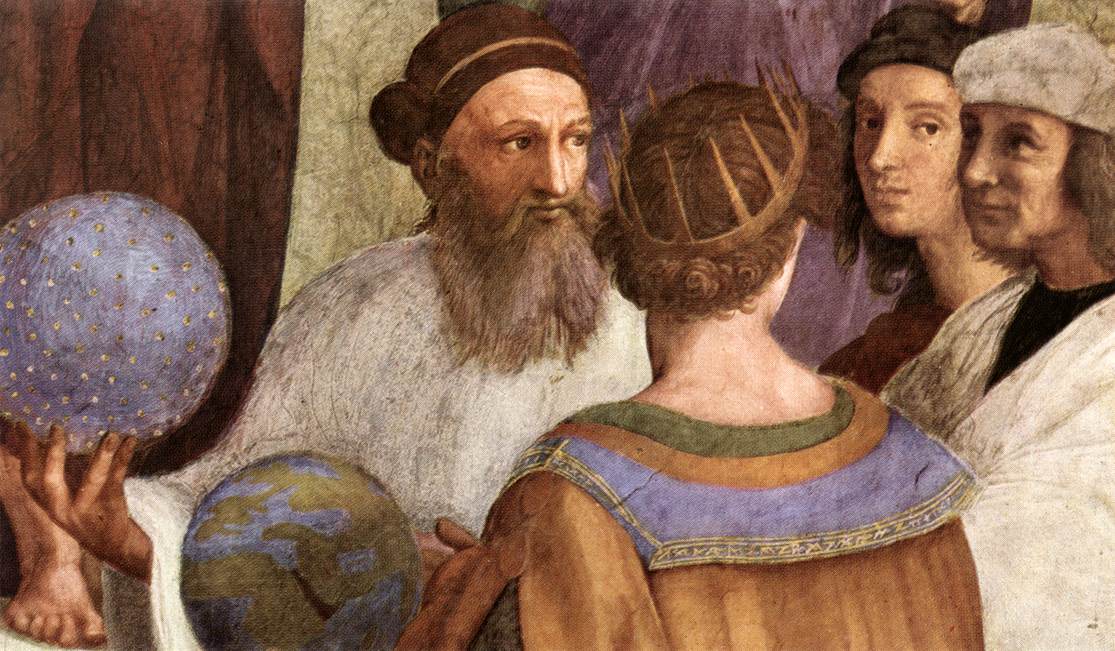 🇮🇷 Iran and 4 morePersian mythologyاسطورهشناسی ایرانی
Ancient Iranian myths of cosmic struggle between light and darknessBelief · Power and authority Historical
🇮🇷 Iran and 3 moreDaeva𐬛𐬀𐬉𐬎𐬎𐬀
A Zoroastrian entity that evolved from rejected gods to personifications of evil.Being · Cursing and harm · Power and authority Historical
🇮🇷 Iran and 4 morePersian mythologyاسطورهشناسی ایرانی
Ancient Iranian myths of cosmic struggle between light and darknessBelief · Power and authority Historical
🇮🇷 Iran and 3 moreDaeva𐬛𐬀𐬉𐬎𐬎𐬀
A Zoroastrian entity that evolved from rejected gods to personifications of evil.Being · Cursing and harm · Power and authority Historical
Photo credits on this page
The small pictures above come from Wikimedia Commons under free licences. Some are cropped to fit.
- Firebird: Philippe Giabbanelli, CC BY 3.0, source
- Heinrich Cornelius Agrippa: Jean-Louis Durant (1654-1718), Public domain, source
- Div: Unknown Calligrapher, Public domain, source
- Persian mythology: Raphael, Public domain, source
- Georgian mythology: Mostafameraji, CC BY-SA 4.0, source
The weekly digest
Every Monday: seven entries you may not know, what is on the calendar this week, and one rite drawn step by step.