Pagan and Neopagan: magic in this belief world
Ancient pagan religions, and the modern revival: Wicca, Druidry, Heathenry.
Pagan and Neopagan traditions include the religions of the ancient world, such as Greek, Roman, Norse and Celtic, which survive in fragments, and the modern revival: Wicca, Druidry, Heathenry, Hellenism and Rodnovery. Pagan was a Christian word for the non-Christian. Today many people use it for themselves. This page covers the modern and ancient strands and why they are often confused. Neopaganism is now one of the fastest-growing religious minorities in several Western countries.
Ancient and modern
Ancient pagan religions were state and household religions with temples, sacrifices, oracles and magic. They were replaced or suppressed with the spread of Christianity from the fourth century. Modern Paganism began in the twentieth century: Gerald Gardner's Wicca in the 1950s, Druid orders from the eighteenth century, and Heathen groups in Iceland, Scandinavia and North America. They are new religions drawing on old sources. Ancient religions in Greece, Rome and Egypt had priesthoods and temples, and oracles such as Delphi and Siwa drew visitors from far away.
A contested past
Margaret Murray's 1921 claim that witch trials hit a surviving pagan religion shaped the early movement, and was later rejected by historians such as Norman Cohn and Ronald Hutton. Modern Pagans now often accept their traditions as created and revived, and speak of inspiration. Some Heathen groups have been linked to racist movements, which most Heathens condemn. Wicca is a religion with initiation, a god and goddess and a yearly cycle of eight festivals, while Druidry, Heathenry and others have their own forms.
Gender, law and community
Wicca and Goddess movements gave women priestly roles, and many covens are led by women. Pagans have faced discrimination and moral panics, including the Satanic panic of the 1980s. In Britain, the last Witchcraft Act was replaced in 1951. In Iceland the Asatru Fellowship has been recognised since 1973. Pagan chaplains now serve in prisons and the armed forces in some countries. Many Pagans see themselves as part of an environmental and feminist movement, and others focus on ancestral heritage.
Commerce and ethics
Pagan books, tarot, crystals and festivals are a large market. Wicca borrows from many cultures, which raises questions of appropriation, and some Pagans work to credit sources. Scholars call the field a case study in how religion is invented. Pagans themselves often say that what matters is practice and community. Scholars regard Paganism as part of the religious landscape and no longer as a curiosity, and Pagan studies has become an academic field.
Pagan and Neopagan on EveryJaadu
The entries written up so far, best known first.
 🇸🇪 Sweden and 1 moreTroll crosstrollkors
A carved or bent iron sigil used in Sweden and Norway to ward off harmful magic and creatures.Charm · Protection Revived
 🇮🇹 ItalyTredesin de Mars
A Milanese spring celebration marked by a flower fair and a legendary stoneTradition · Luck and prosperity · Wonder and entertainment Historical
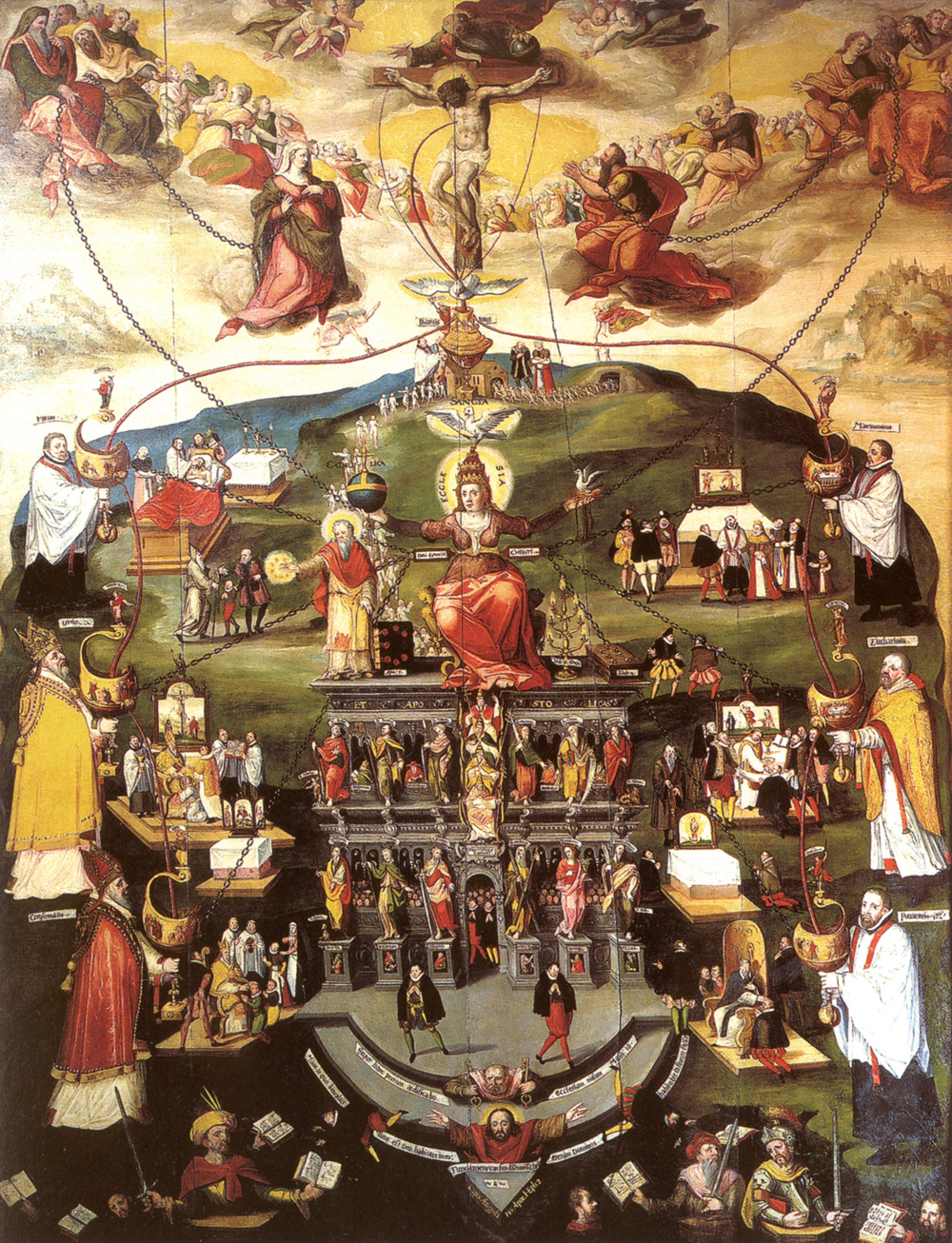 🇬🇷 GreeceSacred mysteriesμυστήριον
Secret ceremonies and divine doctrines held to exceed human reasonBelief · Speaking with spirits and the dead · Change and initiation Living
 🇮🇸 IcelandSurtrSurtur
A fire giant of Norse myth who guards a burning realm and ends the worldBeing · Cursing and harm Legendary
 🇮🇹 ItalyShe-wolf (Roman mythology)lupa
The mythical wolf that nursed Rome's founders and became the city's enduring symbolFigure · Power and authority Historical
🇺🇸 United StatesGeorgian Wicca
A neopagan tradition founded in California that follows British Traditional Wicca practices without its English lineage.Tradition · Power and authority · Speaking with spirits and the dead Living
 🇬🇷 GreeceAloadaeἈλωάδαι (Aloadai)
Twin giants of Thessaly who challenged the gods and built mountains to reach Olympus.Being Legendary
 🇬🇷 GreeceAkanthos curse tablet
A lead tablet from Macedonia carrying a man's spell to draw two people to himCharm · Binding and oaths · Love and attraction Historical
 🇹🇷 Turkey and 1 moreMidasΜίδας
A Phrygian king from Greek myth who gained a golden touch and donkey earsFigure · Luck and prosperity · Cursing and harm Legendary
🇺🇸 United StatesPanthean Temple
A Wiccan and Pagan church in Connecticut and host of a large Beltaine festivalTradition · Speaking with spirits and the dead · Change and initiation Living
 🇬🇧 United KingdomGreen Man
A leaf-clad figure of English pageants, and the carved heads in churchesFigure · Love and attraction Living
 🇬🇷 GreeceMoiraiΜοίρες
Greek personifications of destiny who spin, measure, and cut the thread of life.Being · Power and authority Historical
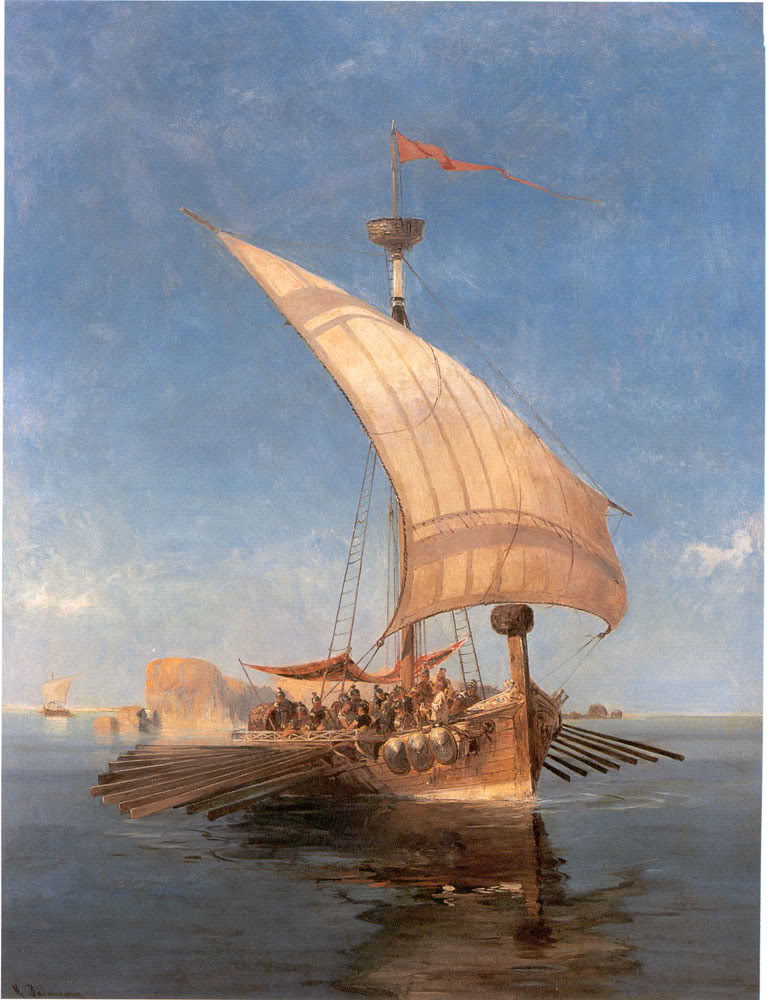 🇬🇷 GreeceArgoἈργώ
The mythic ship of Jason and the Argonauts, built with divine aid for a quest across the sea.Being · Power and authority Legendary
 🇫🇷 FranceLou DrapéLo drapet
A legendary white horse from southern France that abducts wandering children.Figure · Cursing and harm · Protection Historical
 🇬🇷 GreeceNebrisνεβρίς
A fawn skin worn by Dionysus and his followers in ancient GreeceCharm · Protection Historical
 🇦🇲 Armenia and 3 moreNardoqanНартуған
A Turkic winter solstice celebration marking the birth of the sunTradition · Wonder and entertainment Revived
🇮🇹 ItalyVegoiaVecu
An Etruscan prophet credited with sacred books and land boundariesFigure · Seeing and foretelling · Power and authority Legendary
🇺🇸 United States and 5 moreReligious discrimination against modern pagans
Persecution and bias faced by contemporary pagan communities across multiple nationsBelief Living
 🇬🇷 Greece and 1 moreScyllaΣκύλλα
A sea monster from Greek tales who guards a perilous passage and devours sailors.Being · Cursing and harm Legendary
 🇬🇷 GreeceHarpyἅρπυια (hárpyia)
Half-human, half-bird creatures from Greek and Roman myth, often seen as storm winds or snatchers of food.Being · Cursing and harm · Wonder and entertainment Legendary
🇬🇷 GreeceIatromantis
A Greek word for a healer who also saw what others could notFigure · Healing · Seeing and foretelling Historical
🇸🇾 SyriaAscusἌσκος
A Greek giant flayed by Hermes after chaining DionysusBeing Legendary
🇬🇷 GreecePolemosΠόλεμος
A Greek spirit of war and the personification of conflictBeing · Cursing and harm Legendary
 🇬🇷 GreeceLabrysλάβρυς
A double-headed axe from ancient Crete, now a symbol of lesbian feminism and neo-paganismCharm · Power and authority · Protection Living
🇪🇬 EgyptSoul Collector
A mythical figure said to gather, guide, or judge the spirits of those who have passed away.Being · Speaking with spirits and the dead Legendary
 🇬🇷 GreeceCentaurideΚενταυρίδε (Kentauride)
A female centaur from Greek mythology, depicted in art and literature as a hybrid of woman and horse.Being · Wonder and entertainment Legendary
 🇬🇷 GreeceNymphνύμφη
A nature spirit from Greek myth, tied to specific places like springs or trees, often seen as a maiden.Being · Healing · Seeing and foretelling Historical
 🇬🇷 GreecePrometheusΠρομηθεύς
A Titan who took fire for humans and paid for itFigure · Speaking with spirits and the dead Legendary
 🇮🇶 IraqWinged genie
Winged guardians of Assyrian palace walls, read as the apkallu sagesBeing · Protection · Luck and prosperity Legendary
 🇮🇹 ItalyFascinusfascinum
A Roman phallus image and charm, kept to turn away envyBeing · Protection · Luck and prosperity Historical
 🇬🇧 United Kingdom and 1 moreSkyclad
Naked ritual practice in Wicca and Modern PaganismRite · Speaking with spirits and the dead · Power and authority Living
 🇬🇷 GreeceOmphalos of Delphi
A marble stone marking the center of the world in ancient Greek myth and oracle practice.Charm · Power and authority Historical
🇩🇪 GermanyGerman Faith MovementDeutsche Glaubensbewegung
A Nazi-era religious movement seeking to replace Christianity with Germanic paganism and state ideology.Tradition · Power and authority Historical
 🇬🇷 Greece and 1 moreCaduceus
A herald's staff entwined with two serpents and wings, linked to commerce and peace.Charm · Luck and prosperity · Speaking with spirits and the dead Historical
 🇬🇧 United Kingdom and 2 moreOrder of Nine Angles
A British Satanic network linked to neo-Nazism and violent extremismTradition · Cursing and harm · Power and authority Living
🇬🇧 United Kingdom and 3 moreOdinic Rite
A UK-based Heathen group that restricts membership to people of European ancestry.Tradition · Power and authority Living
🇺🇸 United StatesSeax-Wica
A neopagan tradition blending Wiccan ritual with Anglo-Saxon symbolism and self-initiationTradition · Speaking with spirits and the dead · Power and authority Living
🇺🇸 United StatesBlue Star Wicca
A US-based Wiccan path using a seven-point star and musical ritual.Tradition · Speaking with spirits and the dead · Change and initiation Living
🇮🇸 IcelandSowilo
The s-rune representing the sun in Germanic writing systemsText · Power and authority Historical
 🇫🇷 France and 1 moreSebile
A medieval enchantress who evolved from a classical prophetess into an Arthurian fairy queenFigure · Love and attraction · Cursing and harm Legendary
 🇮🇪 IrelandBoannBoand
Irish goddess of the River Boyne, mother of Aengus in the old talesFigure · Protection Legendary
🇩🇪 GermanyThule SocietyThule-Gesellschaft
A German occult group that sponsored the early Nazi party and promoted racial mysticism.Tradition · Cursing and harm · Power and authority Historical
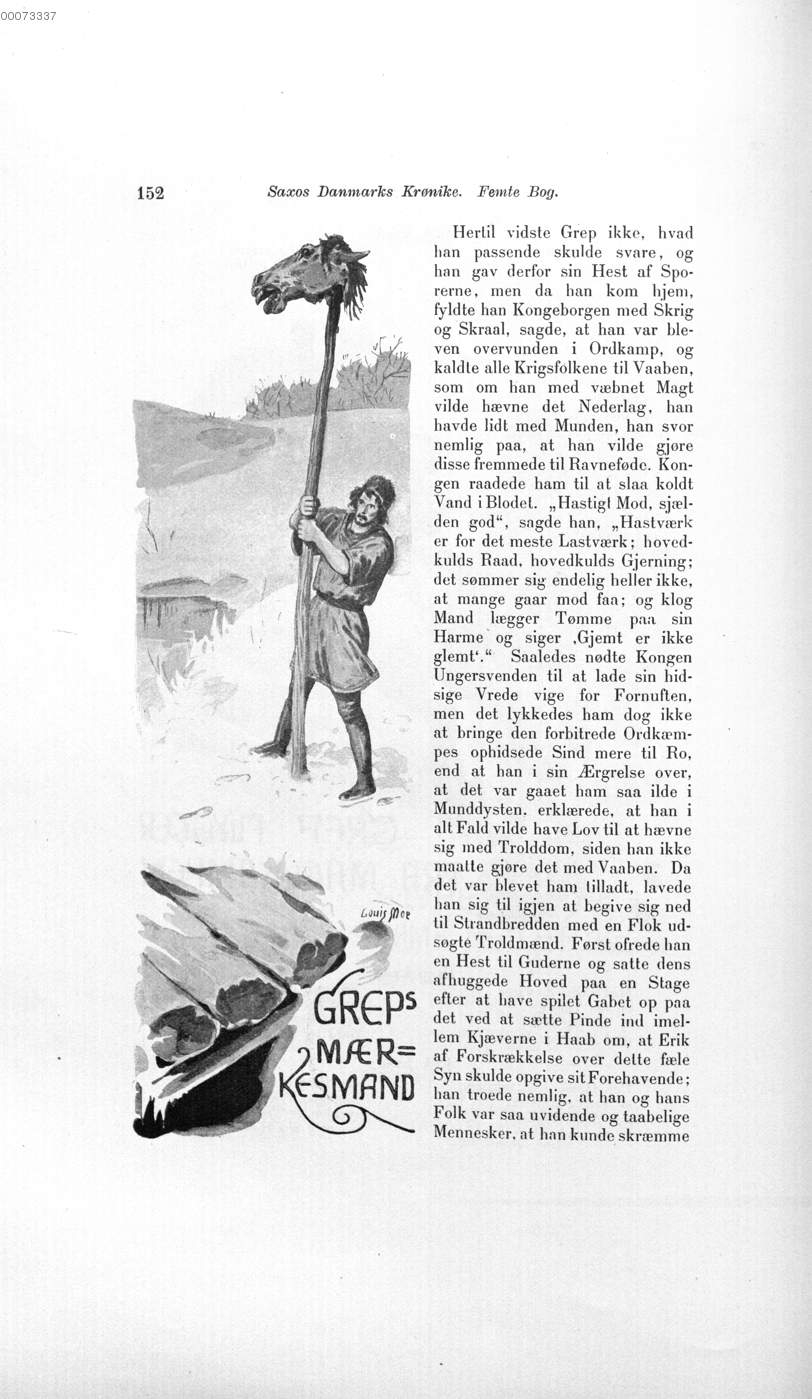 🇮🇸 Iceland and 1 moreNithing poleníðstǫng
A curse pole from Norse tradition used to shame or harm an enemyRite · Cursing and harm Living
🇸🇪 SwedenHeiðr
A Norse name meaning bright or honour, worn by seeresses and warriorsFigure Legendary
 🇮🇸 Iceland and 3 moreElf
A supernatural person of Germanic lore, linked to illness, beauty and magicBeing · Cursing and harm Legendary
🇨🇦 Canada and 1 moreOdyssean Wicca
A Canadian Wiccan tradition focused on public priesthood and rigorous training.Tradition · Speaking with spirits and the dead · Power and authority Living
🇬🇷 GreeceMormoΜορμώ
A Greek bogey whose name adults spoke to frighten childrenBeing Legendary
 🇬🇷 GreecePasiphaëΠασιφάη
A Cretan queen and solar goddess cursed with lust for a bull, mother of the MinotaurFigure · Wonder and entertainment Legendary
Photo credits on this page
The small pictures above come from Wikimedia Commons under free licences. Some are cropped to fit.
- Wolves in folklore, religion and mythology: Unknown author, CC0, source
- Troll cross: Unknown author, Public domain, source
- Tredesin de Mars: A ntv, Public domain, source
- Sacred mysteries: Johannes Hopffe, Public domain, source
- Surtr: Friedrich Wilhelm Heine (1845-1921) after an original by Friedrich Wil, Public domain, source
- Aloadae: No machine-readable author provided. Antars~commonswiki assumed (based, Public domain, source
- Akanthos curse tablet: CNG Coins, CC BY-SA 3.0, source
- Midas: The Midas Painter, CC BY-SA 4.0, source
- Green Man: Unknown author, CC BY-SA 3.0, source
- Moirai: John Melhuish Strudwick, Public domain, source
- Argo: Konstantinos Volanakis, Public domain, source
- Lou Drapé: Morburre, CC BY-SA 3.0, source
- Nebris: Brygos Painter, Public domain, source
- Nardoqan: Ollios, CC BY-SA 4.0, source
- Scylla: Unknown artist, Public domain, source
- Harpy: Unknown, near the Tyrrhenian Group?, CC BY-SA 2.0, source
- Apollo: Wolfgang Sauber, CC BY-SA 3.0, source
- Centauride: John La Farge, Public domain, source
- Nymph: Unknown author, Public domain, source
- Prometheus: No machine-readable author provided. Atoma assumed (based on copyright, Public domain, source
- Winged genie: James Spurrier, CC BY-SA 2.0, source
- Fascinus: Vassil, Public domain, source
- Skyclad: Luis Ricardo Falero, Public domain, source
- Omphalos of Delphi: Yucatan ( Юкатан ), CC BY-SA 3.0, source
- Caduceus: Providence Painter, Public domain, source
- Order of Nine Angles: Unknown author, CC BY 4.0, source
- Sebile: tony_57, CC BY 3.0, source
- Boann: Yvonne Ní Mhuiregán, CC BY-SA 4.0, source
- Nithing pole: r Saxo Gramaticus; tr. (Danish) Frederik Winkel Horn; illus. Louis Moe, Public domain, source
- Elf: Martin Brandenburg, Public domain, source
- Pasiphaë: ArchaiOptix, CC BY-SA 4.0, source