Witches, sorcerers and cunning folk
Those a community names as workers of magic, whether feared, consulted or both.
Witches, sorcerers and cunning folk are those a community names as workers of magic. The word can be an accusation, a self-description or a job. In Europe, the cunning folk were paid to find stolen goods and lift bewitchment. In Africa, the witch is often a figure of fear. In modern Wicca, witch is a religious identity. This page covers who is called a witch, who accepts the name, and what the label has cost.
Many meanings
The word covers different people. The Azande distinguished witchcraft, an innate harmful power, from sorcery, an act that uses medicines. The Navajo speak of skinwalkers, a belief the community regards as sensitive. In Europe, cunning folk were respected helpers, while the witch of the trials was a heretic by definition. In modern Britain and America, many people proudly call themselves witches. It is a word that changes meaning with the speaker, and the history of the word is a history of suspicion, fear and, lately, pride.
The persecuted
Between about 1450 and 1750, trials in Europe and its colonies killed tens of thousands, mostly women, including at Salem in 1692. Accusations persist: in parts of Africa, India, Papua New Guinea and Saudi Arabia, people are beaten, banished or killed as witches. Older women, widows, children, disabled people and albino people are among the most at risk. Hunts often follow illness, drought or a death. Many of the accused confessed under torture, and historians treat such confessions with caution.
Gender, class and the state
Accusation tends to fall on the poor and the isolated. States respond differently: Ghana's camps for accused women hold hundreds of people, and Tanzania still has a Witchcraft Act from the colonial period. Colonial administrations criminalised accusation in some places and the practice in others. In India, several states have passed laws against witch-hunting. Class counted, since wealthy people accused of witchcraft in Europe could often buy delay, while poor women had less chance of acquittal.
Revival and fantasy
In the twentieth century, writers such as Margaret Murray argued that witches were survivors of a pagan religion, a thesis that historians have since rejected. The idea nonetheless inspired Gerald Gardner and modern Wicca, which dates from the 1950s. Today the witch is also a figure in fashion, social media and publishing, where commercial use is widespread. Many Pagans and witches now push back against the commercial image, saying that a real practice is private and ethical.
Witches, sorcerers and cunning folk on EveryJaadu
The entries written up so far, best known first.
 🇮🇳 IndiaLeft-Hand and Right-Hand Paths
Two distinct orientations in occult magic, dividing taboo-breaking from orthodoxy.Tradition · Change and initiation · Power and authority Living
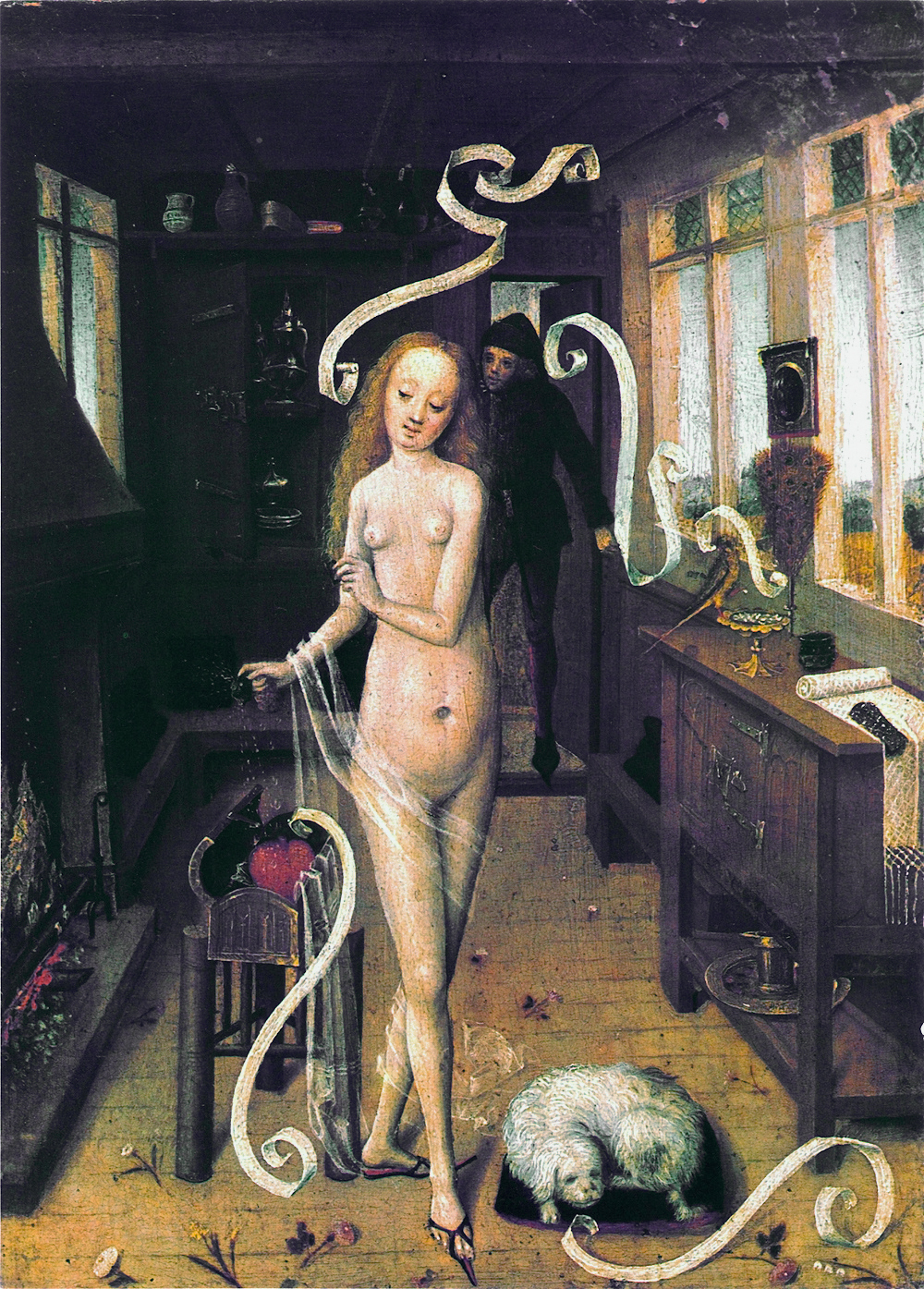 🇮🇶 Iraq and 5 moreLove magic
Rituals and spells used to attract, preserve, or end romantic relationships across many cultures.Tradition · Love and attraction · Cursing and harm Historical
 🇸🇳 Senegal and 5 morePentagramπεντάγραμμον
A five-pointed star figure used across history for protection, ritual, and cosmologyCharm · Protection · Binding and oaths Living
 🇸🇪 Sweden and 2 moreGermanic seeressvǫlva
Diviners and sorceresses of early Germanic and Norse societyTradition · Seeing and foretelling · Power and authority Revived
 🇨🇭 SwitzerlandMagic circle
A ritual boundary drawn or visualised to create sacred space and protectionTradition · Protection · Speaking with spirits and the dead Living
 🇮🇹 Italy and 5 moreEuropean witchcraft
Historical beliefs in harmful magic and the resulting trials across EuropeBelief · Cursing and harm · Protection Historical
 🇮🇳 India and 5 moreAsian witchcraft
A broad overview of magical practices and persecution across Asian culturesTradition · Cursing and harm · Protection Living
🇬🇧 United Kingdom and 1 moreNeopagan witchcraft
Modern pagan traditions that practice magic and draw on historical witch beliefs.Tradition · Protection · Healing Living
 🇬🇧 United Kingdom and 1 moreMagic in Anglo-Saxon Englandgaldorcræft
Healing charms and protective rituals practiced by early English tribesTradition · Healing · Protection Historical
🇮🇪 IrelandFellowship of Isis𓊨𓏏𓁐𓌞𓋴𓅱𓂻𓏥
An international spiritual fellowship honouring the Divine Feminine and the goddess IsisTradition · Speaking with spirits and the dead · Change and initiation Living
🇺🇸 United States and 1 moreUniversal Eclectic Wicca
An American Wiccan tradition with online covens and a shared ethical coreTradition Living
🇺🇸 United StatesPanthean Temple
A Wiccan and Pagan church in Connecticut and host of a large Beltaine festivalTradition · Speaking with spirits and the dead · Change and initiation Living
🇮🇹 ItalyWitchcraft in Italy
Inquisition trials, a fertility cult and love magic in early modern ItalyTradition · Protection · Healing Living
 🇺🇸 United StatesEtsy witches
Online practitioners selling spells and charms through digital marketplacesTradition · Luck and prosperity · Love and attraction Living
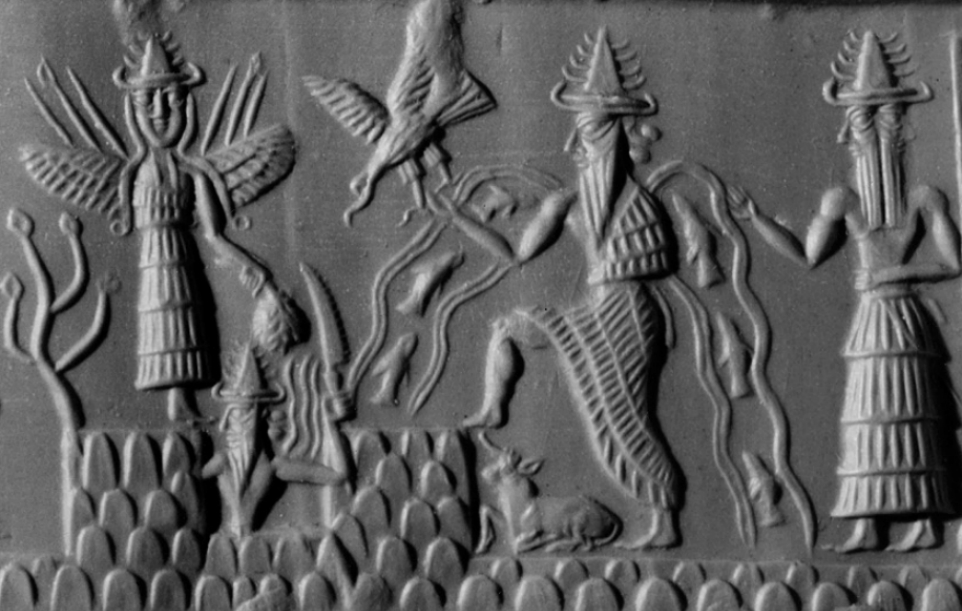 🇺🇸 United StatesJoy of Satan Ministries
An occult movement combining theistic Satanism with esoteric and extraterrestrial loreTradition · Power and authority · Speaking with spirits and the dead Living
🇧🇧 Barbados and 2 moreObeah and Wanga
A Caribbean folk magic tradition and a Haitian charm packet, referenced in Western occult texts.Tradition · Power and authority · Cursing and harm Living
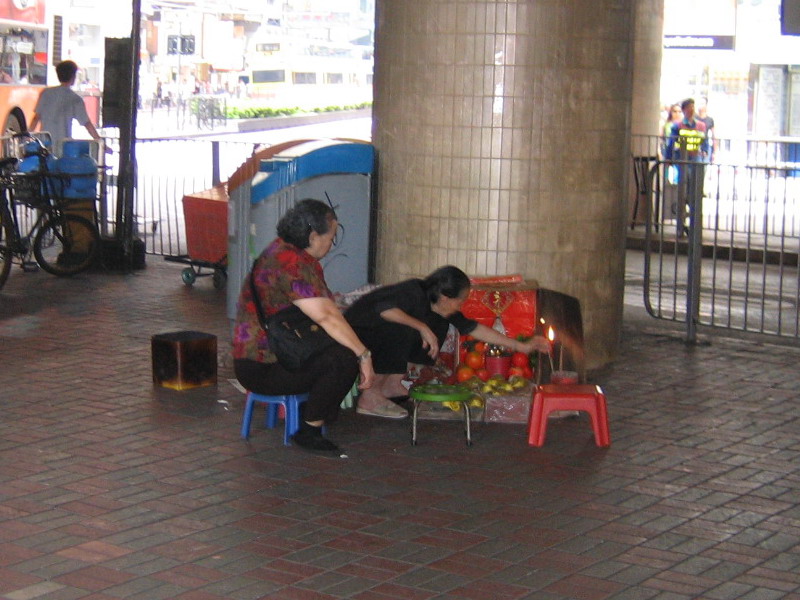 🇨🇳 China and 1 moreVillain hitting打小人
A Cantonese rite that strikes paper effigies with a shoe to ward off enemiesTradition · Cursing and harm · Protection Living
 🇬🇧 United KingdomWitchcraft in early modern Walesdewiniaeth
A historical look at the rare witch trials and executions in Wales from the 1500s to the 1700sBelief · Cursing and harm · Protection Historical
🇺🇸 United States and 1 moreWiccan church
Churches North American Wiccans form by joining covens togetherTradition Living
Photo credits on this page
The small pictures above come from Wikimedia Commons under free licences. Some are cropped to fit.
- Germanic seeress: Emil Doepler, Public domain, source
- Love magic: Kölner Meister [ 1 ] The artist is an unknown lower Rhenish artist. [, Public domain, source
- Etsy witches: Таролог Альбина, CC BY-SA 4.0, source
- European witchcraft: Unknown author, CC BY 4.0, source
- Asian witchcraft: Utagawa Kuniyoshi, Public domain, source
- Baphomet: Eliphas Levi, Public domain, source
- Joy of Satan Ministries: Unknown author, Public domain, source
- Bald's Leechbook: Unknown, the Internet Archive scan is low quality, and some of the tex, Public domain, source
- Pentagram: Tomruen, Attribution, source
- Villain hitting: No machine-readable author provided. Underbar dk assumed (based on cop, CC BY-SA 3.0, source
- Witchcraft in early modern Wales: Joan Blaeu / Joan Blaeu, Public domain, source
- Witch: John William Waterhouse, Public domain, source