Scholars and sceptics
Anthropologists, historians and investigators who study magic and test its claims.
Scholars and sceptics are the people who study magic from outside the practice: anthropologists, historians, folklorists, psychologists, scholars of religion and investigators who test claims. They have names such as E. E. Evans-Pritchard, Marcel Mauss, Bronislaw Malinowski, Mary Douglas, Keith Thomas and Carlo Ginzburg, and also investigators such as James Randi. This page covers what they have found, how they disagree, and what their work has cost and changed. Their work has changed how the whole subject is understood.
Early theories
Nineteenth-century writers such as James Frazer treated magic as a mistaken early science, a view now widely rejected as arrogant and inaccurate. Later anthropologists, including Evans-Pritchard in his 1937 study of the Azande, showed that magical belief can be a consistent way of reasoning about misfortune. Mauss and Malinowski stressed its social role. Fieldwork, archives, laboratory studies and surveys are their main methods, and each field has its own debates and schools.
The history of witch trials
Historians have revised their view of the witch trials. Keith Thomas and Alan Macfarlane studied English village accusations, Carlo Ginzburg found the benandanti in Friuli, and Ronald Hutton has argued about the numbers and causes, and Silvia Federici links the persecution to the rise of capitalism, a thesis historians dispute. The older figure of nine million victims has been dropped, and estimates now run to tens of thousands of executions.
Testing claims
Sceptics test whether claims hold up. James Randi offered a prize for evidence of paranormal power that was never won, and organisations such as the Committee for Skeptical Inquiry investigate fraud. Researchers study why people believe: pattern-seeking, uncertainty and the wish to control events. The best sceptics aim to understand people, not to mock them. Sceptics hold that claims should be tested, and they have a long record of exposing cases such as spirit photography and fake healers.
Ethics of study
Scholars were often colonial officials or missionaries, and their reports shaped how Indigenous religions were named. Contemporary researchers work with communities, ask consent and respect closed knowledge. Practitioners sometimes object to being explained, and sceptics sometimes to being called closed-minded. The conversation continues, and this guide aims to stay neutral on whether magic works. Their critics reply that science cannot measure everything that matters to a community, and that explaining a ritual away is not the same as understanding it.
Scholars and sceptics on EveryJaadu
The entries written up so far, best known first.
 🇫🇷 FranceThree Books of Occult PhilosophyDe occulta philosophia libri III
A Renaissance treatise on elemental, celestial, and divine magic by Heinrich Cornelius AgrippaText · Healing · Protection Historical
🇫🇷 France and 3 moreChristian Kabbalah
A Renaissance effort to read Christian theology into Jewish mysticismTradition · Speaking with spirits and the dead · Cursing and harm Historical
 🇮🇹 ItalyMarsilio Ficino
A Renaissance priest and philosopher who revived Plato and blended astrology with Christian theology.Text · Speaking with spirits and the dead · Healing Historical
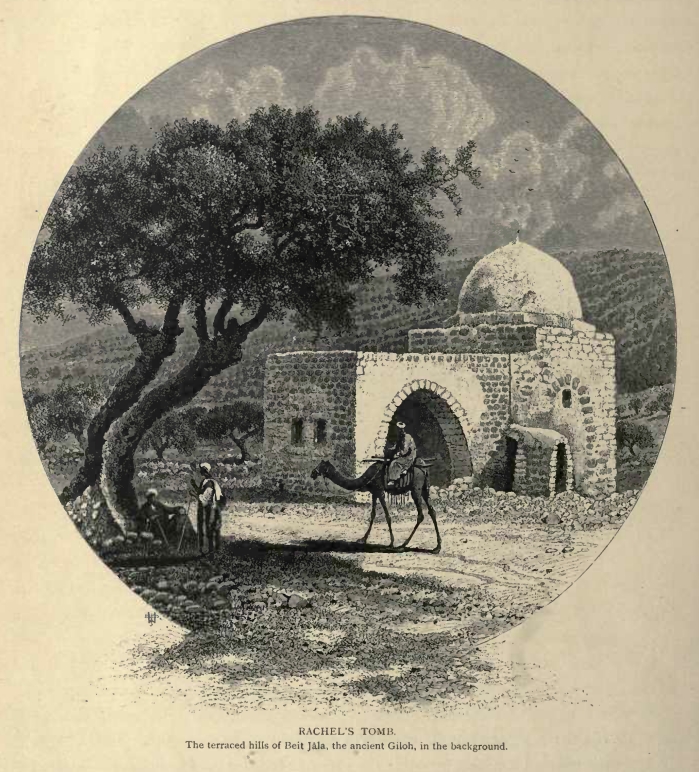 🇵🇸 Palestine and 1 moreRachel's TombQever Raḥel / Qabr Rāḥīl
A shared holy site in Bethlehem revered by Jews, Christians, and Muslims.Tradition · Speaking with spirits and the dead · Protection Living
 🇸🇪 Sweden and 4 moreEmanuel Swedenborg
An 18th-century Swedish scientist who became a mystic and claimed to visit the afterlife.Text · Speaking with spirits and the dead · Change and initiation Living
 🇪🇬 Egypt and 2 moreSibylline Oracles
A collection of prophetic verses blending pagan myth with Jewish and Christian theologyText · Seeing and foretelling · Speaking with spirits and the dead Historical
 🇮🇱 Israel and 5 moreTetragrammatonיהוה
The four-letter Hebrew name of God in the Bible, treated with reverence and silence by Jewish tradition.Text · Speaking with spirits and the dead Living
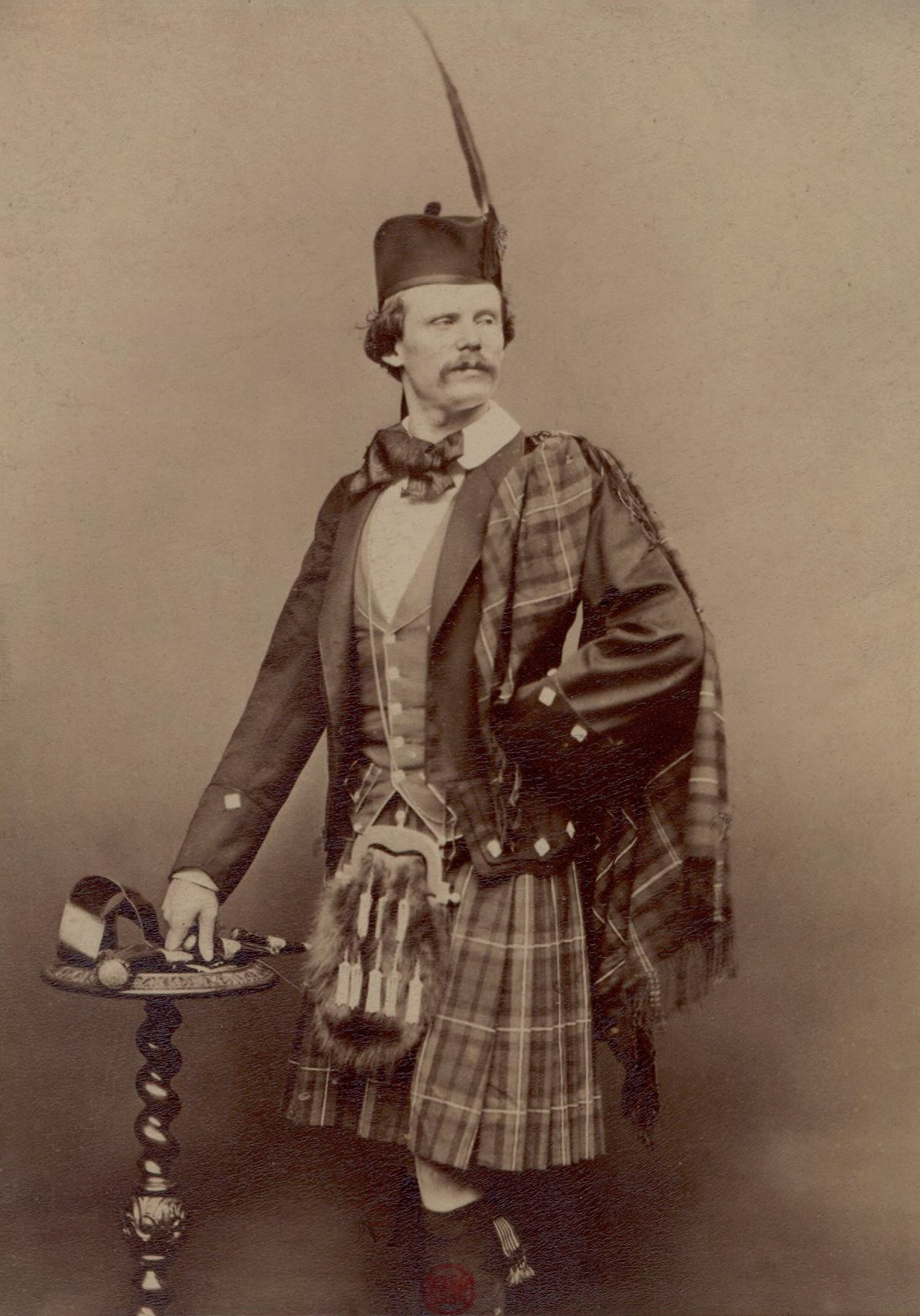 🇬🇧 United Kingdom and 2 moreDaniel Dunglas Home
A Scottish physical medium known for levitation and spirit communication during the Victorian era.Belief · Speaking with spirits and the dead · Wonder and entertainment Historical
 🇷🇸 Serbia and 3 moreSerbian folkloreСрпски фолклор
The folk traditions and epic poetry of the Serbs, blending pre-Christian customs with Orthodox faith.Tradition · Speaking with spirits and the dead · Power and authority Living
 🇸🇳 Senegal and 5 morePentagramπεντάγραμμον
A five-pointed star figure used across history for protection, ritual, and cosmologyCharm · Protection · Binding and oaths Living
 🇬🇧 United Kingdom and 1 moreJohn Dee
An English scholar and advisor to Elizabeth I who pursued angelic communication through scrying.Tradition · Speaking with spirits and the dead · Seeing and foretelling Historical
 🇬🇧 United KingdomEnglish folklore
The myths, legends, and customs of England passed down through generations.Tradition · Protection · Cursing and harm Living
 🇮🇪 Ireland and 5 moreHoly well
A water source revered for healing and ritual across pagan and Christian traditionsTradition · Healing · Speaking with spirits and the dead Living
 🇫🇷 France and 5 moreKardecist SpiritismSpiritisme
A French spiritualist doctrine based on communication with spirits and reincarnation.Tradition · Speaking with spirits and the dead · Protection Living
 🇮🇹 Italy and 3 moreRenaissance magic
A 15th and 16th century revival of magical arts blending philosophy, astrology, and hidden knowledge.Tradition · Power and authority · Seeing and foretelling Historical
 🇪🇬 EgyptDemon
A supernatural entity believed to cause harm or possess humansBeing · Cursing and harm · Speaking with spirits and the dead Historical
 🇮🇳 India and 3 moreSpirit
An invisible force or soul found in many cultures, linked to gods, humans, and nature.Being · Speaking with spirits and the dead · Power and authority Living
 🇮🇹 ItalyArcheosofica
A school of esoteric Christianity founded in Rome that teaches ascetic disciplines and magical theory.Tradition · Power and authority · Speaking with spirits and the dead Living
 🇮🇱 Israel and 4 moreAngelמלאך
A supernatural messenger or intermediary spirit found in many religious traditions.Being · Speaking with spirits and the dead · Protection Living
 🇮🇱 IsraelSeraphשָׂרָף
Six-winged heavenly beings who chant 'holy, holy, holy' at God's throneBeing · Speaking with spirits and the dead · Cleansing and purification Living
🇮🇱 Israel and 2 moreBiblical numerology
A system of interpreting numbers in sacred texts as carrying symbolic meaning beyond their mathematical valueBelief · Speaking with spirits and the dead Historical
 🇮🇱 Israel and 1 moreTree of life vision
A symbolic prophecy in the Book of Mormon about salvation and spiritual perilBelief · Protection · Healing Living
 🇮🇷 Iran and 5 moreAxis mundi
A concept describing a central point connecting the earthly and heavenly realms.Belief · Speaking with spirits and the dead · Power and authority Historical
 🇬🇧 United Kingdom and 4 moreSpiritualism
A metaphysical belief that spirits communicate with the living through mediums.Belief · Speaking with spirits and the dead Living
 🇫🇷 FranceLoudun possessionsaffaire des possédées de Loudun
A 17th-century witchcraft trial in France involving alleged demonic possession by Ursuline nuns.Belief · Cursing and harm · Speaking with spirits and the dead Historical
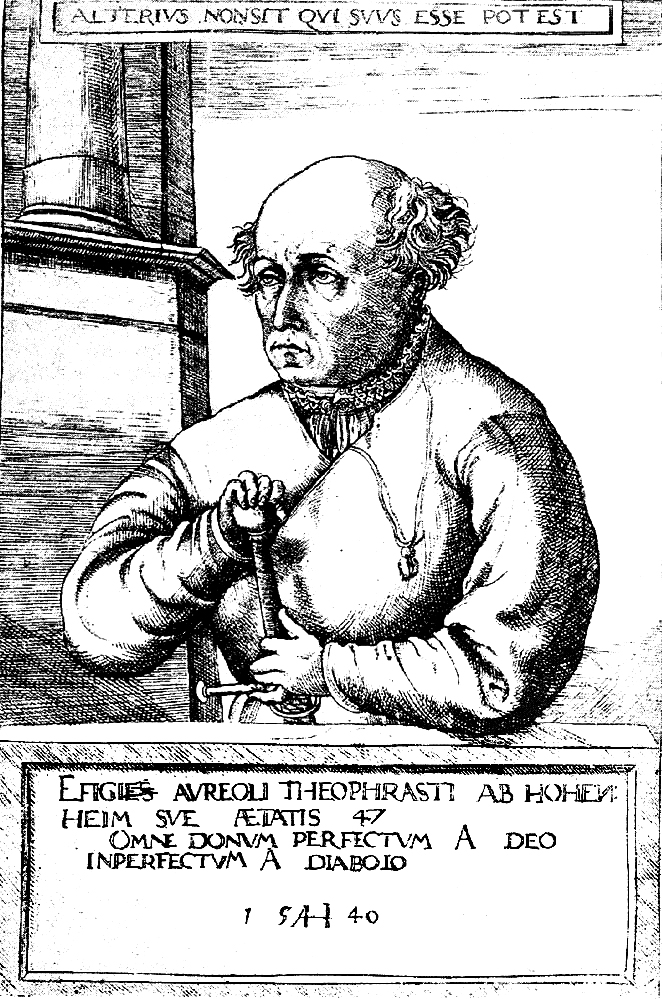 🇨🇭 SwitzerlandA Book on Nymphs, Sylphs, Pygmies, and Salamanders, and on the Other SpiritsEx Libro de Nymphis, Sylvanis, Pygmaeis, Salamandris et Gigantibus, etc
Paracelsus's late treatise on the spirits of the four classical elementsText · Speaking with spirits and the dead · Seeing and foretelling Historical
 🇮🇱 Israel and 1 moreUnclean spiritπνεῦμα ἀκάθαρτον (pneuma akatharton)
A spirit of impurity in biblical belief, driven out by breath, smoke and wordsBeing · Cleansing and purification · Cursing and harm Living
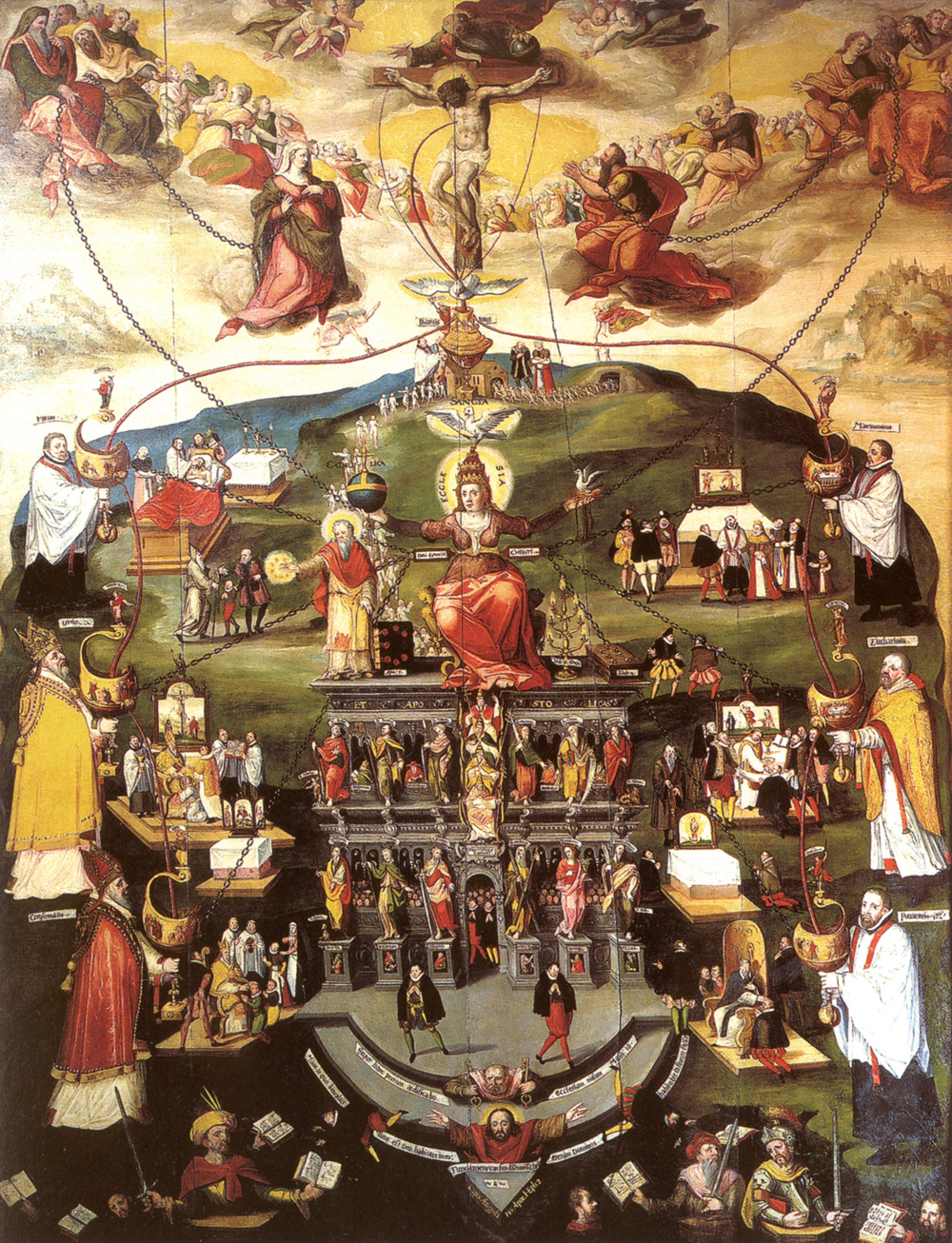 🇬🇷 GreeceSacred mysteriesμυστήριον
Secret ceremonies and divine doctrines held to exceed human reasonBelief · Speaking with spirits and the dead · Change and initiation Living
Photo credits on this page
The small pictures above come from Wikimedia Commons under free licences. Some are cropped to fit.
- Three Books of Occult Philosophy: Heinrich Cornelius Agrippa, Public domain, source
- Spiritualism: Internet Archive Book Images, No restrictions, source
- Renaissance magic: Unknown author, Public domain, source
- Marsilio Ficino: Marsilio Ficino, Public domain, source
- Rachel's Tomb: Lane-Poole, Stanley, Public domain, source
- Emanuel Swedenborg: Carl Frederik von Breda, Public domain, source
- Sibylline Oracles: Domenichino, Public domain, source
- Seraph: Pietro Perugino, CC BY 2.0, source
- Tetragrammaton: Lakisletter.gif : derivative work: Filii Henoch ( talk ), Public domain, source
- Tree of life vision: David Hyrum Smith, Public domain, source
- Axis mundi: Unknown author, Public domain, source
- Daniel Dunglas Home: Nadar, Public domain, source
- A Book on Nymphs, Sylphs, Pygmies, and Salamanders, and on the Other Spirits: A.Hirschvogel, Public domain, source
- Unclean spirit: David Shankbone, CC BY-SA 3.0, source
- Serbian folklore: Uroš Predić, Public domain, source
- Archeosofica: Unknown author, Public domain, source
- Natural magic: Unidentified painter, Public domain, source
- Demon: Martin Schongauer, Public domain, source
- Spirit: Jastrow, Public domain, source
- Angel: Unknown author, CC0, source
- Pentagram: Tomruen, Attribution, source
- Loudun possessions: Unknown author, Public domain, source
- Sacred mysteries: Johannes Hopffe, Public domain, source
- English folklore: J. R. Skelton, Public domain, source
- Holy well: The Speckled Bird, CC BY-SA 4.0, source
- Kardecist Spiritism: Coprosme, CC BY-SA 4.0, source