Journeys and voyages: practices that mark them
Charms for the road, the sea and the pilgrimage.
Journeys and voyages call for charms because the road is uncertain. Pilgrims, sailors, traders and migrants have long carried protective things: the St Christopher medal, the Japanese omamori for traffic safety, the hamsa on a truck, the Tibetan prayer flag on a mountain pass, the Hindu pilgrim's thread, the Muslim hajji's ihram, and the sailor's tattoo. This page looks at the customs of the road and what they say about risk.
Leaving and returning
Customs mark departure and return. Families in India and Southeast Asia bless travellers with a mark or a sweet, and in Russia people sit quietly before a trip. Prayers and offerings are made at shrines on mountain passes, with stone cairns and flags in Tibet and Mongolia. Returning travellers are welcomed and sometimes cleansed. Travellers in every age have asked a blessing from a priest, a saint or an elder, and families have kept a lamp lit at home until the traveller's return.
Pilgrimage
Pilgrimage joins the journey with the sacred. Hajj to Mecca, the Camino to Santiago, the Hindu yatra to Varanasi, Shikoku's 88 temples in Japan and the Kumbh Mela all involve rites of leaving home, and often a change of dress and status. Pilgrims carry tokens, such as scallop shells, holy water and amulets, and bring them back as blessings. Some pilgrimages take weeks on foot and others are done by bus and plane, and each has its own tokens, songs and customs.
Sea, air and work
Sailors long observed taboos: no whistling on board, certain days to avoid, and a coin placed under a mast. Fishers in Japan and Scandinavia hold shrines and rites. Truckers in South Asia decorate their lorries with eyes and verses, and many airlines skip row thirteen. Such customs ease the stress of dangerous work. Such habits mix faith, habit and risk management, and a number of them have good sense in them, since checking the boat before leaving is both a rite and a safety check.
Migrants and diaspora
People who move take their customs with them, and magic travels in luggage: charms, recipes, prayers, small shrines. Migrants may also be targeted by fraud and oaths, as in trafficking cases using juju rites. A charm can offer comfort while travel safety depends on vaccination, insurance, rules of the road and reliable information. Sailors' tattoos of a swallow or an anchor were said to mark miles sailed and to bring a safe return, and fishermen's wives keep similar customs onshore.
Journeys and voyages on EveryJaadu
The entries written up so far, best known first.
 🇮🇹 ItalyFortunaFortūna
The Roman goddess of luck and fate, shown with a wheel and a horn of plentyBeing · Luck and prosperity · Seeing and foretelling Historical
🇮🇹 ItalyFortunaFortūna
The Roman goddess of luck and fate, shown with a wheel and a horn of plentyBeing · Luck and prosperity · Seeing and foretelling Historical
 🇲🇳 Mongolia and 1 moreOvooовоо
A stone or branch cairn used as a shrine and boundary marker in Mongolic folk practice.Tradition · Protection · Speaking with spirits and the dead Living
🇲🇳 Mongolia and 1 moreOvooовоо
A stone or branch cairn used as a shrine and boundary marker in Mongolic folk practice.Tradition · Protection · Speaking with spirits and the dead Living
 🇵🇪 Peru and 5 morePachamama
The Andean mother goddess of space-time and the earthBeing · Protection · Healing Living
🇵🇪 Peru and 5 morePachamama
The Andean mother goddess of space-time and the earthBeing · Protection · Healing Living
 🇵🇪 Peru and 1 moreApu
Sacred mountain spirits in Andean tradition that protect communities and control natural resourcesBeing · Protection · Healing Living
🇵🇪 Peru and 1 moreApu
Sacred mountain spirits in Andean tradition that protect communities and control natural resourcesBeing · Protection · Healing Living
 🇪🇬 Egypt and 3 moreEx-voto
A gift left in a shrine to mark a vow kept or a miracle receivedCharm · Protection · Healing Living
🇪🇬 Egypt and 3 moreEx-voto
A gift left in a shrine to mark a vow kept or a miracle receivedCharm · Protection · Healing Living
 🇬🇷 Greece and 1 moreHydromancy
Divination using water to reveal the future or judge legitimacy.Oracle · Seeing and foretelling · Luck and prosperity Historical
🇬🇷 Greece and 1 moreHydromancy
Divination using water to reveal the future or judge legitimacy.Oracle · Seeing and foretelling · Luck and prosperity Historical
 🇬🇹 Guatemala and 3 moreMaya religion
The living spiritual practices of the Maya peoples, shaped by centuries of contact with Catholicism.Tradition · Protection · Healing Living
🇬🇹 Guatemala and 3 moreMaya religion
The living spiritual practices of the Maya peoples, shaped by centuries of contact with Catholicism.Tradition · Protection · Healing Living
 🇯🇵 JapanOmamori御守/お守り
Japanese amulets from shrines and temples for luck and protectionCharm · Protection · Luck and prosperity Living
🇯🇵 JapanOmamori御守/お守り
Japanese amulets from shrines and temples for luck and protectionCharm · Protection · Luck and prosperity Living
 🇮🇪 Ireland and 5 moreCairn
A human-made stack of stones used as a marker, memorial, or religious symbol across many cultures.Tradition · Protection · Speaking with spirits and the dead Living
🇯🇵 JapanOmamori (sample)お守り
A small shrine charm in a brocade pouch.Charm · Protection · Luck and prosperity Living
🇮🇪 Ireland and 5 moreCairn
A human-made stack of stones used as a marker, memorial, or religious symbol across many cultures.Tradition · Protection · Speaking with spirits and the dead Living
🇯🇵 JapanOmamori (sample)お守り
A small shrine charm in a brocade pouch.Charm · Protection · Luck and prosperity Living
 🇱🇦 Laos and 3 moreTai folk religionສາສະໜາຜີ
Spirits, ancestor rites, and soul-calling ceremonies of the Tai peoplesTradition · Protection · Healing Living
🇱🇦 Laos and 3 moreTai folk religionສາສະໜາຜີ
Spirits, ancestor rites, and soul-calling ceremonies of the Tai peoplesTradition · Protection · Healing Living
 🇯🇵 Japan and 1 moreGood Luck Flag寄せ書き日の丸 (yosegaki hinomaru)
A Japanese national flag signed by loved ones to wish a soldier safety and victory.Charm · Protection · Luck and prosperity Living
🇯🇵 Japan and 1 moreGood Luck Flag寄せ書き日の丸 (yosegaki hinomaru)
A Japanese national flag signed by loved ones to wish a soldier safety and victory.Charm · Protection · Luck and prosperity Living
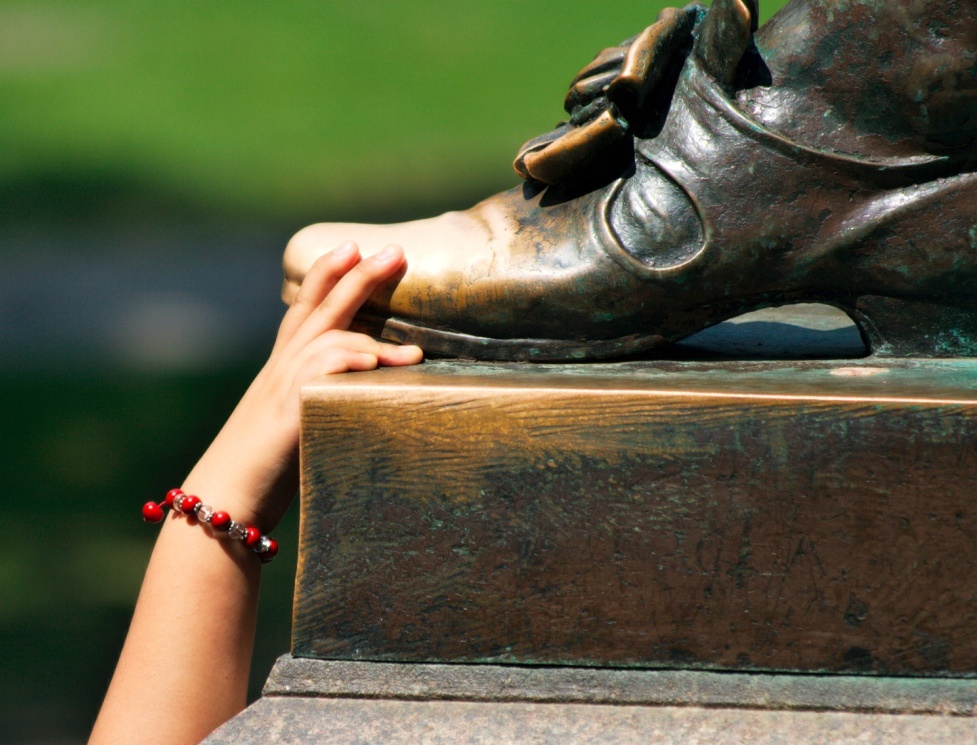 🇮🇪 IrelandStatue rubbing
A tourist custom of touching statues to attract luck, love, or a return visit.Belief · Luck and prosperity · Love and attraction Living
🇯🇵 Japan and 2 moreJapanese numismatic charm絵銭
Coin-shaped charms from Japan used for protection, luck, and blessings.Charm · Protection · Luck and prosperity Living
🇮🇪 IrelandStatue rubbing
A tourist custom of touching statues to attract luck, love, or a return visit.Belief · Luck and prosperity · Love and attraction Living
🇯🇵 Japan and 2 moreJapanese numismatic charm絵銭
Coin-shaped charms from Japan used for protection, luck, and blessings.Charm · Protection · Luck and prosperity Living
 🇮🇷 Iran and 5 moreHippomancy
Divination through the movements, sounds, and tracks of horsesOracle · Seeing and foretelling · Luck and prosperity Historical
🇬🇧 United KingdomFumsup
A small figurine charm believed to bring good luck, popular in the late 19th and early 20th centuries.Charm · Luck and prosperity Historical
🇮🇷 Iran and 5 moreHippomancy
Divination through the movements, sounds, and tracks of horsesOracle · Seeing and foretelling · Luck and prosperity Historical
🇬🇧 United KingdomFumsup
A small figurine charm believed to bring good luck, popular in the late 19th and early 20th centuries.Charm · Luck and prosperity Historical
Photo credits on this page
The small pictures above come from Wikimedia Commons under free licences. Some are cropped to fit.
- Maya mythology: Unknown author, Public domain, source
- Fortuna: Charles Samuel, CC BY-SA 4.0, source
- Good Luck Flag: takato marui, CC BY-SA 2.0, source
- Tai folk religion: ( เทวประภาส มากคล้าย ), Tevaprapas, Public domain, source
- Cairn: Andrew Bossi, CC BY-SA 2.5, source
- Ovoo: Bouette ., CC BY-SA 3.0, source
- Pachamama: Penarc, CC BY-SA 3.0, source
- Apu: Cecilia Sacsa, CC BY-SA 4.0, source
- Ex-voto: JTSH26, CC BY-SA 4.0, source
- Hydromancy: Roger McLassus, CC BY-SA 3.0, source
- Statue rubbing: Matthias Rosenkranz, CC BY-SA 2.0, source
- Omamori: Leongboy1, Public domain, source
- Hippomancy: Wer?Du?!, CC BY-SA 3.0, source