Wonder and entertainment
Illusion, sleight of hand and the pleasure of being fooled.
Wonder and entertainment is the aim of the stage magician: to astonish an audience who knows it is being fooled. Conjuring, illusion, mentalism and street magic belong here, from the cups and balls of ancient Rome to Robert-Houdin, Houdini, Harry Kellar, P. C. Sorcar of India, Siegfried and Roy, and David Copperfield. This page covers the art, its history and its ethics, and does not reveal how any trick is done.
The art of the honest lie
A magician promises a trick and delivers astonishment. The pleasure comes from the gap between what is seen and what is known. Performers speak of misdirection, timing, patter and showmanship. Magicians also keep an informal rule not to expose methods, so that audiences can keep the pleasure and the craft keeps its livelihood. This is the most open part of the subject, in which no one is asked to believe.
Where it is performed
Magic has always had a street and a stage. In India, P. C. Sorcar Sr. (1913 to 1971) toured the world and became a national name. In China and Japan, conjuring was part of variety theatre and a distinct craft. In the Arab world and the Ottoman empire, performers worked in coffee houses and fairs. In the West, the music hall, the television special and the Las Vegas show carried the art into mass entertainment.
Who is welcome
For much of its history, the profession was dominated by men, with women as assistants, though performers such as Adelaide Herrmann broke the pattern. Racial stereotypes shaped acts: Western performers played Chinese or Indian magicians in costume, and Chung Ling Soo's disguise was a famous case. Today, magicians from many countries and women performers are widely visible. Magicians from Egypt, Lebanon, Iran and Nigeria now work on global stages and in festivals, and a few have become well known beyond their borders.
Entertainers against fraud
Houdini and James Randi spent years exposing mediums and faith healers who claimed real powers, arguing that honest conjurers protect the public. Scholars of the mind use magic to study attention, memory and belief. The boundary matters: claiming genuine supernatural power for a trick and charging for it is fraud, not entertainment. As the code puts it, the trick can be admired and enjoyed without the secret being known, and children and adults alike keep that pleasure.
Wonder and entertainment on EveryJaadu
The entries written up so far, best known first.
 🇫🇷 France and 2 moreKing ArthurBrenin Arthur
A legendary British king and folk hero of medieval literature and Welsh mythologyFigure · Power and authority · Wonder and entertainment Legendary
🇬🇧 United KingdomGreen Children of Woolpit
A medieval English legend about two green-skinned siblings who appeared in a Suffolk village.Figure · Wonder and entertainment Legendary
🇫🇷 France and 2 moreKing ArthurBrenin Arthur
A legendary British king and folk hero of medieval literature and Welsh mythologyFigure · Power and authority · Wonder and entertainment Legendary
🇬🇧 United KingdomGreen Children of Woolpit
A medieval English legend about two green-skinned siblings who appeared in a Suffolk village.Figure · Wonder and entertainment Legendary
 🇷🇺 Russia and 3 moreFirebird
A glowing bird of Slavic folklore that brings both fortune and peril to those who seek itFigure · Wonder and entertainment · Luck and prosperity Legendary
🇷🇺 Russia and 3 moreFirebird
A glowing bird of Slavic folklore that brings both fortune and peril to those who seek itFigure · Wonder and entertainment · Luck and prosperity Legendary
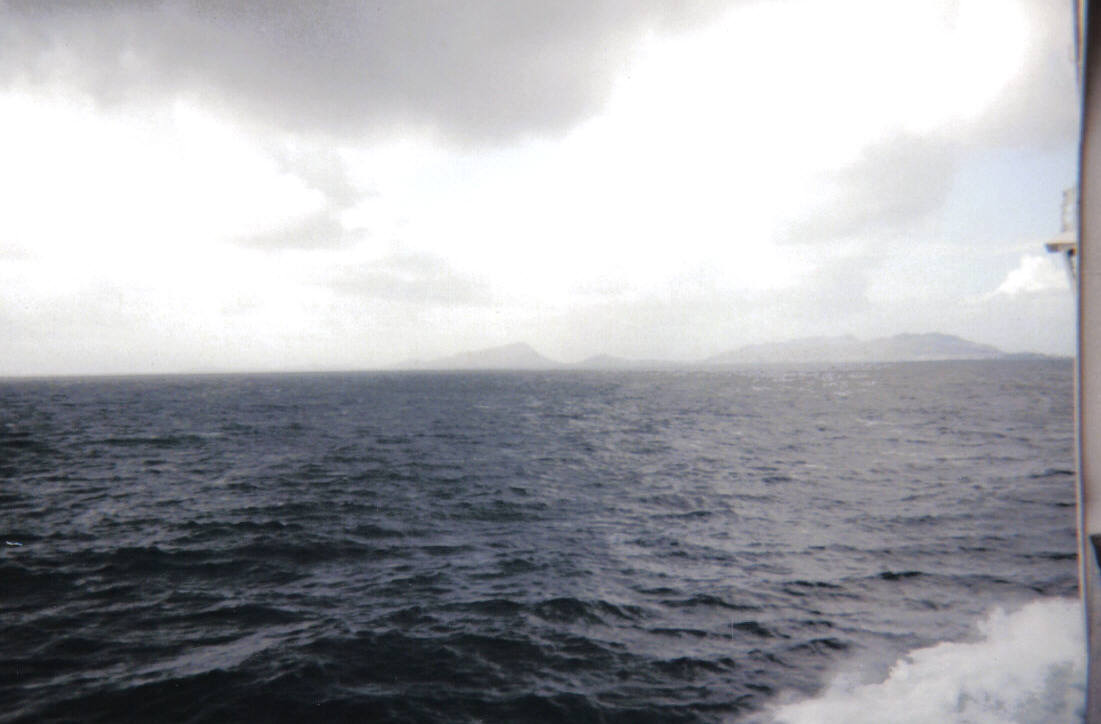 🇬🇧 United Kingdom and 1 moreBlue men of the Minchna fir ghorma
Mythical blue-skinned spirits of the Scottish strait who challenge sailors to poetry contestsBeing · Cursing and harm · Wonder and entertainment Legendary
🇬🇧 United Kingdom and 1 moreBlue men of the Minchna fir ghorma
Mythical blue-skinned spirits of the Scottish strait who challenge sailors to poetry contestsBeing · Cursing and harm · Wonder and entertainment Legendary
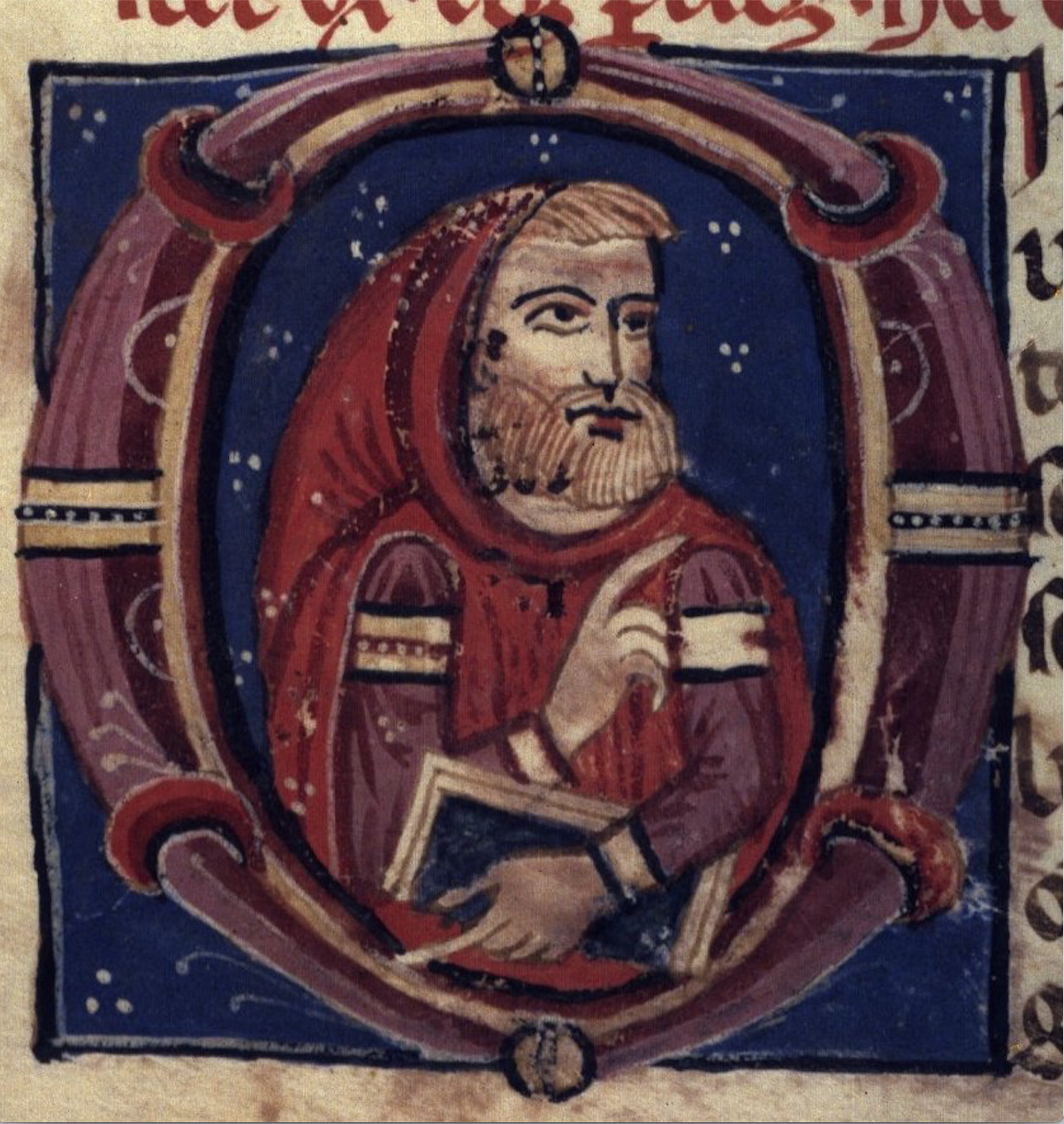 🇬🇧 United Kingdom and 2 moreMichael Scot
A medieval scholar and astrologer who became a legendary magician in folklore.Figure · Seeing and foretelling · Wonder and entertainment Legendary
🇬🇧 United Kingdom and 2 moreMichael Scot
A medieval scholar and astrologer who became a legendary magician in folklore.Figure · Seeing and foretelling · Wonder and entertainment Legendary
 🇬🇷 GreeceOrpheusὈρφεύς
A Thracian bard whose music charms nature and who journeys to the underworldFigure · Wonder and entertainment Legendary
🇬🇷 GreeceOrpheusὈρφεύς
A Thracian bard whose music charms nature and who journeys to the underworldFigure · Wonder and entertainment Legendary
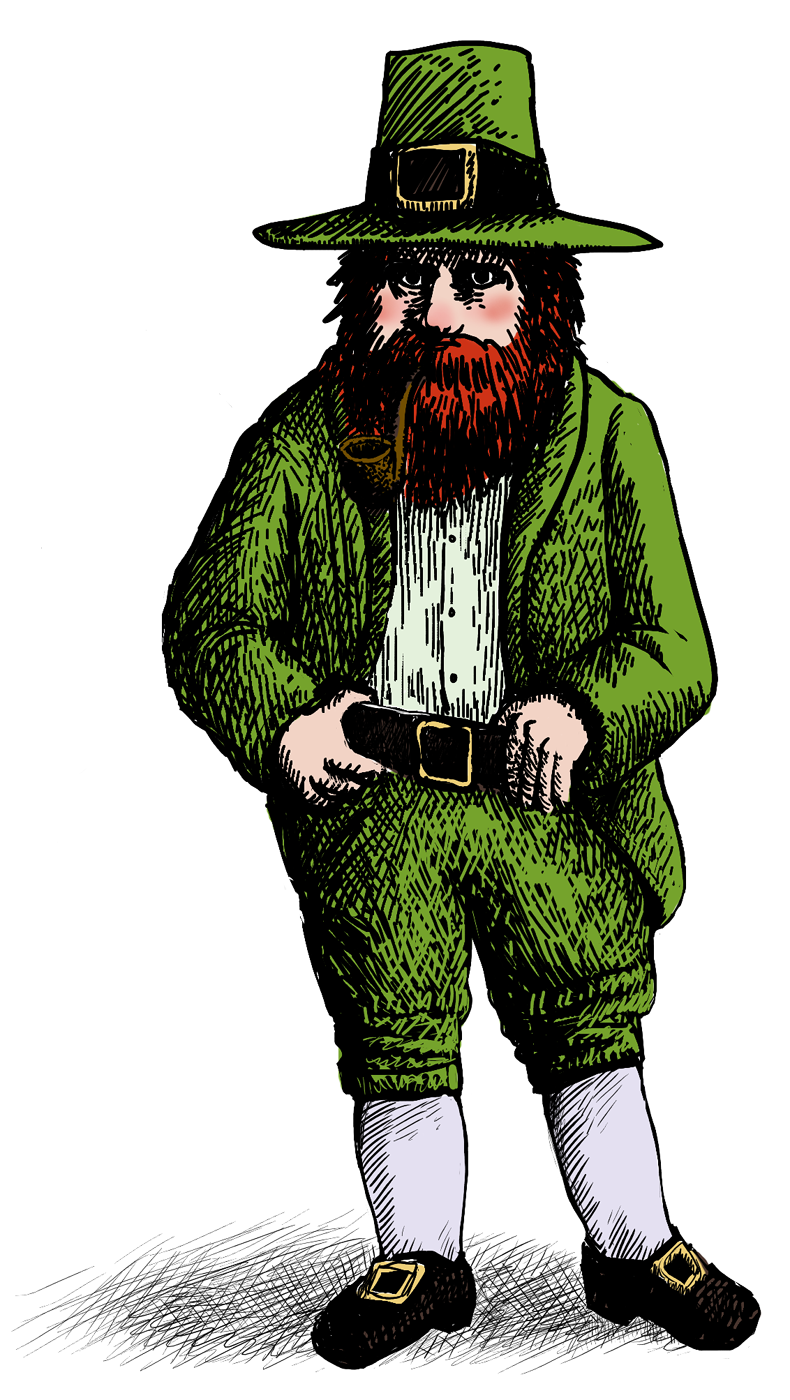 🇮🇪 Ireland and 1 moreLeprechaunlucharachán / leipreachán / luchorpán
A solitary Irish fairy known for mischief and shoe-makingBeing · Wonder and entertainment Legendary
🇮🇪 Ireland and 1 moreLeprechaunlucharachán / leipreachán / luchorpán
A solitary Irish fairy known for mischief and shoe-makingBeing · Wonder and entertainment Legendary
 🇬🇧 United KingdomPixie
A mischievous sprite of British folklore from the southwest countiesBeing · Wonder and entertainment Legendary
🇬🇧 United KingdomPixie
A mischievous sprite of British folklore from the southwest countiesBeing · Wonder and entertainment Legendary
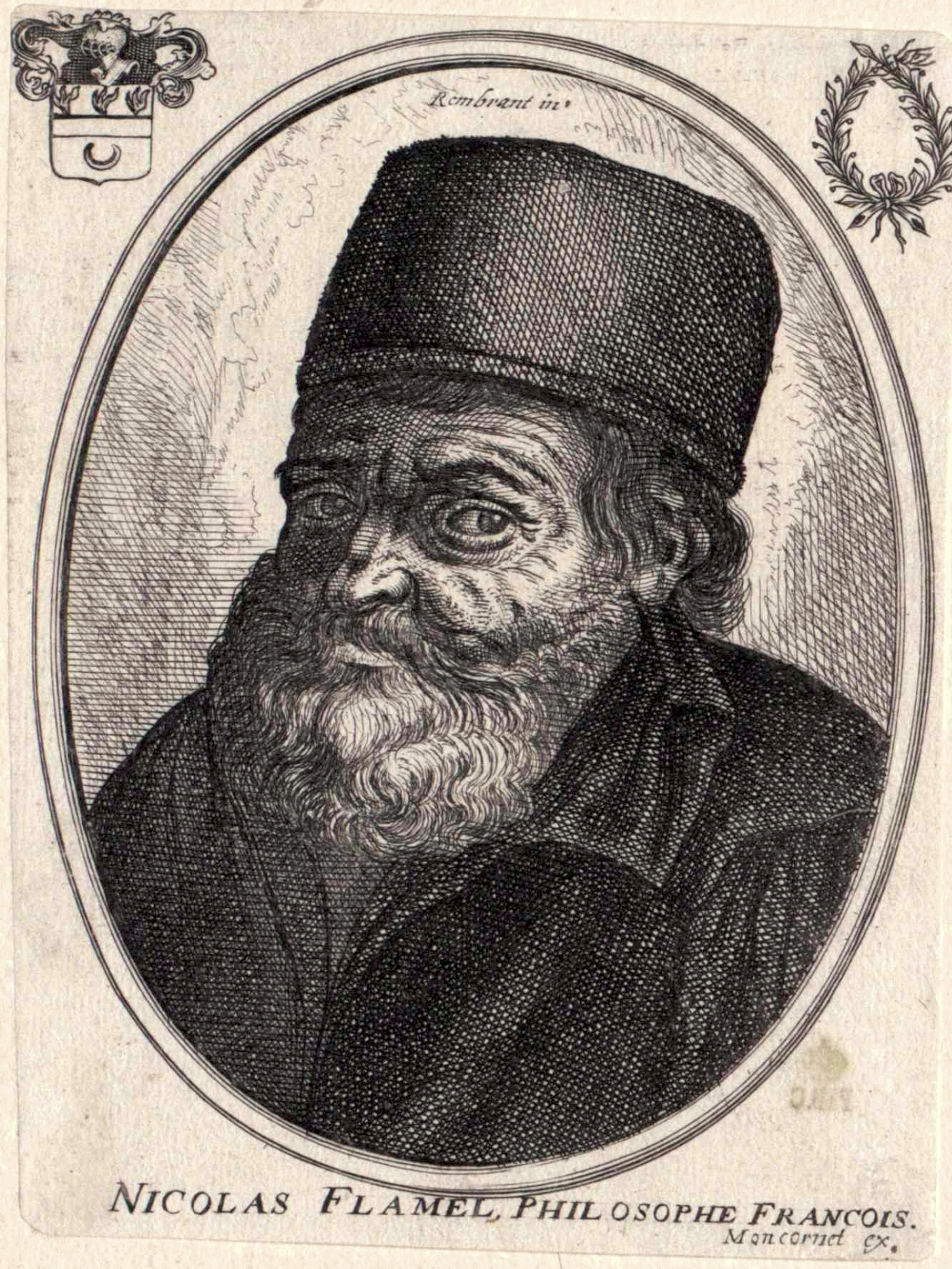 🇫🇷 FranceNicolas Flamel
A medieval scribe turned legendary alchemist and immortal in fictionFigure · Wonder and entertainment Legendary
🇫🇷 FranceNicolas Flamel
A medieval scribe turned legendary alchemist and immortal in fictionFigure · Wonder and entertainment Legendary
 🇫🇷 France and 4 moreMorgan le FayFée Morgane
An Arthurian enchantress known for her shifting role as healer and adversaryFigure · Healing · Cursing and harm Legendary
🇫🇷 France and 4 moreMorgan le FayFée Morgane
An Arthurian enchantress known for her shifting role as healer and adversaryFigure · Healing · Cursing and harm Legendary
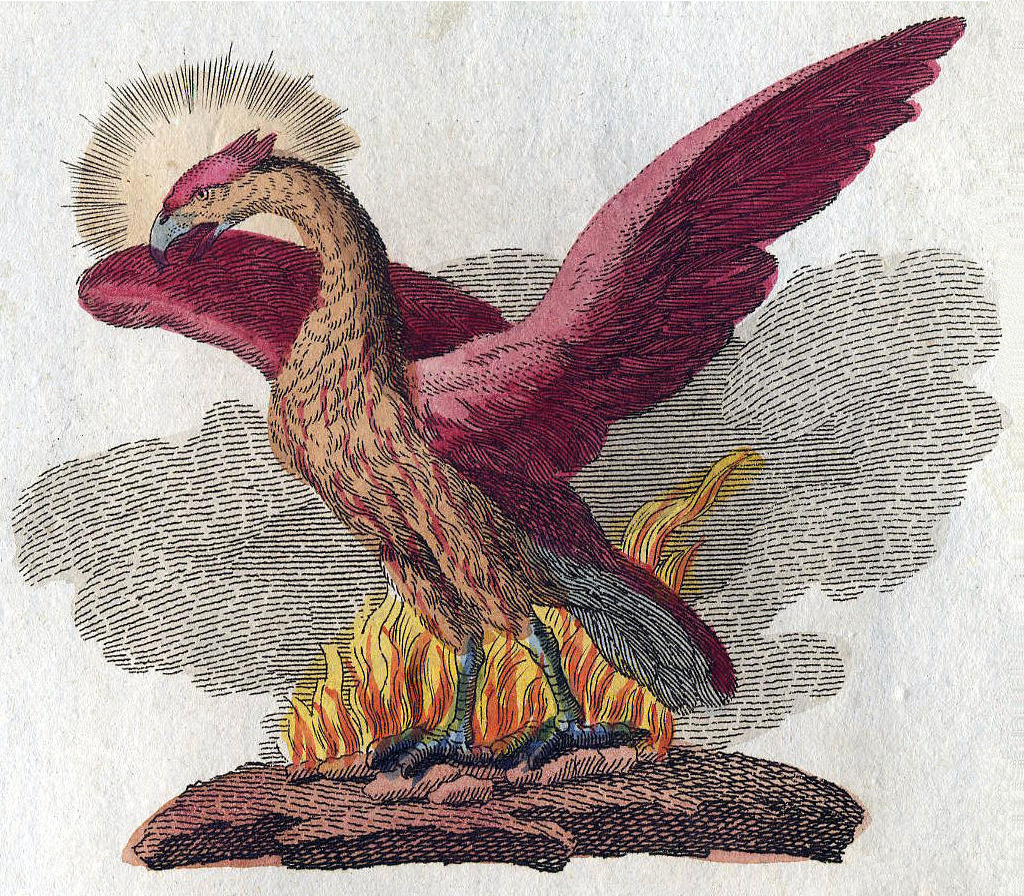 🇬🇷 Greece and 2 morePhoenix
A legendary bird that dies and is reborn from its own ashesBeing · Wonder and entertainment Legendary
🇬🇷 Greece and 2 morePhoenix
A legendary bird that dies and is reborn from its own ashesBeing · Wonder and entertainment Legendary
 🇬🇧 United KingdomLoch Ness MonsterUilebheist Loch Nis
A legendary lake creature from the Scottish Highlands, famous for disputed photographs and folk tales.Being · Wonder and entertainment Legendary
🇬🇧 United KingdomLoch Ness MonsterUilebheist Loch Nis
A legendary lake creature from the Scottish Highlands, famous for disputed photographs and folk tales.Being · Wonder and entertainment Legendary
 🇮🇹 Italy and 1 moreHippogriffippogrifo
A legendary hybrid creature with the front of an eagle and the back of a horse.Figure · Wonder and entertainment Legendary
🇮🇹 Italy and 1 moreHippogriffippogrifo
A legendary hybrid creature with the front of an eagle and the back of a horse.Figure · Wonder and entertainment Legendary
 🇬🇷 Greece and 3 moreHippocampusἱππόκαμπος
A mythological hybrid of a horse and fish from ancient Mediterranean culturesBeing · Wonder and entertainment Legendary
🇬🇷 Greece and 3 moreHippocampusἱππόκαμπος
A mythological hybrid of a horse and fish from ancient Mediterranean culturesBeing · Wonder and entertainment Legendary
 🇮🇪 Ireland and 1 moreFionn mac CumhaillFionn mac Cumaill
A legendary Irish hero and leader of the Fianna warrior bandFigure · Power and authority · Wonder and entertainment Legendary
🇮🇪 Ireland and 1 moreFionn mac CumhaillFionn mac Cumaill
A legendary Irish hero and leader of the Fianna warrior bandFigure · Power and authority · Wonder and entertainment Legendary
 🇷🇺 RussiaGolden apple
A mythical fruit that sparks quests, wars, and linguistic confusion across culturesFigure · Cursing and harm · Luck and prosperity Legendary
🇷🇺 RussiaGolden apple
A mythical fruit that sparks quests, wars, and linguistic confusion across culturesFigure · Cursing and harm · Luck and prosperity Legendary
 🇵🇱 Poland and 1 moreBishop-fish
A legendary sea creature said to gesture like a cleric before vanishingBeing · Wonder and entertainment Legendary
🇵🇱 Poland and 1 moreBishop-fish
A legendary sea creature said to gesture like a cleric before vanishingBeing · Wonder and entertainment Legendary
 🇮🇪 IrelandSalmon of KnowledgeAn Bradán Feasa
A mythical fish in Irish folklore that holds all the world's wisdom.Being · Power and authority · Wonder and entertainment Legendary
🇮🇪 IrelandSalmon of KnowledgeAn Bradán Feasa
A mythical fish in Irish folklore that holds all the world's wisdom.Being · Power and authority · Wonder and entertainment Legendary
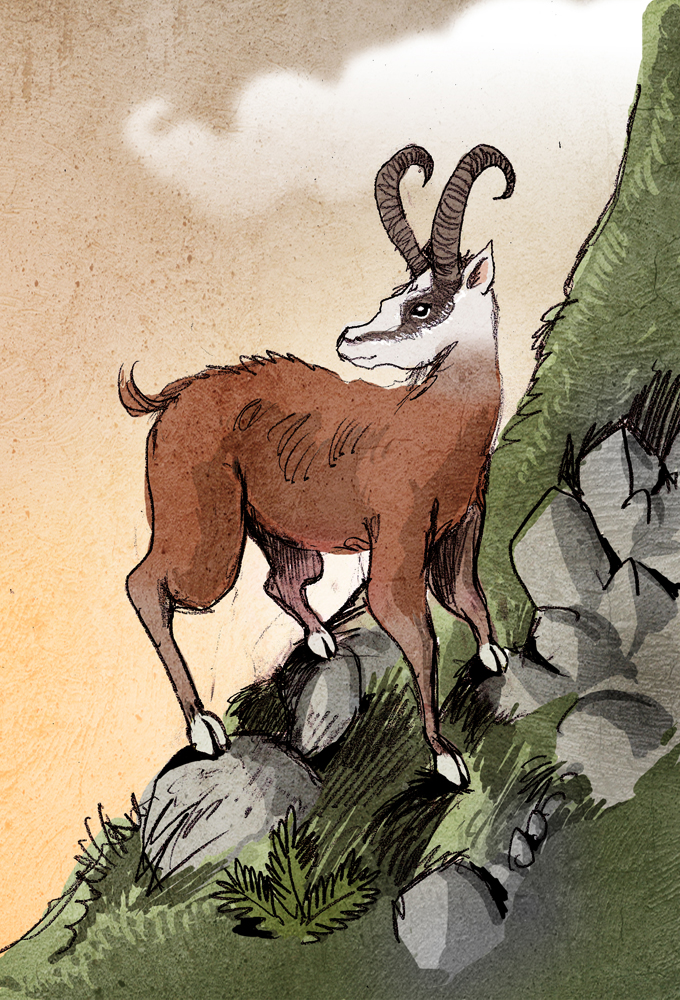 🇫🇷 France and 3 moreDahu
A French mountain legend about an asymmetrical goat used in practical jokesFigure · Wonder and entertainment Legendary
🇷🇴 Romania and 5 moreBalaur
A many-headed dragon from Romanian folklore that guards treasures and controls the weather.Being · Cursing and harm · Power and authority Legendary
🇷🇺 RussiaIndrikИндрик-зверь
A legendary Russian beast said to rule all animals from a sacred mountainBeing · Wonder and entertainment Legendary
🇫🇷 France and 3 moreDahu
A French mountain legend about an asymmetrical goat used in practical jokesFigure · Wonder and entertainment Legendary
🇷🇴 Romania and 5 moreBalaur
A many-headed dragon from Romanian folklore that guards treasures and controls the weather.Being · Cursing and harm · Power and authority Legendary
🇷🇺 RussiaIndrikИндрик-зверь
A legendary Russian beast said to rule all animals from a sacred mountainBeing · Wonder and entertainment Legendary
 🇬🇧 United Kingdom and 1 moreWater Horse
A mythical shape-shifter from Celtic and Nordic lore, often linked to lake monsters.Being · Wonder and entertainment Legendary
🇬🇧 United KingdomMoragMòrag
A Scottish lake monster said to dwell in Loch MorarBeing · Wonder and entertainment Legendary
🇬🇧 United Kingdom and 1 moreWater Horse
A mythical shape-shifter from Celtic and Nordic lore, often linked to lake monsters.Being · Wonder and entertainment Legendary
🇬🇧 United KingdomMoragMòrag
A Scottish lake monster said to dwell in Loch MorarBeing · Wonder and entertainment Legendary
 🇮🇪 IrelandMerrowmurúch
A sea creature from Irish folklore, known for its magical cap and singing voice.Figure · Wonder and entertainment Legendary
🇮🇪 IrelandMerrowmurúch
A sea creature from Irish folklore, known for its magical cap and singing voice.Figure · Wonder and entertainment Legendary
 🇪🇸 SpainJentilJentilak
Giants of Basque myth linked to ancient stone builders and pre-Christian timesBeing · Wonder and entertainment Legendary
🇷🇴 RomaniaZână
A Romanian woodland spirit linked to Diana that guides travelers and blesses children.Being · Protection · Luck and prosperity Legendary
🇪🇸 SpainJentilJentilak
Giants of Basque myth linked to ancient stone builders and pre-Christian timesBeing · Wonder and entertainment Legendary
🇷🇴 RomaniaZână
A Romanian woodland spirit linked to Diana that guides travelers and blesses children.Being · Protection · Luck and prosperity Legendary
 🇮🇪 IrelandFour Treasures of the Tuatha Dé DanannCeithre Bhua na Tuath Dé Danann
Four magical items brought to Ireland by the mythological Tuatha Dé DanannFigure · Wonder and entertainment Legendary
🇮🇹 ItalyLariosauro
A lake monster legend from Lake Como, Italy, born from newspaper hoaxes and misidentified animals.Figure · Wonder and entertainment Legendary
🇮🇹 ItalySquasc
A small, tawny creature from Eastern Lombardy folklore that frightens children and plays jokes on young girlsBeing · Cursing and harm · Wonder and entertainment Legendary
🇷🇺 Russia and 1 moreChuvash dragonВӗрӗҫӗлен
A mythological serpent from Chuvash legends that can fly and breathe fire.Being · Wonder and entertainment Legendary
🇮🇪 IrelandFour Treasures of the Tuatha Dé DanannCeithre Bhua na Tuath Dé Danann
Four magical items brought to Ireland by the mythological Tuatha Dé DanannFigure · Wonder and entertainment Legendary
🇮🇹 ItalyLariosauro
A lake monster legend from Lake Como, Italy, born from newspaper hoaxes and misidentified animals.Figure · Wonder and entertainment Legendary
🇮🇹 ItalySquasc
A small, tawny creature from Eastern Lombardy folklore that frightens children and plays jokes on young girlsBeing · Cursing and harm · Wonder and entertainment Legendary
🇷🇺 Russia and 1 moreChuvash dragonВӗрӗҫӗлен
A mythological serpent from Chuvash legends that can fly and breathe fire.Being · Wonder and entertainment Legendary
 🇫🇮 Finland and 1 moreLemminkäinen
A shaman-hero of Finnish and Karelian myth who dies and is resurrected by his motherFigure · Wonder and entertainment Legendary
🇫🇮 Finland and 1 moreLemminkäinen
A shaman-hero of Finnish and Karelian myth who dies and is resurrected by his motherFigure · Wonder and entertainment Legendary
 🇬🇷 Greece and 1 moreSea Swine
A mythical sea creature depicted with dragon feet and a navel eye in early mapsFigure · Wonder and entertainment Legendary
🇬🇷 Greece and 1 moreSea Swine
A mythical sea creature depicted with dragon feet and a navel eye in early mapsFigure · Wonder and entertainment Legendary
 🇬🇧 United KingdomTom Thumb
A tiny English folk hero who outwits giants and serves King ArthurFigure · Wonder and entertainment Legendary
🇮🇪 Ireland and 5 moreFiddler's Green
A maritime afterlife of endless music and rest for veteran sailorsBelief · Wonder and entertainment Legendary
🇬🇧 United KingdomTom Thumb
A tiny English folk hero who outwits giants and serves King ArthurFigure · Wonder and entertainment Legendary
🇮🇪 Ireland and 5 moreFiddler's Green
A maritime afterlife of endless music and rest for veteran sailorsBelief · Wonder and entertainment Legendary
 🇬🇧 United KingdomPiers Shonks
A legendary knight who slew a dragon and cheated the Devil in HertfordshireFigure · Cursing and harm · Wonder and entertainment Legendary
🇬🇧 United KingdomPiers Shonks
A legendary knight who slew a dragon and cheated the Devil in HertfordshireFigure · Cursing and harm · Wonder and entertainment Legendary
 🇮🇪 IrelandTír na nÓg
An island realm in Irish myth where time stands still and youth never fadesBelief · Wonder and entertainment Legendary
🇮🇪 IrelandTír na nÓg
An island realm in Irish myth where time stands still and youth never fadesBelief · Wonder and entertainment Legendary
 🇬🇷 GreeceCentaurideΚενταυρίδε (Kentauride)
A female centaur from Greek mythology, depicted in art and literature as a hybrid of woman and horse.Being · Wonder and entertainment Legendary
🇸🇪 SwedenVardøger
A spirit double that precedes a person in time and spaceBeing · Wonder and entertainment Legendary
🇯🇵 Japan and 5 moreMythic humanoids
Creatures that blend human and animal traits across global folkloreBeing · Wonder and entertainment Legendary
🇬🇷 GreeceCentaurideΚενταυρίδε (Kentauride)
A female centaur from Greek mythology, depicted in art and literature as a hybrid of woman and horse.Being · Wonder and entertainment Legendary
🇸🇪 SwedenVardøger
A spirit double that precedes a person in time and spaceBeing · Wonder and entertainment Legendary
🇯🇵 Japan and 5 moreMythic humanoids
Creatures that blend human and animal traits across global folkloreBeing · Wonder and entertainment Legendary
 🇦🇹 AustriaHaymon
A legendary giant of Tyrol who founded a monastery and defeated local spiritsFigure · Wonder and entertainment Legendary
🇫🇮 FinlandFirefoxtulikettu
A mythical Finnish fox whose tail sparks the northern lightsBeing · Wonder and entertainment Legendary
🇦🇹 AustriaHaymon
A legendary giant of Tyrol who founded a monastery and defeated local spiritsFigure · Wonder and entertainment Legendary
🇫🇮 FinlandFirefoxtulikettu
A mythical Finnish fox whose tail sparks the northern lightsBeing · Wonder and entertainment Legendary
 🇮🇹 ItalySatyress
A female mythological creature with a human upper body and goat lower half, invented by later artists.Figure · Wonder and entertainment Legendary
🇮🇹 ItalySatyress
A female mythological creature with a human upper body and goat lower half, invented by later artists.Figure · Wonder and entertainment Legendary
 🇮🇪 IrelandChildren of LirOidheadh chloinne Lir
An Irish myth about four siblings transformed into swans by a jealous stepmotherFigure · Wonder and entertainment Legendary
🇮🇪 IrelandChildren of LirOidheadh chloinne Lir
An Irish myth about four siblings transformed into swans by a jealous stepmotherFigure · Wonder and entertainment Legendary
 🇬🇷 GreecePasiphaëΠασιφάη
A Cretan queen and solar goddess cursed with lust for a bull, mother of the MinotaurFigure · Wonder and entertainment Legendary
🇬🇷 GreecePasiphaëΠασιφάη
A Cretan queen and solar goddess cursed with lust for a bull, mother of the MinotaurFigure · Wonder and entertainment Legendary
 🇸🇮 SloveniaGiantess of Crngrobajdovska deklica
A Slovene giantess who helped build a church and left a rib as an omenFigure · Wonder and entertainment Legendary
🇸🇮 SloveniaGiantess of Crngrobajdovska deklica
A Slovene giantess who helped build a church and left a rib as an omenFigure · Wonder and entertainment Legendary
 🇳🇴 NorwayTroll
A Nordic creature of folklore and myth, ranging from mountain dwellers to modern fantasy icons.Being · Wonder and entertainment Legendary
🇳🇴 NorwayTroll
A Nordic creature of folklore and myth, ranging from mountain dwellers to modern fantasy icons.Being · Wonder and entertainment Legendary
 🇬🇷 GreeceHarpyἅρπυια (hárpyia)
Half-human, half-bird creatures from Greek and Roman myth, often seen as storm winds or snatchers of food.Being · Cursing and harm · Wonder and entertainment Legendary
🇷🇺 Russia and 1 moreKuma LisaКума Лиса
A trickster fox from Slavic folklore who outwits other animalsFigure · Wonder and entertainment Legendary
🇬🇷 GreeceHarpyἅρπυια (hárpyia)
Half-human, half-bird creatures from Greek and Roman myth, often seen as storm winds or snatchers of food.Being · Cursing and harm · Wonder and entertainment Legendary
🇷🇺 Russia and 1 moreKuma LisaКума Лиса
A trickster fox from Slavic folklore who outwits other animalsFigure · Wonder and entertainment Legendary
Photo credits on this page
The small pictures above come from Wikimedia Commons under free licences. Some are cropped to fit.
- Firebird: Philippe Giabbanelli, CC BY 3.0, source
- Giantess of Crngrob: Vid Pogacnik, CC BY-SA 4.0, source
- Children of Lir: John Duncan, Public domain, source
- Satyress: art_traveller, CC BY-SA 2.0 uk, source
- Michael Scot: Unknown author, Public domain, source
- Orpheus: Franz Caucig, Public domain, source
- Leprechaun: Unknown author, FAL, source
- Centauride: John La Farge, Public domain, source
- Nicolas Flamel: Balthasar Moncornet, Public domain, source
- Salmon of Knowledge: Man vyi, Public domain, source
- Morgan le Fay: Frederick Sandys, Public domain, source
- Loch Ness Monster: StaraBlazkova at Czech Wikipedia, CC BY-SA 3.0, source
- Fionn mac Cumhaill: Ary Scheffer / Formerly attributed to Anne-Louis Girodet, Public domain, source
- Bishop-fish: photo by Sean Linehan, NOS, NGS National Oceanic and Atmospheric Admin, Public domain, source
- Merrow: Andreas F. Borchert, CC BY-SA 4.0, source
- Jentil: Ketari ( http://ketari.nirudia.com/ ), CC BY-SA 3.0, source
- Four Treasures of the Tuatha Dé Danann: spud murphy, CC BY-SA 2.0, source
- Sea Swine: Jacob van Maerlant, Public domain, source
- Troll: John Bauer, Public domain, source
- Tír na nÓg: Arthur Rackham, Public domain, source
- Harpy: Unknown, near the Tyrrhenian Group?, CC BY-SA 2.0, source
- Water Horse: Theodor Kittelsen, Public domain, source
- Tom Thumb: Leutemann or Offterdinger , photo by Harke, Public domain, source
- Phoenix: Bertuch-fabelwesen.JPG : Friedrich Johann Justin Bertuch (1747–1822) d, Public domain, source
- Piers Shonks: William Blyth Gerish, Public domain, source
- Blue men of the Minch: Lord P in the Commons 17:16, 17 June 2007 (UTC), CC BY-SA 3.0, source
- Pixie: John D. Batten, Public domain, source
- Hippogriff: LadyofHats, CC0, source
- Haymon: Hafelekar, CC BY-SA 3.0, source
- Dahu: Philippe Semeria, CC BY 3.0, source
- Hippocampus: Unknown author, CC BY-SA 2.0, source
- Pasiphaë: ArchaiOptix, CC BY-SA 4.0, source
- Golden apple: Guido Reni, Public domain, source
- Lemminkäinen: Akseli Gallen-Kallela, Public domain, source
- King Arthur: William Morris, Public domain, source