Wonder and entertainment
Illusion, sleight of hand and the pleasure of being fooled.
Wonder and entertainment is the aim of the stage magician: to astonish an audience who knows it is being fooled. Conjuring, illusion, mentalism and street magic belong here, from the cups and balls of ancient Rome to Robert-Houdin, Houdini, Harry Kellar, P. C. Sorcar of India, Siegfried and Roy, and David Copperfield. This page covers the art, its history and its ethics, and does not reveal how any trick is done.
The art of the honest lie
A magician promises a trick and delivers astonishment. The pleasure comes from the gap between what is seen and what is known. Performers speak of misdirection, timing, patter and showmanship. Magicians also keep an informal rule not to expose methods, so that audiences can keep the pleasure and the craft keeps its livelihood. This is the most open part of the subject, in which no one is asked to believe.
Where it is performed
Magic has always had a street and a stage. In India, P. C. Sorcar Sr. (1913 to 1971) toured the world and became a national name. In China and Japan, conjuring was part of variety theatre and a distinct craft. In the Arab world and the Ottoman empire, performers worked in coffee houses and fairs. In the West, the music hall, the television special and the Las Vegas show carried the art into mass entertainment.
Who is welcome
For much of its history, the profession was dominated by men, with women as assistants, though performers such as Adelaide Herrmann broke the pattern. Racial stereotypes shaped acts: Western performers played Chinese or Indian magicians in costume, and Chung Ling Soo's disguise was a famous case. Today, magicians from many countries and women performers are widely visible. Magicians from Egypt, Lebanon, Iran and Nigeria now work on global stages and in festivals, and a few have become well known beyond their borders.
Entertainers against fraud
Houdini and James Randi spent years exposing mediums and faith healers who claimed real powers, arguing that honest conjurers protect the public. Scholars of the mind use magic to study attention, memory and belief. The boundary matters: claiming genuine supernatural power for a trick and charging for it is fraud, not entertainment. As the code puts it, the trick can be admired and enjoyed without the secret being known, and children and adults alike keep that pleasure.
Wonder and entertainment on EveryJaadu
The entries written up so far, best known first.
 🇬🇧 United KingdomDavid Devant
English magician and early film exhibitor known for witty stage presentationIllusion · Wonder and entertainment Historical
🇧🇪 BelgiumServais Le Roy
A Belgian magician who designed classic illusions and performed in a famous trio act.Illusion · Wonder and entertainment Historical
🇬🇧 United KingdomDavid Devant
English magician and early film exhibitor known for witty stage presentationIllusion · Wonder and entertainment Historical
🇧🇪 BelgiumServais Le Roy
A Belgian magician who designed classic illusions and performed in a famous trio act.Illusion · Wonder and entertainment Historical
 🇮🇳 India and 1 moreCard throwing
The performance art of launching playing cards with speed and precision as stage magic.Illusion · Wonder and entertainment Living
🇮🇳 India and 1 moreCard throwing
The performance art of launching playing cards with speed and precision as stage magic.Illusion · Wonder and entertainment Living
 🇦🇺 Australia and 5 moreSword swallowing
A dangerous stage skill where a performer guides a blade down the throat into the stomachIllusion · Wonder and entertainment Living
🇦🇺 Australia and 5 moreSword swallowing
A dangerous stage skill where a performer guides a blade down the throat into the stomachIllusion · Wonder and entertainment Living
 🇬🇧 United KingdomJohn Nevil Maskelyne
A Victorian magician who exposed fraud and invented the pay toiletIllusion · Wonder and entertainment Historical
🇬🇧 United KingdomJohn Nevil Maskelyne
A Victorian magician who exposed fraud and invented the pay toiletIllusion · Wonder and entertainment Historical
 🇫🇷 France and 5 moreJean Eugène Robert-HoudinJean-Eugène Robert-Houdin
A French clockmaker who elevated stage magic into a refined theatrical art.Illusion · Wonder and entertainment Historical
🇫🇷 France and 5 moreJean Eugène Robert-HoudinJean-Eugène Robert-Houdin
A French clockmaker who elevated stage magic into a refined theatrical art.Illusion · Wonder and entertainment Historical
 🇬🇧 United KingdomIsaac Fawkes
An English conjurer who moved magic from the fairground to fashionable London society.Illusion · Wonder and entertainment Historical
🇬🇧 United KingdomIsaac Fawkes
An English conjurer who moved magic from the fairground to fashionable London society.Illusion · Wonder and entertainment Historical
 🇩🇪 Germany and 2 morePhantasmagoria
A horror theatre using magic lanterns to project frightening images in the darkIllusion · Wonder and entertainment Historical
🇩🇪 Germany and 2 morePhantasmagoria
A horror theatre using magic lanterns to project frightening images in the darkIllusion · Wonder and entertainment Historical
 🇬🇧 United KingdomEgyptian Hall
A London exhibition hall known for magic shows and Egyptian-style architecture, demolished in 1905.Illusion · Wonder and entertainment Historical
🇬🇧 United KingdomEgyptian Hall
A London exhibition hall known for magic shows and Egyptian-style architecture, demolished in 1905.Illusion · Wonder and entertainment Historical
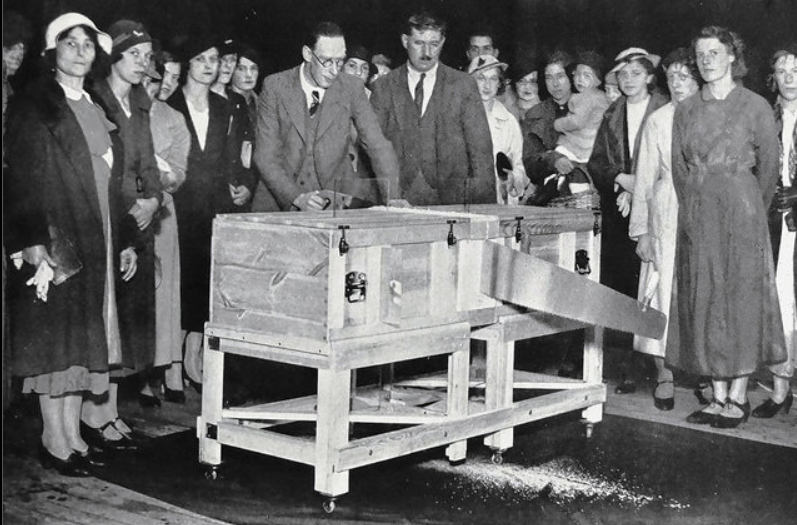 🇬🇧 United Kingdom and 1 moreSawing a woman in half
A stage illusion where an assistant appears to be cut into pieces inside a box or on a tableIllusion · Wonder and entertainment Living
🇬🇧 United Kingdom and 1 moreSawing a woman in half
A stage illusion where an assistant appears to be cut into pieces inside a box or on a tableIllusion · Wonder and entertainment Living
 🇫🇷 France and 3 moreAlexander Herrmann
A 19th-century magician known for sleight of hand and card throwingIllusion · Wonder and entertainment Historical
🇫🇷 France and 3 moreAlexander Herrmann
A 19th-century magician known for sleight of hand and card throwingIllusion · Wonder and entertainment Historical
 🇬🇧 United Kingdom and 3 moreHobby horse
A costumed character made from wood or cloth used in seasonal folk customs and processions.Illusion · Luck and prosperity · Wonder and entertainment Living
🇮🇹 Italy and 3 moreJoseph Pinetti
An eighteenth-century magician who brought illusion to the theatre and pioneered stage advertising.Illusion · Wonder and entertainment Historical
🇬🇧 United Kingdom and 3 moreHobby horse
A costumed character made from wood or cloth used in seasonal folk customs and processions.Illusion · Luck and prosperity · Wonder and entertainment Living
🇮🇹 Italy and 3 moreJoseph Pinetti
An eighteenth-century magician who brought illusion to the theatre and pioneered stage advertising.Illusion · Wonder and entertainment Historical
 🇬🇧 United Kingdom and 3 moreGreen Man
A carved face made of leaves, used as a decorative motif in architecture and art.Illusion · Wonder and entertainment Revived
🇬🇧 United Kingdom and 3 moreGreen Man
A carved face made of leaves, used as a decorative motif in architecture and art.Illusion · Wonder and entertainment Revived
 🇫🇷 France and 1 moreStage magic
A performing art of tricks and illusions that entertain audiences using natural meansIllusion · Wonder and entertainment Living
🇫🇷 France and 5 moreBuatier De Kolta
A French stage magician known for mechanical illusions and the vanishing chair.Illusion · Wonder and entertainment Historical
🇫🇷 France and 1 moreStage magic
A performing art of tricks and illusions that entertain audiences using natural meansIllusion · Wonder and entertainment Living
🇫🇷 France and 5 moreBuatier De Kolta
A French stage magician known for mechanical illusions and the vanishing chair.Illusion · Wonder and entertainment Historical
 🇬🇧 United Kingdom and 1 moreMentalism
A stage art that mimics psychic powers using psychology and sleight of handIllusion · Wonder and entertainment Living
🇬🇧 United Kingdom and 1 moreMentalism
A stage art that mimics psychic powers using psychology and sleight of handIllusion · Wonder and entertainment Living
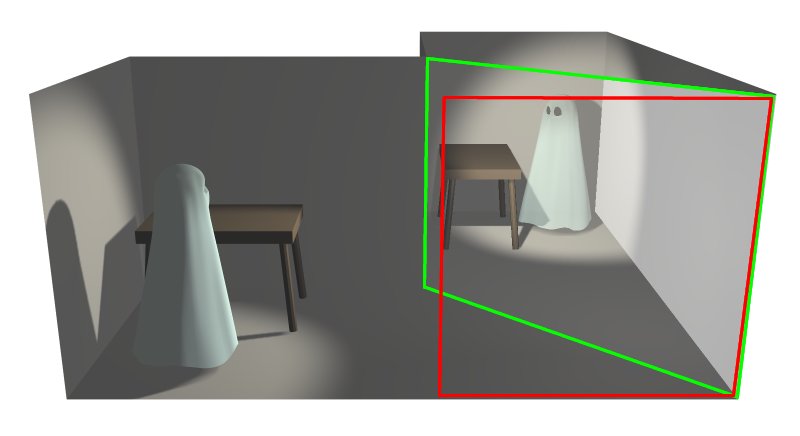 🇬🇧 United Kingdom and 5 morePepper's ghost
A stage illusion using angled glass to project hidden actors as visible ghostsIllusion · Wonder and entertainment Living
🇬🇧 United Kingdom and 5 morePepper's ghost
A stage illusion using angled glass to project hidden actors as visible ghostsIllusion · Wonder and entertainment Living
 🇺🇸 United States and 5 moreBullet catch
A stage illusion where a magician appears to catch a fired bullet in their mouth or handIllusion · Wonder and entertainment Living
🇺🇸 United States and 5 moreBullet catch
A stage illusion where a magician appears to catch a fired bullet in their mouth or handIllusion · Wonder and entertainment Living
 🇪🇬 Egypt and 1 moreGuillotine (magic trick)
A stage illusion where a blade passes through a neck or finger without harmIllusion · Wonder and entertainment Living
🇦🇹 AustriaMagic Club of ViennaMagischer Klub Wien
Austrian association for stage magicians founded in 1908Illusion · Wonder and entertainment Living
🇩🇪 GermanyMagic Circle of the German Democratic RepublicMagischer Zirkel der Deutschen Demokratischen Republik
A national association for stage magicians in East Germany from 1956 to 1990.Illusion · Wonder and entertainment Historical
🇪🇬 Egypt and 1 moreGuillotine (magic trick)
A stage illusion where a blade passes through a neck or finger without harmIllusion · Wonder and entertainment Living
🇦🇹 AustriaMagic Club of ViennaMagischer Klub Wien
Austrian association for stage magicians founded in 1908Illusion · Wonder and entertainment Living
🇩🇪 GermanyMagic Circle of the German Democratic RepublicMagischer Zirkel der Deutschen Demokratischen Republik
A national association for stage magicians in East Germany from 1956 to 1990.Illusion · Wonder and entertainment Historical
 🇫🇷 France and 1 moreChapeaugraphy
A novelty act using a single ring of felt to form different hatsIllusion · Wonder and entertainment Revived
🇫🇷 France and 1 moreChapeaugraphy
A novelty act using a single ring of felt to form different hatsIllusion · Wonder and entertainment Revived
 🇳🇱 Netherlands and 5 moreLiving statue
A street performer who poses motionless as a painted statue or mannequin.Illusion · Wonder and entertainment Living
🇳🇱 Netherlands and 5 moreLiving statue
A street performer who poses motionless as a painted statue or mannequin.Illusion · Wonder and entertainment Living
 🇬🇧 United Kingdom and 5 moreStreet performance
Public entertainment offered for voluntary tips in open spacesIllusion · Wonder and entertainment · Luck and prosperity Living
🇬🇧 United Kingdom and 5 moreStreet performance
Public entertainment offered for voluntary tips in open spacesIllusion · Wonder and entertainment · Luck and prosperity Living
 🇩🇪 Germany and 2 moreChink-a-chink
A close-up coin trick where objects appear to jump between locations until gathered togetherIllusion · Wonder and entertainment Living
🇩🇪 Germany and 2 moreChink-a-chink
A close-up coin trick where objects appear to jump between locations until gathered togetherIllusion · Wonder and entertainment Living
Photo credits on this page
The small pictures above come from Wikimedia Commons under free licences. Some are cropped to fit.
- Guillotine (magic trick): Reginald Scott, Public domain, source
- Levitation: Godot13, CC BY-SA 3.0, source
- Pepper's ghost: The original uploader was Wapcaplet at English Wikipedia ., CC BY-SA 3.0, source
- Living statue: Another one of my pictures: This photograph was taken by Medium69 (Wil, CC BY-SA 4.0, source
- Street performance: Dwight Burdette, CC BY 3.0, source
- Alexander Herrmann: Photographer unidentified, Public domain, source
- Hobby horse: Timkevan at English Wikipedia, Public domain, source
- Bullet catch: Dave Fayram, CC BY 2.0, source
- Green Man: Unknown author, Public domain, source
- Chink-a-chink: Niklaus Gerber, CC BY 3.0, source
- David Devant: Simon Edwards Esq, CC BY-SA 4.0, source
- Chapeaugraphy: Penny Pictorial Magazine, Public domain, source
- Card throwing: Felbify, CC BY 3.0, source
- Sword swallowing: Jeff Kubina, CC BY-SA 2.0, source
- John Nevil Maskelyne: Unknown author, Public domain, source
- Jean Eugène Robert-Houdin: Carcharoth (Commons), CC BY-SA 3.0, source
- Mentalism: The U.S. Printing Co., Russell-Morgan Print, Cincinnati & New York., Public domain, source
- Isaac Fawkes: William Hogarth, Public domain, source
- Phantasmagoria: Alphonse de Neuville or A. Jahandier, Public domain, source
- Egyptian Hall: Unknown author, CC BY 4.0, source
- Sawing a woman in half: Jasper Maskelyne, Public domain, source