Change and initiation
Rites of passage, alchemy and ceremonial work aimed at changing the practitioner.
Magic of change and initiation aims at transforming the practitioner or the world. It covers rites of passage, shamanic initiation, the initiations of Vodou and Santeria, the alchemy of Europe, the Middle East and China, and the ceremonial work of orders such as the Hermetic Order of the Golden Dawn. It asks how a person becomes a priest, a healer or a magician, and what a change of state is believed to involve.
Passage and rebirth
Many initiations follow a pattern: leave the ordinary, endure a trial, receive new knowledge, return changed. Shamanic callings are often described as an illness or visions followed by training. In Vodou and Santeria, initiates are shut away, dressed in white, and given new status in a house. Many societies have coming-of-age rites for boys and girls, some of which, such as female genital cutting, cause real harm and are opposed by health and rights bodies.
Alchemy and the self
Alchemy in Egypt, the Islamic world, India, China and Europe sought to transform substances, to prolong life, or to refine the soul. Chinese neidan turned the body into the furnace, and European writers such as Paracelsus linked metals and medicine. Carl Jung read alchemy as a map of inner change. Many alchemical remedies were poisonous, and mercury and arsenic killed seekers. The same ideas run through monastic life, where a new name, a new robe and a vow of poverty or obedience mark the change from one person to another.
Orders and secrets
In Europe, orders such as the Golden Dawn, founded in 1888, and later groups built graded systems of initiation, drawing on Kabbalah and Hermeticism. Modern Wicca has its own degrees. Such groups depend on secrecy and hierarchy, and some have been accused of exploitation or abuse by leaders who held power over members. In many Indigenous and African traditions, initiation knowledge is closed to outsiders. The end of alchemy came from the rise of chemistry in the seventeenth and eighteenth centuries, though a few writers kept the language of inner change.
What scholars see
Anthropologists, following Victor Turner, call the threshold state liminal, a time in which people are between roles. Psychologists note that shared ordeals bind groups together. Practitioners speak of becoming someone who can carry a responsibility, and the community sees them differently afterwards, which may be the main change. Initiations may also be refused or repeated, and teachers say a rite is only the start of what a person has to do.
Change and initiation on EveryJaadu
The entries written up so far, best known first.
 🇮🇳 IndiaChakraचक्र
Meditation points in the subtle body used in Hindu and Buddhist yogaTradition · Speaking with spirits and the dead · Change and initiation Living
🇮🇳 IndiaChakraचक्र
Meditation points in the subtle body used in Hindu and Buddhist yogaTradition · Speaking with spirits and the dead · Change and initiation Living
 🇮🇳 India and 4 moreTantraतन्त्र
An esoteric yogic tradition from India focusing on ritual, mantra, and body-based spiritual practices.Tradition · Power and authority · Change and initiation Living
🇮🇳 India and 4 moreTantraतन्त्र
An esoteric yogic tradition from India focusing on ritual, mantra, and body-based spiritual practices.Tradition · Power and authority · Change and initiation Living
 🇮🇳 IndiaNaropa
An Indian Buddhist master whose teachings shaped Tibetan Vajrayana practiceFigure · Change and initiation Historical
🇮🇳 IndiaNaropa
An Indian Buddhist master whose teachings shaped Tibetan Vajrayana practiceFigure · Change and initiation Historical
 🇮🇳 IndiaChödགཅོད
A Tibetan Buddhist ritual that uses fear and self-offering to sever attachment to the selfTradition · Cursing and harm · Change and initiation Living
🇮🇳 IndiaChödགཅོད
A Tibetan Buddhist ritual that uses fear and self-offering to sever attachment to the selfTradition · Cursing and harm · Change and initiation Living
 🇨🇳 China and 4 moreSky burialབྱ་གཏོར་
A Tibetan funerary rite where human remains are offered to scavenging birdsRite · Speaking with spirits and the dead · Change and initiation Living
🇨🇳 China and 4 moreSky burialབྱ་གཏོར་
A Tibetan funerary rite where human remains are offered to scavenging birdsRite · Speaking with spirits and the dead · Change and initiation Living
 🇮🇳 India and 1 moreTilopa
A tenth-century Buddhist tantric master who transmitted Mahamudra and the Six Yogas of Naropa.Figure · Change and initiation · Power and authority Historical
🇮🇳 India and 1 moreTilopa
A tenth-century Buddhist tantric master who transmitted Mahamudra and the Six Yogas of Naropa.Figure · Change and initiation · Power and authority Historical
 🇨🇳 China and 2 moreDiyu地獄
The underworld realm of trial, atonement, and rebirth in Chinese mythologyBelief · Cleansing and purification · Change and initiation Living
🇨🇳 China and 2 moreDiyu地獄
The underworld realm of trial, atonement, and rebirth in Chinese mythologyBelief · Cleansing and purification · Change and initiation Living
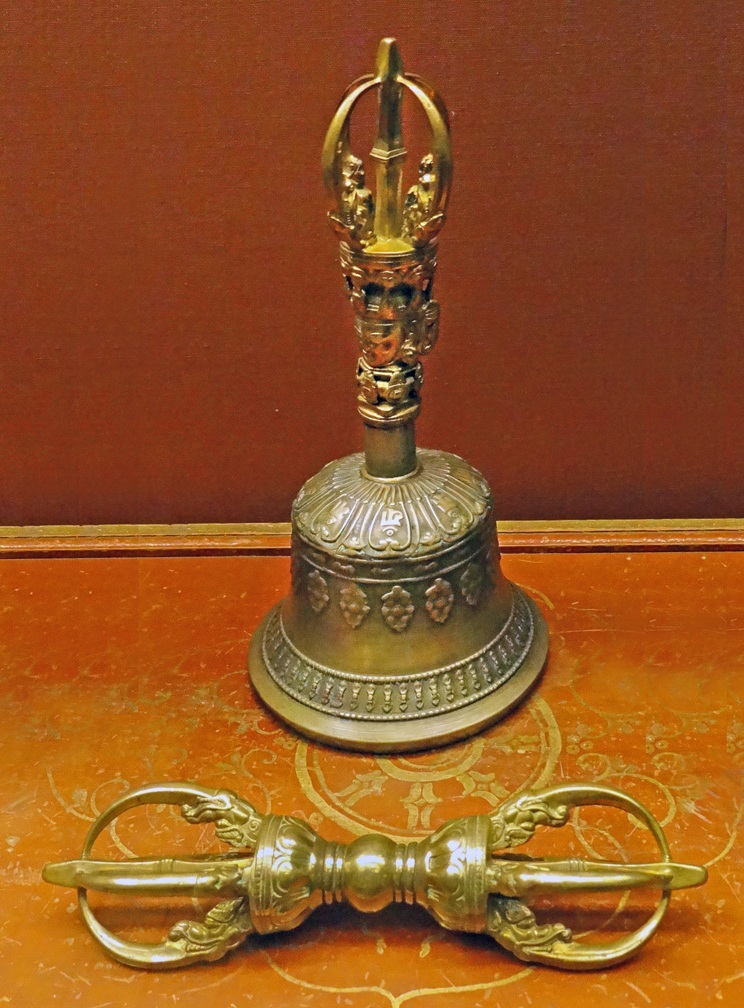 🇮🇳 India and 4 moreVajrayanaVajrayāna
A Buddhist path using rituals and mantras for rapid awakeningTradition · Change and initiation Living
🇮🇳 India and 4 moreVajrayanaVajrayāna
A Buddhist path using rituals and mantras for rapid awakeningTradition · Change and initiation Living
 🇮🇳 India and 2 moreKalachakraདུས་ཀྱི་འཁོར་ལོ།
A Tibetan Buddhist tantric deity and system of yogic time cyclesTradition · Change and initiation · Speaking with spirits and the dead Living
🇮🇳 India and 2 moreKalachakraདུས་ཀྱི་འཁོར་ལོ།
A Tibetan Buddhist tantric deity and system of yogic time cyclesTradition · Change and initiation · Speaking with spirits and the dead Living
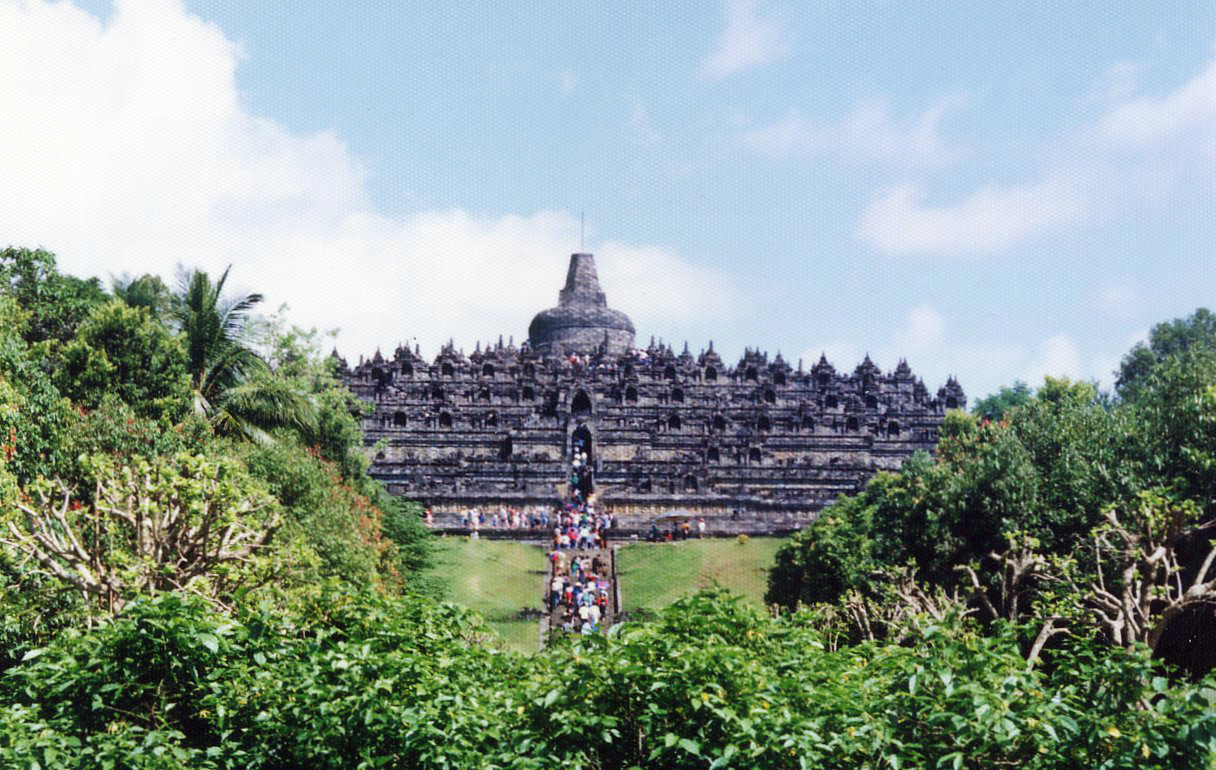 🇮🇩 Indonesia and 4 moreKejawènꦏꦗꦮꦺꦤ꧀ (Kajawèn)
A Javanese tradition blending animism, Hinduism, Buddhism and Islam into a path of inner harmony.Tradition · Protection · Speaking with spirits and the dead Living
🇮🇳 India and 1 moreNeotantraनवतन्त्र (navatantra)
A Western movement blending Tantra with modern views on sacred sexualityTradition · Love and attraction · Change and initiation Living
🇮🇩 Indonesia and 4 moreKejawènꦏꦗꦮꦺꦤ꧀ (Kajawèn)
A Javanese tradition blending animism, Hinduism, Buddhism and Islam into a path of inner harmony.Tradition · Protection · Speaking with spirits and the dead Living
🇮🇳 India and 1 moreNeotantraनवतन्त्र (navatantra)
A Western movement blending Tantra with modern views on sacred sexualityTradition · Love and attraction · Change and initiation Living
 🇨🇳 China and 1 moreFalun Gong法轮功
A Chinese cultivation practice blending meditative exercises with moral principlesTradition · Healing · Protection Living
🇨🇳 China and 1 moreFalun Gong法轮功
A Chinese cultivation practice blending meditative exercises with moral principlesTradition · Healing · Protection Living
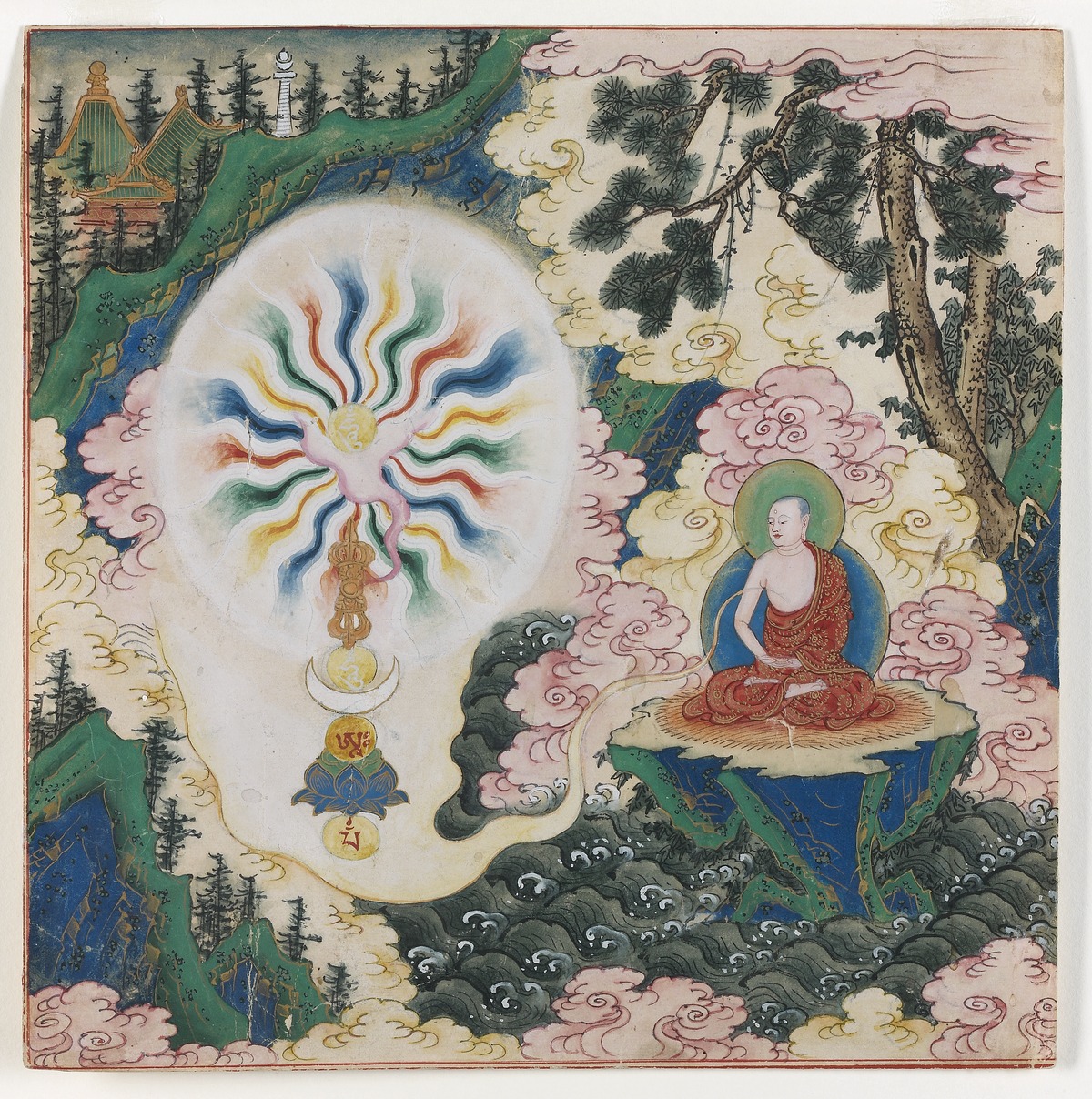 🇮🇳 India and 1 moreDeity yoga
A Vajrayana meditation on embodying a chosen Buddha figure to realize emptinessTradition · Change and initiation · Power and authority Living
🇮🇳 India and 1 moreDeity yoga
A Vajrayana meditation on embodying a chosen Buddha figure to realize emptinessTradition · Change and initiation · Power and authority Living
 🇧🇹 BhutanVajravarahiརྡོ་རྗེ་ཕག་མོ། (Dorje Pakmo)
A wrathful female buddha in Tibetan Buddhism, depicted with a sow head and dancing posture.Being · Power and authority · Change and initiation Living
🇧🇹 BhutanVajravarahiརྡོ་རྗེ་ཕག་མོ། (Dorje Pakmo)
A wrathful female buddha in Tibetan Buddhism, depicted with a sow head and dancing posture.Being · Power and authority · Change and initiation Living
 🇮🇳 IndiaAbhijñāअभिज्ञा
A set of special insights and powers in Buddhist meditation.Belief · Speaking with spirits and the dead · Change and initiation Historical
🇮🇳 IndiaAbhijñāअभिज्ञा
A set of special insights and powers in Buddhist meditation.Belief · Speaking with spirits and the dead · Change and initiation Historical
Photo credits on this page
The small pictures above come from Wikimedia Commons under free licences. Some are cropped to fit.
- Sunda Wiwitan: Greenland4, Public domain, source
- Chakra: Unknown author, Public domain, source
- Tantra: William Clark, Public domain, source
- Naropa: Unknown author, CC BY-SA 3.0, source
- Chöd: Christopher J. Fynn, CC BY-SA 4.0, source
- Sky burial: FishOil at English Wikipedia, Public domain, source
- Tilopa: Unknown author, Public domain, source
- Diyu: ScribblingGeek, CC BY-SA 4.0, source
- Vajrayana: Jean-Pierre Dalbéra, CC BY 2.0, source
- Falun Gong: longtrekhome, CC BY 3.0, source
- Deity yoga: Anonymous Unknown author, CC0, source
- Vajravarahi: Foto: Andreas Praefcke, Public domain, source
- Kalachakra: Nabin K. Sapkota, CC BY-SA 4.0, source
- Abhijñā: Gryffindor, Public domain, source