Luck and prosperity
Charms for fortune, success, a good harvest and a safe journey.
Luck magic aims at fortune, success, wealth and a safe passage. People keep lucky charms, perform money rites, pour offerings to a god of wealth, and avoid unlucky days. Examples include the Chinese lucky cat and the red packet, the Japanese daruma doll, the Indian worship of Lakshmi at Diwali, the European four-leaf clover and horseshoe, and the Hoodoo mojo bag. This page looks at what luck means and who profits from it.
Ideas of luck
Cultures differ on what luck is. In China, fortune is tied to fate, timing and the placement of objects, giving rise to feng shui and the choice of lucky numbers. In West Africa, success is linked to a person's destiny and the help of the orisha or ancestors. In Europe, luck came to be seen as chance, with charms to tilt it. Many societies see wealth as shared and fear that good fortune attracts envy. Merchants, farmers, gamblers and students are the usual customers, and the amounts asked of them range from a coin to a lifetime of savings.
Customs
Customs are domestic and mostly small. Merchants in Taiwan and China burn paper offerings and put out fruit at the start of the month. Fishers and sailors keep charms and avoid certain words. Gamblers, students and athletes have habits they will not break. Many rites involve giving something away, since reciprocity is thought to keep fortune moving. Lucky days are often chosen by calendar or astrologer, so that a shop opens, a wedding is held or a journey begins on a favourable date.
Schemes and scams
Luck is easy to sell. Lottery charms, gemstone bracelets and sellers who promise riches for a fee make money from hope. Fraud involving fake spiritualists who say a client's money is cursed and must be handed over is documented in many countries. Playing games of chance with charms may feel harmless, but anyone struggling with gambling should seek real help. Some wealth rites are public and religious, as with Diwali lamps for Lakshmi and the Lunar New Year offerings to the god of wealth, and some are private and quiet.
Scholars and sceptics
Psychologists have found that carrying a lucky charm can raise confidence and performance in some tasks, without changing the odds of chance. Economists study the role of luck in success. Religious authorities differ: some see lucky objects as idolatry, others as harmless custom, and prosperity churches around the world teach a faith-based version of the same hope. Those who struggle with debt or gambling harm should look for practical advice, since a charm does not change the odds or pay the bills.
Luck and prosperity on EveryJaadu
The entries written up so far, best known first.
 🇵🇪 Peru and 3 moreMuki
A subterranean goblin of the Andes who guards mines and makes pacts with miners.Being · Power and authority · Luck and prosperity Living
 🇨🇿 Czech Republic and 1 moreRübezahl
A mountain spirit of the Giant Mountains, kindly to some and vengeful to othersBeing · Protection · Healing Legendary
 🇩🇪 GermanyFeldgeist
German folk creatures tied to crops, weather and harvest ritualsBeing · Cursing and harm · Luck and prosperity Historical
🇱🇹 Lithuania and 1 moreLaima
A Baltic goddess of fate connected to childbirth and destinyBeing · Seeing and foretelling · Luck and prosperity Historical
🇮🇳 IndiaMogal Maa
A Hindu folk goddess of Gujarat worshipped for children and healingBeing · Healing · Luck and prosperity Living
 🇳🇬 Nigeria and 4 moreOshosiỌ̀ṣọ́ọ̀sì
A Yoruba orisha of hunting, forests and food, honoured in West Africa and BrazilBeing · Speaking with spirits and the dead · Power and authority Living
🇳🇬 Nigeria and 1 moreIbo lwa
A nation of Vodou spirits carried from Igbo religion to Haiti, honoured as fightersBeing · Luck and prosperity · Cleansing and purification Living
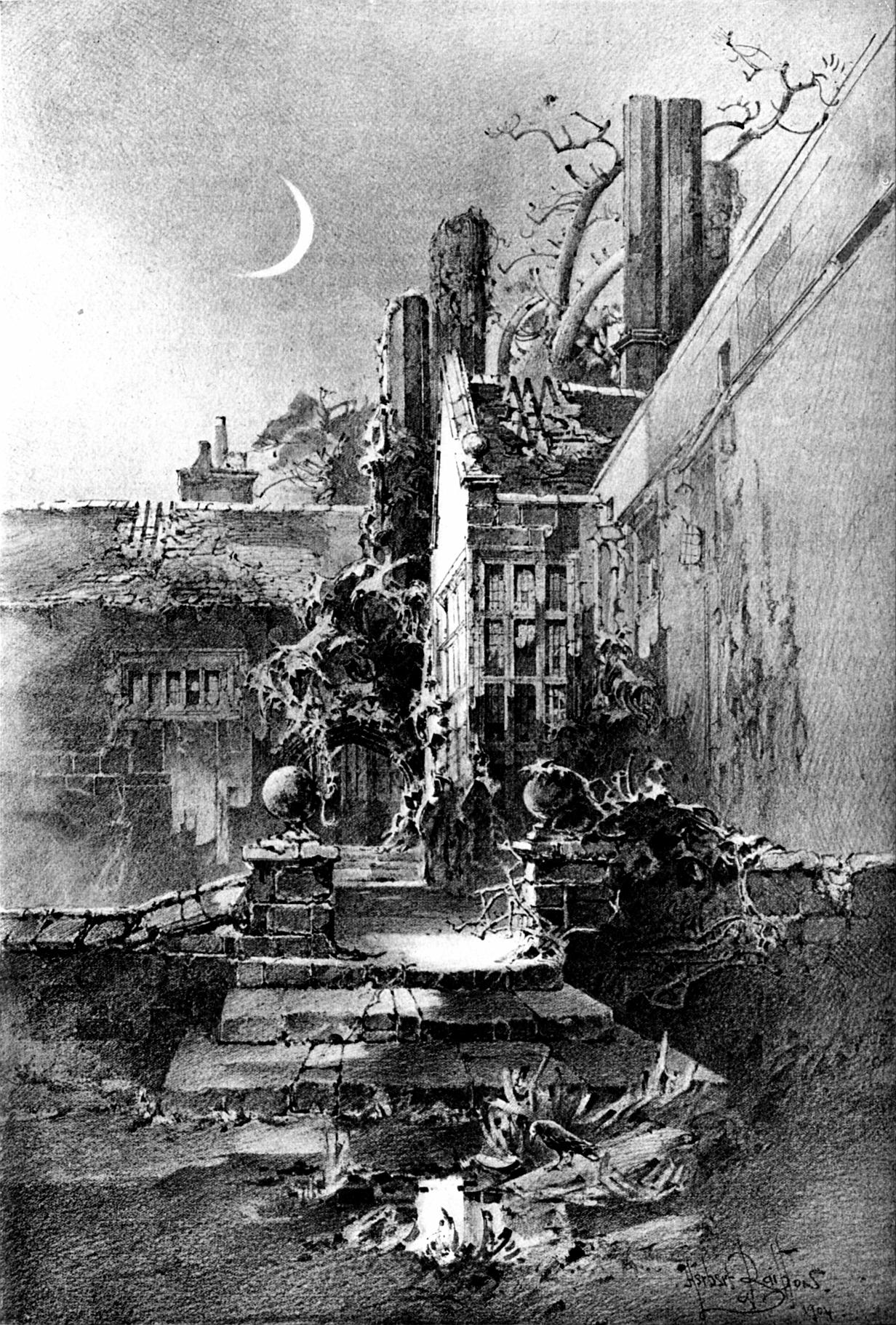 🇬🇧 United KingdomHobgoblin
A household spirit from English folklore known for chores and mischiefBeing · Cursing and harm · Luck and prosperity Historical
🇧🇩 Bangladesh and 1 moreFolk deities of Sylhet
Seven local gods and goddesses of the Sylhet region, each with its own careBeing · Protection · Love and attraction Living
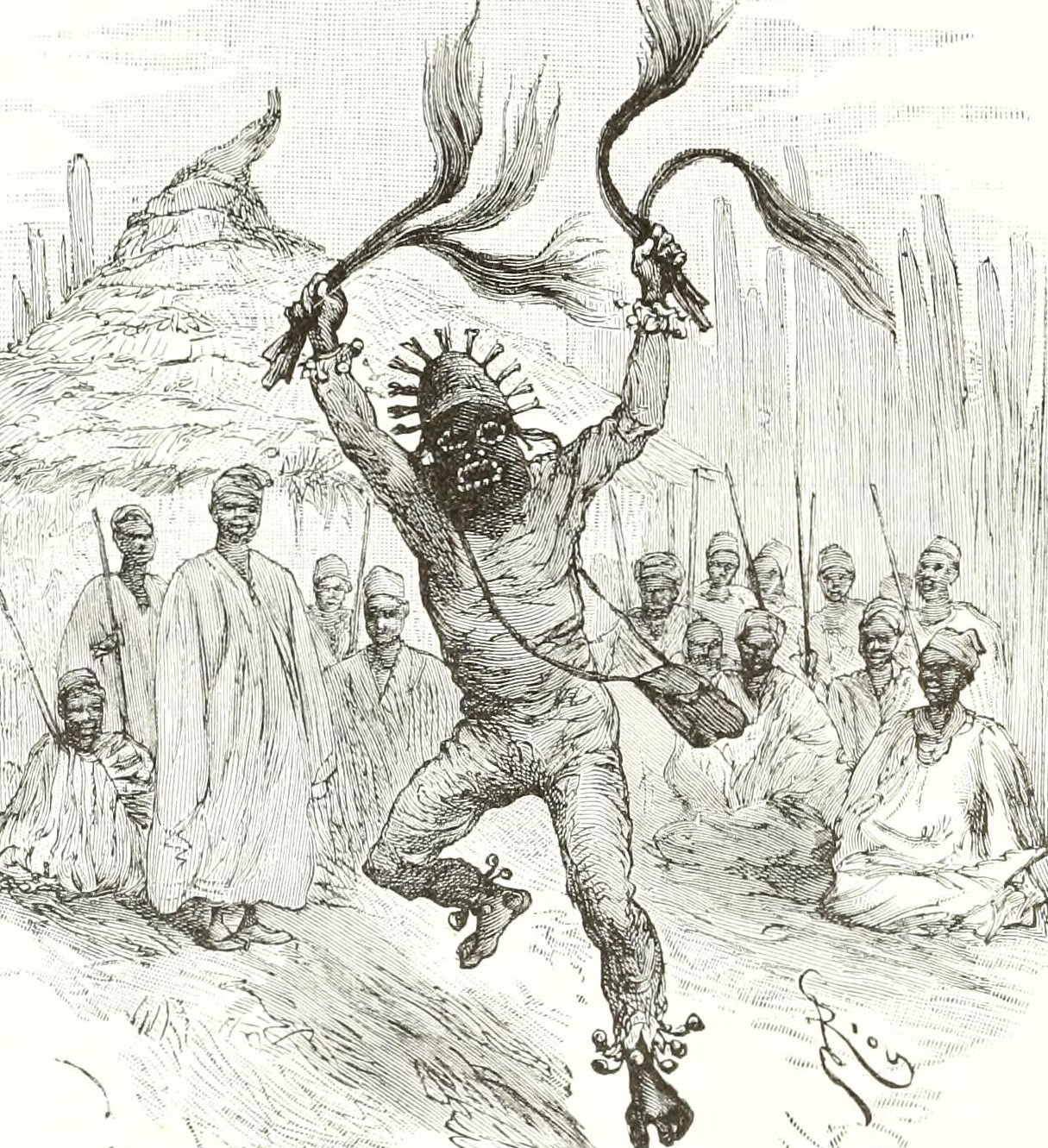 🇭🇹 HaitiBoum'ba Maza
A family of water spirits in Haitian Vodou ritesBeing · Luck and prosperity · Healing Living
🇮🇷 IranFaravaharفَرَوَهَر
Zoroastrian guardian spirits: ancestor-warriors and each person's unseen twinBeing · Protection · Speaking with spirits and the dead Living
🇮🇹 ItalyDoñas de fuera
Sicilian fairies said to carry chosen women by night to a field at BeneventoBeing · Speaking with spirits and the dead · Luck and prosperity Historical
🇩🇴 Dominican RepublicAnaisa Pye
A Dominican loa of love and wealth, linked to Saint Anne.Being · Love and attraction · Luck and prosperity Living
🇬🇧 United KingdomCeffyl Dŵr
A Welsh water spirit that takes the form of a horse to test or harm travellers.Being · Cursing and harm · Luck and prosperity Legendary
 🇮🇸 Iceland and 1 moreLandvættir
Spirits tied to specific places in Norse tradition and modern HeathenryBeing · Protection · Luck and prosperity Living
 🇨🇳 China and 5 moreShui Wei Sheng Niang水尾圣娘; เจ้าแม่ทับทิม
A Hainanese goddess of the sea, worshipped by fishermen and diaspora communities in Southeast Asia.Being · Protection · Luck and prosperity Living
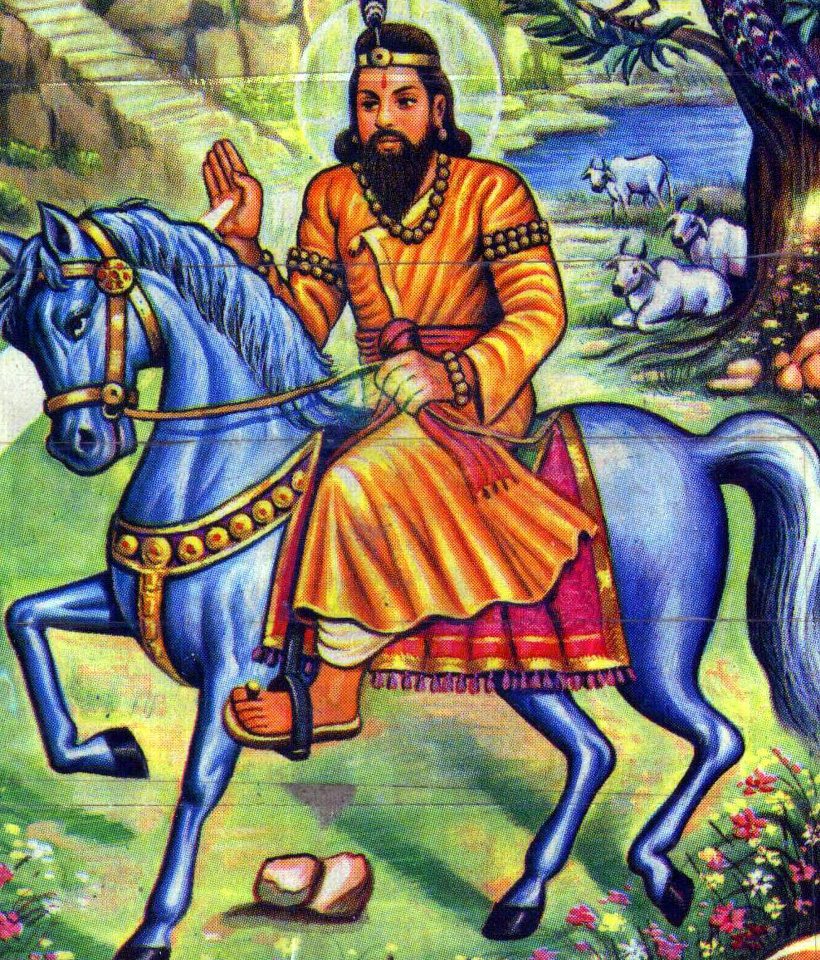 🇮🇳 IndiaBaba Mohan Ramबाबा मोहन राम
A folk form of Krishna worshipped at a cave shrine with a flame that never diesBeing · Healing · Luck and prosperity Living
 🇮🇳 IndiaAshapura Mataआशापुरा माता
A Hindu goddess worshipped as the clan protector of Rajput and other communities in western India.Being · Protection · Luck and prosperity Living
🇺🇸 United StatesGonakadet
A mythical sea creature of the Pacific Northwest believed to bring wealth and luck.Being · Luck and prosperity Legendary
 🇮🇸 IcelandGrásteinn
A lodestone in Iceland linked to elf habitation and safe passageBeing · Luck and prosperity · Speaking with spirits and the dead Living
 🇮🇪 IrelandBanbaBanbha
An Irish goddess of the land who greeted the MilesiansFigure · Luck and prosperity · Love and attraction Legendary
🇫🇮 FinlandMenninkäinen
A Finnish spirit or goblin linked to hidden treasures and urban labourBeing · Luck and prosperity · Cursing and harm Legendary
🇿🇦 South AfricaAmadlozi
Ancestors of the Nguni people who guide and protect their descendantsBeing · Protection · Speaking with spirits and the dead Living
 🇯🇵 JapanYamawaro山童
A mountain spirit of Western Japan, often linked to river kappa and known for pranks and lumberjack assistance.Being · Cursing and harm · Luck and prosperity Historical
 🇯🇵 JapanNingyo人魚
A Japanese water creature with a human head or torso and a fish's bodyBeing · Luck and prosperity Legendary
 🇨🇳 ChinaTenghuang騰黃
A winged or equine creature from Chinese myth that grants long life and high status.Being · Luck and prosperity · Power and authority Legendary
🇰🇭 CambodiaMrenh kongvealម្រេញគង្វាល
Khmer jungle spirits said to guard animals and guide people through dreamsBeing · Protection · Speaking with spirits and the dead Living
 🇵🇭 PhilippinesKapre
A tree-dwelling giant from Philippine folklore known for smoking cigars and playing pranks.Being · Cursing and harm · Luck and prosperity Legendary
🇺🇸 United StatesAmikuk
A shapeshifting creature from Yup'ik legend that moves through earth and water.Being · Cursing and harm · Luck and prosperity Legendary
🇪🇸 SpainVentolín
Cantabrian air spirits that assist fishermen at seaBeing · Luck and prosperity Legendary
Photo credits on this page
The small pictures above come from Wikimedia Commons under free licences. Some are cropped to fit.
- Ashapura Mata: Rossifummi, CC BY-SA 4.0, source
- Oshosi: Picture taken by Eurico Zimbres, CC BY-SA 2.5, source
- Witchcraft in the Philippines: The original uploader was Rodsan18 at English Wikipedia . ( Original t, CC BY 2.5, source
- West African Vodún: I cropped, original authors are Ridpath, John Clark, CC BY-SA 4.0, source
- Feldgeist: Zwoelefant, CC BY-SA 3.0, source
- Tenghuang: Unknown author, Public domain, source
- Hobgoblin: Herbert Railton, Public domain, source
- Landvættir: TommyBee, Public domain, source
- Shui Wei Sheng Niang: Maya-Anaïs Yataghène, CC BY 2.0, source
- Baba Mohan Ram: Yajush Rao, CC BY-SA 4.0, source
- Grásteinn: Ásgeir Helgason, Attribution, source
- Banba: Kent Wang, CC BY-SA 2.0, source
- Yamawaro: Brigham Young University, CC BY-SA 4.0, source
- Ningyo: Author:, Public domain, source
- Muki: Arístides Herrera Cuntti at Spanish Wikipedia, CC BY-SA 3.0, source
- Rübezahl: User:Antosh, CC BY-SA 4.0, source