Traditions and systems
Whole bodies of practice: Vodou, shamanism, hoodoo, Wicca, onmyodo, Ifa and the rest.
A tradition is a whole body of magical practice with its own teachers, vocabulary and rules, as distinct from a single charm or rite. Ifa in West Africa, Vodou in Haiti, Tibetan Buddhist ritual, Wicca in Britain and America, and Siberian shamanism are all traditions in this sense. Some are living religions, some are modern inventions, and some survive only in fragments. This page looks at how they differ and what each label hides. Each is described here in its own terms wherever the community has chosen to share them.
Who holds them
A tradition has keepers. In Ifa, a babalawo trains for years and memorises the verses of Odu. In Haitian Vodou, a houngan or mambo is initiated within a house and a lineage. Wicca, by contrast, grew from the writings of Gerald Gardner in the 1950s and spreads by books and covens. Access varies: some traditions are open, some require initiation, and some are closed to outsiders by the community's own rule.
Names that mislead
Outsiders have often given traditions names their keepers did not choose. Colonial officials and missionaries called African and Indigenous religions fetishism, witchcraft or devil worship. The word voodoo, borrowed from the Haitian religion, became a stock horror image, while practitioners say Vodou. Many people also reject the word magic for what they see as plain religion, worship of ancestors or medicine of the land. Some are written down in long poems or scriptures, while others are carried only in memory, song and apprenticeship, which affects how outsiders can study them.
How states treat them
Treatment ranges from protection to prohibition. Haiti recognised Vodou as a religion in 2003. Britain repealed its Witchcraft Act only in 1951. Several African and Pacific states still prosecute witchcraft accusations, and Saudi Arabia has executed people for sorcery. Many traditions were absorbed rather than banned: Santeria wore the faces of Catholic saints, and Taoist ritual was licensed by Chinese emperors. Recognition on paper does not end prejudice: a faith can be legal under a constitution and still be mocked, taxed or policed at local level.
Scholars and sceptics
Anthropologists such as Evans-Pritchard, who studied the Azande in the 1930s, described magic as a coherent system of explanation, not stupidity. Historians stress that boundaries between religion, magic and science were drawn by particular people for particular reasons. Sceptics point out that tests of efficacy have found no effect beyond expectation. Many tradition-bearers answer that the question misses what the practice is for. Folklorists add that traditions are always changing, with no pure original to return to, and that revival is itself a form of change.
Tradition on EveryJaadu
The entries written up so far, best known first.
 🇦🇺 AustraliaKurdaitchakwertatye
A ritual executioner and feathered shoes of the Arrernte people in Central Australia.Tradition · Cursing and harm · Power and authority Historical
 🇫🇷 France and 1 moreDruiddruides
A learned priestly class of the ancient Celts in Gaul and BritainTradition · Cursing and harm · Protection Historical
 🇵🇭 PhilippinesWitchcraft in the Philippinespangkukulam
Indigenous beliefs about sorcery and malevolent magic in the PhilippinesTradition · Cursing and harm · Healing Living
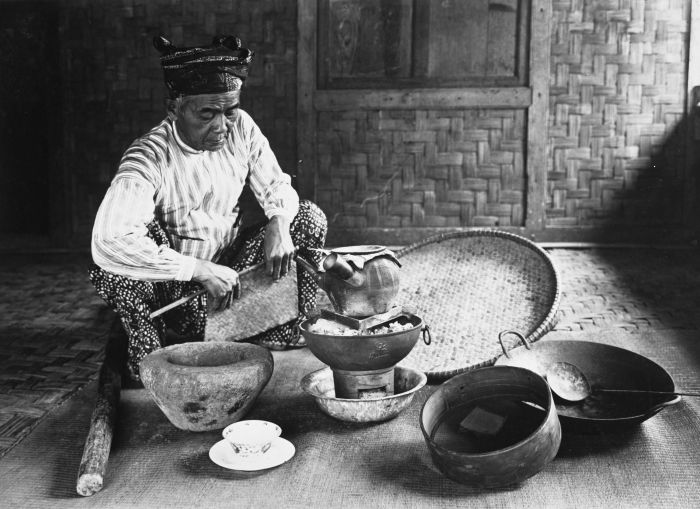 🇮🇩 Indonesia and 2 moreDukun
A traditional healer and spirit medium in Indonesian folk practiceTradition · Healing · Seeing and foretelling Living
 🇳🇬 Nigeria and 4 moreJuju
A West African spiritual belief system involving charms and ritualsTradition · Healing · Luck and prosperity Living
 🇨🇫 Central African Republic and 5 moreWitchcraft in Africa
Beliefs about supernatural harm and the social responses to accusations across the continentBelief · Cursing and harm · Protection Living
 🇺🇸 United States and 3 moreHoodoo
A spiritual tradition of the African diaspora in the American South using herbs and charms for protection and justice.Tradition · Protection · Healing Living
 🇸🇸 South Sudan and 2 moreAzande witchcraft
A hereditary power believed to cause harm through hatred and psychic force among the Azande people.Belief · Cursing and harm · Healing Living
 🇯🇲 Jamaica and 5 moreObeah
A Caribbean tradition of ritual healing and spell-casting with African rootsTradition · Protection · Healing Living
 🇸🇪 Sweden and 2 moreGermanic seeressvǫlva
Diviners and sorceresses of early Germanic and Norse societyTradition · Seeing and foretelling · Power and authority Revived
 🇨🇺 Cuba and 5 morePalo
An Afro-Cuban religion centered on spirit vessels and ancestral powerTradition · Healing · Cursing and harm Living
 🇬🇷 Greece and 2 moreMagic in the Greco-Roman world
Private supernatural practices in ancient Greece and Rome, distinct from public state religion.Tradition · Protection · Cursing and harm Historical
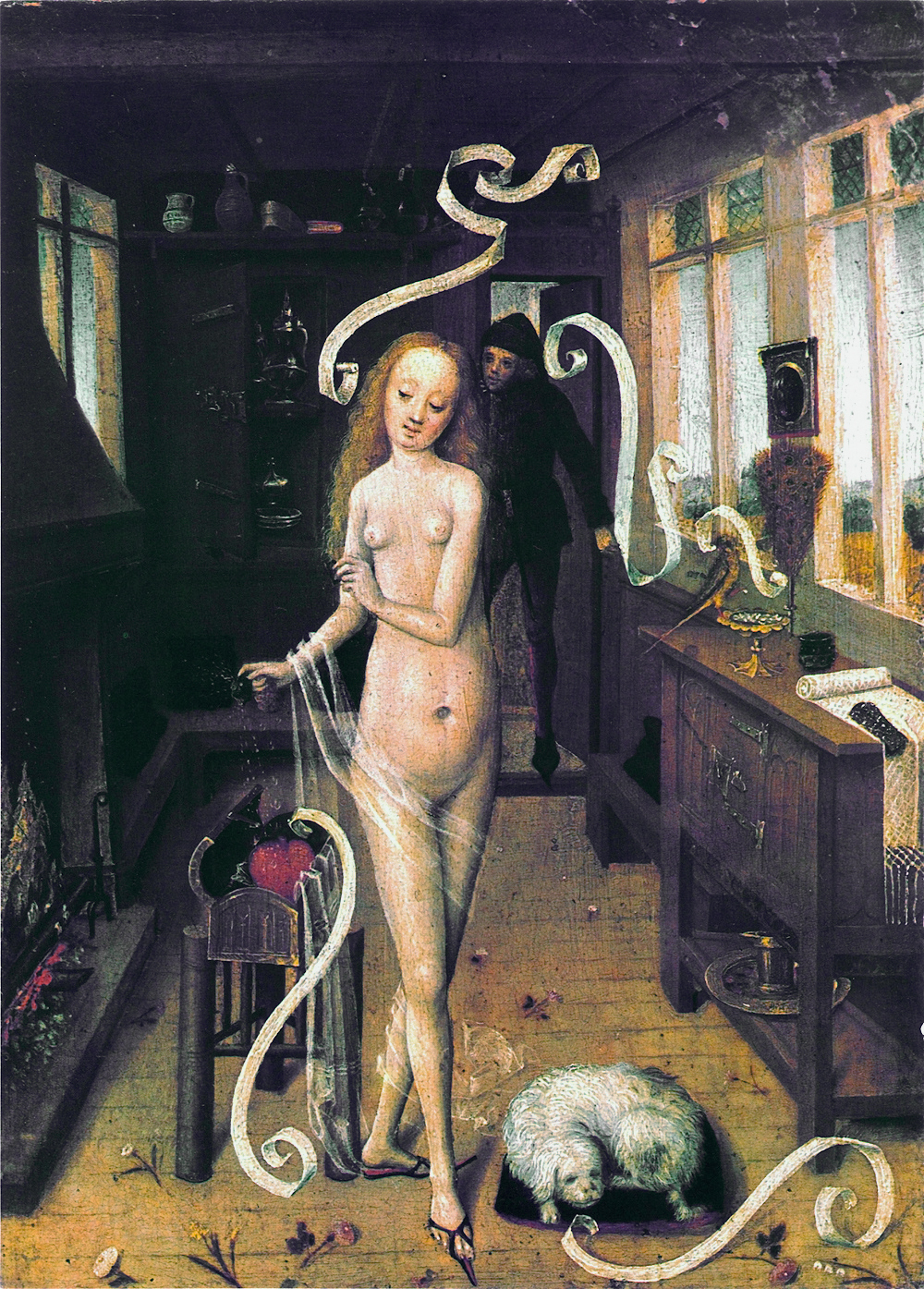 🇮🇶 Iraq and 5 moreLove magic
Rituals and spells used to attract, preserve, or end romantic relationships across many cultures.Tradition · Love and attraction · Cursing and harm Historical
 🇮🇸 Iceland and 3 moreSeiðr
A Norse divination and manipulation magic practiced during the Viking Age.Tradition · Seeing and foretelling · Cursing and harm Revived
 🇬🇧 United Kingdom and 1 moreMagic in Anglo-Saxon Englandgaldorcræft
Healing charms and protective rituals practiced by early English tribesTradition · Healing · Protection Historical
 🇬🇷 GreeceWitchcraft in ancient Greece and Rome
Ancient beliefs and practices of magic, curses, and love charms in the Mediterranean worldTradition · Cursing and harm · Love and attraction Historical
🇭🇹 HaitiBizango
Haitian secret societies linked to Vodou and social controlTradition · Cursing and harm · Binding and oaths Living
 🇬🇷 Greece and 3 moreExorcist
A religious specialist who performs rites to remove alleged demonic possession from people or places.Tradition · Cursing and harm · Cleansing and purification Living
 🇺🇸 United StatesEtsy witches
Online practitioners selling spells and charms through digital marketplacesTradition · Luck and prosperity · Love and attraction Living
 🇳🇿 New Zealand and 5 moreMokomokaiToi moko
Preserved Māori heads with facial tattoos, once traded as curios and now repatriated.Being · Cursing and harm · Power and authority Historical
 🇰🇷 South KoreaBangsatap방사탑
A stone cairn on Jeju Island believed to shield communities from harm and disease.Tradition · Protection · Cursing and harm Revived
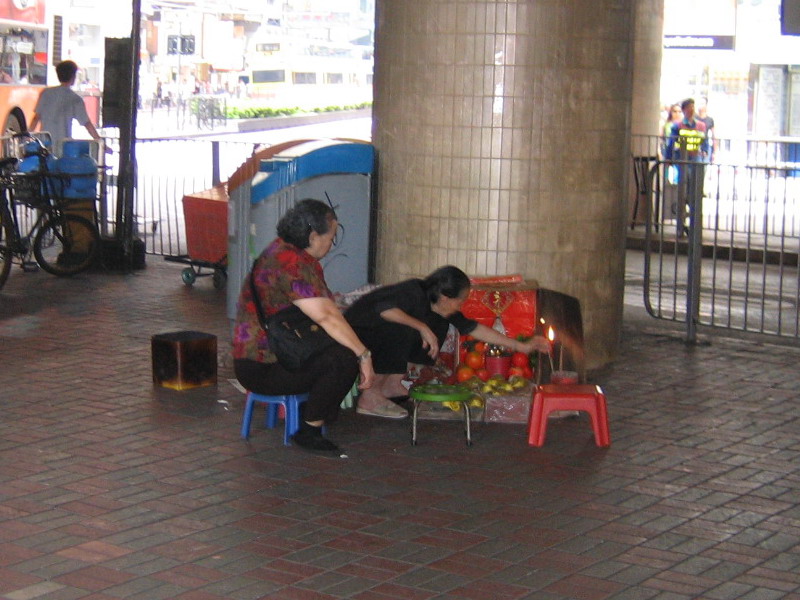 🇨🇳 China and 1 moreVillain hitting打小人
A Cantonese rite that strikes paper effigies with a shoe to ward off enemiesTradition · Cursing and harm · Protection Living
🇬🇾 Guyana and 3 moreComfa
A Guyanese folk religion blending African, Christian, and Asian traditions through spirit possession.Tradition · Speaking with spirits and the dead · Cursing and harm Living
Photo credits on this page
The small pictures above come from Wikimedia Commons under free licences. Some are cropped to fit.
- Obeah: Various, published by David Nutt, Public domain, source
- Exorcist: Francisco Goya, Public domain, source
- Germanic seeress: Emil Doepler, Public domain, source
- Love magic: Kölner Meister [ 1 ] The artist is an unknown lower Rhenish artist. [, Public domain, source
- Druid: Bernard de Montfaucon, Public domain, source
- Azande witchcraft: Unknown author, CC BY 4.0, source
- Freyja: John Bauer, Public domain, source
- Philippine mythology: The original uploader was Rodsan18 at English Wikipedia . ( Original t, CC BY 2.5, source
- Etsy witches: Таролог Альбина, CC BY-SA 4.0, source
- Mokomokai: New Zealand Electronic Text Centre, Public domain, source
- European witchcraft: Unknown author, CC BY 4.0, source
- Witchcraft in ancient Greece and Rome: Wilhelm Tischbein, Public domain, source
- Palo: Burkhard Mücke, CC BY-SA 4.0, source
- Bangsatap: Grapesurgeon, CC BY-SA 4.0, source
- Bald's Leechbook: Unknown, the Internet Archive scan is low quality, and some of the tex, Public domain, source
- Juju: ILN Staff, after special artist correspondent Mr Harries F.R.G.S., Public domain, source
- Kurdaitcha: Unknown author, CC BY 4.0, source
- Villain hitting: No machine-readable author provided. Underbar dk assumed (based on cop, CC BY-SA 3.0, source
- Dukun: Unknown author, CC BY-SA 3.0, source
- Hoodoo: Hoodoowoman, CC BY-SA 4.0, source
- Magic in the Greco-Roman world: ArchaiOptix, CC BY-SA 4.0, source