Books and texts
Grimoires, magical papyri, Kabbalistic and Hermetic works and the manuals of cunning folk.
Magical texts are the books, scrolls and papyri that record spells, rites and lore: the Greek Magical Papyri, the Hebrew Sefer Yetzirah and the Zohar, the Picatrix, the Key of Solomon, the Grimorium Verum, the Hindu Atharvaveda, the Egyptian Book of the Dead, the Chinese Taoist ritual manuals and the grimoires of the European cunning folk. This page asks what these texts are, who wrote and read them, and why their authority is complicated.
What the texts are
Some are scripture, such as the Atharvaveda, which contains charms and healing hymns beside its worship. Some are handbooks, like the Greek Magical Papyri from Roman Egypt, which mix Greek, Egyptian and Jewish elements. Some are medieval compendia, such as the Arabic Picatrix. Many European grimoires were printed cheaply and passed hand to hand, and names such as Solomon were attached to give them credit. Some are tiny, such as a few lines on a papyrus strip folded into a case, and some run to hundreds of pages, but all were handled by a small number of people.
Readers and gatekeepers
Literacy mattered. A text of magic could only be used by someone who could read, copy and, often, read Latin, Hebrew or Arabic. That made the learned magician a figure of the elite and left village healers with oral knowledge. In Ethiopia, the debtera, a church-trained scribe, writes protective scrolls. In Java and Malaysia, Quranic and Sanskrit-derived texts are kept by family teachers. Where a text was in a sacred language, the ritual use sometimes outran the meaning, and people recited words they could not translate because the sound itself was held to matter.
Censorship and burning
Texts have been burned. The Church placed books of magic on its Index, Chinese dynasties restricted books of divination, and Qing and later authorities attacked books they saw as superstition. The Nazi regime closed occult lodges and seized their libraries. What we now know of some practices survives because inquisitors, in transcribing confiscated books, kept copies. Preservation depends on accident as well as intention: papyri survived in the dry sands of Egypt, while many paper books of village healers were lost when families moved or owners died.
Authenticity and the market
Many famous grimoires are not as old as they claim. The Sixth and Seventh Books of Moses is a nineteenth-century compilation. Scholars study such works to see how people imagined power, not to test it. Modern editions and online copies are popular, and some publishers present them as ready-to-use manuals, which the guide treats as a matter of belief and not of instruction. Collectors, museums and antiquarian dealers now trade in old manuscripts, and some forgeries sell as originals, which is another reason scholars check provenance.
Text on EveryJaadu
The entries written up so far, best known first.
 🇫🇷 FrancePetit AlbertSecrets merveilleux de la magie naturelle et cabalistique du petit Albert
An 18th-century French grimoire of natural and cabalistic magic sold to rural householdsText · Protection · Luck and prosperity Historical
🇮🇹 ItalyDe Umbris Idearum
A 1582 treatise by Giordano Bruno on memory, magic and philosophyText · Power and authority · Wonder and entertainment Historical
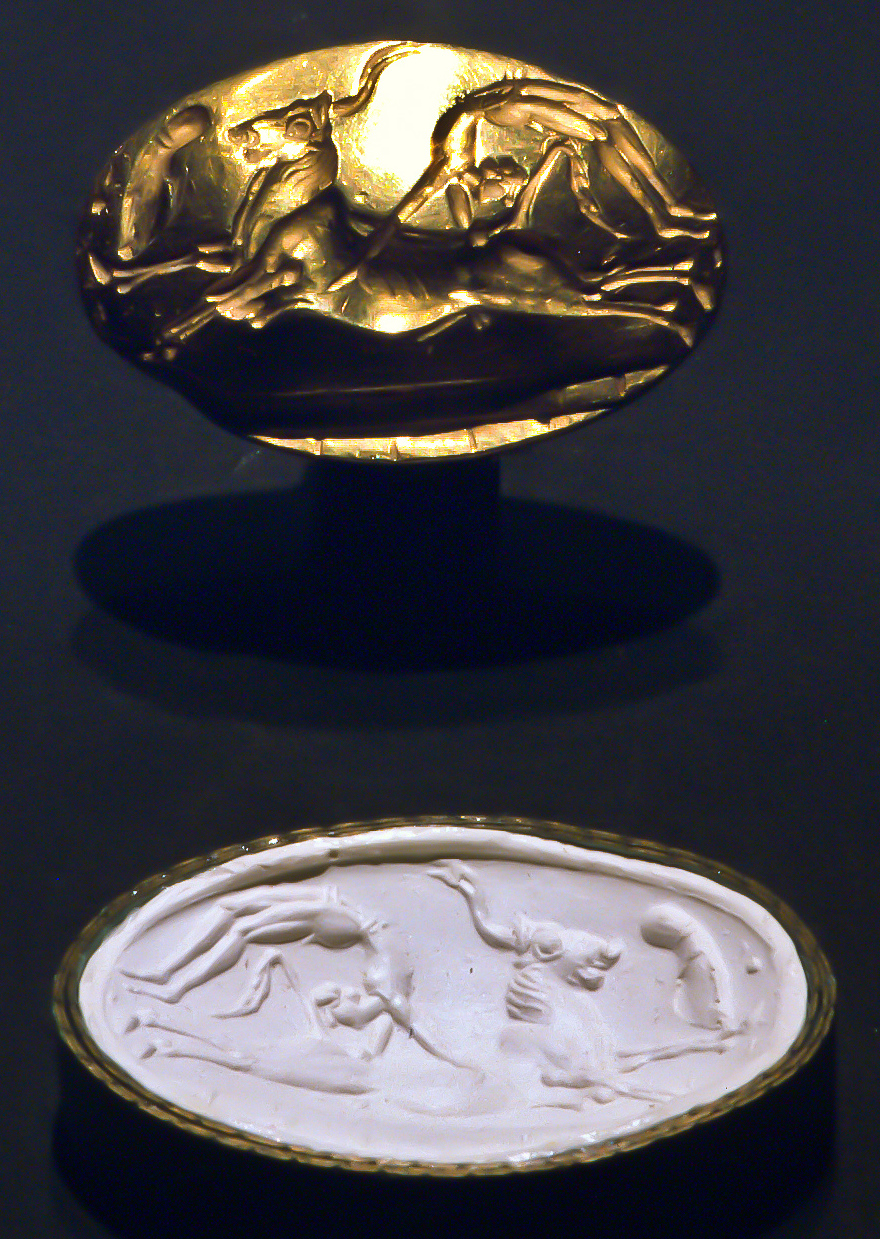 🇬🇷 GreeceMinoan sealstones
Carved gemstones and amulets from Bronze Age Crete used for identification and ritualCharm · Protection · Power and authority Historical
🇮🇳 India and 1 moreManba al-Ansabمنبع الانساب
A Persian manuscript tracing Sayyid lineage and Sufi practice in early modern IndiaText · Speaking with spirits and the dead · Power and authority Historical
🇮🇹 Italy and 1 moreBooks of secrets
Early modern European compilations of recipes and formulae framed as hidden knowledgeText · Power and authority Historical
🇯🇵 JapanAme no Ohabari天之尾羽
A legendary sword and Shinto spirit from Japanese mythBeing · Cursing and harm · Power and authority Historical
🇬🇧 United Kingdom and 1 moreThe History of Spiritualism
A two-volume history of the Spiritualist movement written by Arthur Conan Doyle in 1926.Text · Speaking with spirits and the dead · Power and authority Historical
🇮🇸 IcelandSowilo
The s-rune representing the sun in Germanic writing systemsText · Power and authority Historical
 🇨🇿 Czech Republic and 1 moreCodex GigasObří kniha
A massive medieval manuscript known for its size and a portrait of Satan.Text · Power and authority Historical
 🇮🇱 Israel and 1 moreAna BeKoachאנא בכח
A medieval Jewish liturgical poem linked to the 42-letter name of GodText · Power and authority · Protection Living
 🇹🇷 Turkey and 1 moreSeal of Muhammadختم الرسول (Khatm ar-Rasul)
Relics and designs attributed to the Prophet's signet ring and correspondence marks.Charm · Power and authority · Protection Historical
 🇮🇸 Iceland and 3 moreRune poem
Proverbial verses used to memorize the names and order of runic lettersText · Power and authority Historical
 🇪🇬 EgyptMagical alphabet
Letter systems used in occult rituals and talismanic magicText · Protection · Power and authority Living
🇮🇳 IndiaA Treatise on White Magic
An esoteric textbook by Alice Bailey outlining fifteen rules for spiritual service and initiation.Text · Speaking with spirits and the dead · Change and initiation Historical
🇷🇺 RussiaBook of prophecieschrismologion
A literary genre collecting prophecies and divination methodsText · Seeing and foretelling · Power and authority Historical
 🇮🇸 Iceland and 3 moreDeal with the Devil
A cultural trope of trading one's soul for worldly favours in exchange for demonic aidBelief · Power and authority · Cursing and harm Historical
🇺🇸 United StatesDreaming the Dark
A 1982 book by Starhawk linking magic, sex, and politicsText · Power and authority Historical
 🇫🇷 France and 1 moreDogme et Rituel de la Haute Magie
A foundational treatise on ritual magic by Éliphas Lévi, structured around the tarot.Text · Power and authority · Wonder and entertainment Historical
 🇮🇳 IndiaHoroscope
A diagram of planetary positions at a specific moment, used for divination and personality analysis.Belief · Seeing and foretelling · Power and authority Living
🇨🇭 SwitzerlandArbatel de magia veterum
A 1575 Swiss grimoire focused on celestial spirits and Christian ethicsText · Power and authority · Speaking with spirits and the dead Historical
 🇹🇭 Thailand and 2 moreSang Thongสังข์ทอง
A Southeast Asian folktale about a prince born in a shell who gains golden skin and magical powers.Figure · Luck and prosperity · Love and attraction Historical
 🇮🇹 Italy and 5 moreCrucifix
A cross bearing the figure of Jesus, central to Christian worship and artText · Power and authority Living
 🇮🇳 IndiaOccult Chemistry
A Theosophical book claiming to reveal atomic structure through clairvoyanceText · Power and authority Historical
 🇮🇹 ItalyGli ExperimentiGli Experimenti de la Ex.ma S.r Caterina da Furlj Matre de lo inllux.mo S.r Giouanni de Medici
A 16th-century manuscript of alchemical, medicinal, and cosmetic recipes by Caterina SforzaText · Healing · Power and authority Historical
🇸🇪 SwedenUthark theory
A proposed rearrangement of runes into a cipher order, popular in esoteric circles.Text · Power and authority Historical
🇬🇧 United KingdomThe Book of Thoth
A guide to a tarot deck designed by an occultist and his collaboratorText · Power and authority · Seeing and foretelling Historical
🇪🇸 SpainLiber Ignium
A medieval Latin manuscript containing recipes for incendiary weapons and chemicals.Text · Cursing and harm · Power and authority Historical
Photo credits on this page
The small pictures above come from Wikimedia Commons under free licences. Some are cropped to fit.
- Petit Albert: Albertus Parvus Lucius, CC BY-SA 4.0, source
- Minoan sealstones: Andree Stephan, CC BY 3.0, source
- Codex Gigas: Herman the Recluse of the Benedictine monastery of Podlažice, Public domain, source
- Ana BeKoach: Baruch Zvi Ring (c. 1872 - 1927) Details on Google Art Project, Public domain, source
- Seal of Muhammad: unknown (drawing is signed in lower left corner), Public domain, source
- Rune poem: Tollef Salemann, CC0, source
- Magical alphabet: Francis Barrett, Public domain, source
- Deal with the Devil: Christoph, Public domain, source
- Dogme et Rituel de la Haute Magie: Eliphas Levi, Public domain, source
- Horoscope: Peter Presslein, CC BY-SA 3.0, source
- Sang Thong: Narisara Nuwattiwong, Public domain, source
- Crucifix: Turismo Bahia, CC BY-SA 2.0, source
- Occult Chemistry: The Theosophical Society (Adyar, Madras, India), Public domain, source
- Gli Experimenti: Mattman723, CC BY-SA 3.0, source