Charms, amulets and talismans
Made and worn things: the nazar, the hamsa, the omamori, the mojo bag and the witch bottle.
Charms, amulets and talismans are things made or chosen to carry a purpose. The blue glass nazar in Turkey, the hamsa hand across North Africa and the Middle East, the Japanese omamori, the Haitian pwen, the Italian cornicello and the Hoodoo mojo bag all belong here. They are small, portable and personal, and found on every continent. This page looks at what they are said to do and how they are made, sold and understood.
Amulet or talisman
The two words are often used loosely. An amulet is usually said to protect by what it is, such as a blue bead against the evil eye. A talisman is made or empowered for a purpose, often with writing, a name or a date. Islamic, Jewish, Taoist and Hindu traditions all have written talismans: the Taoist fu, the Jewish kame'a, the Hindu yantra and the Muslim hirz. The common thread is that something small and personal is believed to hold a purpose on behalf of its owner.
Making and keeping
Many charms are made by specialists, then blessed or sold at a temple, shrine or market. Others are made at home, such as a red thread, a knotted cord, or a horseshoe nailed over a door. Practitioners usually say a charm should be kept clean, respected and not shown off. In Japan an omamori is returned to its shrine after a year. Charm makers are often women, jewellers, scribes or temple staff, and the person who makes a charm may not be the person who blesses it.
Faith and suspicion
Religious authorities disagree on charms. Some Islamic scholars allow Quranic verses carried as a reminder and reject objects held to work by themselves. Many Christian churches have blessed medals and scapulars while condemning amulets of folk origin. Sikh teaching rejects charms altogether. Anthropologists read them as ways to hold fear and uncertainty in a form a person can carry. Interpretation is divided within religions too, so one family may treat a bead as decoration while a neighbour treats it as a serious shield.
Market and appropriation
Charms are big business. Evil-eye beads sell as fashion on every high street, and the hamsa appears as a decoration far from its homes. Fakes are common, and some sellers promise outcomes in ways that amount to fraud, particularly in expensive gemstone or lottery charm schemes. Sacred designs used as a logo can offend the community they come from. Designers have taken eyes, hands and runes as motifs, and while many communities are glad to see them shared, others ask that sacred symbols not be turned into trivia or used by brands.
Charm on EveryJaadu
The entries written up so far, best known first.
 🇨🇳 China and 5 moreHorseshoe
A curved plate fixed to a horse's hoof for protection, also kept as a charm for fortune.Charm · Protection · Luck and prosperity Living
 🇮🇸 IcelandIcelandic magical stavesgaldrastafir
Sigils from Icelandic grimoires believed to hold magical powerCharm · Power and authority Historical
 🇬🇧 United Kingdom and 3 moreJet
A black gemstone carved into amulets and mourning jewelry for millenniaCharm · Protection · Power and authority Historical
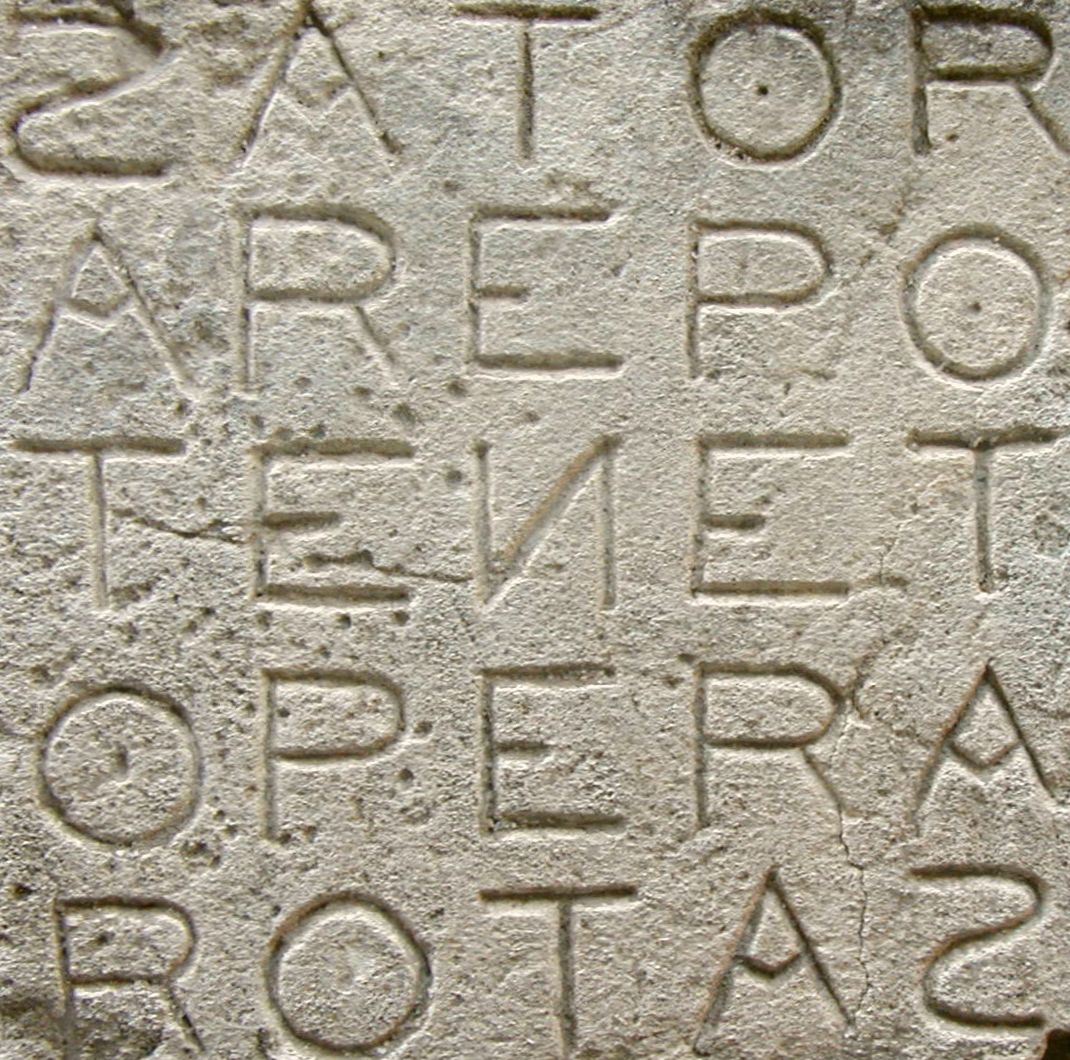 🇮🇹 Italy and 5 moreSator Square
A five-word Latin palindrome found in Roman ruins and medieval churchesCharm · Protection · Healing Historical
 🇸🇪 Sweden and 3 moreSilver bullet
A projectile of silver said to pierce supernatural armor, and a metaphor for a simple fix.Charm · Cursing and harm · Luck and prosperity Historical
 🇷🇺 Russia and 5 moreAxe of Perun
Bronze axe-shaped pendants worn in honor of the Slavic god PerunCharm · Power and authority Historical
 🇸🇪 SwedenKvinneby amulet
An 11th-century Swedish copper plate with a long runic inscription seeking protectionCharm · Protection Historical
 🇮🇹 Italy and 1 morePalladiumΠαλλάδιον (Palladion)
A wooden statue of Athena said to protect cities, stolen from Troy and brought to Rome.Charm · Protection Historical
 🇲🇹 Malta and 2 moreDevotional medal
Small metal pieces made and worn for Christian devotionCharm · Protection Living
 🇫🇷 France and 1 moreGargoylegargouille
A carved stone waterspout shaped like a creature, used on Gothic buildings to shed rainwaterCharm · Protection · Wonder and entertainment Historical
 🇷🇺 Russia and 2 moreBesomвеник
A twig broom used for sweeping, folk magic, and fire responseCharm · Protection · Wonder and entertainment Living
 🇮🇹 ItalyAlchemical DoorPorta Alchemica
A Roman gate covered in alchemical symbols and legends of transmutationCharm · Power and authority · Wonder and entertainment Historical
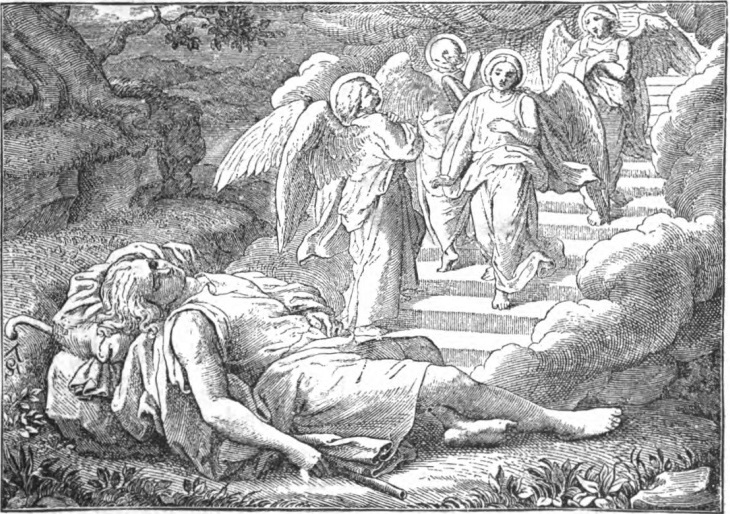 🇮🇱 Israel and 2 moreStone of Jacob
A biblical stone linked to a patriarch's vision and later claimed by Scottish coronation loreCharm · Power and authority Historical
🇵🇱 Poland and 1 moreTwardowski's Mirror
A cracked Renaissance mirror linked to the legend of a magical alchemistCharm · Power and authority Historical
 🇬🇷 GreeceAkanthos curse tablet
A lead tablet from Macedonia carrying a man's spell to draw two people to himCharm · Binding and oaths · Love and attraction Historical
 🇬🇷 GreeceLabrysλάβρυς
A double-headed axe from ancient Crete, now a symbol of lesbian feminism and neo-paganismCharm · Power and authority · Protection Living
 🇬🇷 Greece and 1 moreCaduceus
A herald's staff entwined with two serpents and wings, linked to commerce and peace.Charm · Luck and prosperity · Speaking with spirits and the dead Historical
 🇩🇪 Germany and 5 moreYellow badgeJudenstern
A marked garment worn by Jews under laws of distinction and humiliation across centuries.Charm · Cursing and harm Historical
 🇸🇪 Sweden and 3 moreAlu
A runic charm word found on Germanic artifacts, linked to magic and intoxication.Charm · Power and authority · Wonder and entertainment Historical
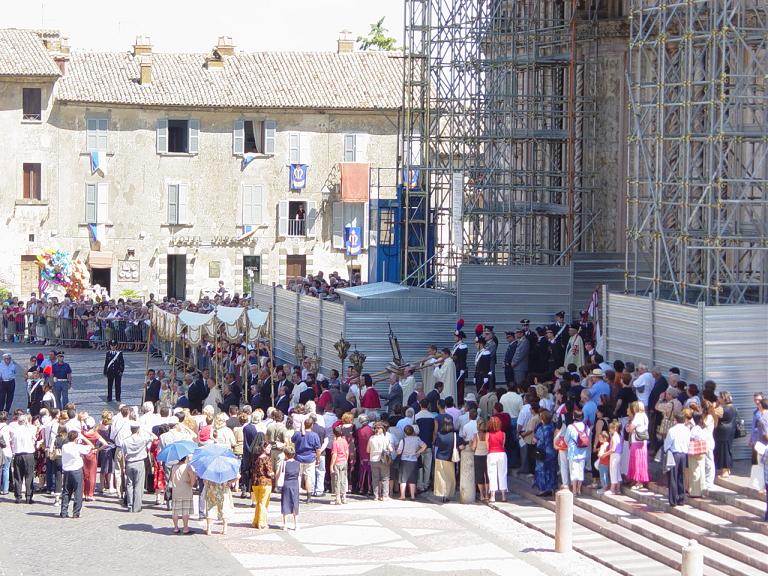 🇮🇹 ItalyCorporal of Bolsena
A cloth stained with red marks from a medieval Eucharistic eventCharm · Protection Historical
Photo credits on this page
The small pictures above come from Wikimedia Commons under free licences. Some are cropped to fit.
- Silver bullet: Smithsonian Institution, CC0, source
- Akanthos curse tablet: CNG Coins, CC BY-SA 3.0, source
- Palladium: Marie-Lan Nguyen ( Jastrow ), Public domain, source
- Sator Square: M Disdero, CC BY-SA 3.0, source
- Kvinneby amulet: Ulrik Skans SHMM, CC BY-SA 2.5, source
- Apollo: Wolfgang Sauber, CC BY-SA 3.0, source
- Icelandic magical staves: Unknown author, Public domain, source
- Jet: Thmsfrst, Public domain, source
- Caduceus: Providence Painter, Public domain, source
- Yellow badge: Edited version of original photo by Rama, CC BY-SA 3.0, source
- Horseshoe: Cgoodwin, CC BY-SA 3.0, source
- Axe of Perun: VoivodeZmey, Public domain, source
- Alu: Bloodofox, CC BY-SA 3.0, source
- Corporal of Bolsena: Personal photograph, Public domain, source
- Devotional medal: Xhienne, CC BY-SA 3.0, source
- Gargoyle: Bernard Gagnon, CC BY-SA 4.0, source
- Besom: https://en.wikipedia.org/wiki/David_Cox_(artist), Public domain, source
- Alchemical Door: Sailko, CC BY 2.5, source
- Stone of Jacob: Unknown author, Public domain, source