🇺🇸 Magic in the United States
328 entries from the United States, best known first, across 80 places of magic.
Hoodoo is a spiritual system shaped by West and Central African traditions, Indigenous plant knowledge, and European written guides. Practitioners view it as a companion to established faiths rather than a standalone religion. It weaves ancestor reverence, herbal healing, and protective charms into daily life alongside Protestant, Catholic, and Muslim beliefs.
- First English record of the term appeared in eighteen seventy.
- Practitioners mix Kongo star charts with local plant gathering.
- Hidden gatherings used overturned pots to muffle prayer sounds.
- Cemetery soil was packed into cloth bags for ancestral aid.
Overview
This tradition blends African cosmologies with local plant lore and European occult manuals. Enslaved communities merged Kongo star charts, water spirit veneration, and sacred bundles with Native American herb gathering. The practice centers on honoring departed relatives, seeking fairness, and using botanical preparations for wellness and safety. While some researchers classify it as its own faith, most followers treat it as a flexible layer added to Christianity, Islam, or traditional African paths. Neighboring Caribbean and Southern folk systems share similar charm making and spirit communication methods, though each community adapted the techniques to local plants and colonial pressures.
Practices and beliefs
Followers rely on small cloth pouches filled with roots, stones, and cemetery soil to draw ancestral strength. These containers are called mojo bags or gris-gris, a Mande term for protective charms. Specialists offer fortune telling and advice based on observed signs. Water spirits known as Simbi, believed to guard freshwater sources, are asked for guidance near rivers and springs. Herbal teas and ointments prepared from local leaves serve as everyday remedies. Protective symbols are drawn on doorframes or carried in pockets to ward off harm and attract good fortune.
Rites and charms
Gatherings often occur in hidden forest clearings or private rooms to avoid outside attention. Participants move around a central vessel while chanting low voices. Offerings include food and animal remains placed near household thresholds. Anointing rituals involve rubbing prepared oils onto skin or clothing before travel or difficult tasks. Quiet prayers are sometimes whispered beneath overturned clay pots to muffle sound. These customs focus on maintaining balance between the living and those who have passed, ensuring community safety and personal resilience.
Who practises
Specialists use titles such as rootworker or conjure doctor. They typically earn their role through apprenticeship, dream visions, or family lineage rather than formal schooling. Communities seek them out for healing, conflict resolution, and protection against unfair treatment. White and Black patrons alike visited these experts for fortune telling and charm crafting. Their knowledge was viewed as powerful enough to shift social hierarchies, which made them targets for suspicion and legal scrutiny under strict colonial rules.
Regions and communities
Coastal island groups maintained open practice due to relative isolation and preserved older African rhythms. River valley communities operated in tight secrecy because harsh assembly laws forced gatherings underground. Northern cities saw practitioners offer public services to diverse clients across racial lines. Plantation districts relied on discreet home rituals and quiet woodland meetings. Each area adjusted ingredient lists and ritual pacing to match local flora, weather patterns, and the specific pressures imposed by nearby authorities.
The facts in this overview come from the Wikipedia article "Hoodoo (spirituality)", written by its contributors and used under the CC BY-SA 4.0 licence. EveryJaadu rewrote the text in its own words, with AI assistance, and compares every page with the article to make sure no passage is copied. It may be reused under the same CC BY-SA 4.0 licence with a link back.
Places of magic in the United States
 🇺🇸 United StatesSi Stebbins stack
A mathematical card order that lets a magician find any chosen card by its neighbors.Illusion · Wonder and entertainment Historical
 🇺🇸 United States and 2 moreElectronic voice phenomenon
Sounds on recordings interpreted as spirit voices by enthusiasts and dismissed as noise by scientistsBelief · Speaking with spirits and the dead Living
 🇺🇸 United States and 2 moreNew Orleans Voodoo Revival
A late-20th-century religious movement in New Orleans blending Haitian and Cuban traditions with local history.Tradition · Protection · Healing Living
🇷🇺 Russia and 1 moreThree on a match
A wartime taboo against three people lighting cigarettes from one flameBelief · Cursing and harm Historical
🇺🇸 United StatesSpearfingerU'tlun'ta'
A Cherokee stone witch who eats livers and hides her weak spot.Being · Cursing and harm Legendary
🇺🇸 United StatesGoofer dust
A hoodoo powder used for hexes, protection and coercive love spells in the American South.Charm · Cursing and harm · Protection Historical
 🇺🇸 United States and 4 moreHaunted house
A house said to hold the spirits of its dead, and how the scares are investigatedBelief · Speaking with spirits and the dead · Wonder and entertainment Living
 🇺🇸 United States21 grams experiment
A 1907 attempt to weigh the soul at death, and the 21 grams idea it left behindBelief · Speaking with spirits and the dead Historical
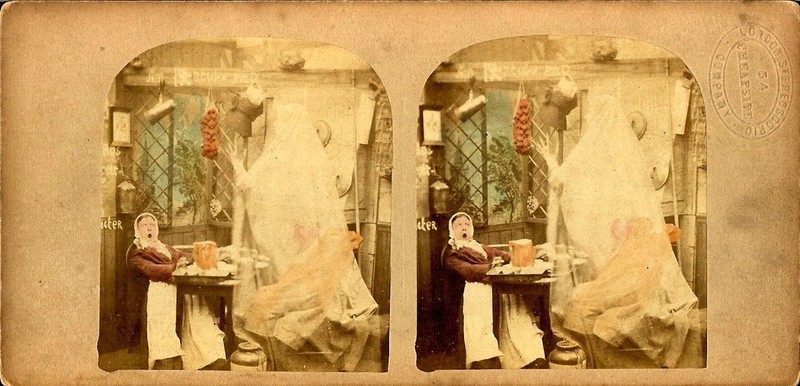 🇺🇸 United StatesSpirit photography
Photographs made or taken to show the dead, from studio sittings to haunted housesTradition · Speaking with spirits and the dead Living
 🇺🇸 United States and 2 moreMidnight ghost show
Traveling stage shows of illusions, fake séances and a lights-out scare finaleIllusion · Wonder and entertainment Historical
 🇺🇸 United StatesAgropelter
An ape-faced beast of lumber tales that pelts passers-by with branches from hollow treesBeing · Cursing and harm Legendary
🇺🇸 United StatesLe Grand David
A Sunday stage magic show in Beverly, Massachusetts, that ran for 35 yearsIllusion · Wonder and entertainment Performed
🇺🇸 United StatesGhost sickness
A grief illness blamed on ghosts or witches, from North America to PolynesiaBelief · Healing · Cleansing and purification Living
🇺🇸 United StatesRaven MockerᎪᎳᏅ ᎠᏰᎵᏍᎩ
Cherokee witches or spirits said to take a dying person's heart and yearsBeing · Cursing and harm Legendary
🇺🇸 United States and 1 moreWiccan church
Churches North American Wiccans form by joining covens togetherTradition Living
🇺🇸 United States and 1 moreUniversal Eclectic Wicca
An American Wiccan tradition with online covens and a shared ethical coreTradition Living
🇺🇸 United StatesGolden Bear
A huge golden bear of Kansas folklore, feared, hunted and later made a mascotBeing Legendary
🇺🇸 United StatesHot foot powder
A hoodoo powder of chilli and minerals, sprinkled to make an unwanted person leave.Substance · Cursing and harm Living
 🇵🇭 Philippines and 2 morePsychic surgery
A bare-handed 'operation' that investigators call conjuringBelief · Healing Historical
 🇺🇸 United StatesVegetable Man
A plant-like humanoid from West Virginia folklore, first printed in 1976.Being Legendary
🇺🇸 United StatesPanthean Temple
A Wiccan and Pagan church in Connecticut and host of a large Beltaine festivalTradition · Speaking with spirits and the dead · Change and initiation Living
 🇺🇸 United StatesHaint blue
A pale blue-green paint kept on porches to turn ghosts and boo hags awayCharm · Protection Living
🇺🇸 United StatesCrawfordsville monster
A white, flapping shape seen over an Indiana town in 1891, later traced to birdsBeing Historical
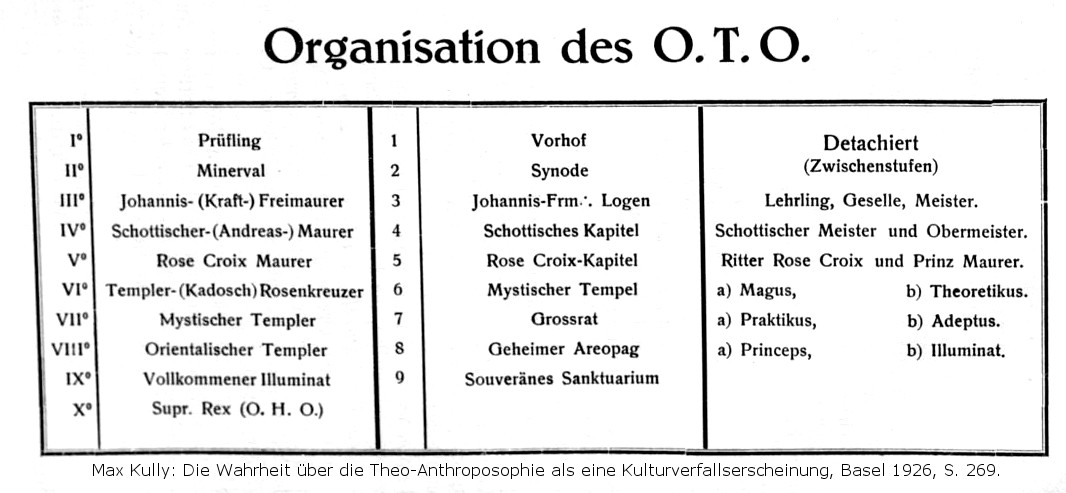 🇩🇪 Germany and 5 moreOrdo Templi Orientis
A secret occult order of initiation degrees, reshaped by Aleister CrowleyTradition · Change and initiation Living
 🇲🇽 Mexico and 1 moreNarco-saintNarcosantos
Folk saints honoured by drug traffickers and other criminalsBelief · Power and authority Living
 🇺🇸 United StatesMudhouse Mansion
A demolished Ohio farmhouse that gathered murder stories and a haunted reputationBelief Legendary
🇺🇸 United StatesAscended master
Enlightened humans said to have risen through initiations to a higher stateBeing · Change and initiation · Speaking with spirits and the dead Living
🇺🇸 United StatesGeorgian Wicca
A neopagan tradition founded in California that follows British Traditional Wicca practices without its English lineage.Tradition · Power and authority · Speaking with spirits and the dead Living
 🇺🇸 United StatesFairy houses
Small outdoor structures built as homes for fairies using natural materialsTradition · Wonder and entertainment Living
🇬🇧 United Kingdom and 1 moreThe History of Spiritualism
A two-volume history of the Spiritualist movement written by Arthur Conan Doyle in 1926.Text · Speaking with spirits and the dead · Power and authority Historical
🇺🇸 United States2019 Louisiana black church fires
A series of arson attacks on three historic African-American churches in St. Landry Parish.Belief · Cursing and harm Historical
🇺🇸 United StatesMinnie Quay
A tragic ghost from Michigan who haunts the shores of Forester Township.Being Legendary
 🇺🇸 United StatesJoint snake
A legendary American serpent said to shatter into pieces and assemble itself againBeing Legendary
🇺🇸 United StatesPalatine Light
A spectral ship sighted near Block Island, rooted in an 18th-century tragedy.Belief · Wonder and entertainment Living
 🇺🇸 United StatesHugag
A lumber camp legend of a moose-like beast that cannot lie down or graze normally.Being · Wonder and entertainment Legendary
🇺🇸 United StatesAmikuk
A shapeshifting creature from Yup'ik legend that moves through earth and water.Being · Cursing and harm · Luck and prosperity Legendary
 🇺🇸 United StatesHillbilly Beast of Kentucky
A tall, hairy creature said to live in eastern KentuckyFigure · Wonder and entertainment Legendary
🇺🇸 United StatesNeo-American Church
A 1960s US group using psychedelic drugs as religious sacraments to challenge drug lawsTradition · Power and authority Historical
🇺🇸 United StatesPueblo clowns
Ritual jesters in Pueblo religion who use humor and disguise to enforce social norms.Being · Cursing and harm · Cleansing and purification Living
🇺🇸 United StatesTailypo
A hungry Appalachian creature that demands the return of its severed tailBeing · Cursing and harm Legendary
Photo credits on this page
The small pictures above come from Wikimedia Commons under free licences. Some are cropped to fit.
- Si Stebbins stack: SyLindsley, CC BY 3.0, source
- Mudhouse Mansion: ChristopherM, CC BY-SA 4.0, source
- Electronic voice phenomenon: Omegatron, CC BY-SA 3.0, source
- Ordo Templi Orientis: Its me, CC BY-SA 4.0, source
- Jesús Malverde: Tomascastelazo, CC BY-SA 4.0, source
- Fairy houses: liz west, CC BY 2.0, source
- Psychic surgery: Brattarb, CC BY-SA 3.0, source
- Hugag: Coert Du Bois, Public domain, source
- Hillbilly Beast of Kentucky: Unknown author, Public domain, source
- Joint snake: Benjamin Franklin, Public domain, source
- New Orleans Voodoo Revival: Greg Willis, CC BY-SA 2.0, source
- Haint blue: Lake Lou, CC BY 2.0, source
- Vegetable Man: Dareed, CC BY 4.0, source
- Midnight ghost show: Unknown author, CC BY 4.0, source
- Spirit photography: Лондонская Стереоскопическая Компания, 1850-е годы, Public domain, source
- Haunted house: John Anster Fitzgerald, Public domain, source
- 21 grams experiment: Anonymous Unknown author, Public domain, source
- Agropelter: Fearsome Critters, Written by Henry H. Tryon • Illustrated by Margaret, CC0, source
The weekly digest
Every Monday: seven entries you may not know, what is on the calendar this week, and one rite drawn step by step.