🇮🇳 Magic in India
350 entries from India, best known first, across 80 places of magic.
Tantra is an esoteric yogic tradition from the Indian subcontinent, initially within Shaivism and Shaktism, later in Buddhism and Vaishnavism. It views the body as divine and uses mantras and rituals to achieve spiritual goals like liberation or supernatural power.
- Tantra means loom or weave in Sanskrit
- It began in India around the 1st millennium CE
- Mantras are central to tantric practice
- Sexual practices are rare and restricted
- Vajrayana Buddhism uses tantric ideas
Overview
Tantra developed in India around the middle of the first millennium CE. It began in Shaivism and Shaktism before spreading to Buddhism and Vaishnavism. The word means loom or weave, suggesting a system that interlaces different teachings. Practitioners see the human body as a reflection of the cosmos. They aim for union with the divine through complex cosmologies. This path is also called the Path of Mantra. It shares influences with Jainism, Taoism, and Shinto. Western views often wrongly link it to sex, but scholars say sexual practices are rare and restricted.
Practices and beliefs
Practitioners use mantras, rituals, and yoga to transform the self. Goals include siddhi, supernatural accomplishment, and kundalini ascent. Texts describe systems for worship and meditation. Deities, both male and female, are central to ritual worship. Magic, sorcery, and divination appear in these texts. The subtle body is mapped to cosmic elements. Geometric patterns called mandalas guide meditation. Initiation by a teacher is required for many advanced techniques.
Rites and charms
Rites focus on sādhanā, which includes initiation and daily practice. Puja, or ritual worship, honors deities and icons. Meditation helps awaken inner energy. Physical purification techniques cleanse the body and mind. Specific gestures and sounds assign meaning to sacred spaces. The house is swept and salt is thrown at the door in some folk contexts, though Tantra focuses more on internal transformation. These rites are said to protect against negative forces and aid spiritual progress.
Who practises
Tantrikas are adepts who follow specific tantric lineages. They undergo diksha, or initiation, to receive knowledge. Teachers guide students through complex practices. Scholars note that living traditions are often secretive. Ethnography of these groups remains scarce due to this secrecy. Practitioners view their path as a way to realize non-duality. They mix tantric elements with other religious aspects freely.
Regions and communities
Tantra spread across South and East Asia. In Tibet, it influenced Vajrayana Buddhism. Japan has Shingon Buddhism, which uses tantric ideas. China developed Esoteric Buddhism based on Indian tantras. Nepal has Newar Buddhist traditions with tantric roots. Southern Esoteric Buddhism parallels tantric ideas without direct reference. These regional variations show how the tradition adapted to local cultures while keeping core concepts.
The calendar
The text does not specify particular festivals or seasonal events for tantric rites. Practices are often tied to personal sadhana rather than public calendars. Life events may involve tantric rituals for protection or blessing. However, no detailed calendar of ceremonies is provided in the source material.
Law and the state
No information is given about legal status or persecution. The text mentions colonial-era definitions but not modern laws. Western scholarship historically labeled tantra as occult or secret. This was a construction by 19th-century Indologists. There is no mention of state treatment or witch-hunts in the provided article.
Today
Modern views often misrepresent tantra as erotic. Scholars work to correct this by studying texts and living traditions. Anthropological study is difficult due to the secretive nature of practitioners. Some researchers try to demystify the myth of secrecy. The tradition continues to influence Hindu, Buddhist, and Jain practices globally.
The facts in this overview come from the Wikipedia article "Tantra", written by its contributors and used under the CC BY-SA 4.0 licence. EveryJaadu rewrote the text in its own words, with AI assistance, and compares every page with the article to make sure no passage is copied. It may be reused under the same CC BY-SA 4.0 licence with a link back.
Places of magic in India
 🇮🇳 India and 1 moreRoshni Mela
A three-day fair of earthen lamps and prayers held at a Sufi shrine in Punjab.Tradition · Protection · Luck and prosperity Living
 🇮🇳 India and 1 moreFolk practices in Punjab
Indigenous beliefs and rituals of the Punjabi people across India and PakistanTradition · Protection · Healing Living
 🇮🇳 IndiaKadangot Makkam
A North Malabar goddess who became a deity after being killed by her brothers.Being · Protection · Love and attraction Living
 🇮🇳 IndiaUchitta Bhagavathyഉച്ചിട്ട ഭഗവതി
A North Malabar goddess of fire and childbirth, performed as TheyyamBeing · Protection · Healing Living
 🇮🇳 IndiaTormaགཏོར་མ
Sculpted offerings of flour and butter used in Tibetan Buddhist ritualsTradition · Speaking with spirits and the dead · Protection Living
 🇮🇳 India and 5 moreKaruppannaswamyகருப்பண்ணசாமி, കറുപ്പണ്ണസാമി
A fierce guardian deity worshipped as a village protector and ancestral enforcer of justice.Being · Protection · Healing Living
🇳🇵 Nepal and 1 moreTenma goddesses
Twelve guardian deities in Tibetan Buddhism who swore to protect the faith.Being · Protection Historical
 🇮🇳 India and 1 moreIravanஅரவான்
A Hindu deity worshipped as a severed head for healing and protectionFigure · Healing · Protection Living
 🇯🇵 Japan and 5 moreSmallpox demon疱瘡神 (Hōsōgami)
A spirit blamed for smallpox in medieval Japan and the rituals used to appease itBeing · Protection · Cursing and harm Historical
🇮🇳 IndiaByangomaব্যাঙ্গমা
Human-faced birds of Bengali tales that tell fortunes and carry the deservingBeing · Seeing and foretelling · Protection Legendary
🇮🇳 IndiaVasavi Kanyaka Parameshvari
A Hindu goddess honored by Komati groups as a clan deity and teacher of ahimsaBeing · Protection Living
🇮🇳 India and 1 moreRani Bhatiyani
A Rajput princess said to have become a guardian goddess of Rajasthan and SindhBeing · Protection · Speaking with spirits and the dead Living
 🇮🇳 IndiaChhapar Mela
A three-day Punjabi fair for Gugga, a hero of legend said to command snakesRite · Protection · Healing Living
 🇮🇳 IndiaPulimaranja Thondachan
A theyyam deity of North Malabar, born from a shapeshifter who became a leopard.Figure · Protection · Power and authority Living
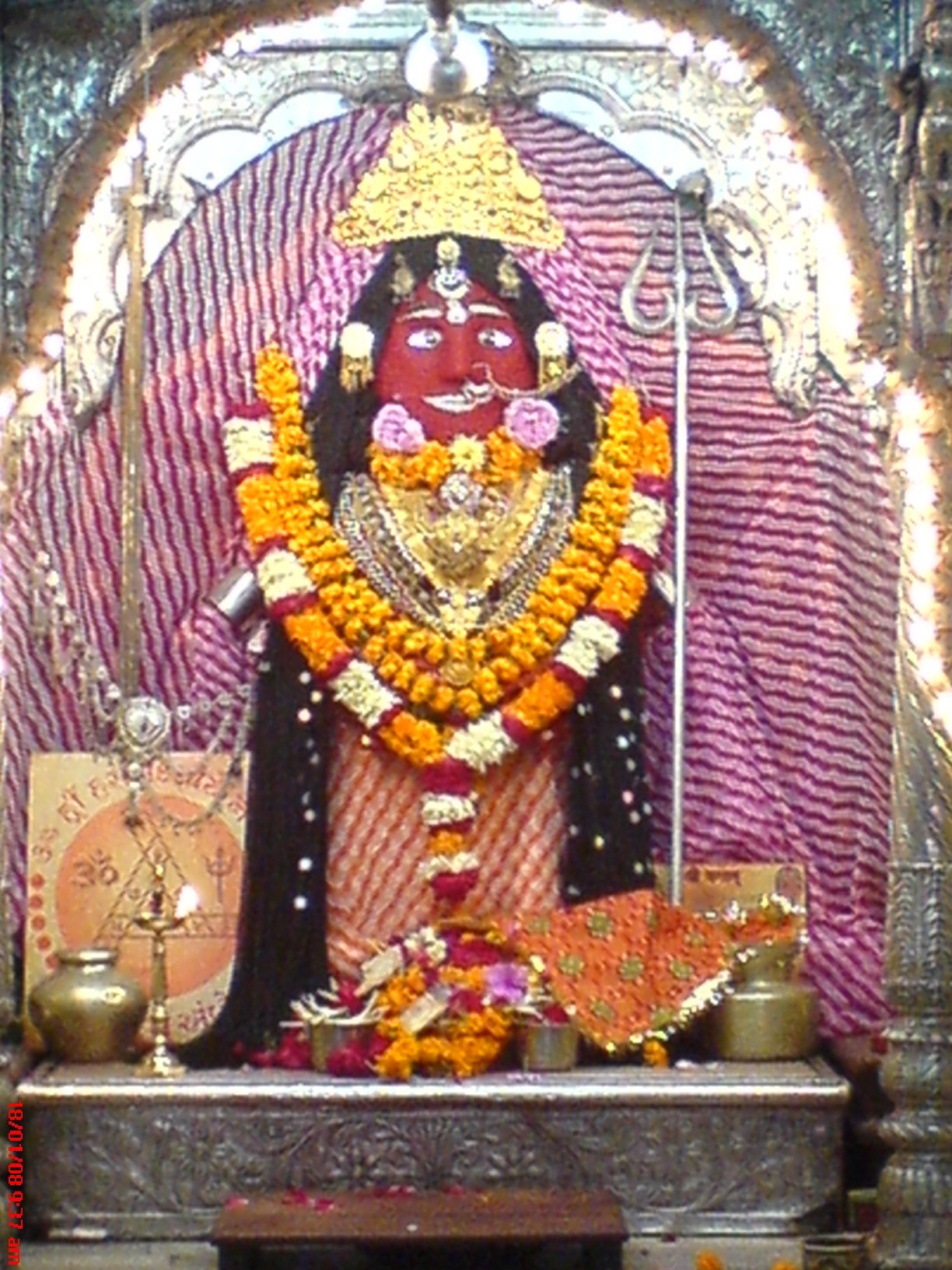 🇮🇳 IndiaHarsidhhi
A regional Hindu goddess kept as a clan deity and asked to guard shipsBeing · Protection Living
🇮🇳 IndiaPolerammaపోలేరమ్మ
A village goddess of smallpox and plague in Andhra PradeshBeing · Protection · Healing Living
 🇳🇵 Nepal and 4 moreYetiགཡའ་དྲེད་
A hairy humanoid of Himalayan story, known in the West as the Abominable SnowmanBeing · Protection Legendary
 🇮🇳 IndiaJakh Botera
Seventy-two horsemen deities honoured in Kutch, IndiaBeing · Protection · Healing Living
 🇮🇳 IndiaKhodiyarખોડીયાર
A limping Hindu folk goddess who rides a crocodile and shields royal clansBeing · Protection · Healing Living
 🇮🇷 Iran and 1 moreSraosha𐬯𐬭𐬀𐬊𐬴𐬀
Zoroastrian yazata of obedience and prayer who guards the world from evil spiritsBeing · Protection · Speaking with spirits and the dead Living
 🇮🇷 Iran and 4 moreJinnجِنّ
Concealed beings from Arabian and Islamic tradition, accountable for their actions like humans.Being · Protection · Cursing and harm Living
🇬🇾 Guyana and 3 moreComfa
A Guyanese folk religion blending African, Christian, and Asian traditions through spirit possession.Tradition · Speaking with spirits and the dead · Cursing and harm Living
Photo credits on this page
The small pictures above come from Wikimedia Commons under free licences. Some are cropped to fit.
- Sraosha: Tahmasp I, CC0, source
- Torma: John Hill, CC BY-SA 4.0, source
- Roshni Mela: FatherofGod, CC BY-SA 4.0, source
- Chhapar Mela: Stalinjeet, CC BY-SA 4.0, source
- Smallpox demon: 佐賀県立図書館, CC0, source
- Jinn: VenusFeuerFalle, CC0, source
- Yeti: Gardner Soule, Public domain, source
- Kadangot Makkam: Shagil Kannur, CC BY-SA 4.0, source
- Harsidhhi: Dkgohil, CC BY-SA 3.0, source
- Iravan: Chainwit., CC BY-SA 4.0, source
- Jakh Botera: Nizil Shah and Bhavya Shah, CC BY-SA 4.0, source
- Pulimaranja Thondachan: Uajith, CC BY-SA 4.0, source
- Folk practices in Punjab: Veer jindal, CC BY-SA 3.0, source
- Karuppannaswamy: GShas, CC0, source
- Khodiyar: Damian N. Boodram, CC BY-SA 4.0, source
- Uchitta Bhagavathy: Sreejith K ( talk ), CC BY 3.0, source
The weekly digest
Every Monday: seven entries you may not know, what is on the calendar this week, and one rite drawn step by step.