🇬🇷 Magic in Greece
179 entries from Greece, best known first, across 80 places of magic.
Ancient Greek folklore rests on oral storytelling, musical performance, and communal ceremonies aimed at honoring the divine. These traditions ran alongside formal state religion, blending myth, legend, and everyday tales into a shared cultural fabric. Scholars note that these beliefs included ghost lore and urban narratives that have largely faded from modern circulation.
- Ancient Greeks shared many oral narrative genres with Roman neighbors.
- The aulos is a double-reed wind instrument used in folk music.
- Massilia practiced an annual rite expelling a chosen scapegoat.
- Classical scholars historically paid little attention to folklore studies.
- Ghost stories and urban legends circulated widely in ancient texts.
Overview
The folk traditions of ancient Greece wove together myth, legend, and everyday tales into a living oral culture. Storytellers passed down ghost accounts, urban legends, and fairy narratives that kept community memory alive. These customs operated alongside formal temple worship, offering a more personal way to engage with the unseen world. Musical performance formed a core part of this practice, appearing in work chants, drinking verses, and sacred hymns. The Greeks shared many narrative forms with their Roman neighbors, creating a broad Mediterranean tradition of oral belief. Academic study of these customs lagged behind classical scholarship, leaving much of the material to be reconstructed from scattered historical records.
Practices and beliefs
Daily life incorporated music as both entertainment and spiritual support. Communities used string instruments like the lyre and kithara, alongside the aulos, which is a double-reed wind tool. Songs accompanied labor, celebrations, and sleep routines. People also held beliefs about spirits of the dead, recording numerous ghost stories that blended fear with social commentary. These narratives functioned as early urban legends, warning listeners about moral boundaries and unexplained events. The oral nature of these practices meant they shifted with each telling, adapting to local needs without fixed written rules.
Rites and charms
Ceremonies centered on establishing contact with deities through structured offerings and public gatherings. Communities organized festivals and processions to show respect and seek favor. Animal sacrifices were standard, often involving carefully selected creatures deemed worthy of divine attention. Some city-states practiced a unique rite where a marginalized person was dressed in fine clothes and treated as important for a full year before being driven from the settlement. This expulsion ritual served as a communal cleansing act, redirecting potential misfortune away from the population.
Regions and communities
Folk customs varied across different settlements, reflecting local priorities and available resources. While most areas followed similar patterns of song and seasonal ceremony, certain cities developed distinct procedures. The coastal polis of Massilia stands out for its annual expulsion rite, which differed sharply from standard sacrificial methods found elsewhere. Neighboring cultures adopted many of these narrative forms, showing how trade and migration spread oral traditions across the Mediterranean. Regional differences mainly appeared in the selection of ritual participants and the specific instruments favored for local performances.
The facts in this overview come from the Wikipedia article "Ancient Greek folklore", written by its contributors and used under the CC BY-SA 4.0 licence. EveryJaadu rewrote the text in its own words, with AI assistance, and compares every page with the article to make sure no passage is copied. It may be reused under the same CC BY-SA 4.0 licence with a link back.
Places of magic in Greece
 🇬🇷 GreeceOnocentaurὈνοκένταυρος
A Greek legendary being, half person and half donkeyBeing Legendary
 🇬🇷 GreeceThyrsusθύρσος
Dionysus's fennel staff, wreathed in ivy and crowned with a pine coneCharm · Love and attraction · Luck and prosperity Historical
 🇬🇷 GreeceNecromanteion of AcheronΝεκρομαντεῖον
An ancient Greek oracle for questioning the deadOracle · Speaking with spirits and the dead Historical
🇬🇷 GreeceDemiurgeΔημιουργός
A craftsman-like maker of the universe in Platonic and Gnostic thoughtBeing Historical
 🇬🇷 GreeceAkanthos curse tablet
A lead tablet from Macedonia carrying a man's spell to draw two people to himCharm · Binding and oaths · Love and attraction Historical
🇬🇷 GreeceIatromantis
A Greek word for a healer who also saw what others could notFigure · Healing · Seeing and foretelling Historical
 🇬🇷 GreecePydna curse tablets
Six ancient Greek lead sheets found in Macedonia, used to influence court casesText · Cursing and harm · Binding and oaths Historical
 🇬🇷 Greece and 3 morePalladium
A sacred image or object believed to guarantee the safety of a city or nationCharm · Protection Historical
 🇬🇷 GreeceCentaurideΚενταυρίδε (Kentauride)
A female centaur from Greek mythology, depicted in art and literature as a hybrid of woman and horse.Being · Wonder and entertainment Legendary
🇬🇧 United Kingdom and 4 moreIlluminates of Thanateros
An international group dedicated to practical chaos magic and experimental ritual workTradition · Power and authority · Change and initiation Living
 🇬🇷 Greece and 2 moreClassical elements
Ancient theories that explain all matter as combinations of earth, water, fire, air, and aetherBelief · Wonder and entertainment Historical
🇷🇴 Romania and 5 moreMărțișor
A red and white string charm worn in early spring to welcome the seasonTradition · Protection · Luck and prosperity Living
🇬🇷 GreeceCampeΚάμπη
A female monster who guarded the imprisoned Titans in Greek mythBeing Legendary
 🇬🇷 GreeceHarpyἅρπυια (hárpyia)
Half-human, half-bird creatures from Greek and Roman myth, often seen as storm winds or snatchers of food.Being · Cursing and harm · Wonder and entertainment Legendary
🇺🇦 Ukraine and 5 moreBullroarer
A wooden slat on a string that produces a roaring sound for ritual and communication.Tradition · Protection · Speaking with spirits and the dead Living
 🇬🇷 Greece and 1 moreScyllaΣκύλλα
A sea monster from Greek tales who guards a perilous passage and devours sailors.Being · Cursing and harm Legendary
🇬🇷 GreeceSoterΣωτήρ
A Greek daimon of safety and deliverance from harmBeing · Protection · Speaking with spirits and the dead Legendary
 🇬🇷 GreeceAloadaeἈλωάδαι (Aloadai)
Twin giants of Thessaly who challenged the gods and built mountains to reach Olympus.Being Legendary
 🇬🇷 GreeceHorkosὍρκος
A Greek divine personification of the curse that follows a broken oathFigure · Cursing and harm Legendary
 🇫🇷 France and 1 moreGold of Tolosa
A legendary treasure hoard seized by Rome and lost to historyBelief · Luck and prosperity Historical
 🇬🇷 GreeceDaimonδαίμων
A Greek spirit or divine force that mediates between gods and humansBeing · Protection · Speaking with spirits and the dead Historical
🇬🇷 GreecePolemosΠόλεμος
A Greek spirit of war and the personification of conflictBeing · Cursing and harm Legendary
 🇬🇷 GreeceMeilichiosΜειλίχιος
An ancient Greek chthonic spirit linked to Zeus and appeased through fire offerings.Being · Protection · Cursing and harm Historical
 🇬🇷 GreeceMoiraiΜοίρες
Greek personifications of destiny who spin, measure, and cut the thread of life.Being · Power and authority Historical
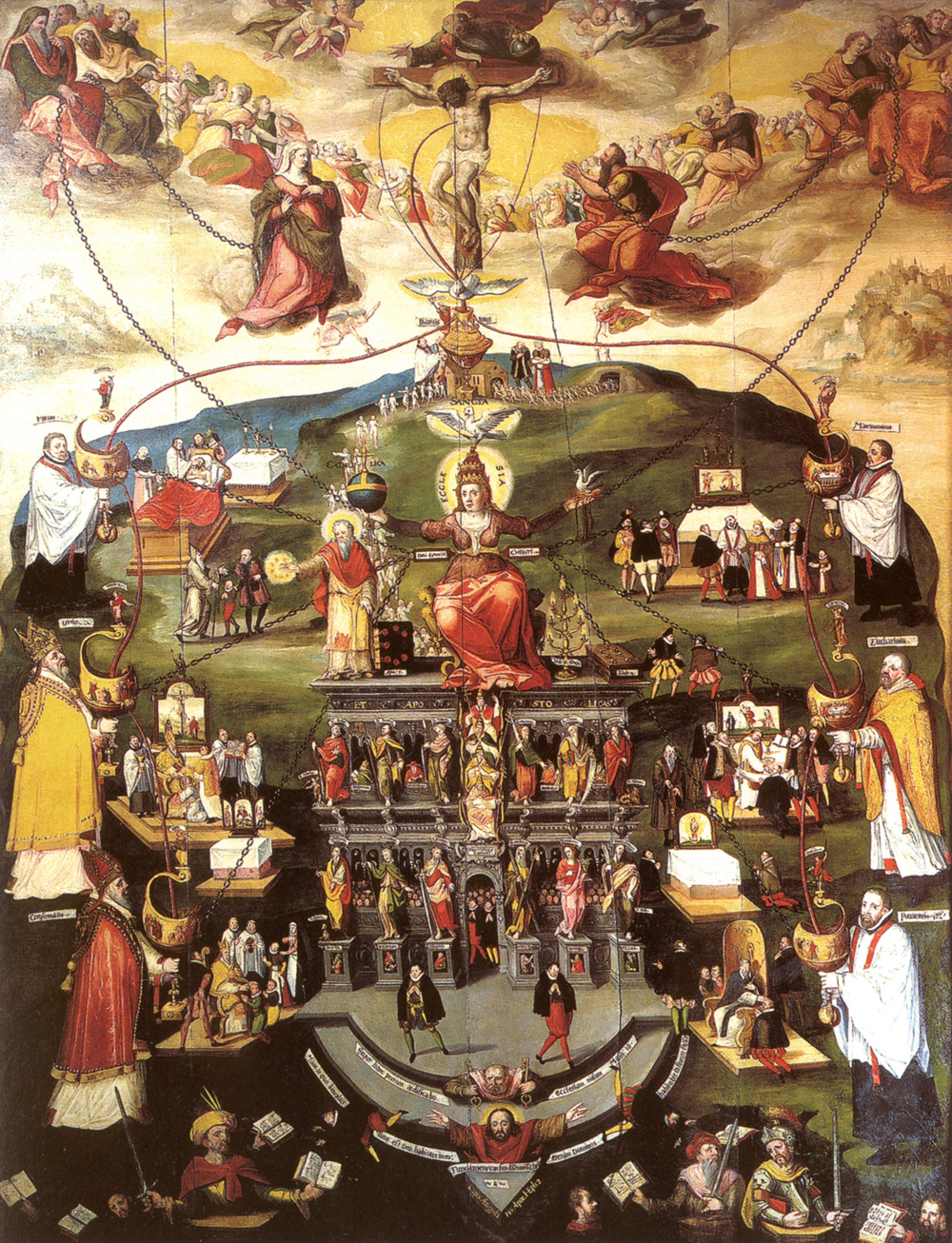 🇬🇷 GreeceSacred mysteriesμυστήριον
Secret ceremonies and divine doctrines held to exceed human reasonBelief · Speaking with spirits and the dead · Change and initiation Living
 🇬🇷 GreeceEurynomosΕὐρύνομος
An ancient Greek underworld spirit said to strip corpses down to bone.Being Legendary
 🇪🇬 Egypt and 1 moreAgathos Daimonἀγαθὸς δαίμων
A noble spirit and serpent deity of Greek and Egyptian traditionBeing · Protection · Luck and prosperity Historical
 🇬🇷 GreeceMares of DiomedesΔιομήδους ἵπποι
Man-eating horses from Greek myth, captured by Heracles as his eighth labourBeing · Cursing and harm Legendary
 🇬🇷 GreeceNymphνύμφη
A nature spirit from Greek myth, tied to specific places like springs or trees, often seen as a maiden.Being · Healing · Seeing and foretelling Historical
 🇬🇷 GreeceAmulet MS 5236
A stamped gold amulet from ancient Greece invoking ApolloCharm · Protection · Cursing and harm Historical
 🇬🇷 GreeceNecklace of Harmonia
A cursed golden adornment from Greek myth that brought ruin to the House of ThebesCharm · Cursing and harm Legendary
🇬🇷 GreeceNeadesΝηάς, Νηάδες
Gigantic legendary creatures of Samos whose voices were said to cause earthquakesBeing · Cursing and harm Legendary
 🇪🇬 Egypt and 1 moreHypnalis
A legendary snake from medieval bestiaries that kills in sleepBeing · Cursing and harm Legendary
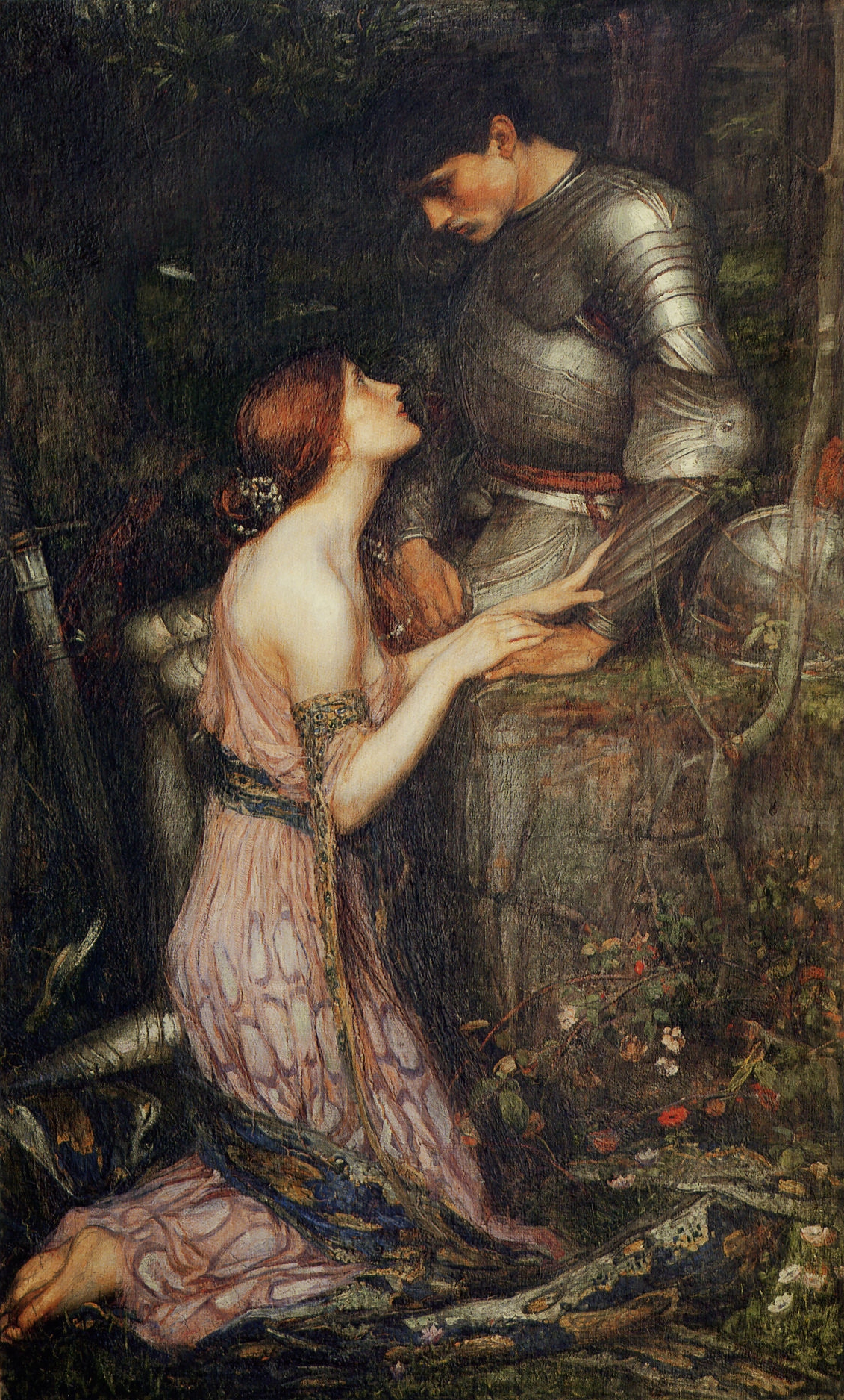 🇱🇾 Libya and 2 moreLamiaΛάμια
A child-snatching monster and night phantom from ancient Greek mythBeing · Cursing and harm · Seeing and foretelling Legendary
Photo credits on this page
The small pictures above come from Wikimedia Commons under free licences. Some are cropped to fit.
- Necromanteion of Acheron: Nikos Laskaridis, CC BY-SA 4.0, source
- Onocentaur: 'Angelo Vergatio' (Angelos Vergekios) and his daughter, Public domain, source
- Sacred mysteries: Johannes Hopffe, Public domain, source
- Aloadae: No machine-readable author provided. Antars~commonswiki assumed (based, Public domain, source
- Akanthos curse tablet: CNG Coins, CC BY-SA 3.0, source
- Daimon: François-André Vincent, Public domain, source
- Hecate: Henryk Siemiradzki, Public domain, source
- Moirai: John Melhuish Strudwick, Public domain, source
- Scylla: Unknown artist, Public domain, source
- Palladium: Marie-Lan Nguyen ( Jastrow ), Public domain, source
- Harpy: Unknown, near the Tyrrhenian Group?, CC BY-SA 2.0, source
- Lamia: John William Waterhouse, Public domain, source
- Centauride: John La Farge, Public domain, source
- Nymph: Unknown author, Public domain, source
- Mares of Diomedes: Unknown author, CC BY-SA 3.0, source
- Necklace of Harmonia: Marie-Lan Nguyen, Public domain, source
- Gold of Tolosa: AchilleT, Public domain, source
- Hypnalis: Werner Seiler ( User:Centine ), Public domain, source
- Amulet MS 5236: Martin Schøyen, CC BY-SA 3.0, source
- Pydna curse tablets: Juergen Weidner, CC BY-SA 4.0, source
- Thyrsus: ArchaiOptix, CC BY-SA 4.0, source
- Horkos: Furienmeister, Public domain, source
- Classical elements: Unknown author, Public domain, source
- Agathos Daimon: Carole Raddato, CC BY-SA 2.0, source
- Meilichios: Mark Landon, CC BY 4.0, source
The weekly digest
Every Monday: seven entries you may not know, what is on the calendar this week, and one rite drawn step by step.