🇨🇳 Magic in China
247 entries from China, best known first, across 80 places of magic.
Chinese folk religion is a syncretic blend of ancestral veneration, spirit worship, and teachings from Buddhism, Confucianism, and Taoism. It lacks a centralized structure but forms the cultural bedrock for Han Chinese communities worldwide.
- Syncretic blend of Buddhism, Confucianism, and Taoism emerged by the Song dynasty
- Core concepts include yin-yang balance and moral reciprocity (bao ying)
- Government classifies it as cultural heritage rather than an official religion
- Ancestor veneration and spirit worship form the basis of daily practice
- Participation depends on community belonging rather than formal conversion
Overview
This tradition weaves together local customs with broader philosophical systems. It centers on honoring ancestors and worshipping spirits that inhabit places or represent natural forces. The practices merged significantly during the Song dynasty, creating a flexible religious landscape. Unlike organized faiths with strict memberships, it relies on community participation and kinship ties. Core ideas include the balance of yin and yang energies and the concept of moral reciprocity. This worldview influences daily life, health practices, and environmental harmony, serving as a shared cultural heritage rather than a formal institution.
Practices and beliefs
Devotees engage in ancestor veneration and offer prayers to deities associated with specific locations or family lineages. Common activities include consulting feng shui principles to align living spaces with natural energies. Traditional medicine and acupuncture reflect these cosmological beliefs by balancing bodily forces. People also seek blessings from gods like Caishen for wealth or Mazu for safe travel. Oracles and divination tools help interpret fate and divine will. These practices are deeply integrated into social interactions and household routines.
Rites and charms
Ceremonies often involve offerings of food, incense, and paper items at home altars or local temples. Rituals mark life events such as births, marriages, and deaths, ensuring spiritual protection for the community. Pilgrimages to sacred sites strengthen local bonds and honor specific deities. Festivals feature processions, performances, and communal feasts dedicated to local gods. Sweeping rituals and seasonal offerings maintain harmony between humans and the spirit world. These acts reinforce social cohesion and respect for ancestral traditions.
Who practises
Leadership is typically informal, rooted in local temple committees or lineage elders. Shamans or mediums may facilitate communication with spirits during ceremonies. Healers use traditional methods based on cosmological theories rather than formal medical degrees. Participation does not require conversion or official initiation. Instead, belonging to a village or kinship group defines one's involvement. Scholars and community elders preserve ritual knowledge and guide religious activities without hierarchical authority.
Regions and communities
Practices vary significantly across provinces and villages, reflecting local environments and histories. Coastal areas often emphasize sea deities like Mazu, while inland regions focus on agricultural gods. Urban centers integrate folk beliefs with modern lifestyles, whereas rural areas maintain more traditional structures. Diaspora communities adapt these practices to new contexts, blending them with local cultures. Despite regional differences, core concepts like ancestor worship and energy balance remain consistent throughout Han Chinese societies.
The calendar
Festivals align with lunar cycles and agricultural seasons, marking times for offering and celebration. Key events include Qingming for honoring ancestors and Mid-Autumn Festival for family reunion. Births, weddings, and funerals follow specific ritual calendars to ensure spiritual well-being. Seasonal transitions prompt rituals to balance yin and yang energies within households. These temporal markers structure community life and reinforce connections to nature and ancestry.
Law and the state
The government recognizes five official religions but classifies folk religion as cultural heritage due to its diffuse nature. Authorities tolerate popular movements but suppress large organizations perceived as threats to stability. Historical campaigns labeled these practices as feudal superstition, though attitudes have softened recently. Modern revival efforts benefit from state interest in preserving traditional culture. Legal ambiguity allows flexibility but limits formal institutional recognition compared to recognized faiths.
Today
Folk religion experiences revival through cultural preservation initiatives and diaspora connections. Migration spreads practices globally, adapting them to diverse contexts. Commercialization appears in tourism and religious goods, though core rituals remain community-focused. Scholars view these traditions positively as vital cultural elements. Digital platforms facilitate sharing of knowledge among practitioners. The tradition continues to evolve while maintaining its foundational emphasis on harmony and ancestral respect.
The facts in this overview come from the Wikipedia article "Chinese folk religion", written by its contributors and used under the CC BY-SA 4.0 licence. EveryJaadu rewrote the text in its own words, with AI assistance, and compares every page with the article to make sure no passage is copied. It may be reused under the same CC BY-SA 4.0 licence with a link back.
Places of magic in China
 🇨🇳 China and 1 moreNuo folk religion傩 (Nuó)
A Chinese exorcistic tradition using wooden masks and ancestor worship to drive away malevolent forcesTradition · Protection · Speaking with spirits and the dead Living
 🇨🇳 ChinaBenzhuism本主教
The indigenous patron worship of the Bai people in Yunnan, ChinaTradition · Protection · Healing Living
 🇨🇳 ChinaQintianjian欽天監
China's state sky office, which also set lucky days and read omensTradition · Seeing and foretelling · Luck and prosperity Historical
 🇨🇳 China and 1 moreCash coins in feng shui古銅錢的風水
Old Chinese square-holed coins, hung or carried to draw luck and bar harmCharm · Luck and prosperity · Protection Living
 🇨🇳 China and 1 moreWorship of the living生祠 (Chinese), 生祀 (Japanese)
A shrine built for a person while they are still alive to honour their spirit or contributions.Tradition · Power and authority · Protection Historical
🇨🇳 ChinaJiugongdao九宫道
A Chinese folk sect centered on Mount Wutai and esoteric cosmologyTradition · Power and authority Revived
 🇪🇬 Egypt and 5 moreWorship of heavenly bodies
Veneration of stars, planets, and the sky as divine forces or deitiesTradition · Protection · Power and authority Historical
 🇨🇳 China and 3 moreFengshui woodland風水林
A protected grove in East Asia believed to shape the local environment and bring luck to nearby communities.Tradition · Protection · Luck and prosperity Living
🇪🇬 Egypt and 5 moreTariqaطريقة
A Sufi spiritual path and the community that follows itTradition · Speaking with spirits and the dead · Change and initiation Living
 🇨🇳 ChinaFlying Star Feng Shui
A Chinese feng shui school that charts a building's nine squares for good and bad qiTradition · Seeing and foretelling · Luck and prosperity Living
🇨🇳 ChinaMien shiang面相
A Chinese practice of reading character and fate through facial featuresBelief · Seeing and foretelling · Healing Historical
 🇨🇳 China and 6 moreRed envelope红包 (hóngbāo)
A cash gift in a red paper cover given during holidays and weddings to share good fortuneTradition · Luck and prosperity · Protection Living
 🇨🇳 ChinaReligion of the Shang dynasty
The spiritual system of ancient China's second dynasty, centred on ancestor worship and oracle bone divination.Tradition · Protection · Luck and prosperity Historical
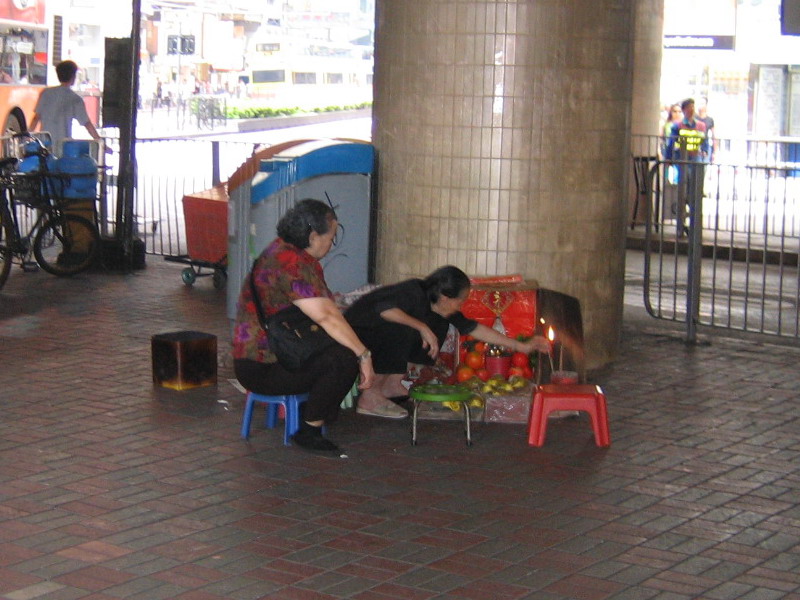 🇨🇳 China and 1 moreVillain hitting打小人
A Cantonese rite that strikes paper effigies with a shoe to ward off enemiesTradition · Cursing and harm · Protection Living
 🇻🇳 Vietnam and 3 moreWhale worshipCá Ông
A folk practice across East and Southeast Asia honoring cetaceans as divine protectors of fishermenTradition · Protection · Luck and prosperity Living
 🇨🇳 ChinaYao folk religion梅山教
The ethnic religion of the Yao, blended with Taoism since the 13th centuryTradition · Protection · Cleansing and purification Living
 🇨🇭 Switzerland and 5 moreFédération Internationale des Sociétés Magiques
Global body uniting magic clubs and organizing world competitionsTradition · Wonder and entertainment Living
🇨🇳 ChinaQizheng Siyu七政四餘
A Chinese horoscope system that counts eleven lights: seven planets and four computed bodiesOracle · Seeing and foretelling Historical
 🇻🇳 Vietnam and 1 moreÔng Trời
A sky god of Vietnamese folk religion, later linked to the Taoist Jade EmperorBeing · Protection · Power and authority Living
Photo credits on this page
The small pictures above come from Wikimedia Commons under free licences. Some are cropped to fit.
- Yao folk religion: Daderot, Public domain, source
- Worship of the living: 663highland, CC BY 2.5, source
- Religion of the Shang dynasty: Unknown author, CC0, source
- Cash coins in feng shui: No machine-readable author provided. Galopin~commonswiki assumed (base, CC BY-SA 3.0, source
- Worship of heavenly bodies: Jean-Pierre Dalbéra, CC BY 2.0, source
- Fengshui woodland: 猫猫的日记本 (Cat's diary), CC BY-SA 3.0, source
- Villain hitting: No machine-readable author provided. Underbar dk assumed (based on cop, CC BY-SA 3.0, source
- Whale worship: Bùi Thụy Đào Nguyên, CC BY-SA 3.0, source
- Benzhuism: G41rn8, CC BY-SA 4.0, source
- Red envelope: Oldie~commonswiki, Public domain, source
- Ông Trời: Bùi Thụy Đào Nguyên, CC BY-SA 3.0, source
- Qintianjian: User:Vmenkov, CC BY-SA 3.0, source
- Fédération Internationale des Sociétés Magiques: Jack de Nijs for Anefo, CC BY-SA 3.0 nl, source
- Nuo folk religion: Wikiwikiyarou, CC BY-SA 3.0, source
- Flying Star Feng Shui: Unknown author, Public domain, source
The weekly digest
Every Monday: seven entries you may not know, what is on the calendar this week, and one rite drawn step by step.