🇨🇦 Magic in Canada
38 entries from Canada, best known first, across 6 places of magic.
Inuit religion is a traditional belief system practised across the Arctic, featuring spirits of the land and sea. It sits alongside Christianity, which became dominant after missionary contact in the 20th century.
- Angakut mediate between humans and spirits for healing and hunting.
- Sedna controls marine mammals and hides them when taboos are broken.
- Humans have two souls; one can leave the body during sleep.
- Sila represents weather and power contained within people.
- Christian conversion caused a substantial decline in traditional practices.
Overview
This tradition covers circumpolar peoples from Chukotka to Greenland. It has no central leadership and varies greatly between groups. The belief system reflects the harsh environment where humans live side by side with invisible forces. People believe illness comes from offending spirits. They use taboos and amulets to stay safe. This worldview shares traits with other northern cultures but remains distinct in its focus on animal spirits and soul journeys.
Practices and beliefs
Angakut serve as ritual specialists who mediate with spirits. They perform healing rituals and help hunters find game. People wear amulets for protection. Taboos govern daily life to avoid angering beings like Sedna, the sea mistress. Offerings are made to secure luck. Divination helps locate lost items or animals. Dreams are seen as messages from spirits or ancestors.
Rites and charms
Hunters follow strict rules to propitiate prey animals. If taboos are broken, the angakkuq must visit sea spirits to beg for game. Prayers and songs are used to reconcile with offended entities. Rituals aim to recover lost souls or objects. The community observes specific customs to ensure successful hunts. Failure to follow these rites can lead to scarcity of food.
Who practises
The angakut are spiritual healers and mediators. They are chosen through their ability to interact with helping spirits called tuurngait. These specialists assist in hunting and healing. Historically, they held significant influence. Christian missionaries reduced their numbers significantly. Today, some communities seek to revive this role as part of cultural pride.
Regions and communities
Beliefs differ across regions. The Copper Inuit know Arnapkapfaaluk, while Netsilik stories feature different origins for Sila. The Kivallirmiut lack a Sea Woman due to their inland lifestyle. Yupik groups identify specific landscape entities like kogat. Greenlandic views on the Moon differ from those in Alaska. These variations reflect local environments and histories.
The calendar
Seasonal movements guide spiritual practices. Whales are guided by spirits during migrations. Hunting cycles involve specific propitiations for prey. Life events like childbirth and death carry religious significance. Dreams often mark important moments. The transition between day and night holds spiritual weight. Festivals are not formally scheduled but arise from subsistence needs.
Law and the state
Christian missionaries actively proselytized from the 16th century onward. By the mid-20th century, most Inuit converted to Christianity. This led to a decline in traditional angakut practices. There is no mention of legal persecution or witch-hunts in the provided text. The state treatment is not detailed beyond historical missionary activity.
Today
Since the 1970s, there has been a movement to celebrate traditional culture. This revival encourages Inuit pride and identity. While Christianity remains widespread, interest in ancestral beliefs persists. The tradition is maintained through oral history and community memory rather than formal institutions.
The facts in this overview come from the Wikipedia article "Inuit religion", written by its contributors and used under the CC BY-SA 4.0 licence. EveryJaadu rewrote the text in its own words, with AI assistance, and compares every page with the article to make sure no passage is copied. It may be reused under the same CC BY-SA 4.0 licence with a link back.
Places of magic in Canada
 🇪🇪 Estonia and 5 moreSoul dualism
A belief that a person contains two or more distinct kinds of soulsBelief · Healing · Speaking with spirits and the dead Historical
🇪🇪 Estonia and 5 moreSoul dualism
A belief that a person contains two or more distinct kinds of soulsBelief · Healing · Speaking with spirits and the dead Historical
 🇺🇸 United States and 7 moreSatanic panic
A moral panic over unsubstantiated claims of Satanic cults abusing children in the late twentieth centuryBelief · Cursing and harm Historical
🇺🇸 United States and 7 moreSatanic panic
A moral panic over unsubstantiated claims of Satanic cults abusing children in the late twentieth centuryBelief · Cursing and harm Historical
 🇳🇿 New Zealand and 5 moreFace tattoo
Marks inked on the face for spiritual protection, identity, rank, and rite of passageTradition · Protection · Power and authority Living
🇫🇷 France and 3 moreBardo Thodolབར་དོ་ཐོས་གྲོལ (bar do thos grol)
A Tibetan Buddhist guide for navigating the intermediate state between death and rebirth.Text Living
🇳🇿 New Zealand and 5 moreFace tattoo
Marks inked on the face for spiritual protection, identity, rank, and rite of passageTradition · Protection · Power and authority Living
🇫🇷 France and 3 moreBardo Thodolབར་དོ་ཐོས་གྲོལ (bar do thos grol)
A Tibetan Buddhist guide for navigating the intermediate state between death and rebirth.Text Living
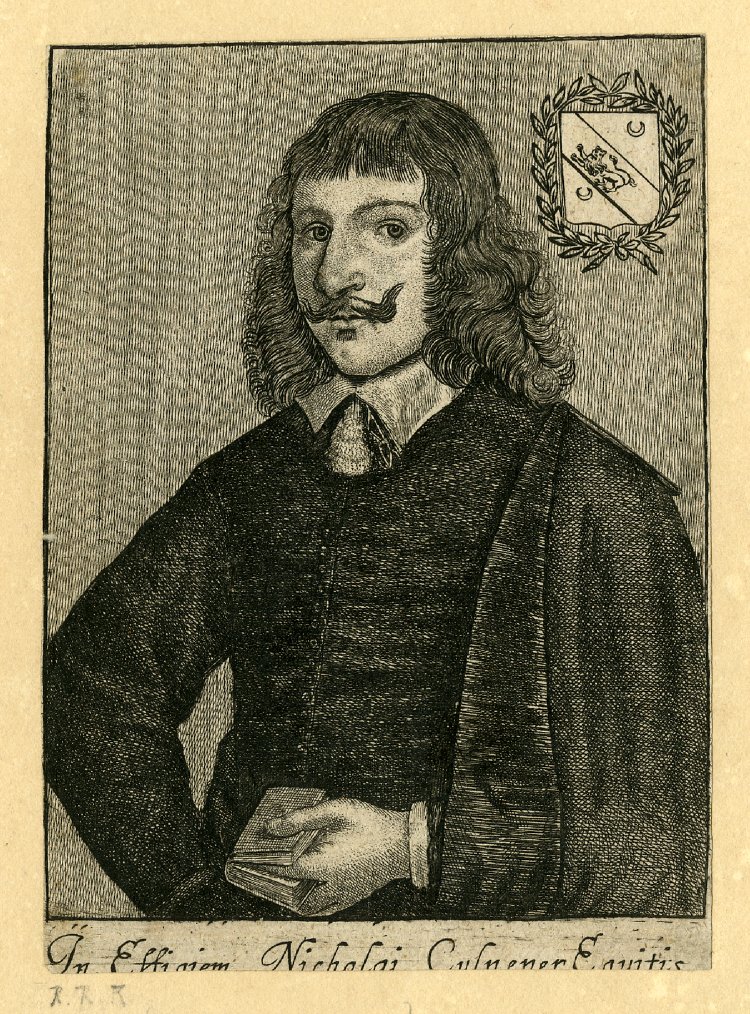 🇬🇧 United Kingdom and 1 moreNicholas Culpeper
An English herbalist and astrologer who translated medical texts into English for the poor.Text · Healing · Power and authority Historical
🇬🇧 United Kingdom and 1 moreNicholas Culpeper
An English herbalist and astrologer who translated medical texts into English for the poor.Text · Healing · Power and authority Historical
 🇨🇦 CanadaNanabozhoᓇᓇᐳᔓ
A shapeshifting spirit and trickster in Anishinaabe storytelling from North AmericaBeing · Cursing and harm · Power and authority Living
🇨🇦 CanadaNanabozhoᓇᓇᐳᔓ
A shapeshifting spirit and trickster in Anishinaabe storytelling from North AmericaBeing · Cursing and harm · Power and authority Living
 🇮🇱 Israel and 2 moreMezuzahמְזוּזָה
A scroll of Torah verses placed in a case on Jewish doorpostsCharm · Protection · Speaking with spirits and the dead Living
🇮🇱 Israel and 2 moreMezuzahמְזוּזָה
A scroll of Torah verses placed in a case on Jewish doorpostsCharm · Protection · Speaking with spirits and the dead Living
 🇨🇦 Canada and 1 moreTotemdoodem
A spirit or symbol linking a group to nature, from Ojibwe clan systems to Australian kinshipBelief · Speaking with spirits and the dead · Power and authority Living
🇨🇦 Canada and 1 moreTotemdoodem
A spirit or symbol linking a group to nature, from Ojibwe clan systems to Australian kinshipBelief · Speaking with spirits and the dead · Power and authority Living
 🇨🇦 CanadaSpoon bending
A magic trick and paranormal claim involving the deformation of metal cutleryBelief · Wonder and entertainment · Power and authority Historical
🇨🇦 CanadaSpoon bending
A magic trick and paranormal claim involving the deformation of metal cutleryBelief · Wonder and entertainment · Power and authority Historical
Photo credits on this page
The small pictures above come from Wikimedia Commons under free licences. Some are cropped to fit.
- Spoon bending: Sgerbic, CC BY-SA 3.0, source
- Soul dualism: 尹真人, Public domain, source
- Satanic panic: Hartmann Schedel (1440-1514), Public domain, source
- Nicholas Culpeper: Richard Gaywood, Public domain, source
- Nanabozho: D. Gordon E. Robertson, CC BY-SA 3.0, source
- Mezuzah: Adrian Grycuk, CC BY-SA 3.0 pl, source
- Face tattoo: Gottfried Lindauer, Public domain, source
- Totem: Jami430, CC BY-SA 4.0, source
The weekly digest
Every Monday: seven entries you may not know, what is on the calendar this week, and one rite drawn step by step.