Buddhist: magic in this belief world
Protective chants and amulets, Tibetan ritual, and the spirit cults that live beside Buddhism.
Buddhism teaches liberation, yet in practice nearly every Buddhist land has protective chants, blessed threads, amulets, tattoos and rites for the dead. Thai monks bless sacred tattoos, Tibetan lamas perform protection rituals, Japanese temples sell omamori, and Sri Lankan monks recite paritta. This page looks at how Buddhism has met spirit cults and magical practice, and the debates over what counts as the teaching. Practice differs between Theravada, Mahayana and Vajrayana traditions, and across countries.
Protection and blessing
Many Buddhist communities use chants believed to protect, such as the paritta of Theravada lands. Monks bless water and thread, and lay people wear amulets of famous monks in Thailand. Tibetan Buddhism includes elaborate rites with mandalas, mantras and deity visualisation. Practitioners explain these as work with merit and compassion, and not as forcing events. Tibetan lamas and Mongolian monasteries keep protective deities and rites for the dead, and ordinary people ask for blessings, divination and long-life ceremonies.
Spirit cults beside the faith
Buddhism often lives alongside older spirit worship. Thai homes keep spirit houses, Burmese people honour the 37 nats, Sri Lankans make offerings to local deities, and Japanese temples sit beside Shinto shrines. Scholars debate whether to call this syncretism or a division of labour in which spirits deal with this life and the Buddha with the next. Some of these spirits are said to have been bound by Buddhist teachers in the past, so Buddhism takes credit for ordering the unseen, which is a historical claim scholars view as a theme in the faith's spread.
Lay, monastic and gender
Authority sits with ordained monks and lamas, and ordination for women is limited or disputed in several traditions. Monks who sell amulets or claim miracles have been criticised, and Buddhist teachers who promise supernatural results have been caught in scandals. In Thailand, authorities have acted on fraudulent monks. Women's roles are mixed: female mediums and nuns are active in many Buddhist lands, while institutional authority is largely male. Thai police and the Sangha Supreme Council have disciplined monks for fraud, which shows the limits that Buddhist institutions put on claims of power.
State, history and the West
Buddhism has been suppressed, as in Tibet after 1950 and Cambodia under the Khmer Rouge, and promoted by states for national identity. In the West, mindfulness has been separated from ritual, while Tibetan and Zen institutions face their own questions about abuse. Reformers such as Buddhist modernists have long argued that magic is a corruption of the teaching. Debate continues over whether such practice belongs to the religion, and many Buddhists in the West, in Japan and in Sri Lanka explain it as cultural habit and a form of kindness.
Buddhist on EveryJaadu
The entries written up so far, best known first.
 🇮🇳 IndiaChakraचक्र
Meditation points in the subtle body used in Hindu and Buddhist yogaTradition · Speaking with spirits and the dead · Change and initiation Living
🇮🇳 IndiaChakraचक्र
Meditation points in the subtle body used in Hindu and Buddhist yogaTradition · Speaking with spirits and the dead · Change and initiation Living
 🇮🇳 India and 4 moreTantraतन्त्र
An esoteric yogic tradition from India focusing on ritual, mantra, and body-based spiritual practices.Tradition · Power and authority · Change and initiation Living
🇮🇳 India and 4 moreTantraतन्त्र
An esoteric yogic tradition from India focusing on ritual, mantra, and body-based spiritual practices.Tradition · Power and authority · Change and initiation Living
 🇮🇳 IndiaNaropa
An Indian Buddhist master whose teachings shaped Tibetan Vajrayana practiceFigure · Change and initiation Historical
🇮🇳 IndiaNaropa
An Indian Buddhist master whose teachings shaped Tibetan Vajrayana practiceFigure · Change and initiation Historical
 🇮🇳 IndiaChödགཅོད
A Tibetan Buddhist ritual that uses fear and self-offering to sever attachment to the selfTradition · Cursing and harm · Change and initiation Living
🇮🇳 IndiaChödགཅོད
A Tibetan Buddhist ritual that uses fear and self-offering to sever attachment to the selfTradition · Cursing and harm · Change and initiation Living
 🇨🇳 China and 4 moreSky burialབྱ་གཏོར་
A Tibetan funerary rite where human remains are offered to scavenging birdsRite · Speaking with spirits and the dead · Change and initiation Living
🇨🇳 China and 4 moreSky burialབྱ་གཏོར་
A Tibetan funerary rite where human remains are offered to scavenging birdsRite · Speaking with spirits and the dead · Change and initiation Living
 🇮🇳 India and 1 moreTilopa
A tenth-century Buddhist tantric master who transmitted Mahamudra and the Six Yogas of Naropa.Figure · Change and initiation · Power and authority Historical
🇮🇳 India and 1 moreTilopa
A tenth-century Buddhist tantric master who transmitted Mahamudra and the Six Yogas of Naropa.Figure · Change and initiation · Power and authority Historical
 🇨🇳 China and 2 moreDiyu地獄
The underworld realm of trial, atonement, and rebirth in Chinese mythologyBelief · Cleansing and purification · Change and initiation Living
🇨🇳 China and 2 moreDiyu地獄
The underworld realm of trial, atonement, and rebirth in Chinese mythologyBelief · Cleansing and purification · Change and initiation Living
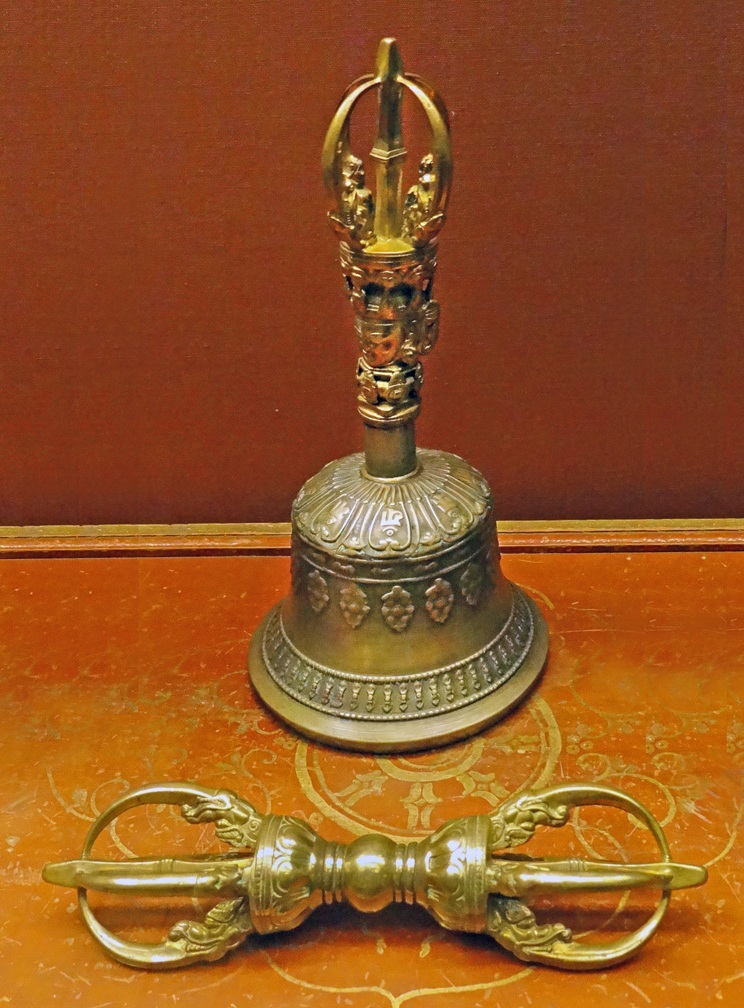 🇮🇳 India and 4 moreVajrayanaVajrayāna
A Buddhist path using rituals and mantras for rapid awakeningTradition · Change and initiation Living
🇮🇳 India and 4 moreVajrayanaVajrayāna
A Buddhist path using rituals and mantras for rapid awakeningTradition · Change and initiation Living
 🇮🇳 India and 2 moreKalachakraདུས་ཀྱི་འཁོར་ལོ།
A Tibetan Buddhist tantric deity and system of yogic time cyclesTradition · Change and initiation · Speaking with spirits and the dead Living
🇮🇳 India and 2 moreKalachakraདུས་ཀྱི་འཁོར་ལོ།
A Tibetan Buddhist tantric deity and system of yogic time cyclesTradition · Change and initiation · Speaking with spirits and the dead Living
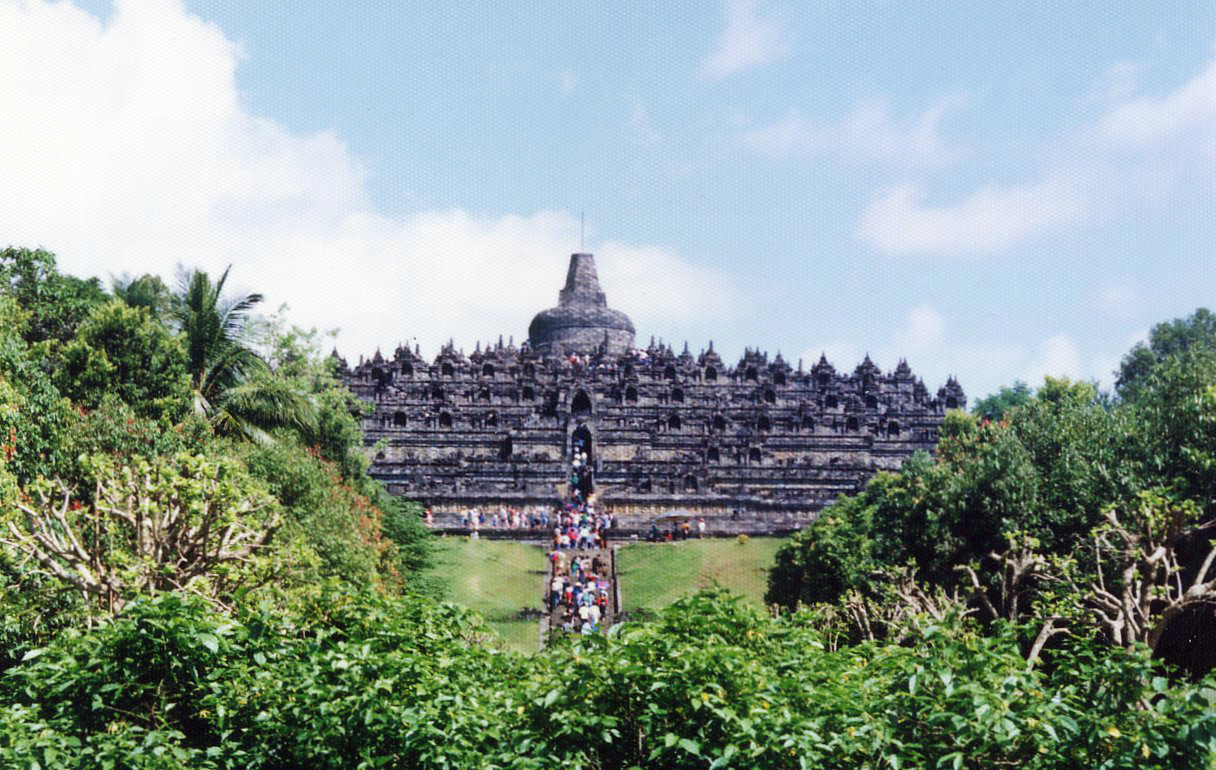 🇮🇩 Indonesia and 4 moreKejawènꦏꦗꦮꦺꦤ꧀ (Kajawèn)
A Javanese tradition blending animism, Hinduism, Buddhism and Islam into a path of inner harmony.Tradition · Protection · Speaking with spirits and the dead Living
🇮🇳 India and 1 moreNeotantraनवतन्त्र (navatantra)
A Western movement blending Tantra with modern views on sacred sexualityTradition · Love and attraction · Change and initiation Living
🇮🇩 Indonesia and 4 moreKejawènꦏꦗꦮꦺꦤ꧀ (Kajawèn)
A Javanese tradition blending animism, Hinduism, Buddhism and Islam into a path of inner harmony.Tradition · Protection · Speaking with spirits and the dead Living
🇮🇳 India and 1 moreNeotantraनवतन्त्र (navatantra)
A Western movement blending Tantra with modern views on sacred sexualityTradition · Love and attraction · Change and initiation Living
 🇨🇳 China and 1 moreFalun Gong法轮功
A Chinese cultivation practice blending meditative exercises with moral principlesTradition · Healing · Protection Living
🇨🇳 China and 1 moreFalun Gong法轮功
A Chinese cultivation practice blending meditative exercises with moral principlesTradition · Healing · Protection Living
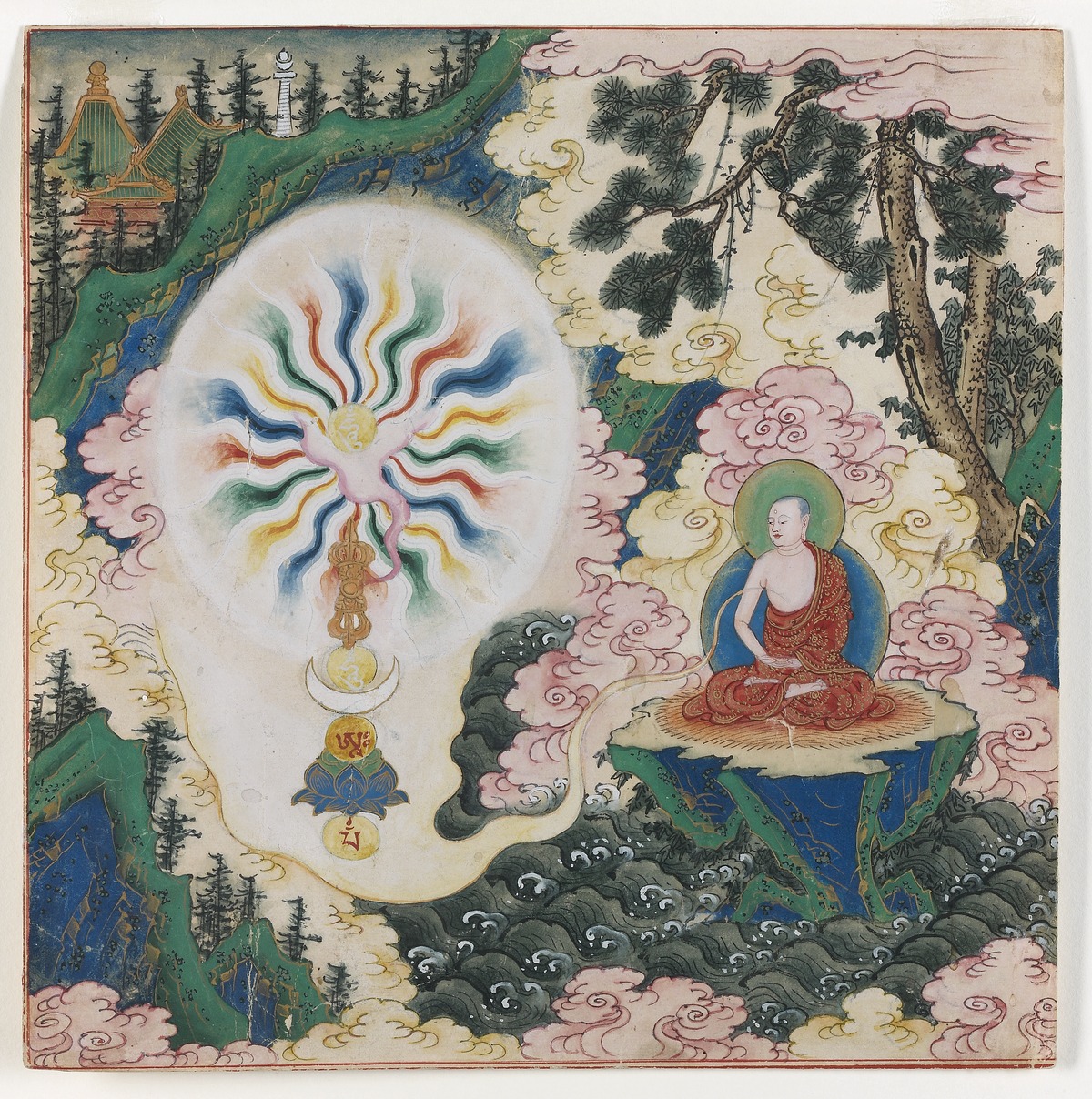 🇮🇳 India and 1 moreDeity yoga
A Vajrayana meditation on embodying a chosen Buddha figure to realize emptinessTradition · Change and initiation · Power and authority Living
🇮🇳 India and 1 moreDeity yoga
A Vajrayana meditation on embodying a chosen Buddha figure to realize emptinessTradition · Change and initiation · Power and authority Living
 🇧🇹 BhutanVajravarahiརྡོ་རྗེ་ཕག་མོ། (Dorje Pakmo)
A wrathful female buddha in Tibetan Buddhism, depicted with a sow head and dancing posture.Being · Power and authority · Change and initiation Living
🇧🇹 BhutanVajravarahiརྡོ་རྗེ་ཕག་མོ། (Dorje Pakmo)
A wrathful female buddha in Tibetan Buddhism, depicted with a sow head and dancing posture.Being · Power and authority · Change and initiation Living
 🇮🇳 IndiaAbhijñāअभिज्ञा
A set of special insights and powers in Buddhist meditation.Belief · Speaking with spirits and the dead · Change and initiation Historical
🇮🇳 IndiaAbhijñāअभिज्ञा
A set of special insights and powers in Buddhist meditation.Belief · Speaking with spirits and the dead · Change and initiation Historical
Photo credits on this page
The small pictures above come from Wikimedia Commons under free licences. Some are cropped to fit.
- Sunda Wiwitan: Greenland4, Public domain, source
- Chakra: Unknown author, Public domain, source
- Tantra: William Clark, Public domain, source
- Naropa: Unknown author, CC BY-SA 3.0, source
- Chöd: Christopher J. Fynn, CC BY-SA 4.0, source
- Sky burial: FishOil at English Wikipedia, Public domain, source
- Tilopa: Unknown author, Public domain, source
- Diyu: ScribblingGeek, CC BY-SA 4.0, source
- Vajrayana: Jean-Pierre Dalbéra, CC BY 2.0, source
- Falun Gong: longtrekhome, CC BY 3.0, source
- Deity yoga: Anonymous Unknown author, CC0, source
- Vajravarahi: Foto: Andreas Praefcke, Public domain, source
- Kalachakra: Nabin K. Sapkota, CC BY-SA 4.0, source
- Abhijñā: Gryffindor, Public domain, source