Scholars and sceptics
Anthropologists, historians and investigators who study magic and test its claims.
Scholars and sceptics are the people who study magic from outside the practice: anthropologists, historians, folklorists, psychologists, scholars of religion and investigators who test claims. They have names such as E. E. Evans-Pritchard, Marcel Mauss, Bronislaw Malinowski, Mary Douglas, Keith Thomas and Carlo Ginzburg, and also investigators such as James Randi. This page covers what they have found, how they disagree, and what their work has cost and changed. Their work has changed how the whole subject is understood.
Early theories
Nineteenth-century writers such as James Frazer treated magic as a mistaken early science, a view now widely rejected as arrogant and inaccurate. Later anthropologists, including Evans-Pritchard in his 1937 study of the Azande, showed that magical belief can be a consistent way of reasoning about misfortune. Mauss and Malinowski stressed its social role. Fieldwork, archives, laboratory studies and surveys are their main methods, and each field has its own debates and schools.
The history of witch trials
Historians have revised their view of the witch trials. Keith Thomas and Alan Macfarlane studied English village accusations, Carlo Ginzburg found the benandanti in Friuli, and Ronald Hutton has argued about the numbers and causes, and Silvia Federici links the persecution to the rise of capitalism, a thesis historians dispute. The older figure of nine million victims has been dropped, and estimates now run to tens of thousands of executions.
Testing claims
Sceptics test whether claims hold up. James Randi offered a prize for evidence of paranormal power that was never won, and organisations such as the Committee for Skeptical Inquiry investigate fraud. Researchers study why people believe: pattern-seeking, uncertainty and the wish to control events. The best sceptics aim to understand people, not to mock them. Sceptics hold that claims should be tested, and they have a long record of exposing cases such as spirit photography and fake healers.
Ethics of study
Scholars were often colonial officials or missionaries, and their reports shaped how Indigenous religions were named. Contemporary researchers work with communities, ask consent and respect closed knowledge. Practitioners sometimes object to being explained, and sceptics sometimes to being called closed-minded. The conversation continues, and this guide aims to stay neutral on whether magic works. Their critics reply that science cannot measure everything that matters to a community, and that explaining a ritual away is not the same as understanding it.
Scholars and sceptics on EveryJaadu
The entries written up so far, best known first.
 🇪🇸 Spain and 5 moreAlfonso X of Castileel Sabio
A medieval king who sponsored astronomical tables and translated works on magic and astrology.Text · Power and authority · Seeing and foretelling Historical
🇪🇸 Spain and 5 moreAlfonso X of Castileel Sabio
A medieval king who sponsored astronomical tables and translated works on magic and astrology.Text · Power and authority · Seeing and foretelling Historical
 🇪🇸 Spain and 2 morePicatrixغاية الحكيم
A medieval Arabic handbook of talismanic magic and astrologyText · Power and authority · Seeing and foretelling Historical
🇪🇸 Spain and 2 morePicatrixغاية الحكيم
A medieval Arabic handbook of talismanic magic and astrologyText · Power and authority · Seeing and foretelling Historical
 🇦🇫 Afghanistan and 2 moreAbu Ma'shar al-Balkhiابومَعْشَر جعفر بن محمد بن عمر بلخی
A Persian astrologer whose manuals shaped medieval European and Islamic celestial studiesText · Seeing and foretelling · Power and authority Historical
🇦🇫 Afghanistan and 2 moreAbu Ma'shar al-Balkhiابومَعْشَر جعفر بن محمد بن عمر بلخی
A Persian astrologer whose manuals shaped medieval European and Islamic celestial studiesText · Seeing and foretelling · Power and authority Historical
 🇬🇧 United Kingdom and 1 moreJohn Dee
An English scholar and advisor to Elizabeth I who pursued angelic communication through scrying.Tradition · Speaking with spirits and the dead · Seeing and foretelling Historical
🇬🇧 United Kingdom and 1 moreJohn Dee
An English scholar and advisor to Elizabeth I who pursued angelic communication through scrying.Tradition · Speaking with spirits and the dead · Seeing and foretelling Historical
 🇪🇬 Egypt and 2 moreSibylline Oracles
A mixed collection of ancient prophecies attributed to pagan prophetesses but shaped by Jewish and Christian writers.Text · Seeing and foretelling Historical
🇪🇬 Egypt and 2 moreSibylline Oracles
A mixed collection of ancient prophecies attributed to pagan prophetesses but shaped by Jewish and Christian writers.Text · Seeing and foretelling Historical
 🇩🇿 Algeria and 1 moreAhmad al-Buniأحمد البوني المالكي
A medieval Sufi scholar known for works on letter mysticism and talismansText · Power and authority · Seeing and foretelling Historical
🇩🇿 Algeria and 1 moreAhmad al-Buniأحمد البوني المالكي
A medieval Sufi scholar known for works on letter mysticism and talismansText · Power and authority · Seeing and foretelling Historical
 🇪🇬 Egypt and 1 moreDendera zodiac
A carved Egyptian sky map now held in a Paris museumText · Seeing and foretelling · Power and authority Historical
🇪🇬 Egypt and 1 moreBook of Thoth
A collection of ancient Egyptian texts attributed to the god of writing and knowledge.Text · Power and authority · Seeing and foretelling Historical
🇪🇬 Egypt and 1 moreDendera zodiac
A carved Egyptian sky map now held in a Paris museumText · Seeing and foretelling · Power and authority Historical
🇪🇬 Egypt and 1 moreBook of Thoth
A collection of ancient Egyptian texts attributed to the god of writing and knowledge.Text · Power and authority · Seeing and foretelling Historical
 🇪🇬 Egypt and 5 moreHermetica
A collection of ancient texts attributed to Hermes Trismegistus, covering magic, alchemy and philosophy.Text · Seeing and foretelling · Change and initiation Historical
🇪🇬 Egypt and 5 moreHermetica
A collection of ancient texts attributed to Hermes Trismegistus, covering magic, alchemy and philosophy.Text · Seeing and foretelling · Change and initiation Historical
 🇬🇧 United KingdomWilliam Lilly
A seventeenth-century English astrologer and author who shaped Western tradition.Text · Seeing and foretelling · Power and authority Historical
🇫🇷 FranceEtteilla
The first professional tarot occultist who created a system for card divination.Text · Seeing and foretelling · Power and authority Historical
🇬🇧 United KingdomWilliam Lilly
A seventeenth-century English astrologer and author who shaped Western tradition.Text · Seeing and foretelling · Power and authority Historical
🇫🇷 FranceEtteilla
The first professional tarot occultist who created a system for card divination.Text · Seeing and foretelling · Power and authority Historical
 🇩🇪 Germany and 3 moreRunesᚱᚢᚾᛟ
An ancient Germanic script used for writing and magical signs.Text · Seeing and foretelling · Power and authority Historical
🇩🇪 Germany and 3 moreRunesᚱᚢᚾᛟ
An ancient Germanic script used for writing and magical signs.Text · Seeing and foretelling · Power and authority Historical
 🇫🇷 France and 1 moreNostradamus
A French astrologer and physician known for a book of poetic propheciesText · Seeing and foretelling · Power and authority Historical
🇫🇷 France and 1 moreNostradamus
A French astrologer and physician known for a book of poetic propheciesText · Seeing and foretelling · Power and authority Historical
 🇮🇹 Italy and 3 moreRenaissance magic
A 15th and 16th century revival of magical arts blending philosophy, astrology, and hidden knowledge.Tradition · Power and authority · Seeing and foretelling Historical
🇾🇪 YemenDhu'l-Khalasaذُو الْخَلَصَة
A pre-Islamic shrine in Yemen destroyed by early Muslim forces.Text · Cursing and harm · Seeing and foretelling Historical
🇮🇹 Italy and 3 moreRenaissance magic
A 15th and 16th century revival of magical arts blending philosophy, astrology, and hidden knowledge.Tradition · Power and authority · Seeing and foretelling Historical
🇾🇪 YemenDhu'l-Khalasaذُو الْخَلَصَة
A pre-Islamic shrine in Yemen destroyed by early Muslim forces.Text · Cursing and harm · Seeing and foretelling Historical
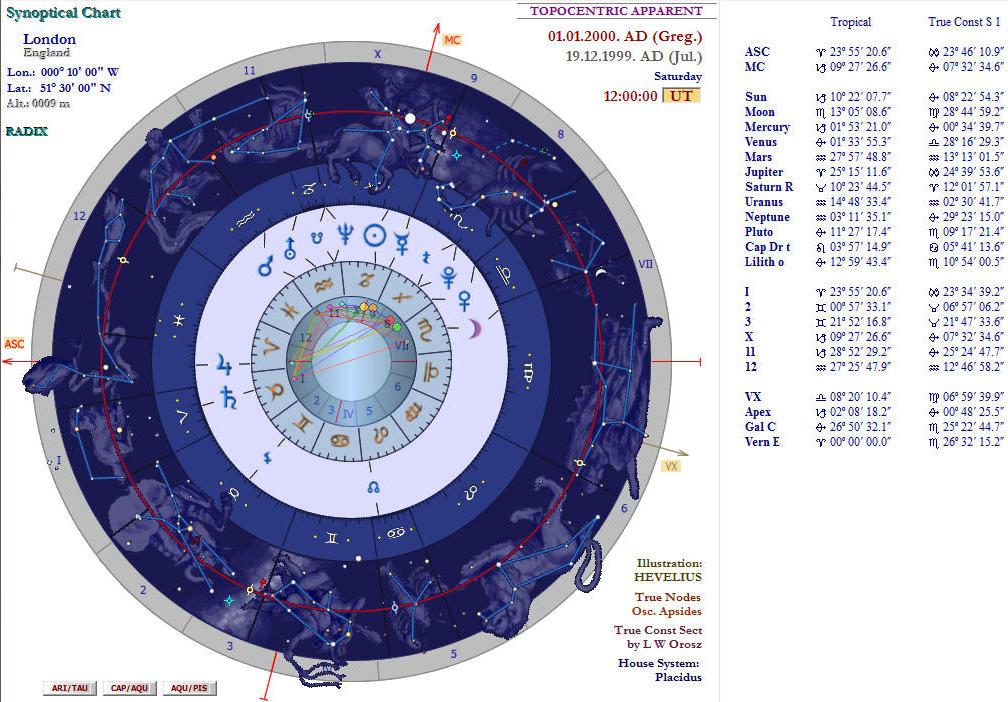 🇮🇳 IndiaSynoptical astrology
An astrological system that overlays tropical, sidereal and constellational zodiacsText · Seeing and foretelling · Speaking with spirits and the dead Historical
🇨🇳 ChinaKing Wen sequence文王卦序
The oldest arrangement of the sixty-four hexagrams in the I ChingText · Seeing and foretelling Historical
🇸🇾 Syria and 1 moreLots of the ApostlesSortes Apostolorum
A Christian divination text based on casting lots to seek guidance from the apostles.Text · Seeing and foretelling Historical
🇬🇧 United KingdomThe Book of Thoth
A guide to a tarot deck designed by an occultist and his collaboratorText · Power and authority · Seeing and foretelling Historical
🇸🇩 SudanWitchcraft, Oracles and Magic Among the Azande
A foundational anthropological study of Azande witchcraft, oracles, and magic in southern Sudan.Text · Cursing and harm · Seeing and foretelling Historical
🇮🇳 IndiaSynoptical astrology
An astrological system that overlays tropical, sidereal and constellational zodiacsText · Seeing and foretelling · Speaking with spirits and the dead Historical
🇨🇳 ChinaKing Wen sequence文王卦序
The oldest arrangement of the sixty-four hexagrams in the I ChingText · Seeing and foretelling Historical
🇸🇾 Syria and 1 moreLots of the ApostlesSortes Apostolorum
A Christian divination text based on casting lots to seek guidance from the apostles.Text · Seeing and foretelling Historical
🇬🇧 United KingdomThe Book of Thoth
A guide to a tarot deck designed by an occultist and his collaboratorText · Power and authority · Seeing and foretelling Historical
🇸🇩 SudanWitchcraft, Oracles and Magic Among the Azande
A foundational anthropological study of Azande witchcraft, oracles, and magic in southern Sudan.Text · Cursing and harm · Seeing and foretelling Historical
Photo credits on this page
The small pictures above come from Wikimedia Commons under free licences. Some are cropped to fit.
- Alfonso X of Castile: Otto Posse (1847-1921), Public domain, source
- Heinrich Cornelius Agrippa: Jean-Louis Durant (1654-1718), Public domain, source
- William Lilly: Simon Harriyott, CC BY 2.0, source
- Runes: Bengt Olof ÅRADSSON, CC BY 1.0, source
- Nostradamus: After César de Notre-Dame, Public domain, source
- Renaissance magic: Unknown author, Public domain, source
- Picatrix: Unknown author, Public domain, source
- Abu Ma'shar al-Balkhi: User:Martin Kraft, CC BY-SA 3.0, source
- John Dee: Unidentified painter, Public domain, source
- Sibylline Oracles: Domenichino, Public domain, source
- Ahmad al-Buni: Khalili Collections, CC BY-SA 3.0 igo, source
- Dendera zodiac: Shonagon, CC0, source
- Synoptical astrology: Constellarius, CC BY-SA 3.0, source