Almaz
from Mongolian for forest man
A feral forest spirit from the North Caucasus with magical hair and a split nature.
The Almaz is a mythical creature in Chechen, Ingush, and Circassian folklore. It is described as an evil forest entity whose power lies in its hair, which can be used to control or disable it.
- Male Almaz has an axe in its chest.
- Female Almaz dances naked under the moon.
- Hair holds all magical power.
- Name comes from Mongolian language.
What it is
The Almaz is a legendary beast found in the folk beliefs of the North Caucasus. It is viewed as a malevolent force of the woods. The creature possesses supernatural abilities that are stored within its hair. This physical trait makes it vulnerable to capture or harm if someone manages to pull out its fur. It represents a dangerous aspect of the natural world in local storytelling.
Where it comes from
Written records of the Almaz appear early, noted by a Bavarian prisoner held by Mongol forces. Scholars suggest the concept may have developed during periods of Mongol expansion into the region. Some researchers argue the name entered local languages through contact with the Golden Horde. Others believe locals applied the term to pre-existing native spirits. The exact timeline of this cultural blending remains a subject of historical debate among experts.
Tools and materials
The most critical element associated with the Almaz is its hair. This feature holds all of its magical strength. Removing the hair renders the creature powerless. This vulnerability is a central theme in tales involving encounters with the beast. No other specific tools or objects are mentioned in relation to interacting with it.
Almaz, drawn and placed
- Living
- Revived
- Fading
- Historical
- Legendary
- Performed
- Lineage
- North Caucasian folklore
- Timing
- night
What it is for
The Almaz is not sought after for help or healing. It is regarded as an evil presence in the forest. Stories about it serve to warn people about the dangers lurking in wild areas. The creature's actions are driven by malice rather than any ritual purpose. It exists in folklore to personify the threat of unknown wilderness forces.
Peoples and places
This myth is shared by the Chechen, Ingush, and Circassian peoples. Each group has its own name for the creature. The Circassians call it Almesti. The Chechen and Ingush refer to it as Almaz or Hun-sag. Despite these linguistic differences, the core description of the beast remains consistent across these cultures. The legend reflects a shared regional understanding of forest spirits.
At a glance: who, where and when
Peoples
What people believe
The belief system surrounding the Almaz divides it into two distinct forms. The male version is hideous and hairy, with an axe embedded in its chest. The female version is beautiful, with golden hair and large breasts. She is said to dance naked under the moon at night. Both forms share the same magical weakness regarding their hair. This duality suggests a complex view of nature's beauty and terror.
How scholars and sceptics see it
Historians like Amjad Jaimoukha have analyzed the origins of the name. He suggests the term might describe an older native idea rather than a direct import. Other theories point to direct influence from Mongol invasions or the rule of the Golden Horde. These academic views highlight how political history shapes local mythology. The debate focuses on whether the myth is indigenous or borrowed.
Questions people ask about Almaz
What is the Almaz?
It is a mythical forest beast from Chechen, Ingush, and Circassian folklore. It is considered evil and possesses magical powers stored in its hair.
Where does the name come from?
The word is a loan from Mongolian, originally meaning 'forest man'. It likely entered local languages during Mongol interactions with the North Caucasus.
How can you defeat an Almaz?
Its power resides entirely in its hair. If someone grabs or removes the hair, the creature becomes helpless and loses its magical abilities.
Good reading and sources
The facts on this page come from the Wikipedia article "Almaz (mythical beast)", written by its contributors and used under the CC BY-SA 4.0 licence, and from its Wikidata record (CC0). EveryJaadu rewrote the text in its own words, with AI assistance, and compares every page with the article to make sure no passage is copied. It may be reused under the same CC BY-SA 4.0 licence with a link back.
It may contain mistakes. Names and customs differ from one community to the next, and some knowledge is closed to outsiders and left out here. This page describes belief and practice. It does not say that any of it works, it is not a how-to, and it is not medical advice. If something is wrong, tell us. Last refreshed 2026-10-06.
More from Mongolia
All the entries from Mongolia 🇲🇳 Mongolia and 2 moreWind Horseརླུང་རྟ་
An East and Central Asian symbol of the soul, luck, and vital energyBeing · Luck and prosperity · Protection Living
🇲🇳 Mongolia and 2 moreWind Horseརླུང་རྟ་
An East and Central Asian symbol of the soul, luck, and vital energyBeing · Luck and prosperity · Protection Living
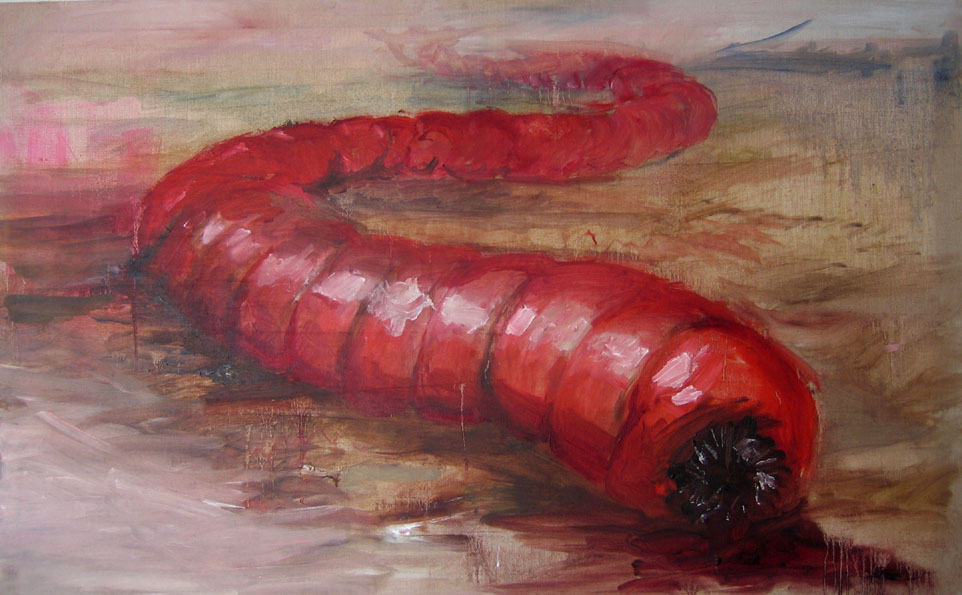 🇲🇳 MongoliaMongolian death wormолгой-хорхой (olgoi-khorkhoi)
A legendary desert creature said to kill with venom or electricityBeing · Cursing and harm Legendary
🇲🇳 MongoliaMongolian death wormолгой-хорхой (olgoi-khorkhoi)
A legendary desert creature said to kill with venom or electricityBeing · Cursing and harm Legendary
 🇲🇳 Mongolia and 1 moreOngon
Ancestor spirits in Mongolian shamanism, represented by consecrated idols and talismansBeing · Protection · Speaking with spirits and the dead Living
🇲🇳 Mongolia and 1 moreOngon
Ancestor spirits in Mongolian shamanism, represented by consecrated idols and talismansBeing · Protection · Speaking with spirits and the dead Living
 🇷🇺 Russia and 3 moreSiberian shamanism
The spirit-journey practices of North Asian peoples and their linguistic relativesTradition · Healing · Speaking with spirits and the dead Fading
🇷🇺 Russia and 3 moreSiberian shamanism
The spirit-journey practices of North Asian peoples and their linguistic relativesTradition · Healing · Speaking with spirits and the dead Fading
Related elsewhere
All being 🇷🇸 Serbia and 5 moreVampire
An undead creature from folklore that feeds on the blood or life force of the livingBeing · Cursing and harm · Luck and prosperity Legendary
🇷🇸 Serbia and 5 moreVampire
An undead creature from folklore that feeds on the blood or life force of the livingBeing · Cursing and harm · Luck and prosperity Legendary
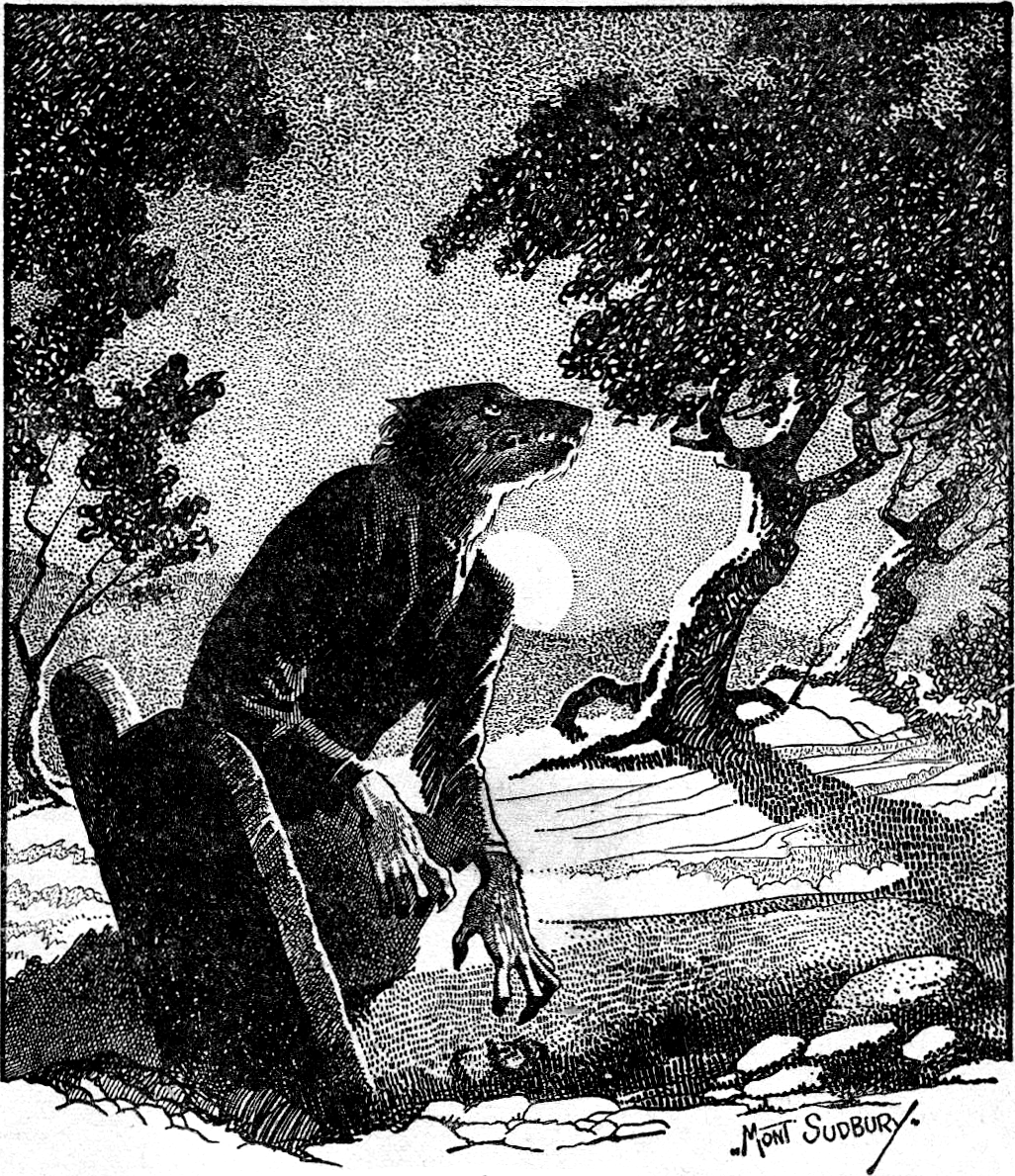 🇫🇷 France and 5 moreWerewolf
A mythical shapeshifter that turns into a wolf, central to European witch-hunts and Gothic horror.Being · Cursing and harm · Wonder and entertainment Legendary
🇫🇷 France and 5 moreWerewolf
A mythical shapeshifter that turns into a wolf, central to European witch-hunts and Gothic horror.Being · Cursing and harm · Wonder and entertainment Legendary
 🇪🇬 Egypt and 1 moreLilithלִילִית
A feminine figure from Mesopotamian and Jewish mythology, often depicted as a night demon or spirit.Being · Cursing and harm Legendary
🇪🇬 Egypt and 1 moreLilithלִילִית
A feminine figure from Mesopotamian and Jewish mythology, often depicted as a night demon or spirit.Being · Cursing and harm Legendary
 🇪🇬 EgyptCurse
A spoken wish for misfortune to befall a person or placeBelief · Cursing and harm · Luck and prosperity Historical
🇪🇬 EgyptCurse
A spoken wish for misfortune to befall a person or placeBelief · Cursing and harm · Luck and prosperity Historical