🇨🇿 Magic in the Czech Republic
12 entries from the Czech Republic, best known first, across 9 places of magic.
Czech folklore blends Christian and pagan customs, preserving ancient seasonal rites alongside music and dance. These traditions are maintained by local ensembles that perform regional costumes and crafts at festivals throughout the year.
- Morana effigies are burned or drowned to end winter
- Walpurgis Night bonfires reveal flying witches
- Willow whips ensure health during Easter
- Maypoles are contested by rival villages
- Fern flowers bring luck on magical nights
Overview
Czech folk belief mixes Christian rituals with older pagan roots. The country splits into ethnographic regions, each holding unique songs, dances, and craft skills. This diversity creates a wide range of entertainment and cultural expression. Neighboring areas share some Slavic elements, but local variations keep each village distinct. Folklore serves as both a historical record and a living performance art for modern audiences.
Practices and beliefs
People use specific items to mark seasons or protect homes. Fern flowers, wafers, and sanctified chalk were carried on Walpurgis Night to find treasures or avoid harm. Willow whips called pomlázka ensured health during Easter. Straw effigies of Morana represented winter spirits and were burned or drowned to welcome spring. These objects held symbolic power in daily life and seasonal cycles.
Rites and charms
Seasonal changes triggered specific ceremonies. Spring rituals aimed to protect crops and ensure fertility. Winter customs guarded households against cold and supernatural forces. The Drowning of Morana involved building a straw figure, dressing it in old clothes, and burning or sinking it after a procession. Shrovetide featured masked processions. Easter included whipping women with willow branches and drenching them with water. Maypole erection marked spring with decorated tree tops.
Who practises
Folklore is kept alive by community ensembles rather than isolated mystics. Members range from children to seniors who learn songs, dances, and costume making. These groups perform at competitions and festivals. Traditional roles like diviners or healers are not highlighted in the sources. Instead, enthusiasts preserve heritage through collective performance and teaching younger generations about local history and skill.
Regions and communities
Each ethnographic area maintains distinct traditions. Bohemia and Moravia have different instruments and dance styles. The Plzen region once required women to wear many underskirts. Hanakia had specific dress codes for married women and men. Southern parts focused on maypole cutting contests. These regional differences create varied costumes, musical instruments, and festival customs across the country.
The calendar
The year revolves around four seasons with specific celebrations. Spring welcomes include erecting maypoles and celebrating fertility. Summer features grape harvests and open-air festivals. Autumn marks harvest times. Winter focuses on protection against cold and evil spirits. Key dates include Shrovetide, Easter, and Walpurgis Night. Festivals like Moonlight in Prague occur in July, drawing international visitors to celebrate these timed traditions.
Law and the state
The sources do not mention legal restrictions, persecution, or state regulation of folk beliefs. Practices are preserved through cultural ensembles and tourism. Some traditions appear on UNESCO lists, indicating official recognition of their cultural value. There is no information about witch-hunts or conflicts between church and folk practices in the provided text.
Today
Folklore survives through active groups performing at festivals and competitions. Costumes are handed down in families or displayed in museums. Crafts like pottery, glassmaking, and lace production continue as artisanal skills. Tourism supports these traditions, with events attracting visitors worldwide. Modern performances adapt old songs and dances for contemporary audiences while maintaining regional identities.
The facts in this overview come from the Wikipedia article "Czech folklore", written by its contributors and used under the CC BY-SA 4.0 licence. EveryJaadu rewrote the text in its own words, with AI assistance, and compares every page with the article to make sure no passage is copied. It may be reused under the same CC BY-SA 4.0 licence with a link back.
Places of magic in the Czech Republic
 🇧🇷 Brazil and 5 moreWhite Lady
A female ghost in white clothing linked to tragedy and omens across many culturesFigure · Cursing and harm · Seeing and foretelling Legendary
🇧🇷 Brazil and 5 moreWhite Lady
A female ghost in white clothing linked to tragedy and omens across many culturesFigure · Cursing and harm · Seeing and foretelling Legendary
 🇩🇪 Germany and 7 moreWalpurgis NightWalpurgisnacht
A spring vigil marking the eve of Saint Walpurga's feast day with bonfires and student festivalsRite · Protection · Speaking with spirits and the dead Living
🇩🇪 Germany and 7 moreWalpurgis NightWalpurgisnacht
A spring vigil marking the eve of Saint Walpurga's feast day with bonfires and student festivalsRite · Protection · Speaking with spirits and the dead Living
 🇮🇷 Iran and 5 moreKnocking on wood
A gesture of tapping wood to ward off bad luck or prevent tempting fateBelief · Protection · Luck and prosperity Living
🇮🇷 Iran and 5 moreKnocking on wood
A gesture of tapping wood to ward off bad luck or prevent tempting fateBelief · Protection · Luck and prosperity Living
 🇬🇧 United Kingdom and 3 moreEdward Kelley
An English occultist and scryer who worked with John Dee to contact angels and practice alchemy.Figure · Power and authority · Wonder and entertainment Historical
🇬🇧 United Kingdom and 3 moreEdward Kelley
An English occultist and scryer who worked with John Dee to contact angels and practice alchemy.Figure · Power and authority · Wonder and entertainment Historical
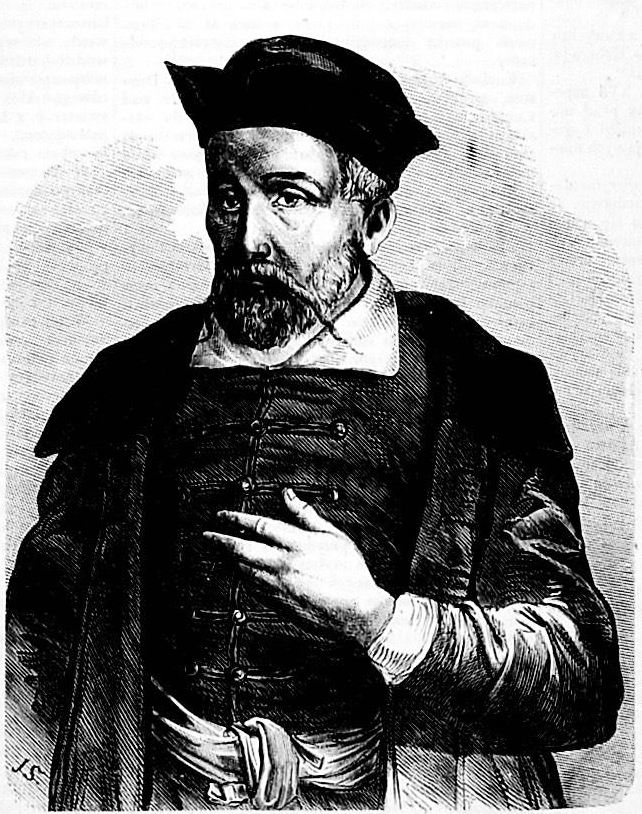 🇵🇱 Poland and 1 moreMichael SendivogiusMichał Sędziwój
A Polish alchemist who discovered oxygen and wrote on the 'food of life'Text · Power and authority · Change and initiation Historical
🇵🇱 Poland and 1 moreMichael SendivogiusMichał Sędziwój
A Polish alchemist who discovered oxygen and wrote on the 'food of life'Text · Power and authority · Change and initiation Historical
 🇷🇺 Russia and 3 moreVodyanoyводяной
A water spirit of Slavic folklore that dwells in rivers and lakesBeing · Cursing and harm · Luck and prosperity Legendary
🇷🇺 Russia and 3 moreVodyanoyводяной
A water spirit of Slavic folklore that dwells in rivers and lakesBeing · Cursing and harm · Luck and prosperity Legendary
 🇨🇿 Czech RepublicCzech folklore
The folk traditions of the Czech people, from seasonal rites to music and craft.Tradition · Protection · Luck and prosperity Living
🇨🇿 Czech RepublicCzech folklore
The folk traditions of the Czech people, from seasonal rites to music and craft.Tradition · Protection · Luck and prosperity Living
 🇩🇪 Germany and 5 moreStraw bearStrohbär
A carnival figure wrapped in straw that visits homes for gifts and marks the turning of seasons.Tradition · Luck and prosperity · Cursing and harm Living
🇩🇪 Germany and 5 moreStraw bearStrohbär
A carnival figure wrapped in straw that visits homes for gifts and marks the turning of seasons.Tradition · Luck and prosperity · Cursing and harm Living
 🇷🇺 Russia and 7 moreSlavic Native FaithРодноверие
A modern polytheistic movement drawing on Slavic folklore, romanticism, and global spiritual traditions.Tradition · Speaking with spirits and the dead · Power and authority Living
🇷🇺 Russia and 7 moreSlavic Native FaithРодноверие
A modern polytheistic movement drawing on Slavic folklore, romanticism, and global spiritual traditions.Tradition · Speaking with spirits and the dead · Power and authority Living
 🇷🇺 Russia and 4 moreRusalkaрусалка
A water spirit of Slavic folklore, often linked to drowned women and seasonal ritesBeing · Cursing and harm · Luck and prosperity Legendary
🇷🇺 Russia and 4 moreRusalkaрусалка
A water spirit of Slavic folklore, often linked to drowned women and seasonal ritesBeing · Cursing and harm · Luck and prosperity Legendary
 🇫🇮 Finland and 5 moreMolybdomancy
A divination method using molten metal poured into water to read omensRite · Seeing and foretelling · Cursing and harm Living
🇫🇮 Finland and 5 moreMolybdomancy
A divination method using molten metal poured into water to read omensRite · Seeing and foretelling · Cursing and harm Living
 🇨🇿 Czech Republic and 4 moreGolemגּוֹלֶם
An animated clay figure from Jewish folklore created to serve or protectBeing · Protection · Power and authority Legendary
🇨🇿 Czech Republic and 4 moreGolemגּוֹלֶם
An animated clay figure from Jewish folklore created to serve or protectBeing · Protection · Power and authority Legendary
Photo credits on this page
The small pictures above come from Wikimedia Commons under free licences. Some are cropped to fit.
- Walpurgis Night: Luis Ricardo Falero, Public domain, source
- Edward Kelley: Thomas Pennant, Public domain, source
- Michael Sendivogius: Łuszczkiewicz, Public domain, source
- Vodyanoy: Ivan Bilibin, Public domain, source
- Evocation: engraved by Ames of Bristol (according to Fincham, Artists and engrave, Public domain, source
- Straw bear: Photo: Andreas Praefcke, CC BY 3.0, source
- Czech folklore: Biser Todorov, CC BY-SA 4.0, source
- Slavic Native Faith: Union of Slavic Rodnover Communities (Союз Славянских Общин Славянской, CC BY-SA 4.0, source
- Knocking on wood: The White House, Public domain, source
- Rusalka: Andrey Shishkin, CC BY 3.0, source
- Molybdomancy: Micha L. Rieser, Attribution, source
- Golem: user Thander, Public domain, source
The weekly digest
Every Monday: seven entries you may not know, what is on the calendar this week, and one rite drawn step by step.