
Fulu
In its own language: 符籙
from fu, instructions for spirits, and lu, a priestly registry
Taoist talismans with cryptic symbols used for healing and protection
Fulu are Taoist magic symbols and incantations written on paper or wood. They are believed to hold divine authority through their deliberate unreadability.
- Fulu are Taoist talismanic scripts with cryptic symbols
- Illegibility signals divine authority and supernatural origin
- Used for healing alongside acupuncture and meditation
- Influenced Japanese ofuda and Korean bujeok practices
- Passed down secretly from priest to disciple
What it is
Fulu are talismanic scripts created by Taoist practitioners. These objects feature asemic symbols that resemble Chinese characters but serve as magical incantations. The term translates to 'talismanic script'. They are central to the fulu pai, an informal group of priests from various Taoist schools. The practice extends beyond Taoism into Chinese Buddhism and has influenced Japanese ofuda and Korean bujeok.
Where it comes from
Scholars note that deciphering early Taoist symbolism is difficult due to obscure imagery. Early talismans were simple, but later ones became deliberately cryptic to signal divinity. By the Eastern Jin dynasty, illegibility was seen as proof of supernatural origin. Ge Hong stated that authentic inscriptions worked regardless of whether the user could read them. This unreadability established the talisman's perceived authority.
How it is done
Priests write these symbols using irregular strokes that mimic Chinese characters. The method is passed secretly from master to disciple. Different sects use unique incantations and mudras. Some designs stack two characters together. The process is treated as a special craft for communicating with local deities. The specific style varies significantly between different religious groups.
Tools and materials
The primary tools are paper or wood blocks and ink. Buddhist coin charms and woodblock prints also incorporate these symbols. Some coin talismans display the script alongside glosses. Most request protection from Lei Gong against evil spirits. The physical medium serves as a vessel for the divine authority encoded in the symbols.
Fulu, drawn and placed
- Living
- Revived
- Fading
- Historical
- Legendary
- Performed
- Lineage
- Taoist practice
- Timing
- during healing rituals
What it is for
These objects are used for healing and protection. Historically, they were part of zhuyou, a medical practice alongside acupuncture and massage. Official support existed between the Sui and Ming dynasties. Today, folk healers continue this tradition despite rejection by formal traditional medicine. Western psychology sometimes interprets it as a form of hypnosis.
Who does it
Taoist priests are the main creators and interpreters. They belong to the fulu pai sect. Training involves secret transmission of writing methods. Only qualified clergy can produce them effectively. Folk healers also use these techniques for patient care. The role requires specific initiation and knowledge not available to outsiders.
Peoples and places
The practice originated in China and spread to Japan and Korea. In China, it is used by Taoists and folk healers. Japanese Buddhism adopted similar ofuda symbols. Korean shamanism uses bujeok. Each culture adapts the core concept to its own religious framework while maintaining the emphasis on protective and healing properties.
At a glance: who, where and when
Who does it
Peoples
Belief worlds

What people believe
The unreadability of the script is key to its power. It creates a 'veil of unfathomable otherwordliness'. This linguistic archaism ensures only the initiated can access the full meaning. The symbols are believed to condense cloud energy from the sky. Their efficacy relies on divine authority rather than human comprehension.
When it is done
No specific festivals are mentioned. Usage occurs during healing rituals and crisis moments. Historical records show continuous practice from the Eastern Han dynasty. The tradition evolved through various imperial periods without fixed calendar dates.
How scholars and sceptics see it
Researchers like Yang Zhaohua and James Robson study the evolution of these symbols. They argue that incomprehensibility is central to the talisman's authority. Gil Raz notes this feature defines the script. Modern interpretations link zhuyou to Western hypnosis. Scholars view the practice as a significant aspect of Taoist visual culture.
Cautions and what is closed
Some coin talismans remain undeciphered. The secretive nature of the training limits outside understanding. The practice is respected within its cultural context.
Compare and confuse
Fulu are related to Japanese ofuda and Korean bujeok. They share features with Buddhist coin charms. The concept differs from standard Chinese calligraphy due to its intentional illegibility. Other cultures have similar protective scripts.
Law and persecution
No legal restrictions are mentioned. The practice continues openly among folk healers today.
Today
Zhuyou remains widely used by Chinese folk healers. Western psychological frameworks influence modern interpretation. The art form inspires contemporary calligraphic creation. Academic interest in Taoist visual culture continues to grow.
Rites that involve Fulu
Questions people ask about Fulu
What are Fulu?
Fulu are Taoist magic symbols and incantations written on talismans. They are believed to hold divine authority through their deliberate unreadability and are used for healing and protection.
Where do Fulu come from?
They originate in China within Taoist practice. The tradition spread to Japan and Korea, influencing local religious symbols like ofuda and bujeok while maintaining core protective functions.
Why are the symbols hard to read?
The unreadability is intentional. It creates a veil of otherworldliness that signals divine authority. Only qualified priests can interpret them, ensuring the talisman's sacred status.
Are they still used today?
Yes. Chinese folk healers continue to use zhuyou techniques. While rejected by formal medicine, the practice persists and is sometimes interpreted through modern psychological lenses.
Good reading and sources
- Fulu on WikipediaEncyclopedia
- More photos on Wikimedia CommonsPhotos and video
- Wikidata recordOpen data
The facts on this page come from the Wikipedia article "Fulu", written by its contributors and used under the CC BY-SA 4.0 licence, and from its Wikidata record (CC0). EveryJaadu rewrote the text in its own words, with AI assistance, and compares every page with the article to make sure no passage is copied. It may be reused under the same CC BY-SA 4.0 licence with a link back.
It may contain mistakes. Names and customs differ from one community to the next, and some knowledge is closed to outsiders and left out here. This page describes belief and practice. It does not say that any of it works, it is not a how-to, and it is not medical advice. If something is wrong, tell us. Last refreshed 2026-10-05.
More from China
All the entries from China 🇨🇳 China and 5 moreChinese guardian lions石獅 (shíshī)
Stone lion pairs placed at entrances to ward off harm and welcome fortuneCharm · Protection · Luck and prosperity Living
🇨🇳 China and 5 moreChinese guardian lions石獅 (shíshī)
Stone lion pairs placed at entrances to ward off harm and welcome fortuneCharm · Protection · Luck and prosperity Living
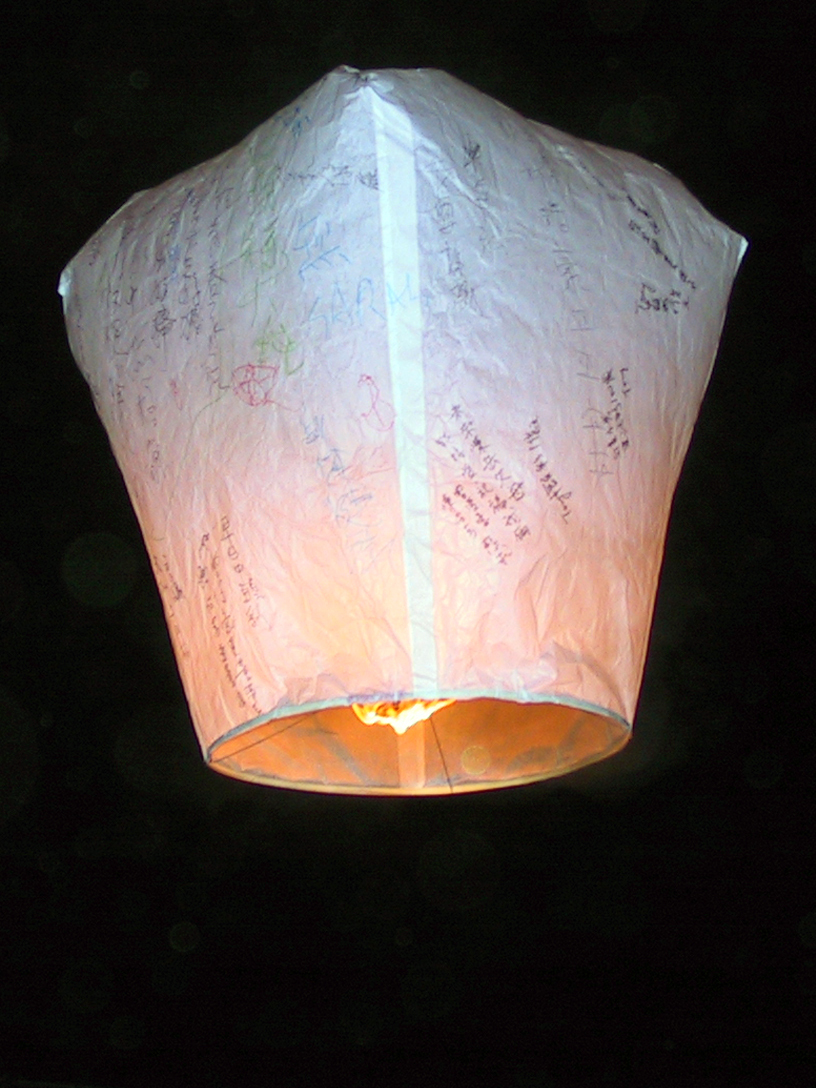 🇨🇳 China and 5 moreSky lantern天燈
A paper hot air balloon lifted by flame to carry wishes and blessingsRite · Luck and prosperity · Protection Living
🇨🇳 China and 5 moreSky lantern天燈
A paper hot air balloon lifted by flame to carry wishes and blessingsRite · Luck and prosperity · Protection Living
 🇨🇳 China and 5 moreJoss paper金紙
Paper burned as money and goods for ancestors, gods and the deadCharm · Speaking with spirits and the dead · Luck and prosperity Living
🇨🇳 China and 5 moreJoss paper金紙
Paper burned as money and goods for ancestors, gods and the deadCharm · Speaking with spirits and the dead · Luck and prosperity Living
 🇯🇵 Japan and 3 moreManeki-neko招き猫
A Japanese figurine of a beckoning cat believed to bring luck and prosperityCharm · Luck and prosperity · Protection Living
🇯🇵 Japan and 3 moreManeki-neko招き猫
A Japanese figurine of a beckoning cat believed to bring luck and prosperityCharm · Luck and prosperity · Protection Living
Related elsewhere
All charm 🇰🇪 Kenya and 1 moreMaasai religion
The spiritual beliefs of the semi-nomadic Maasai people of East AfricaTradition · Protection · Healing Living
🇰🇪 Kenya and 1 moreMaasai religion
The spiritual beliefs of the semi-nomadic Maasai people of East AfricaTradition · Protection · Healing Living
 🇺🇸 United StatesFolk healer
An unlicensed community member who provides healing care using local plants and traditional knowledge.Tradition · Healing · Protection Historical
🇺🇸 United StatesFolk healer
An unlicensed community member who provides healing care using local plants and traditional knowledge.Tradition · Healing · Protection Historical
 🇸🇳 Senegal and 1 moreSerer religionA ƭat Roog
The traditional faith of the Serer people, centred on the supreme deity Roog and ancestral veneration.Tradition · Protection · Speaking with spirits and the dead Living
🇸🇳 Senegal and 1 moreSerer religionA ƭat Roog
The traditional faith of the Serer people, centred on the supreme deity Roog and ancestral veneration.Tradition · Protection · Speaking with spirits and the dead Living
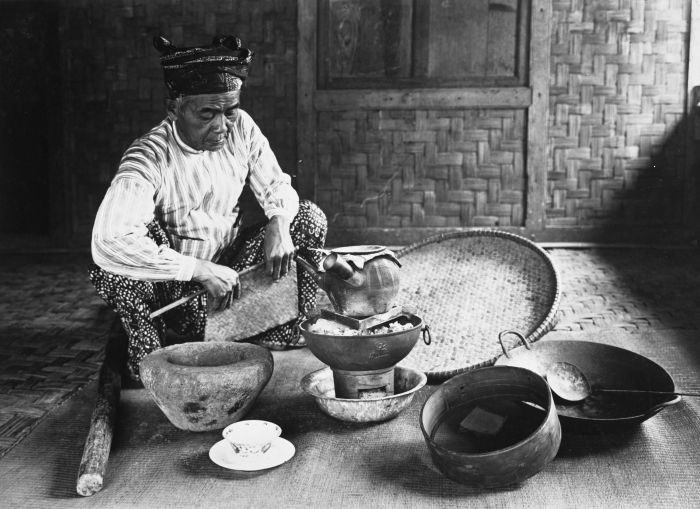 🇮🇩 Indonesia and 2 moreDukun
A traditional healer and spirit medium in Indonesian folk practiceTradition · Healing · Seeing and foretelling Living
🇮🇩 Indonesia and 2 moreDukun
A traditional healer and spirit medium in Indonesian folk practiceTradition · Healing · Seeing and foretelling Living