🇬🇱 Magic in Greenland
6 entries from Greenland, best known first.
Traditional Inuit spirituality weaves together a network of spirits, natural forces, and ancestral presence across the Arctic landscape. It operates without central authority and adapts to local dialects and environments. Following centuries of Christian missionary activity, most communities adopted European faiths, though a cultural renewal since the late twentieth century keeps older customs alive alongside modern life.
- Angakut acted as spiritual mediators for healing and hunting success.
- Hunters believed a sea guardian withheld game when taboos were broken.
- Sila represents weather, air, and a spiritual presence inside all people.
- A cultural revival began in the nineteen seventies to restore old ways.
- Spirits were frequently described as appearing as floating balls of light.
Overview
This tradition shapes daily life through a careful balance between the physical world and unseen forces. Practitioners view nature and the supernatural as continuous rather than separate. Harsh winter conditions and limited food supplies shaped a worldview focused on survival and respect. The system lacks a single holy book or centralized church. Instead, knowledge passes through oral storytelling and personal experience. Neighboring groups share similar ideas about animal guardians and weather powers, yet each community tailors its beliefs to local geography and language. Historical records come mainly from early explorers and later researchers who recorded these customs before outside religious institutions changed them.
Practices and beliefs
People wear protective charms and follow strict behavioral rules to avoid angering local spirits. Hunters offer prayers and songs to secure good fortune. When game becomes scarce, elders believe someone broke a customary rule, so the group performs reconciliation rituals to restore balance. Illness is often traced to spiritual offense, requiring specific remedies. Dreams carry serious meaning, sometimes serving as messages from ancestors or warnings about future events. Many also report seeing spirits as glowing orbs during sleep or quiet moments. These actions rely on maintaining harmony with the environment rather than commanding it.
Rites and charms
Ceremonies focus on practical needs like finding lost items, curing sickness, or supporting a hunting party. Specialists visit powerful entities to request permission for safe travel or successful harvests. After breaking household rules, families make offerings to appease offended beings. Funerary observances require careful attention to detail; failing to follow burial customs might trap a departing spirit near the village. Participants sing specific verses and present gifts at shrines or open ground. These gatherings reinforce community bonds while acknowledging invisible helpers.
Who practises
Spiritual guides called angakut serve as intermediaries between villagers and the unseen world. They receive their abilities from a pervasive atmospheric force known as Sila. Each guide works with personal helper entities called tuurngait, which respond only to their calls. Communities consult them for medical advice, tracking prey, and resolving disputes. Selection does not follow a rigid apprenticeship; instead, individuals demonstrate innate sensitivity to spiritual signs. Their reputation rests on accuracy and discretion. Outside observers once recorded their methods, but internal teachings remain closely guarded within families.
Regions and communities
Beliefs shift noticeably across different territories. Coastal groups revere a powerful female guardian of ocean creatures, while inland caribou hunters look to entirely different celestial figures. Some communities imagine weather as a conscious mind dwelling inside every person, whereas others treat it as an external climate pattern. Death customs also vary; some say the eyes wander during rest, while others describe a shadow traveling alone. Language differences shape how these concepts are named and explained. Local ecology directly dictates which spirits matter most to each settlement.
Today
Most residents now identify with Christian churches introduced during the nineteenth and twentieth centuries. Older customs survived quietly in family settings before a cultural resurgence emerged in the nineteen seventies. Today, practitioners blend historic rituals with contemporary life. Elders teach younger generations through stories and seasonal activities. Urban migration has spread these traditions beyond remote settlements, creating new hybrid expressions while preserving core values about respect for nature and community.
The facts in this overview come from the Wikipedia article "Inuit religion", written by its contributors and used under the CC BY-SA 4.0 licence. EveryJaadu rewrote the text in its own words, with AI assistance, and compares every page with the article to make sure no passage is copied. It may be reused under the same CC BY-SA 4.0 licence with a link back.
 🇮🇸 Iceland and 2 moreSeiðr
A Norse magic of fate and spirit, practiced by seers and sorcerers in the Viking Age.Tradition · Seeing and foretelling · Cursing and harm Revived
🇮🇸 Iceland and 2 moreSeiðr
A Norse magic of fate and spirit, practiced by seers and sorcerers in the Viking Age.Tradition · Seeing and foretelling · Cursing and harm Revived
 🇮🇪 Ireland and 5 moreCairn
A human-made stack of stones used as a marker, memorial, or religious symbol across many cultures.Tradition · Protection · Speaking with spirits and the dead Living
🇮🇪 Ireland and 5 moreCairn
A human-made stack of stones used as a marker, memorial, or religious symbol across many cultures.Tradition · Protection · Speaking with spirits and the dead Living
 🇪🇪 Estonia and 5 moreSoul dualism
A belief that a person contains two or more distinct kinds of soulsBelief · Healing · Speaking with spirits and the dead Historical
🇪🇪 Estonia and 5 moreSoul dualism
A belief that a person contains two or more distinct kinds of soulsBelief · Healing · Speaking with spirits and the dead Historical
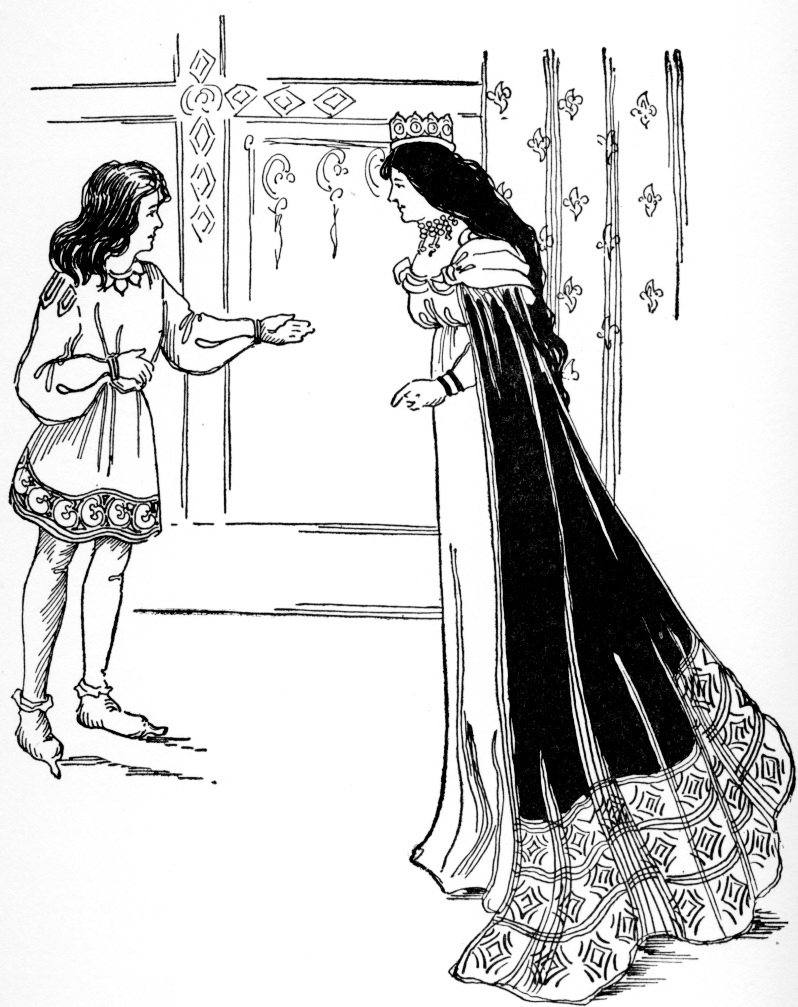 🇬🇧 United Kingdom and 3 moreMorgause
A legendary queen of Orkney and sister to King Arthur in British mythFigure · Power and authority Legendary
🇬🇧 United Kingdom and 3 moreMorgause
A legendary queen of Orkney and sister to King Arthur in British mythFigure · Power and authority Legendary
 🇮🇸 Iceland and 3 moreDraugr
A malevolent undead revenant from Nordic folklore, often guarding buried treasure.Being · Cursing and harm · Luck and prosperity Legendary
🇮🇸 Iceland and 3 moreDraugr
A malevolent undead revenant from Nordic folklore, often guarding buried treasure.Being · Cursing and harm · Luck and prosperity Legendary
 🇬🇧 United Kingdom and 4 moreSelkie
Mythical seal-people who shed their skin to walk as humans on landBeing · Love and attraction · Cursing and harm Legendary
🇬🇧 United Kingdom and 4 moreSelkie
Mythical seal-people who shed their skin to walk as humans on landBeing · Love and attraction · Cursing and harm Legendary
Photo credits on this page
The small pictures above come from Wikimedia Commons under free licences. Some are cropped to fit.
- Soul dualism: 尹真人, Public domain, source
- Seiðr: John Bauer, Public domain, source
- Cairn: Andrew Bossi, CC BY-SA 2.5, source
- Morgause: H. S. Campbell, Public domain, source
- Draugr: Kim Diaz Holm, CC BY 4.0, source
- Selkie: Carolyn Emerick, CC BY-SA 3.0, source
The weekly digest
Every Monday: seven entries you may not know, what is on the calendar this week, and one rite drawn step by step.