Luck and prosperity
Charms for fortune, success, a good harvest and a safe journey.
Luck magic aims at fortune, success, wealth and a safe passage. People keep lucky charms, perform money rites, pour offerings to a god of wealth, and avoid unlucky days. Examples include the Chinese lucky cat and the red packet, the Japanese daruma doll, the Indian worship of Lakshmi at Diwali, the European four-leaf clover and horseshoe, and the Hoodoo mojo bag. This page looks at what luck means and who profits from it.
Ideas of luck
Cultures differ on what luck is. In China, fortune is tied to fate, timing and the placement of objects, giving rise to feng shui and the choice of lucky numbers. In West Africa, success is linked to a person's destiny and the help of the orisha or ancestors. In Europe, luck came to be seen as chance, with charms to tilt it. Many societies see wealth as shared and fear that good fortune attracts envy. Merchants, farmers, gamblers and students are the usual customers, and the amounts asked of them range from a coin to a lifetime of savings.
Customs
Customs are domestic and mostly small. Merchants in Taiwan and China burn paper offerings and put out fruit at the start of the month. Fishers and sailors keep charms and avoid certain words. Gamblers, students and athletes have habits they will not break. Many rites involve giving something away, since reciprocity is thought to keep fortune moving. Lucky days are often chosen by calendar or astrologer, so that a shop opens, a wedding is held or a journey begins on a favourable date.
Schemes and scams
Luck is easy to sell. Lottery charms, gemstone bracelets and sellers who promise riches for a fee make money from hope. Fraud involving fake spiritualists who say a client's money is cursed and must be handed over is documented in many countries. Playing games of chance with charms may feel harmless, but anyone struggling with gambling should seek real help. Some wealth rites are public and religious, as with Diwali lamps for Lakshmi and the Lunar New Year offerings to the god of wealth, and some are private and quiet.
Scholars and sceptics
Psychologists have found that carrying a lucky charm can raise confidence and performance in some tasks, without changing the odds of chance. Economists study the role of luck in success. Religious authorities differ: some see lucky objects as idolatry, others as harmless custom, and prosperity churches around the world teach a faith-based version of the same hope. Those who struggle with debt or gambling harm should look for practical advice, since a charm does not change the odds or pay the bills.
Luck and prosperity on EveryJaadu
The entries written up so far, best known first.
 🇷🇸 Serbia and 5 moreVampire
An undead creature from folklore that feeds on the blood or life force of the livingBeing · Cursing and harm · Luck and prosperity Legendary
🇷🇸 Serbia and 5 moreVampire
An undead creature from folklore that feeds on the blood or life force of the livingBeing · Cursing and harm · Luck and prosperity Legendary
 🇫🇷 FranceHoly GrailSaint Graal
A cup or stone from Arthurian tales that grants healing and eternal lifeFigure · Healing · Luck and prosperity Legendary
🇫🇷 FranceHoly GrailSaint Graal
A cup or stone from Arthurian tales that grants healing and eternal lifeFigure · Healing · Luck and prosperity Legendary
 🇮🇹 ItalyBefana
An Italian witch-like figure who delivers gifts on Epiphany EveFigure · Luck and prosperity · Wonder and entertainment Living
🇮🇹 ItalyBefana
An Italian witch-like figure who delivers gifts on Epiphany EveFigure · Luck and prosperity · Wonder and entertainment Living
 🇬🇧 United Kingdom and 3 moreJack
A trickster hero from English folklore who outwits giants and oppressorsFigure · Cursing and harm · Luck and prosperity Living
🇬🇧 United Kingdom and 3 moreJack
A trickster hero from English folklore who outwits giants and oppressorsFigure · Cursing and harm · Luck and prosperity Living
 🇩🇪 GermanyPied Piper of Hamelinder Rattenfänger von Hameln
A medieval legend about a piper who leads children away from the town of HamelinFigure · Cursing and harm · Luck and prosperity Legendary
🇩🇪 GermanyPied Piper of Hamelinder Rattenfänger von Hameln
A medieval legend about a piper who leads children away from the town of HamelinFigure · Cursing and harm · Luck and prosperity Legendary
 🇮🇹 ItalyWitches of Benevento
A medieval Italian legend of witches gathering under a walnut treeBelief · Cursing and harm · Luck and prosperity Historical
🇮🇹 ItalyWitches of Benevento
A medieval Italian legend of witches gathering under a walnut treeBelief · Cursing and harm · Luck and prosperity Historical
 🇷🇺 Russia and 3 moreFirebird
A glowing bird of Slavic folklore that brings both fortune and peril to those who seek itFigure · Wonder and entertainment · Luck and prosperity Legendary
🇷🇺 Russia and 3 moreFirebird
A glowing bird of Slavic folklore that brings both fortune and peril to those who seek itFigure · Wonder and entertainment · Luck and prosperity Legendary
 🇫🇮 Finland and 1 moreSampo
A magical mill or world pillar in Finnish and Estonian mythology that produces wealth.Figure · Luck and prosperity · Power and authority Historical
🇫🇮 Finland and 1 moreSampo
A magical mill or world pillar in Finnish and Estonian mythology that produces wealth.Figure · Luck and prosperity · Power and authority Historical
 🇫🇷 France and 2 moreMelusineMélusine
A water spirit of French and Luxembourgish lore, known for her serpent form and the castles she built.Figure · Luck and prosperity · Power and authority Legendary
🇫🇷 France and 2 moreMelusineMélusine
A water spirit of French and Luxembourgish lore, known for her serpent form and the castles she built.Figure · Luck and prosperity · Power and authority Legendary
 🇷🇺 RussiaGolden apple
A mythical fruit that sparks quests, wars, and linguistic confusion across culturesFigure · Cursing and harm · Luck and prosperity Legendary
🇷🇺 RussiaGolden apple
A mythical fruit that sparks quests, wars, and linguistic confusion across culturesFigure · Cursing and harm · Luck and prosperity Legendary
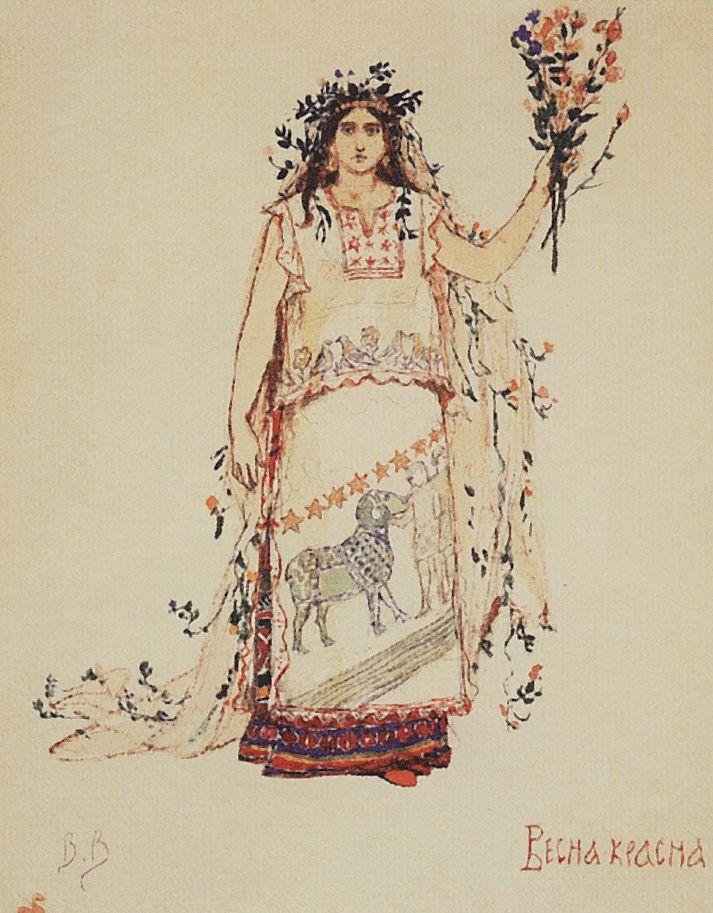 🇸🇮 Slovenia and 5 moreVesnaВесна
A Slavic personification of spring and youth, known in myth and languageFigure · Luck and prosperity Historical
🇮🇹 ItalyMonacielloMunaciello
A Neapolitan sprite linked to the city's underground waterways and hidden wealth.Figure · Luck and prosperity · Cursing and harm Legendary
🇬🇧 United KingdomQueen of Elphame
The elfin queen of Faerie from Lowland Scotland and Northern England folkloreFigure · Cursing and harm · Healing Historical
🇸🇪 SwedenYsätters-Kajsa
A wind-troll from Swedish folklore who danced with the gales of NärkeFigure · Cursing and harm · Luck and prosperity Legendary
🇸🇮 Slovenia and 5 moreVesnaВесна
A Slavic personification of spring and youth, known in myth and languageFigure · Luck and prosperity Historical
🇮🇹 ItalyMonacielloMunaciello
A Neapolitan sprite linked to the city's underground waterways and hidden wealth.Figure · Luck and prosperity · Cursing and harm Legendary
🇬🇧 United KingdomQueen of Elphame
The elfin queen of Faerie from Lowland Scotland and Northern England folkloreFigure · Cursing and harm · Healing Historical
🇸🇪 SwedenYsätters-Kajsa
A wind-troll from Swedish folklore who danced with the gales of NärkeFigure · Cursing and harm · Luck and prosperity Legendary
 🇹🇷 Turkey and 1 moreMidasΜίδας
A Phrygian king from Greek myth who gained a golden touch and donkey earsFigure · Luck and prosperity · Cursing and harm Legendary
🇹🇷 Turkey and 1 moreMidasΜίδας
A Phrygian king from Greek myth who gained a golden touch and donkey earsFigure · Luck and prosperity · Cursing and harm Legendary
 🇫🇮 Finland and 2 moreTietäjä
A traditional Finnic healer and sage whose power came from memorised spells and deep knowledge.Figure · Healing · Protection Historical
🇫🇮 Finland and 2 moreTietäjä
A traditional Finnic healer and sage whose power came from memorised spells and deep knowledge.Figure · Healing · Protection Historical
 🇬🇧 United KingdomMadgy Figgy's Chair
A granite rock in Cornwall linked to a legendary witch and her storm conjuringFigure · Cursing and harm · Luck and prosperity Historical
🇷🇸 Serbia and 3 moreBožićБожић
A Slavic figure linked to the new year and spring, whose name now marks ChristmasFigure · Luck and prosperity · Wonder and entertainment Historical
🇬🇧 United KingdomMadgy Figgy's Chair
A granite rock in Cornwall linked to a legendary witch and her storm conjuringFigure · Cursing and harm · Luck and prosperity Historical
🇷🇸 Serbia and 3 moreBožićБожић
A Slavic figure linked to the new year and spring, whose name now marks ChristmasFigure · Luck and prosperity · Wonder and entertainment Historical
 🇳🇱 Netherlands and 3 moreZwarte Piet
A companion of Saint Nicholas in Low Countries folklore, now the subject of major cultural debate.Figure · Luck and prosperity Living
🇳🇱 Netherlands and 3 moreZwarte Piet
A companion of Saint Nicholas in Low Countries folklore, now the subject of major cultural debate.Figure · Luck and prosperity Living
 🇷🇴 Romania and 2 moreCaloian
A Romanian clay effigy ritual for rain and fertility, featuring a mock funeralRite · Luck and prosperity Fading
🇬🇧 United KingdomJoan the Wad
A Cornish pixie queen linked to fire and fortuneFigure · Luck and prosperity · Protection Legendary
🇷🇴 Romania and 2 moreCaloian
A Romanian clay effigy ritual for rain and fertility, featuring a mock funeralRite · Luck and prosperity Fading
🇬🇧 United KingdomJoan the Wad
A Cornish pixie queen linked to fire and fortuneFigure · Luck and prosperity · Protection Legendary
Photo credits on this page
The small pictures above come from Wikimedia Commons under free licences. Some are cropped to fit.
- Sampo: Väinö Blomstedt, Public domain, source
- Firebird: Philippe Giabbanelli, CC BY 3.0, source
- Vampire: Edvard Munch, Public domain, source
- Jack: Internet Archive Book Images, No restrictions, source
- Pied Piper of Hamelin: Edmund Evans, Public domain, source
- Melusine: GilPe, CC BY-SA 3.0, source
- Vesna: Viktor Vasnetsov, Public domain, source
- Midas: The Midas Painter, CC BY-SA 4.0, source
- Tietäjä: Robert Wilhelm Ekman, Public domain, source
- Madgy Figgy's Chair: Jim Champion, CC BY-SA 3.0, source
- Zwarte Piet: The illustrator is Daan Hoeksma, who died in 1935. The author is liste, Public domain, source
- Caloian: Costică Acsinte Archive, No restrictions, source
- Befana: El Ágora, Public domain, source
- Holy Grail: Photographed by the National Library of Wales, CC0, source
- Golden apple: Guido Reni, Public domain, source
- Witches of Benevento: Guglielmo della Porta, CC0, source