Scholars and sceptics
Anthropologists, historians and investigators who study magic and test its claims.
Scholars and sceptics are the people who study magic from outside the practice: anthropologists, historians, folklorists, psychologists, scholars of religion and investigators who test claims. They have names such as E. E. Evans-Pritchard, Marcel Mauss, Bronislaw Malinowski, Mary Douglas, Keith Thomas and Carlo Ginzburg, and also investigators such as James Randi. This page covers what they have found, how they disagree, and what their work has cost and changed. Their work has changed how the whole subject is understood.
Early theories
Nineteenth-century writers such as James Frazer treated magic as a mistaken early science, a view now widely rejected as arrogant and inaccurate. Later anthropologists, including Evans-Pritchard in his 1937 study of the Azande, showed that magical belief can be a consistent way of reasoning about misfortune. Mauss and Malinowski stressed its social role. Fieldwork, archives, laboratory studies and surveys are their main methods, and each field has its own debates and schools.
The history of witch trials
Historians have revised their view of the witch trials. Keith Thomas and Alan Macfarlane studied English village accusations, Carlo Ginzburg found the benandanti in Friuli, and Ronald Hutton has argued about the numbers and causes, and Silvia Federici links the persecution to the rise of capitalism, a thesis historians dispute. The older figure of nine million victims has been dropped, and estimates now run to tens of thousands of executions.
Testing claims
Sceptics test whether claims hold up. James Randi offered a prize for evidence of paranormal power that was never won, and organisations such as the Committee for Skeptical Inquiry investigate fraud. Researchers study why people believe: pattern-seeking, uncertainty and the wish to control events. The best sceptics aim to understand people, not to mock them. Sceptics hold that claims should be tested, and they have a long record of exposing cases such as spirit photography and fake healers.
Ethics of study
Scholars were often colonial officials or missionaries, and their reports shaped how Indigenous religions were named. Contemporary researchers work with communities, ask consent and respect closed knowledge. Practitioners sometimes object to being explained, and sceptics sometimes to being called closed-minded. The conversation continues, and this guide aims to stay neutral on whether magic works. Their critics reply that science cannot measure everything that matters to a community, and that explaining a ritual away is not the same as understanding it.
Scholars and sceptics on EveryJaadu
The entries written up so far, best known first.
 🇮🇹 ItalyWitches of Benevento
A medieval Italian legend of witches gathering under a walnut treeBelief · Cursing and harm · Luck and prosperity Historical
🇮🇹 ItalyWitches of Benevento
A medieval Italian legend of witches gathering under a walnut treeBelief · Cursing and harm · Luck and prosperity Historical
 🇩🇪 GermanyAlp
A Germanic spirit that presses on sleepers and drinks milkBeing · Cursing and harm · Luck and prosperity Historical
🇩🇪 GermanyAlp
A Germanic spirit that presses on sleepers and drinks milkBeing · Cursing and harm · Luck and prosperity Historical
 🇫🇷 France and 1 moreCernunnos
An antlered Celtic deity associated with nature and fertilityBeing · Power and authority · Luck and prosperity Historical
🇫🇷 France and 1 moreCernunnos
An antlered Celtic deity associated with nature and fertilityBeing · Power and authority · Luck and prosperity Historical
 🇮🇸 Iceland and 1 moreNornsnornir
Fate-weaving figures from Norse myth who shape human destiny and tend the world tree.Being · Cursing and harm · Luck and prosperity Historical
🇮🇸 Iceland and 1 moreNornsnornir
Fate-weaving figures from Norse myth who shape human destiny and tend the world tree.Being · Cursing and harm · Luck and prosperity Historical
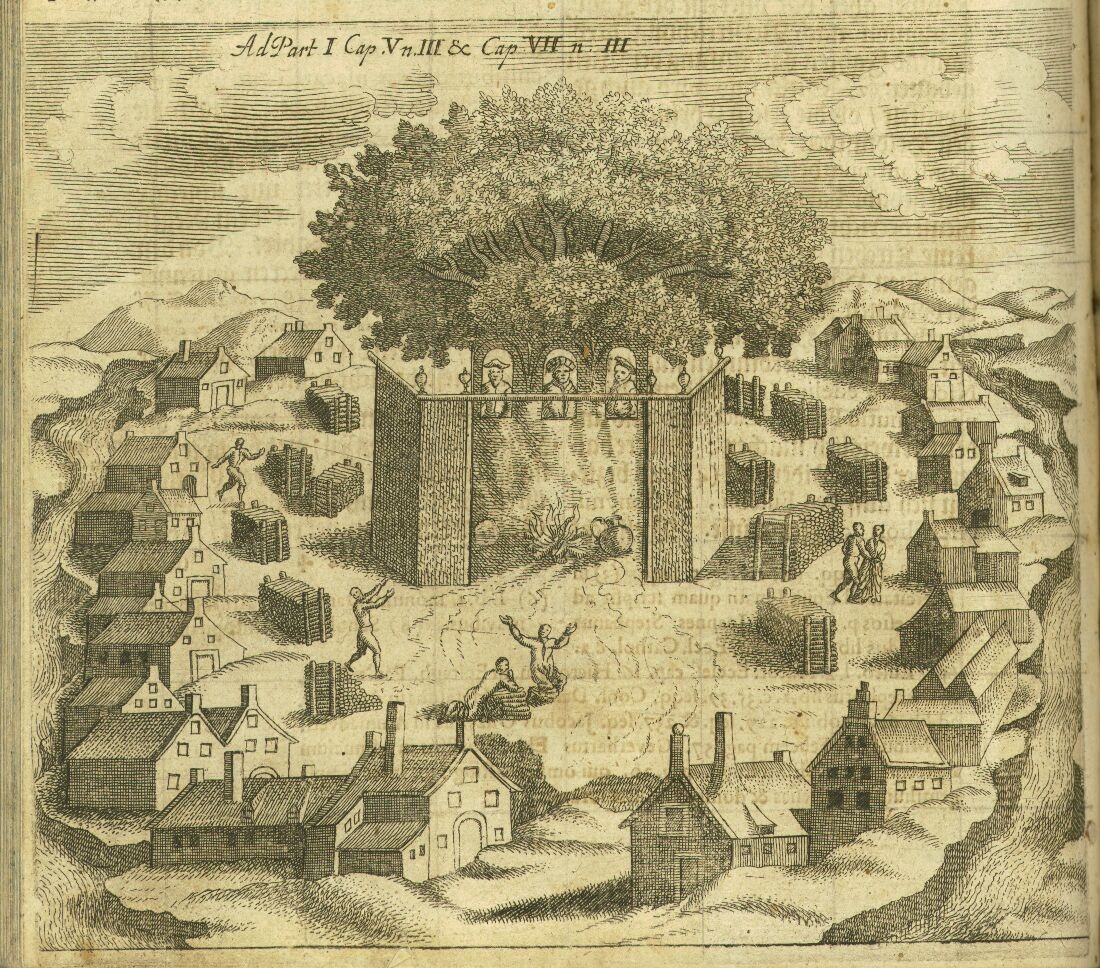 🇱🇹 Lithuania and 1 moreLithuanian mythologyLietuvių mitologija
The ancient polytheistic beliefs of the Baltic people, preserved in folklore and early chroniclesTradition · Speaking with spirits and the dead · Luck and prosperity Historical
🇱🇹 Lithuania and 1 moreLithuanian mythologyLietuvių mitologija
The ancient polytheistic beliefs of the Baltic people, preserved in folklore and early chroniclesTradition · Speaking with spirits and the dead · Luck and prosperity Historical
 🇬🇧 United Kingdom and 1 moreĒostre
An Anglo-Saxon goddess linked to spring and the dawn, whose name became Easter.Being · Luck and prosperity Historical
🇬🇧 United Kingdom and 1 moreĒostre
An Anglo-Saxon goddess linked to spring and the dawn, whose name became Easter.Being · Luck and prosperity Historical
 🇬🇧 United Kingdom and 3 moreJet
A black gemstone carved into amulets and mourning jewellery for centuriesCharm · Protection · Luck and prosperity Historical
🇬🇧 United Kingdom and 3 moreJet
A black gemstone carved into amulets and mourning jewellery for centuriesCharm · Protection · Luck and prosperity Historical
 🇩🇪 Germany and 1 moreWill-o'-the-wisp
A ghostly light in folklore that guides or misleads travellers over marshes and bogs.Belief · Cursing and harm · Luck and prosperity Historical
🇩🇪 Germany and 1 moreWill-o'-the-wisp
A ghostly light in folklore that guides or misleads travellers over marshes and bogs.Belief · Cursing and harm · Luck and prosperity Historical
 🇬🇷 Greece and 2 moreNumerology
The belief that numbers hold hidden meanings and influence human events.Belief · Seeing and foretelling · Luck and prosperity Historical
🇬🇷 Greece and 2 moreNumerology
The belief that numbers hold hidden meanings and influence human events.Belief · Seeing and foretelling · Luck and prosperity Historical
 🇫🇮 Finland and 1 moreSampo
A magical mill or world pillar in Finnish and Estonian mythology that produces wealth.Figure · Luck and prosperity · Power and authority Historical
🇮🇪 IrelandEarly Irish astrology
The study of celestial cycles in early Ireland, blending native observation with Christian and continental learning.Tradition · Seeing and foretelling · Luck and prosperity Historical
🇺🇦 Ukraine and 1 moreStrichaСтріча
A Slavic goddess who spins the golden thread of human destiny and good fortuneBeing · Luck and prosperity · Protection Historical
🇫🇮 Finland and 1 moreSampo
A magical mill or world pillar in Finnish and Estonian mythology that produces wealth.Figure · Luck and prosperity · Power and authority Historical
🇮🇪 IrelandEarly Irish astrology
The study of celestial cycles in early Ireland, blending native observation with Christian and continental learning.Tradition · Seeing and foretelling · Luck and prosperity Historical
🇺🇦 Ukraine and 1 moreStrichaСтріча
A Slavic goddess who spins the golden thread of human destiny and good fortuneBeing · Luck and prosperity · Protection Historical
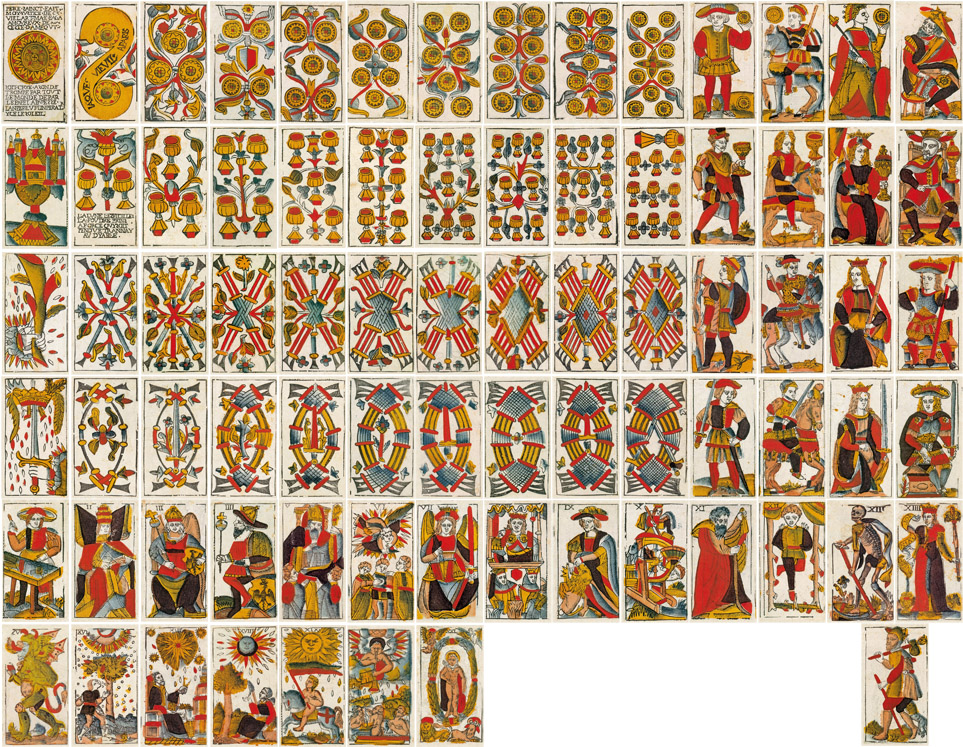 🇨🇭 Switzerland and 4 moreBelgian Tarot
A standard tarot deck printed in the Low Countries, mislabeled as Swiss.Tradition · Luck and prosperity Historical
🇨🇭 Switzerland and 4 moreBelgian Tarot
A standard tarot deck printed in the Low Countries, mislabeled as Swiss.Tradition · Luck and prosperity Historical
 🇷🇺 Russia and 3 moreChortчёрт
A Slavic demon spirit with horns and hooves, known in folklore as a trickster or minor evil force.Being · Cursing and harm · Luck and prosperity Historical
🇷🇺 Russia and 3 moreChortчёрт
A Slavic demon spirit with horns and hooves, known in folklore as a trickster or minor evil force.Being · Cursing and harm · Luck and prosperity Historical
 🇷🇴 Romania and 2 moreStrixστρίξ
A classical bird of ill omen that evolved into a term for witches and vampires across Europe.Being · Cursing and harm · Luck and prosperity Historical
🇷🇴 Romania and 2 moreStrixστρίξ
A classical bird of ill omen that evolved into a term for witches and vampires across Europe.Being · Cursing and harm · Luck and prosperity Historical
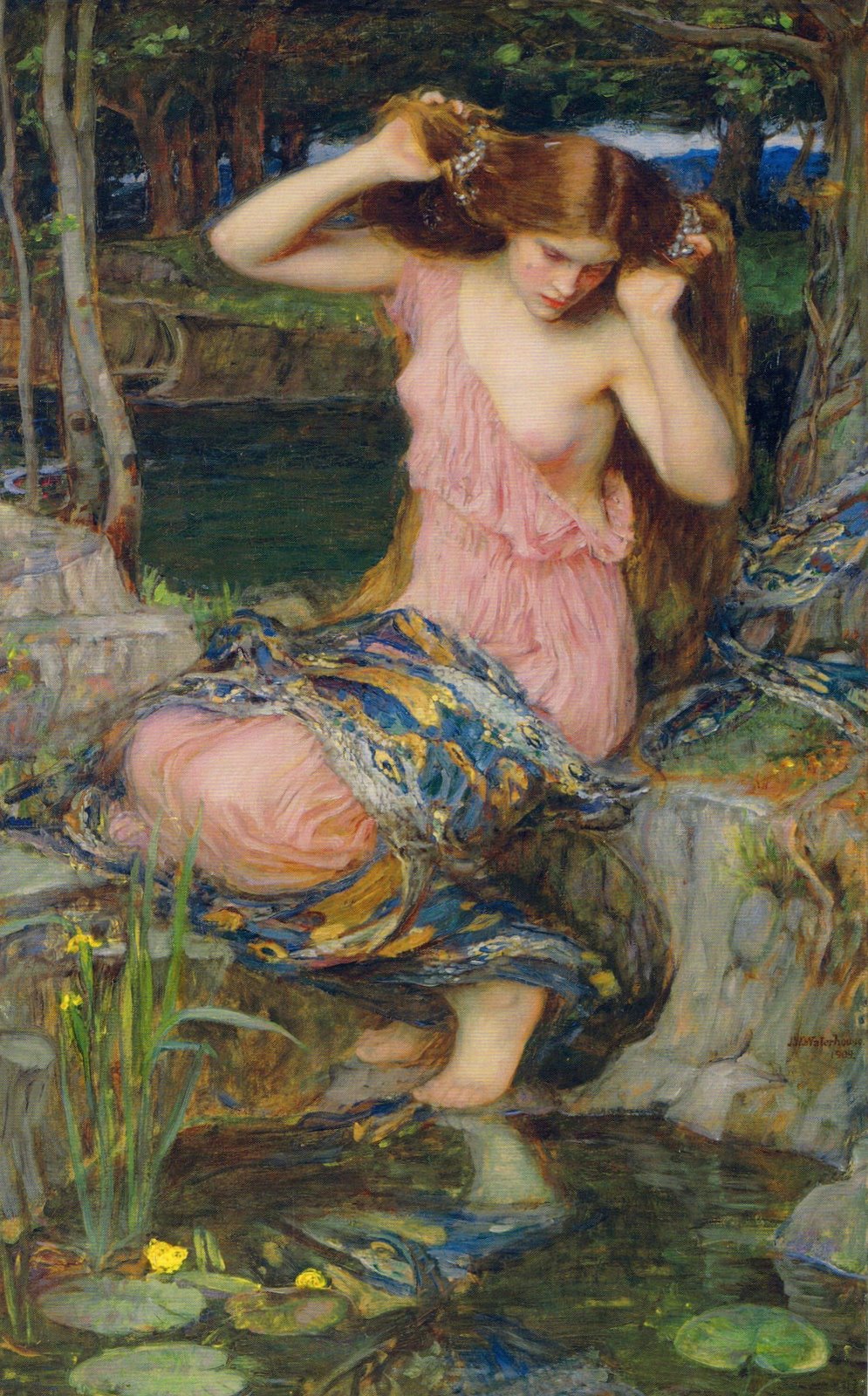 🇪🇸 SpainAnjanaanˈhana / an.xa.nɜ
Cantabrian fairies who protect forests and bring gifts to children.Being · Protection · Luck and prosperity Historical
🇪🇸 SpainAnjanaanˈhana / an.xa.nɜ
Cantabrian fairies who protect forests and bring gifts to children.Being · Protection · Luck and prosperity Historical
 🇬🇧 United KingdomCurse of Scotland
A nickname for a playing card linked to bad luck and Scottish historyBelief · Luck and prosperity Historical
🇬🇧 United KingdomCurse of Scotland
A nickname for a playing card linked to bad luck and Scottish historyBelief · Luck and prosperity Historical
 🇫🇷 France and 1 moreGold of Tolosa
A legendary treasure hoard seized by Rome and lost to historyBelief · Luck and prosperity Historical
🇫🇷 France and 1 moreGold of Tolosa
A legendary treasure hoard seized by Rome and lost to historyBelief · Luck and prosperity Historical
 🇮🇪 IrelandTailteann GamesÁenach Tailteann
Ancient Irish funeral games and assemblies held in County Meath to honor the dead.Rite · Speaking with spirits and the dead · Luck and prosperity Historical
🇮🇪 IrelandTailteann GamesÁenach Tailteann
Ancient Irish funeral games and assemblies held in County Meath to honor the dead.Rite · Speaking with spirits and the dead · Luck and prosperity Historical
 🇷🇺 Russia and 5 moreVelesВелес
A Slavic chthonic deity of cattle, the underworld, and oathsBeing · Protection · Luck and prosperity Historical
🇷🇸 Serbia and 3 moreBožićБожић
A Slavic figure linked to the new year and spring, whose name now marks ChristmasFigure · Luck and prosperity · Wonder and entertainment Historical
🇷🇺 Russia and 5 moreVelesВелес
A Slavic chthonic deity of cattle, the underworld, and oathsBeing · Protection · Luck and prosperity Historical
🇷🇸 Serbia and 3 moreBožićБожић
A Slavic figure linked to the new year and spring, whose name now marks ChristmasFigure · Luck and prosperity · Wonder and entertainment Historical
 🇷🇺 Russia and 5 moreFiredrakeognennyi zmei
A European dragon myth born from sightings of shooting stars and will-o'-the-wispsBeing · Cursing and harm · Luck and prosperity Historical
🇮🇹 ItalyMazapégul
A mischievous elf of Romagna with a red cap that steals sleep and braids horse manesBeing · Cursing and harm · Luck and prosperity Historical
🇷🇺 Russia and 5 moreFiredrakeognennyi zmei
A European dragon myth born from sightings of shooting stars and will-o'-the-wispsBeing · Cursing and harm · Luck and prosperity Historical
🇮🇹 ItalyMazapégul
A mischievous elf of Romagna with a red cap that steals sleep and braids horse manesBeing · Cursing and harm · Luck and prosperity Historical
 🇸🇪 SwedenStentoften Runestone
A seventh-century Swedish stone inscribed with a curse and harvest blessings in Proto-NorseText · Cursing and harm · Luck and prosperity Historical
🇫🇷 FranceMagonia
A cloud realm of aerial sailors blamed for hail and stolen grain in medieval EuropeBelief · Cursing and harm · Luck and prosperity Historical
🇸🇪 SwedenStentoften Runestone
A seventh-century Swedish stone inscribed with a curse and harvest blessings in Proto-NorseText · Cursing and harm · Luck and prosperity Historical
🇫🇷 FranceMagonia
A cloud realm of aerial sailors blamed for hail and stolen grain in medieval EuropeBelief · Cursing and harm · Luck and prosperity Historical
 🇬🇧 United KingdomMadgy Figgy's Chair
A granite rock in Cornwall linked to a legendary witch and her storm conjuringFigure · Cursing and harm · Luck and prosperity Historical
🇬🇧 United KingdomMadgy Figgy's Chair
A granite rock in Cornwall linked to a legendary witch and her storm conjuringFigure · Cursing and harm · Luck and prosperity Historical
Photo credits on this page
The small pictures above come from Wikimedia Commons under free licences. Some are cropped to fit.
- Sampo: Väinö Blomstedt, Public domain, source
- Numerology: Pietro Bongo, Public domain, source
- Xana: John William Waterhouse, Public domain, source
- Alp: Henry Fuseli, Public domain, source
- Cernunnos: Nationalmuseet, Roberto Fortuna og Kira Ursem, Public domain, source
- Norns: file: James Steakley ; artwork: Gustav Heidenreich, Public domain, source
- Lithuanian mythology: Prussian historian Christophorus Hartknoch (1644-1687), Public domain, source
- Ēostre: Johannes Gehrts (1855–1921), Public domain, source
- Belgian Tarot: PATLECOQ, CC BY-SA 3.0, source
- Strix: Prosthetic Head, CC BY-SA 4.0, source
- Jet: Thmsfrst, Public domain, source
- Madgy Figgy's Chair: Jim Champion, CC BY-SA 3.0, source
- Curse of Scotland: James Gillray (died 1815), Public domain, source
- Gold of Tolosa: AchilleT, Public domain, source
- Tailteann Games: Unknown author, Public domain, source
- Will-o'-the-wisp: Hermann Hendrich, Public domain, source
- Firedrake: Ramesh Kumar R, CC BY-SA 4.0, source
- Stentoften Runestone: Sendelbach ( talk ), CC BY-SA 3.0, source
- Chort: Unknown author, Public domain, source
- Veles: Andrey Shishkin, CC BY 3.0, source
- Witches of Benevento: Guglielmo della Porta, CC0, source