Folk healers
Curanderos, sangomas, hakims and the village healer, who mix remedy and ritual.
Folk healers are the people communities turn to when someone is ill: the curandero and curandera of Mexico and the Andes, the sangoma and inyanga of southern Africa, the hakim of the Islamic world, the vaidya of India, the bone-setter, the village midwife and the Siberian shaman. They combine remedies, ritual and counsel. This page describes them as tradition, not as medical advice, and illness needs real medical care. They are found in every society and are usually the nearest source of help.
What healers do
A healer listens to a person's story, names the trouble, and prescribes a course that may involve plants, diet, prayer, cleansing, a gathering of kin, or a sacrifice. The framing often covers the family and the spirit as well as the body. Healers are frequently the first and sometimes the only help available in places far from clinics. Treatments often involve plants, massage, steam, prayer, fasting and dietary rules, and the healer's own reputation counts for a great deal.
Who becomes one
Some healers inherit the role, some are called by ancestors, and some train as apprentices. Women are prominent as midwives, herbalists and spirit healers, though status and income often go to male specialists and licensed practitioners. In Latin America, curanderos draw on Catholic saints, Indigenous plant knowledge and Spanish folk medicine. In Ethiopia, the debtera works with scrolls and church learning. Some healers are called through illness themselves, which is described as a mark that they can heal others.
States and doctors
Law treats healers in different ways. India's AYUSH ministry supports Ayurveda, Unani and others. South Africa passed a Traditional Health Practitioners Act in 2007. Elsewhere, healers face police action under witchcraft or quackery laws, and in colonial times many were banned outright. Doctors sometimes work with healers, for instance in HIV outreach in Africa. Healers in some regions are also asked to settle family quarrels, since illness is held to follow from tension in the household.
Harm and caution
Harm can come from delay, from unsafe substances, from sexual or financial abuse of patients, and from fraud. Exorcism of mental illness has led to deaths. Anthropologists add that healing rites can bring comfort and social support that clinics sometimes lack. Anyone with a serious symptom should see a qualified clinician, whatever other help they seek. In places where clinics are far away, a healer may deliver babies, set bones and treat fever, and the quality of that care varies widely.
Folk healers on EveryJaadu
The entries written up so far, best known first.
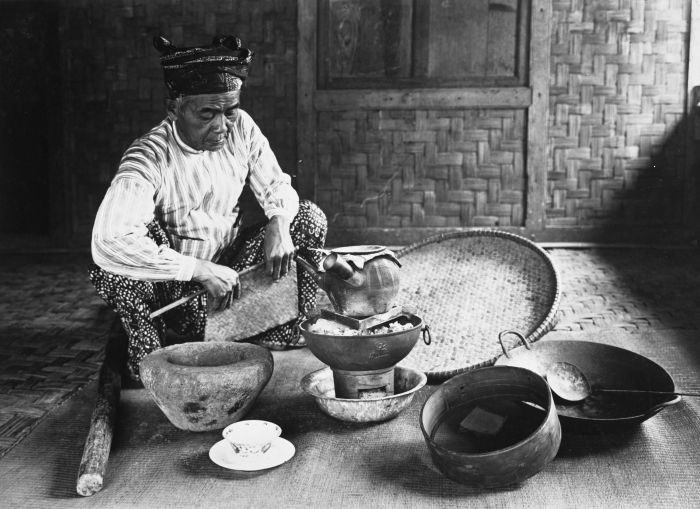 🇮🇩 Indonesia and 2 moreDukun
A traditional healer and spirit medium in Indonesian folk practiceTradition · Healing · Seeing and foretelling Living
🇮🇩 Indonesia and 2 moreDukun
A traditional healer and spirit medium in Indonesian folk practiceTradition · Healing · Seeing and foretelling Living
 🇮🇷 Iran and 1 moreJinnجِنّ
Supernatural beings in Islamic and pre-Islamic Arabian belief, created from smokeless fire.Being · Protection · Cursing and harm Living
🇮🇷 Iran and 1 moreJinnجِنّ
Supernatural beings in Islamic and pre-Islamic Arabian belief, created from smokeless fire.Being · Protection · Cursing and harm Living
 🇯🇵 JapanInugami犬神
A Japanese spirit of dog possession and folk sorceryBelief · Cursing and harm · Power and authority Historical
🇯🇵 JapanInugami犬神
A Japanese spirit of dog possession and folk sorceryBelief · Cursing and harm · Power and authority Historical
 🇺🇸 United StatesKahuna
A Hawaiian expert or priest, keeper of hidden knowledge in craft and spiritTradition · Healing · Seeing and foretelling Living
🇺🇸 United StatesKahuna
A Hawaiian expert or priest, keeper of hidden knowledge in craft and spiritTradition · Healing · Seeing and foretelling Living
 🇳🇬 Nigeria and 5 moreOgunÒgún
A West African deity of iron, war and metalworking found in Yoruba and diaspora traditionsBeing · Protection · Cursing and harm Living
🇳🇬 Nigeria and 5 moreOgunÒgún
A West African deity of iron, war and metalworking found in Yoruba and diaspora traditionsBeing · Protection · Cursing and harm Living
 🇮🇳 India and 2 moreBhootभूत
A restless spirit of the dead in South Asian belief and folkloreBeing · Cursing and harm · Protection Living
🇮🇳 India and 2 moreBhootभूत
A restless spirit of the dead in South Asian belief and folkloreBeing · Cursing and harm · Protection Living
Photo credits on this page
The small pictures above come from Wikimedia Commons under free licences. Some are cropped to fit.
- Bhoot: Anilbhardwajnoida, CC BY-SA 3.0, source
- Dukun: Unknown author, CC BY-SA 3.0, source
- Jinn: VenusFeuerFalle, CC0, source
- Inugami: Sawaki Suushi (佐脇嵩之, Japanese, *1707, †1772), Public domain, source
- Kahuna: Unknown author, Public domain, source
- Ogun: Chado07, CC BY-SA 4.0, source