Everyday use: practices that mark them
Small habits kept at home: the horseshoe, the salt over the shoulder, the evil-eye bead.
Everyday magic is the small habits kept at home: the horseshoe, salt over the shoulder, knocking on wood, the evil-eye bead, a lucky number, a morning prayer, the red thread, a bowl of water at the door, a charm in the car. People keep them without making much of them. This page looks at what these habits are, why they last and where they fit alongside religion and science. It is the commonest magic of all.
What it looks like
Daily practice is ordinary. In India, a lemon and chillies hang at shops, and a rangoli drawn at a doorstep welcomes luck. In Turkey, a nazar hangs near the door. In Britain, people say touch wood. In Japan, a lucky cat sits in the shop window, and in Mexico an egg may be rolled over a child. Many of these customs use cheap, available things. Many habits are older than the people who keep them, and nobody can say who started them.
Why people keep them
Researchers describe such habits as low-cost ways to cope with uncertainty. They give a feeling of control, mark boundaries and bring people together at little risk. Studies of lucky charms show they can raise confidence. Most people hold small customs with a light touch, half serious and half playful, and would not say they believe in them. Practices come in several types: some are protective, some bring luck, some help the household keep track of time and weather, and some are no more than a habit of speech.
Names, religion and class
Customs are shared across religions with different explanations. The evil eye is feared by Muslims, Christians, Jews and Hindus in the Mediterranean and beyond. Religious reformers often attack such customs, and educated people sometimes mock them as rural. Women do most of the work of keeping them going, within the home. The home is also where these customs meet money, since shops sell everything needed, and some of the items on sale are made far from their cultural homes.
Shops and screens
Ordinary habits are now a market of charms, apps, horoscopes and online readers. Small purchases are harmless, but large payments for luck or protection are a warning sign of fraud. The customs also spread online, where they can lose their origin. Whether or not they work, they remain a way people say that they care about each other. In the end, the most common magic in the world is neither dramatic nor secret, and it is practised by people who have no wish to be called magicians.
Everyday use on EveryJaadu
The entries written up so far, best known first.
 🇨🇳 China and 5 moreRegional forms of shamanism
A global overview of indigenous spirit-interaction practices across Asia and the Americas.Tradition · Healing · Speaking with spirits and the dead Living
🇨🇳 China and 5 moreRegional forms of shamanism
A global overview of indigenous spirit-interaction practices across Asia and the Americas.Tradition · Healing · Speaking with spirits and the dead Living
 🇪🇬 Egypt and 5 moreAmulet
A portable object worn or carried to ward off harm and invite protection.Charm · Protection · Healing Living
🇮🇩 IndonesiaIndonesian numismatic charmUang Gobog
Coin-like amulets from Indonesia used for protection and ritual offerings.Charm · Protection · Luck and prosperity Living
🇪🇬 Egypt and 5 moreAmulet
A portable object worn or carried to ward off harm and invite protection.Charm · Protection · Healing Living
🇮🇩 IndonesiaIndonesian numismatic charmUang Gobog
Coin-like amulets from Indonesia used for protection and ritual offerings.Charm · Protection · Luck and prosperity Living
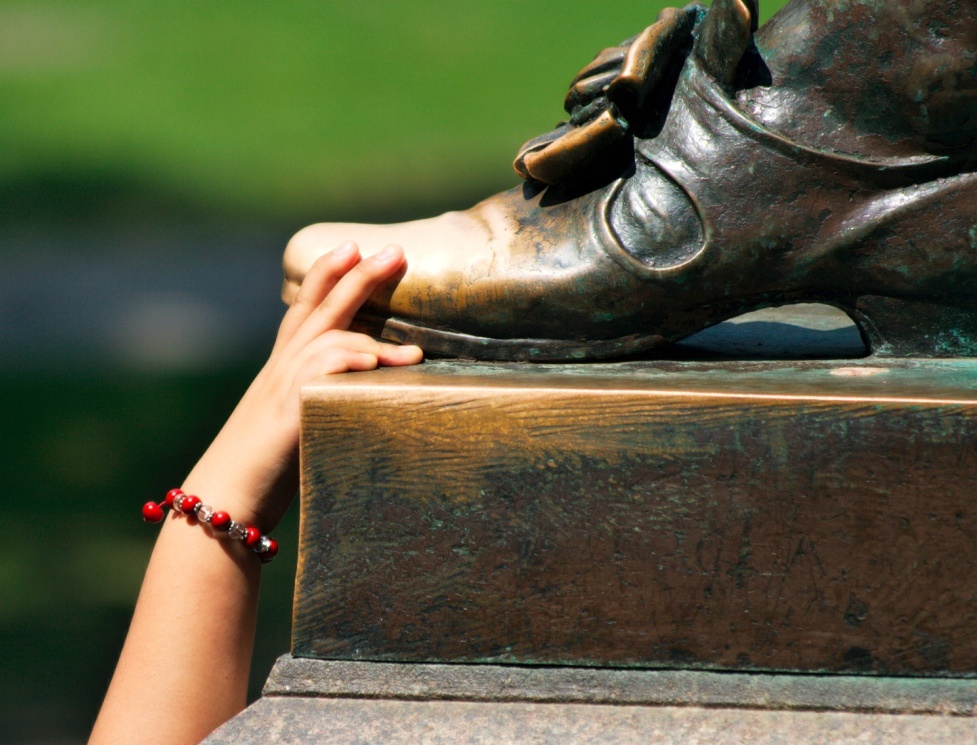 🇮🇪 IrelandStatue rubbing
A tourist custom of touching statues to attract luck, love, or a return visit.Belief · Luck and prosperity · Love and attraction Living
🇦🇺 Australia and 2 moreTheatrical superstitions
Beliefs and rituals among actors to avoid bad luck and ward off spiritsBelief · Protection · Luck and prosperity Living
🇯🇵 JapanDōbutsu uranai動物占い
A Japanese divination system that sorts people into animal types based on birthdate and personality axes.Oracle · Luck and prosperity Living
🇮🇪 IrelandStatue rubbing
A tourist custom of touching statues to attract luck, love, or a return visit.Belief · Luck and prosperity · Love and attraction Living
🇦🇺 Australia and 2 moreTheatrical superstitions
Beliefs and rituals among actors to avoid bad luck and ward off spiritsBelief · Protection · Luck and prosperity Living
🇯🇵 JapanDōbutsu uranai動物占い
A Japanese divination system that sorts people into animal types based on birthdate and personality axes.Oracle · Luck and prosperity Living
 🇨🇳 China and 1 moreTaoist coin charm道教品壓生錢
Chinese and Vietnamese numismatic charms used for protection and feng shuiCharm · Protection · Cursing and harm Historical
🇨🇳 China and 1 moreTaoist coin charm道教品壓生錢
Chinese and Vietnamese numismatic charms used for protection and feng shuiCharm · Protection · Cursing and harm Historical
 🇮🇳 India and 3 moreAstrology
A divinatory practice that links celestial positions to human affairs and earthly eventsTradition · Seeing and foretelling · Luck and prosperity Historical
🇮🇱 IsraelSegulaסגולה
A Jewish charm or ritual believed to bring protection, healing, or blessings.Charm · Protection · Healing Living
🇮🇳 India and 3 moreAstrology
A divinatory practice that links celestial positions to human affairs and earthly eventsTradition · Seeing and foretelling · Luck and prosperity Historical
🇮🇱 IsraelSegulaסגולה
A Jewish charm or ritual believed to bring protection, healing, or blessings.Charm · Protection · Healing Living
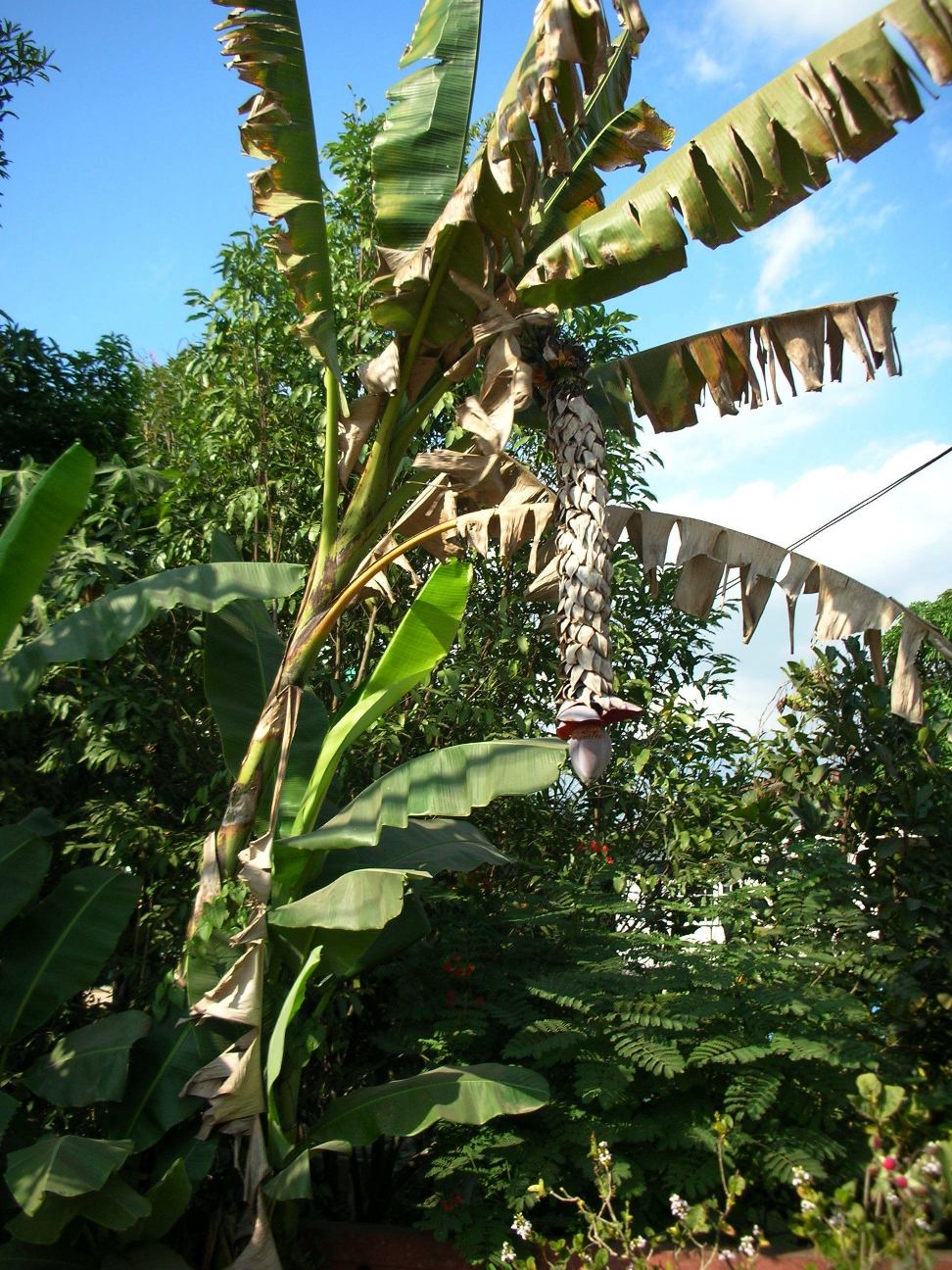 🇹🇭 Thailand and 1 moreNang Taniนางตานี
A female spirit said to inhabit wild banana trees in Southeast Asian folklore.Being · Protection · Luck and prosperity Living
🇹🇭 Thailand and 1 moreNang Taniนางตานี
A female spirit said to inhabit wild banana trees in Southeast Asian folklore.Being · Protection · Luck and prosperity Living
 🇵🇾 ParaguayJasy Jatere
A Guaraní spirit of the moon who guards yerba mate and enforces the siestaBeing · Protection · Luck and prosperity Legendary
🇵🇾 ParaguayJasy Jatere
A Guaraní spirit of the moon who guards yerba mate and enforces the siestaBeing · Protection · Luck and prosperity Legendary
 🇮🇳 IndiaSuperstition in India
Common beliefs and rituals across India that influence daily life and major eventsBelief · Protection · Luck and prosperity Living
🇮🇹 ItalyIn bocca al lupo
An Italian idiom wishing good luck by invoking danger, with a response asking for the wolf's death.Belief · Luck and prosperity Living
🇮🇳 IndiaSuperstition in India
Common beliefs and rituals across India that influence daily life and major eventsBelief · Protection · Luck and prosperity Living
🇮🇹 ItalyIn bocca al lupo
An Italian idiom wishing good luck by invoking danger, with a response asking for the wolf's death.Belief · Luck and prosperity Living
 🇮🇱 Israel and 4 moreChaiחי
A Hebrew word and symbol meaning 'alive', used as an amulet and in Jewish culture.Charm · Protection · Luck and prosperity Living
🇸🇻 El SalvadorChasca
A spirit of the water in Salvadoran folklore who blesses respectful fishermenFigure · Protection · Luck and prosperity Living
🇮🇱 Israel and 4 moreChaiחי
A Hebrew word and symbol meaning 'alive', used as an amulet and in Jewish culture.Charm · Protection · Luck and prosperity Living
🇸🇻 El SalvadorChasca
A spirit of the water in Salvadoran folklore who blesses respectful fishermenFigure · Protection · Luck and prosperity Living
 🇹🇭 ThailandPla taphianปลาตะเพียนสาน
A woven palm leaf fish mobile hung as a blessing for health and plentyCharm · Protection · Luck and prosperity Living
🇹🇭 ThailandPla taphianปลาตะเพียนสาน
A woven palm leaf fish mobile hung as a blessing for health and plentyCharm · Protection · Luck and prosperity Living
 🇫🇷 FrancePetit AlbertSecrets merveilleux de la magie naturelle et cabalistique du petit Albert
An 18th-century French grimoire of natural and cabalistic magic sold to rural householdsText · Protection · Luck and prosperity Historical
🇫🇷 FrancePetit AlbertSecrets merveilleux de la magie naturelle et cabalistique du petit Albert
An 18th-century French grimoire of natural and cabalistic magic sold to rural householdsText · Protection · Luck and prosperity Historical
 🇺🇸 United StatesBaseball superstition
Rituals and beliefs held by players and fans to influence game outcomesBelief · Luck and prosperity · Protection Living
🇺🇸 United StatesBaseball superstition
Rituals and beliefs held by players and fans to influence game outcomesBelief · Luck and prosperity · Protection Living
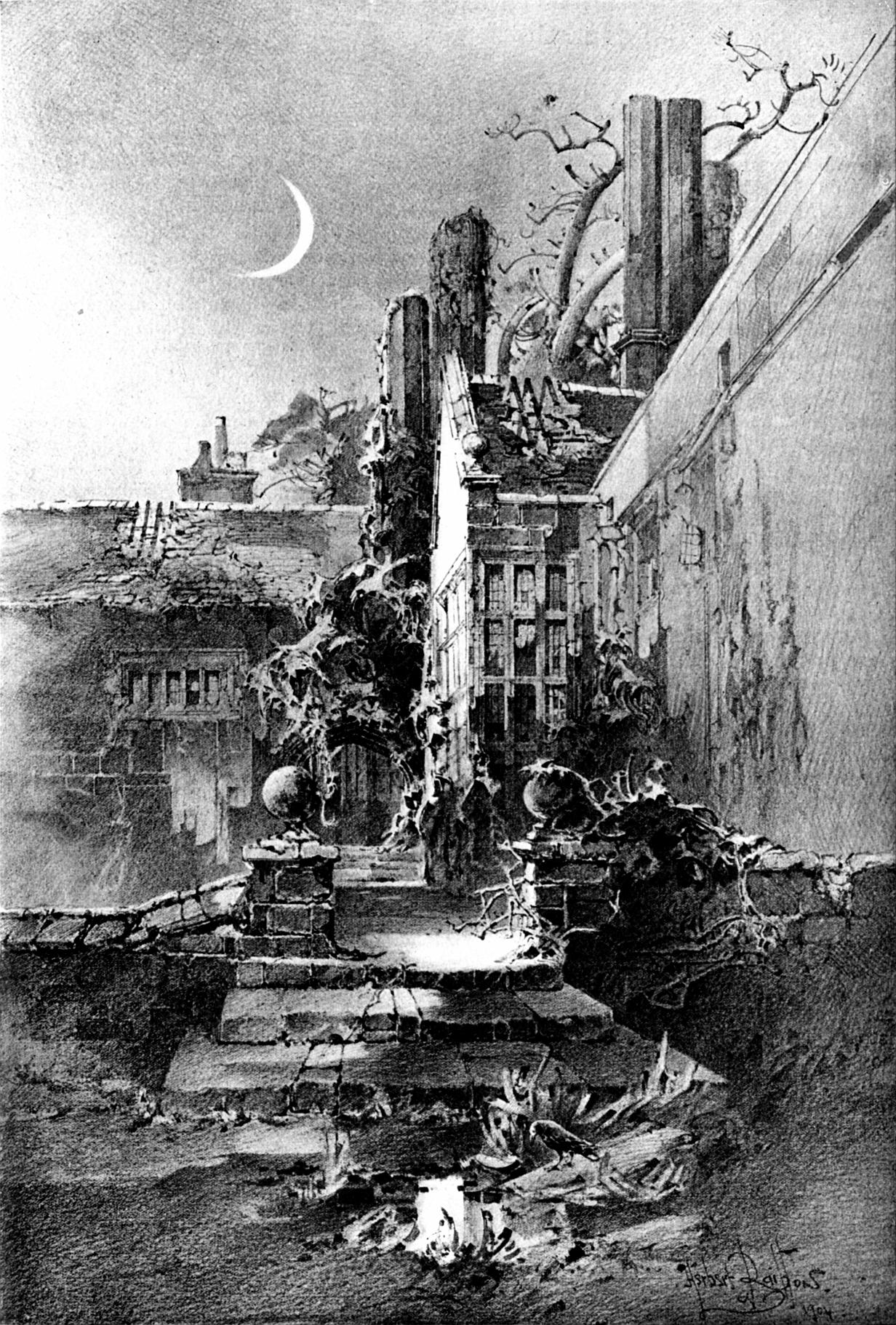 🇬🇧 United KingdomHobgoblin
A household spirit from English folklore known for chores and mischiefBeing · Cursing and harm · Luck and prosperity Historical
🇭🇺 HungaryLidérc
A shape-shifting spirit from Hungarian folklore that brings wealth or illness.Being · Cursing and harm · Luck and prosperity Legendary
🇮🇹 ItalyMazapégul
A mischievous elf of Romagna with a red cap that steals sleep and braids horse manesBeing · Cursing and harm · Luck and prosperity Historical
🇬🇧 United KingdomQueen of Elphame
The elfin queen of Faerie from Lowland Scotland and Northern England folkloreFigure · Cursing and harm · Healing Historical
🇬🇧 United KingdomHobgoblin
A household spirit from English folklore known for chores and mischiefBeing · Cursing and harm · Luck and prosperity Historical
🇭🇺 HungaryLidérc
A shape-shifting spirit from Hungarian folklore that brings wealth or illness.Being · Cursing and harm · Luck and prosperity Legendary
🇮🇹 ItalyMazapégul
A mischievous elf of Romagna with a red cap that steals sleep and braids horse manesBeing · Cursing and harm · Luck and prosperity Historical
🇬🇧 United KingdomQueen of Elphame
The elfin queen of Faerie from Lowland Scotland and Northern England folkloreFigure · Cursing and harm · Healing Historical
 🇫🇮 Finland and 2 moreTietäjä
A traditional Finnic healer and sage whose power came from memorised spells and deep knowledge.Figure · Healing · Protection Historical
🇷🇴 Romania and 5 moreMărțișor
A red and white string charm worn in early spring to welcome the seasonTradition · Protection · Luck and prosperity Living
🇫🇮 Finland and 2 moreTietäjä
A traditional Finnic healer and sage whose power came from memorised spells and deep knowledge.Figure · Healing · Protection Historical
🇷🇴 Romania and 5 moreMărțișor
A red and white string charm worn in early spring to welcome the seasonTradition · Protection · Luck and prosperity Living
 🇺🇸 United StatesMarmot Day
An Alaskan holiday celebrating local marmots and frontier culture, replacing Groundhog Day.Tradition · Luck and prosperity · Wonder and entertainment Living
🇺🇸 United StatesLaw of attraction
A New Thought belief that focused thoughts draw matching experiences into lifeBelief · Healing · Luck and prosperity Living
🇺🇸 United StatesMarmot Day
An Alaskan holiday celebrating local marmots and frontier culture, replacing Groundhog Day.Tradition · Luck and prosperity · Wonder and entertainment Living
🇺🇸 United StatesLaw of attraction
A New Thought belief that focused thoughts draw matching experiences into lifeBelief · Healing · Luck and prosperity Living
 🇯🇵 JapanAmabieアマビエ
A prophetic sea creature from Japan that wards off disease with its imageFigure · Protection · Seeing and foretelling Legendary
🇯🇵 JapanAmabieアマビエ
A prophetic sea creature from Japan that wards off disease with its imageFigure · Protection · Seeing and foretelling Legendary
 🇦🇺 Australia and 3 moreNelson (cricket)
A cricket superstition about the score 111 and the leg-raising ritual to ward it offBelief · Luck and prosperity Living
🇦🇺 Australia and 3 moreNelson (cricket)
A cricket superstition about the score 111 and the leg-raising ritual to ward it offBelief · Luck and prosperity Living
 🇮🇳 IndiaSuperstitions in Sikh societies
Folk beliefs and rituals observed by some Sikhs despite theological prohibitions.Belief · Luck and prosperity Living
🇮🇳 IndiaSuperstitions in Sikh societies
Folk beliefs and rituals observed by some Sikhs despite theological prohibitions.Belief · Luck and prosperity Living
 🇨🇳 China and 3 moreCash方孔錢
A round copper coin with a square hole used in China and East Asia for two millennia.Charm · Luck and prosperity · Speaking with spirits and the dead Living
🇨🇳 China and 3 moreCash方孔錢
A round copper coin with a square hole used in China and East Asia for two millennia.Charm · Luck and prosperity · Speaking with spirits and the dead Living
Photo credits on this page
The small pictures above come from Wikimedia Commons under free licences. Some are cropped to fit.
- Amulet: Anonymous ( Egypt ) Unknown author, Public domain, source
- Astrology: Wilfredor, CC0, source
- Statue rubbing: Matthias Rosenkranz, CC BY-SA 2.0, source
- Baseball superstition: Johnmaxmena2, CC BY 4.0, source
- Taoist coin charm: Etnografiska Museet, CC BY 2.5, source
- Nang Tani: Xufanc, CC BY-SA 3.0, source
- Jasy Jatere: Patty P, Public domain, source
- Hobgoblin: Herbert Railton, Public domain, source
- Tietäjä: Robert Wilhelm Ekman, Public domain, source
- Amabie: Unknown author, Public domain, source
- Pla taphian: Mr.Peerapong Prasutr, CC BY-SA 4.0, source
- Marmot Day: Colin Canterbury/USFWS, Public domain, source
- Nelson (cricket): Lemuel Francis Abbott, Public domain, source
- Cash: User 冷玉 on zh.wikipedia, CC BY-SA 3.0, source
- Superstition in India: Ji-Elle, CC BY-SA 4.0, source
- Chai: BASWIM, CC BY 3.0, source
- Petit Albert: Albertus Parvus Lucius, CC BY-SA 4.0, source
- Superstitions in Sikh societies: jjron, CC BY-SA 3.0, source
- Regional forms of shamanism: Man Sing, Public domain, source