🇨🇬 Magic in the Republic of the Congo
4 entries from the Republic of the Congo, best known first.
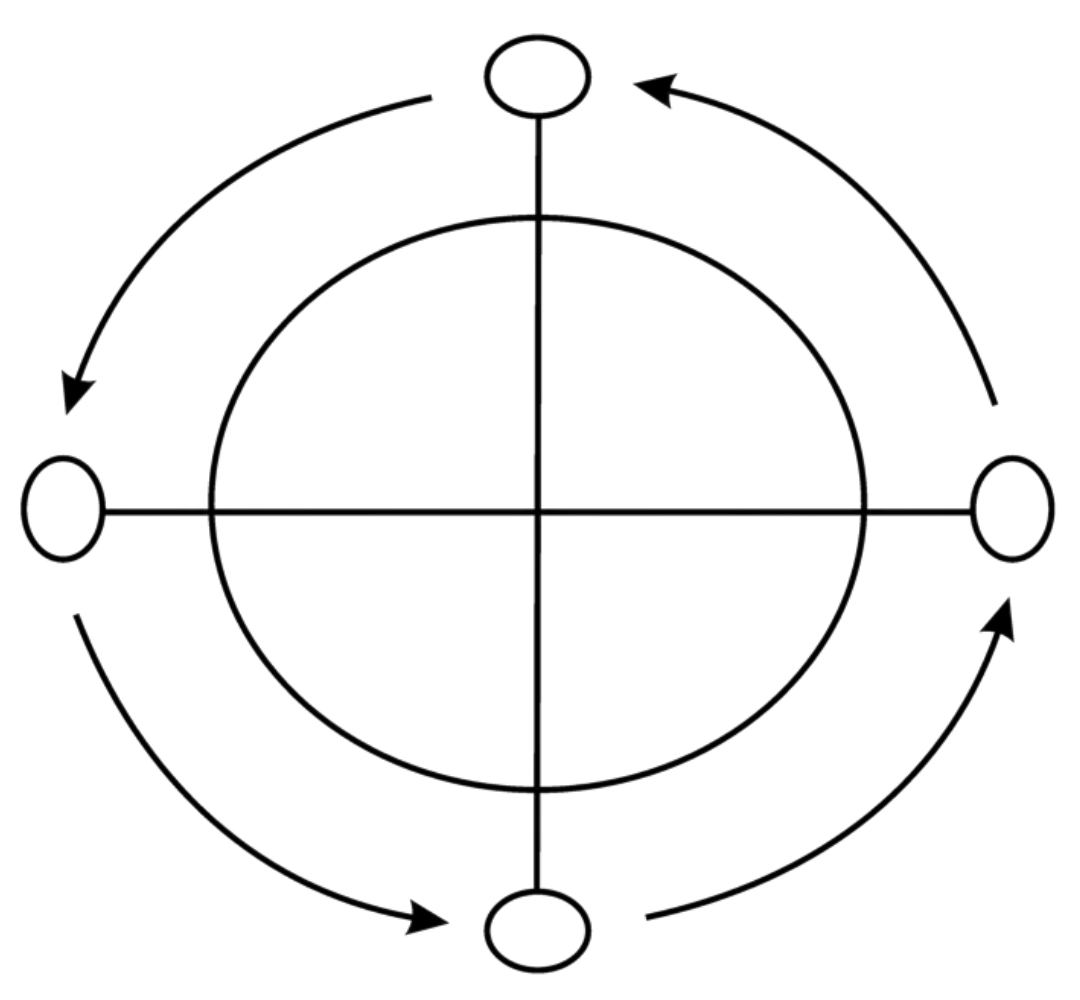
The traditional faith of the Bakongo people rests on an animistic worldview centered on ancestor veneration and a network of nature spirits. A supreme creator and his female counterpart shaped the cosmos, which flows through a cycle of four stages marked by the sun. Spiritual experts train to bridge the physical and ancestral realms, while oral stories preserve these beliefs across generations.
- The dikenga cosmogram uses a circle and cross to map two spiritual worlds.
- Expert healers called Banganga train extensively to consult ancestral spirits.
- The kalûnga force represents creative energy that shapes planets and life.
- Colonial missionaries redefined the creator deity and altered traditional gender balance.
- Ancestors reside in forests and rivers while guiding living family members.
Overview
This spiritual tradition belongs to the Bakongo people and spreads through West-Central Africa via historical trade and royal influence. It follows an animistic path where every natural element holds spirit energy. The core focus remains honoring deceased relatives who guide the living. A circular diagram known as the dikenga maps the universe into two zones separated by a sacred river. The sun’s daily journey mirrors human development from conception to death. Missionary records from the colonial period often distorted these ideas, yet the community maintains its own oral consensus. Scholars note that continuous interpretation keeps the system flexible rather than fixed. Neighboring groups like the Chokwe absorbed similar concepts, showing how regional networks shared spiritual frameworks long before modern borders appeared.
Who practises
Skilled healers called Banganga form the main group of spiritual workers. They complete long training periods to develop the ability to speak with ancestors and interpret guidance from the unseen world. These experts navigate between the visible landscape and the hidden spiritual zone. Colonial accounts sometimes mislabeled local leaders using foreign religious terms, but the community recognizes their specialized role. The tradition does not detail formal initiation sequences or selection criteria beyond extended study. Gender dynamics shifted during the colonial era, though earlier beliefs treated male and female energies as equal partners in spiritual work.
Regions and communities
The strongest development of this belief system appears in the northern areas where Kikongo languages are spoken. Historical kingdoms used centralized authority to spread these ideas across the Congo Basin. Groups such as the Ambundu and Chokwe integrated parts of the framework into their own customs. Coastal and inland communities adapted the cosmogram and spirit hierarchy to match local environments. European contact altered some regional interpretations, particularly around divine hierarchy and gender roles. The variation shows how a shared foundation branches into distinct local expressions without losing its core structure.
The calendar
Time moves through four repeating cycles tied to the sun’s position and the changing seasons. Each phase represents a stage of human growth, from early conception to final departure into the ancestral realm. Festivals and seasonal gatherings align with these natural markers. The transition between physical life and spiritual existence follows the same pattern, ensuring continuity across generations. Specific holiday dates or annual celebrations are not listed in the current material, so calendar details remain incomplete.
The facts in this overview come from the Wikipedia article "Kongo religion", written by its contributors and used under the CC BY-SA 4.0 licence. EveryJaadu rewrote the text in its own words, with AI assistance, and compares every page with the article to make sure no passage is copied. It may be reused under the same CC BY-SA 4.0 licence with a link back.
 🇺🇸 United States and 5 moreMojo bag
A cloth pouch holding charms for protection, luck, or love in the Hoodoo tradition.Charm · Protection · Healing Living
🇺🇸 United States and 5 moreMojo bag
A cloth pouch holding charms for protection, luck, or love in the Hoodoo tradition.Charm · Protection · Healing Living
 🇨🇬 Republic of the CongoNkisi
Spirit containers and power figures from the Congo Basin used for justice and healingCharm · Protection · Healing Living
🇨🇬 Republic of the CongoNkisi
Spirit containers and power figures from the Congo Basin used for justice and healingCharm · Protection · Healing Living
 🇨🇬 Republic of the Congo and 2 moreMokele-mbembemokèlé-mbèmbé
A water-dwelling legend from Central Africa, often linked to sauropods or rhinos.Being · Wonder and entertainment Legendary
🇦🇴 Angola and 2 moreKongo religionBukongo
The animistic beliefs and ancestor veneration of the Bakongo people in Central AfricaTradition · Speaking with spirits and the dead · Protection Living
🇨🇬 Republic of the Congo and 2 moreMokele-mbembemokèlé-mbèmbé
A water-dwelling legend from Central Africa, often linked to sauropods or rhinos.Being · Wonder and entertainment Legendary
🇦🇴 Angola and 2 moreKongo religionBukongo
The animistic beliefs and ancestor veneration of the Bakongo people in Central AfricaTradition · Speaking with spirits and the dead · Protection Living
Photo credits on this page
The small pictures above come from Wikimedia Commons under free licences. Some are cropped to fit.
- Nkisi: MiddleOfAfrica, CC BY-SA 4.0, source
- Mokele-mbembe: Charles Robert Knight, Public domain, source
- Mojo bag: Liza Khomenko, CC BY-SA 4.0, source
The weekly digest
Every Monday: seven entries you may not know, what is on the calendar this week, and one rite drawn step by step.