The moehau is a creature from Māori folklore believed to live in the Coromandel Peninsula. Some traditions link it to the maero, while others suggest sightings were misidentified gorillas or baboons.
- Dwells in the Coromandel Peninsula forests.
- Linked to the mythical maero giants.
- Sightings blamed on escaped baboons.
- Name may come from a logging steam hauler.
- Considered a wild man of the woods.
What it is
The moehau is a legendary creature described as a wild man of the woods. It is said to inhabit the dense forests of the Coromandel Peninsula on New Zealand's North Island. The name also appears as maeroero. Some accounts describe it as hairy and large. Others view it as a misidentification of a non-native animal.
Where it comes from
Folklore often links the moehau to the maero, which are considered giants or wild men. Another theory suggests sightings were exaggerated reports of escaped primates. A story from Kikowhakarere tells of a pet baboon that fled a ship into the hills. Experts note that such animals could not survive the local climate. In 1970, locals suggested the legend began as a joke or was named after a logging steam hauler.
Moehau, drawn and placed
- Living
- Revived
- Fading
- Historical
- Legendary
- Performed
- Lineage
- Māori folklore
Peoples and places
The creature belongs to Māori tradition. It is specifically associated with the Coromandel Peninsula. Stories vary between seeing it as a mythical being or a misunderstood animal. Local residents have offered different explanations over time. Some dismiss it as a fictional character created for entertainment.
At a glance: who, where and when
Peoples
What people believe
Māori people hold the belief that the moehau is a descendant of the maero. These figures are part of the region's oral history. The creature represents the unknown aspects of the bush. Alternative views attribute sightings to human error or deception. The legend persists through retelling and local curiosity.
How scholars and sceptics see it
Researchers have examined the origins of the legend. George Dean, Director of Auckland Zoo, rejected the idea of an escaped baboon surviving in the wild. He cited unsuitable food and climate conditions. Later accounts in 1970 attributed the name to a logging machine or a practical joke. These perspectives treat the moehau as a cultural artifact rather than a biological reality.
Compare and confuse
The moehau is similar to the maero and the Patupaiarehe. It shares traits with other wild man legends found globally. The term Moehau Monster has been compared to the Sasquatch of North America. Both are creatures said to dwell in remote forests.
Today
The legend remains part of New Zealand's cultural heritage. It is featured in media discussions about local mysteries. The story continues to be told by those interested in regional folklore. Modern interpretations sometimes focus on the historical logging equipment connection.
Questions people ask about Moehau
What is the moehau?
It is a legendary creature from Māori folklore said to live in the Coromandel Peninsula. It is described as a wild man or giant of the woods.
Where does the moehau come from?
It originates from New Zealand. The creature is part of the indigenous Māori tradition and is associated with the North Island's forests.
Is the moehau a real animal?
No. While some suggest it was an escaped baboon, experts say such animals cannot survive there. It is a figure of legend.
Why is it called the Hairy Moehau?
Some locals claim the name started as a joke. Others say it referred to a Yankee steam hauler used for logging in the area.
Good reading and sources
The facts on this page come from the Wikipedia article "Moehau", written by its contributors and used under the CC BY-SA 4.0 licence, and from its Wikidata record (CC0). EveryJaadu rewrote the text in its own words, with AI assistance, and compares every page with the article to make sure no passage is copied. It may be reused under the same CC BY-SA 4.0 licence with a link back.
It may contain mistakes. Names and customs differ from one community to the next, and some knowledge is closed to outsiders and left out here. This page describes belief and practice. It does not say that any of it works, it is not a how-to, and it is not medical advice. If something is wrong, tell us. Last refreshed 2026-10-06.
More from New Zealand
All the entries from New Zealand 🇳🇿 New ZealandTaniwha
Supernatural beings of Māori lore, acting as guardians or dangerous predators in water and earthBeing · Protection · Cursing and harm Living
🇳🇿 New ZealandTaniwha
Supernatural beings of Māori lore, acting as guardians or dangerous predators in water and earthBeing · Protection · Cursing and harm Living
 🇳🇿 New ZealandPatupaiarehe
Pale-skinned forest spirits of Māori mythology who live in mist and mountainsBeing · Speaking with spirits and the dead Legendary
🇳🇿 New ZealandPatupaiarehe
Pale-skinned forest spirits of Māori mythology who live in mist and mountainsBeing · Speaking with spirits and the dead Legendary
 🇳🇿 New Zealand and 1 moreManaia
A composite guardian spirit in Māori art and beliefBeing · Protection · Speaking with spirits and the dead Living
🇳🇿 New Zealand and 1 moreManaia
A composite guardian spirit in Māori art and beliefBeing · Protection · Speaking with spirits and the dead Living
 🇳🇿 New Zealand and 5 moreFace tattoo
Marks inked on the face for spiritual protection, identity, rank, and rite of passageTradition · Protection · Power and authority Living
🇳🇿 New Zealand and 5 moreFace tattoo
Marks inked on the face for spiritual protection, identity, rank, and rite of passageTradition · Protection · Power and authority Living
Related elsewhere
All being 🇷🇸 Serbia and 5 moreVampire
An undead creature from folklore that feeds on the blood or life force of the livingBeing · Cursing and harm · Luck and prosperity Legendary
🇷🇸 Serbia and 5 moreVampire
An undead creature from folklore that feeds on the blood or life force of the livingBeing · Cursing and harm · Luck and prosperity Legendary
 🇪🇬 Egypt and 1 moreSphinx
A mythical hybrid with a human head and lion body, serving as guardian or riddler in Egyptian and Greek traditions.Being · Protection · Wonder and entertainment Legendary
🇪🇬 Egypt and 1 moreSphinx
A mythical hybrid with a human head and lion body, serving as guardian or riddler in Egyptian and Greek traditions.Being · Protection · Wonder and entertainment Legendary
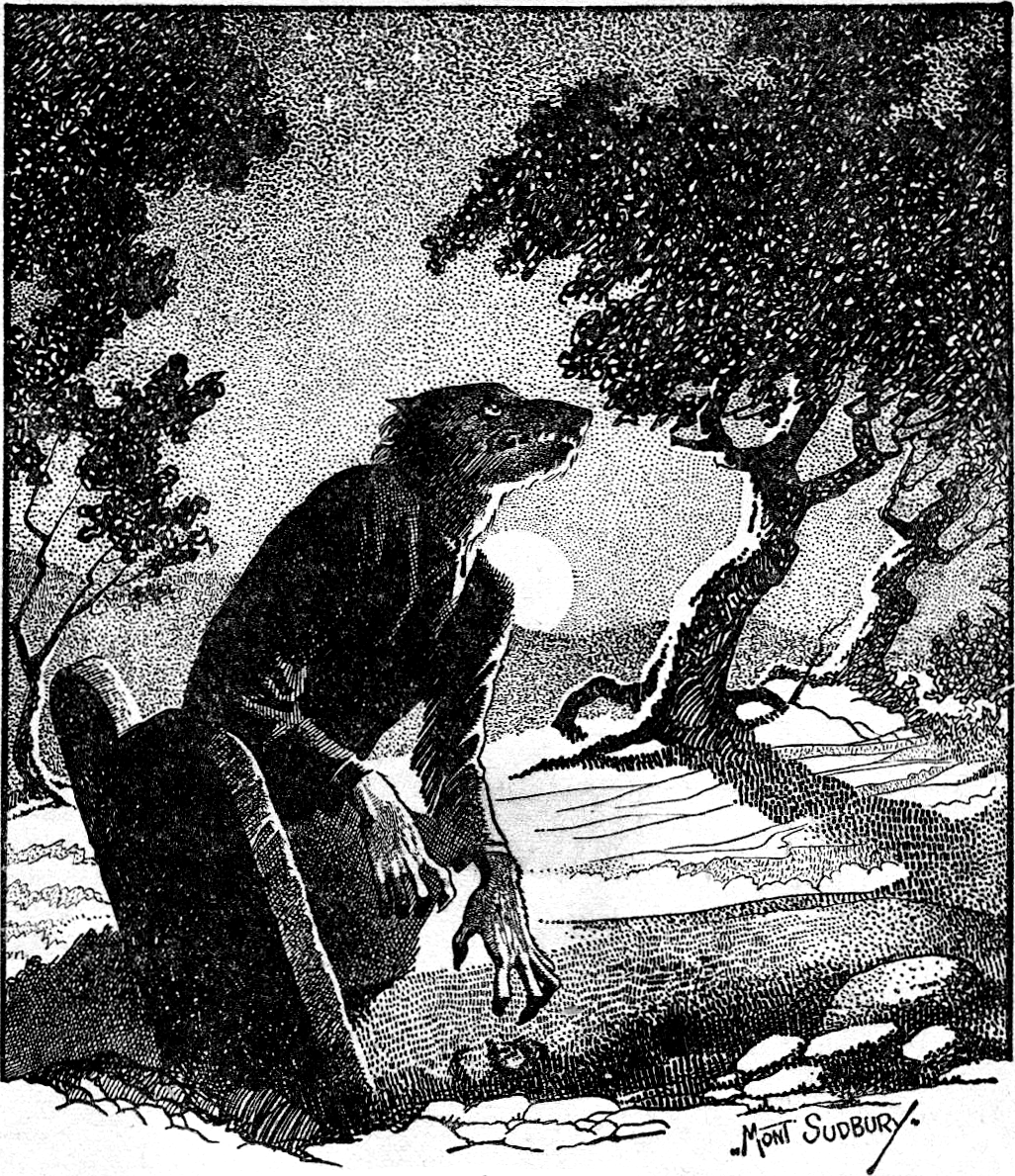 🇫🇷 France and 5 moreWerewolf
A mythical shapeshifter that turns into a wolf, central to European witch-hunts and Gothic horror.Being · Cursing and harm · Wonder and entertainment Legendary
🇫🇷 France and 5 moreWerewolf
A mythical shapeshifter that turns into a wolf, central to European witch-hunts and Gothic horror.Being · Cursing and harm · Wonder and entertainment Legendary
 🇪🇬 Egypt and 1 moreLilithלִילִית
A feminine figure from Mesopotamian and Jewish mythology, often depicted as a night demon or spirit.Being · Cursing and harm Legendary
🇪🇬 Egypt and 1 moreLilithלִילִית
A feminine figure from Mesopotamian and Jewish mythology, often depicted as a night demon or spirit.Being · Cursing and harm Legendary