Cursing and harm
Curses, hexes and sorcery as people describe and fear them, with the counter-magic against them.
Cursing and harm are the part of magic that societies fear most. This page describes curses and sorcery as beliefs, and the social role of fear and accusation, and does not give instructions. The evil eye, the curse tablets of the Greek and Roman world, Hebrew and Arabic writings on harmful magic, sorcery in Melanesia and Africa, and the European witch are all part of this subject. Most of the harm recorded is that done to people accused.
What is believed
Many cultures hold that envy, anger or hostile ritual can bring illness, loss or death to a victim. The beliefs differ: in the Mediterranean, the evil eye needs no intent. In Azande society, studied by Evans-Pritchard, witchcraft was an inherited substance that explained why misfortune struck one person and not another. Greek and Roman lead curse tablets, often addressed to gods of the underworld, show the belief was written down in antiquity.
Accusation as social force
Where harm is feared, accusation follows. Anthropologists have shown that charges of witchcraft often follow tension inside a family or village, such as inheritance, jealousy or a sudden death. Accusers are usually in conflict with the accused, who is more likely to be old, poor, widowed or marginal. The belief can enforce norms and also destroy people. People also fear being accused, since an accusation can arrive without warning and can follow a family for generations.
Persecution and its present
European and colonial American witch trials, from the fifteenth to the eighteenth century, put tens of thousands to death, including the Salem trials of 1692. The practice has not ended. Mobs and families still attack accused people in parts of Africa, India, Papua New Guinea and elsewhere, and Saudi Arabia has executed people for sorcery. Albino people have been killed for body parts in East Africa. Several states are drafting or enforcing laws against accusation itself.
Counter-magic and scholarship
Where harm is feared, so is protection: amulets, cleansing, and a specialist who can say who sent it. Scholars see curses as a language of grievance, and psychologists have documented the nocebo effect, in which belief in harm can bring on real distress. A person who is afraid should seek medical and social help, and talk to someone they trust. People who believe they have been cursed should be helped to find practical support, including from health services, and not left alone with fear.
Cursing and harm on EveryJaadu
The entries written up so far, best known first.
 🇮🇳 India and 3 moreYakshiniयक्षिणी
Some guard, some haunt: female nature spirits of Hindu, Buddhist and Jain loreBeing · Protection · Luck and prosperity Living
 🇮🇳 India and 1 morePishachaपिशाच (piśāca)
A flesh-eating demon from Indian religions, feared for possession and madness.Being · Cursing and harm Legendary
 🇨🇳 China and 2 moreFox spirit狐狸精
A shapeshifting creature from Chinese folklore that can take human form and live for centuries.Being · Cursing and harm · Love and attraction Legendary
 🇮🇳 India and 5 moreBhairavaभैरव
A fierce manifestation of Shiva and a Buddhist protector deity worshipped across South and East Asia.Being · Protection · Cursing and harm Living
 🇯🇵 Japan and 1 moreOni鬼(おに)
A horned demon of Japanese folklore known for strength and evil, later softened into a symbol of fortune.Being · Protection · Cursing and harm Living
 🇮🇳 India and 3 moreDakiniḍākinī
A goddess figure in Hinduism and Buddhism, ranging from flesh-eating demoness to enlightened energy.Being · Cursing and harm · Power and authority Historical
 🇱🇰 Sri LankaMara
A Buddhist figure representing the forces that block spiritual awakening and keep beings trapped in rebirth.Being · Cursing and harm · Binding and oaths Living
 🇨🇳 China and 1 moreMogwai魔鬼
A Chinese term for demons and evil spirits, borrowed from Sanskrit lore through Buddhism.Being · Cursing and harm Historical
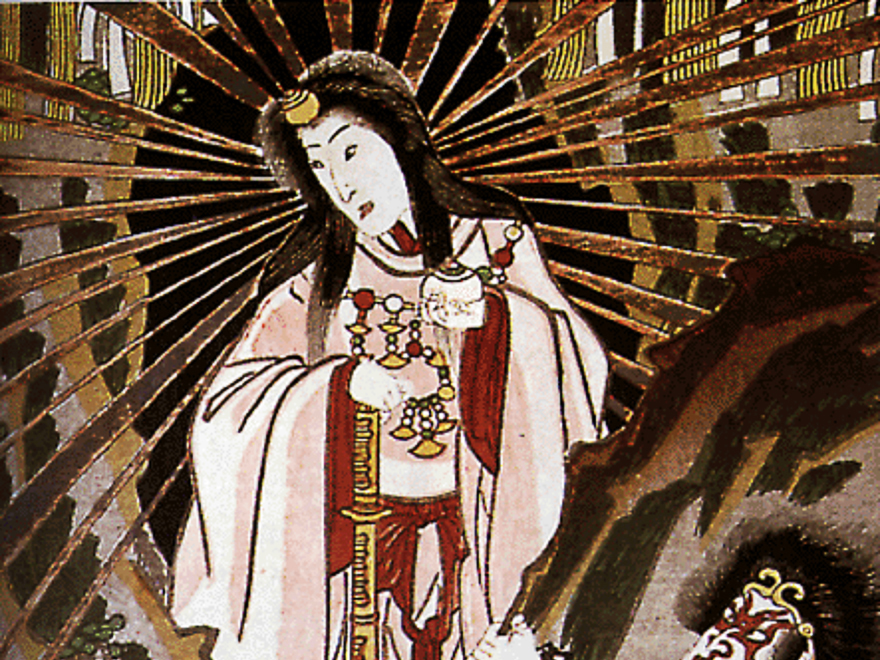 🇯🇵 JapanAkuma悪魔(あくま)
An evil spirit in Japanese folklore, later used for Satan in ChristianityBeing · Cursing and harm Historical
 🇯🇵 JapanTesso鉄鼠
A Japanese yōkai born from a monk’s curse and the destructive power of ratsBeing · Cursing and harm · Power and authority Legendary
 🇯🇵 JapanShuten-dōji酒呑童子
A demon leader of Japanese legend, slain by a warrior after a drinking trickBeing · Cursing and harm Legendary
🇯🇵 JapanAmanojaku天邪鬼(あまのじゃく)
A contrary small ogre of Japanese folklore that reads hearts and does the oppositeBeing · Cursing and harm Legendary
 🇯🇵 JapanUbume産女
The ghost of a mother who died in labour, and the child that turns to stoneBeing · Cursing and harm · Power and authority Legendary
 🇯🇵 JapanKasha火車
A Japanese yōkai that steals corpses from funerals and gravesBeing · Cursing and harm Historical
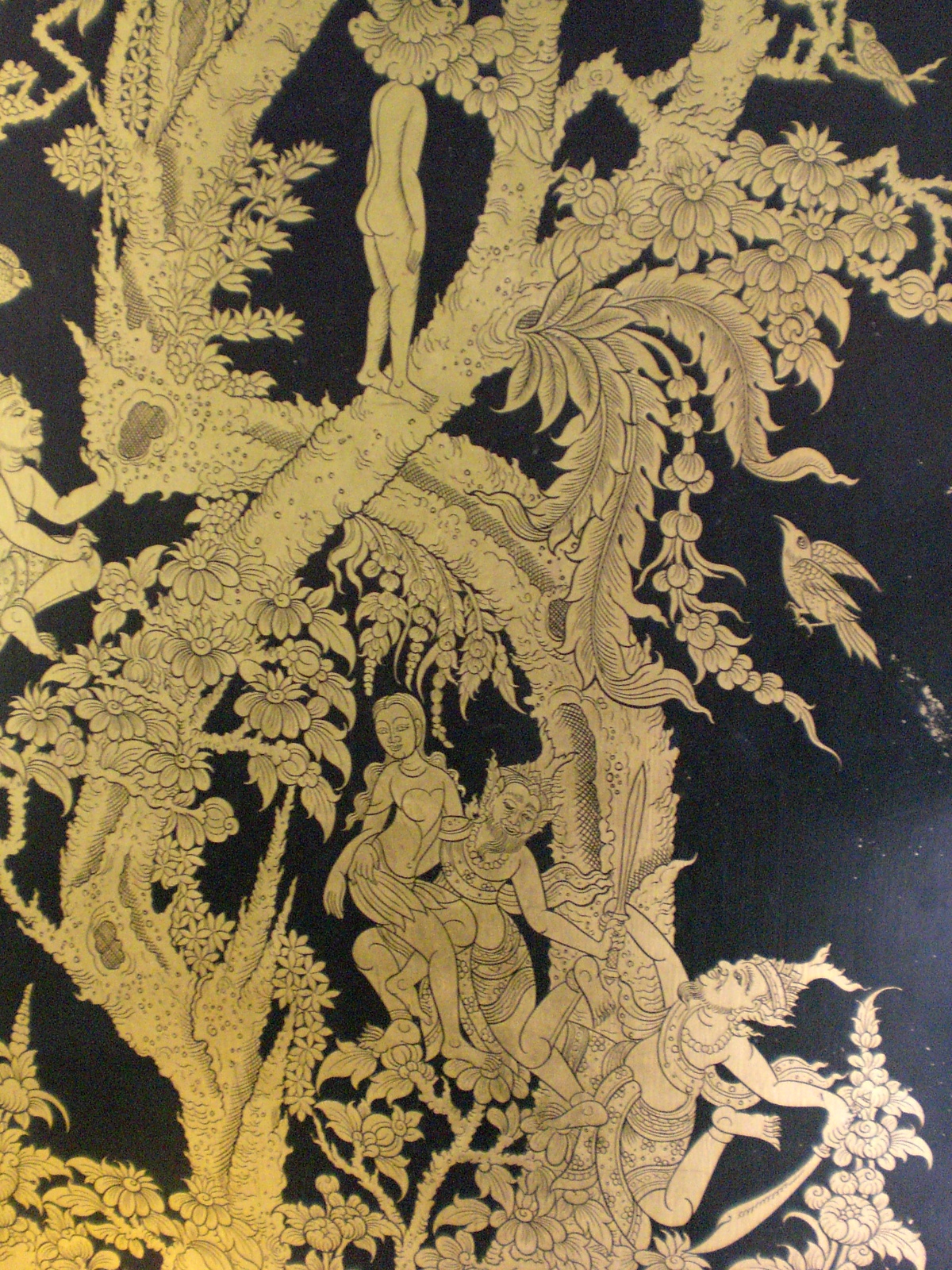 🇹🇭 Thailand and 2 moreNariphonนารีผล
A mythical tree in Buddhist lore that bears fruit shaped like young womenBeing · Cursing and harm Legendary
 🇯🇵 JapanAkaname垢嘗
A Japanese bath yōkai said to lick grime from tubs at nightBeing · Cleansing and purification · Cursing and harm Legendary
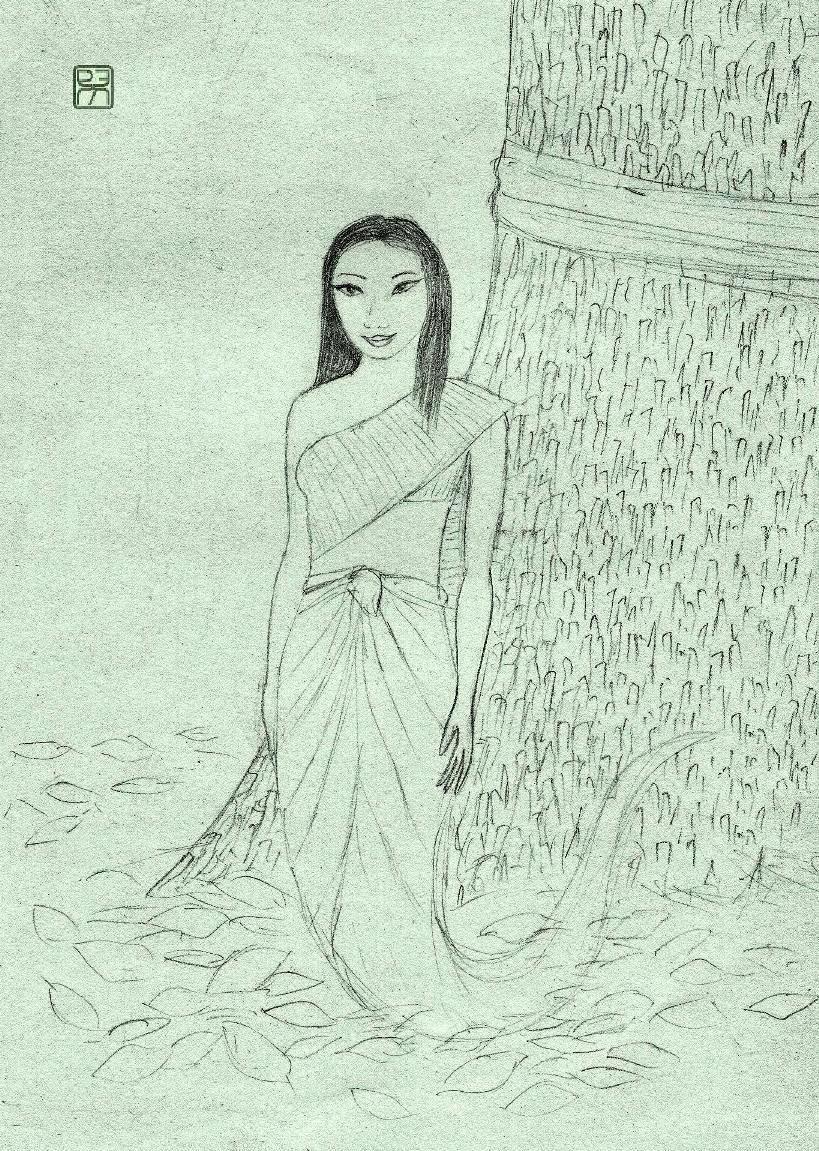 🇹🇭 ThailandNang Ta-khianนางตะเคียน
A Thai tree spirit said to dwell in the ta-khian treeBeing · Luck and prosperity · Cursing and harm Living
 🇮🇳 IndiaJvarasuraज्वारासुर
A fever demon in Hindu lore who serves the pox goddess Shitala.Being · Cursing and harm · Healing Historical
🇯🇵 JapanKeneō懸衣翁
A Japanese oni who judges souls by the weight of their clothes at the Sanzu RiverBeing · Cursing and harm Legendary
 🇯🇵 JapanDatsue-ba奪衣婆
A Japanese underworld figure who strips clothes from spirits at the river of deathBeing · Cursing and harm Historical
Photo credits on this page
The small pictures above come from Wikimedia Commons under free licences. Some are cropped to fit.
- Datsue-ba: Fred Cherrygarden, CC BY-SA 4.0, source
- Yakshini: Brihaspati, CC BY-SA 4.0, source
- Ubume: Brigham Young University, CC BY-SA 4.0, source
- Minamoto no Yorimitsu: Yoshitoshi, Public domain, source
- Fox spirit: Chen Menglei, Public domain, source
- Tesso: Katsushika Hokusai, Public domain, source
- Mogwai: Gisling, CC BY-SA 3.0, source
- Bhairava: Saankav, CC BY-SA 4.0, source
- Oni: Katsushika Hokusai 葛飾北斎 (1760-1849), Public domain, source
- Dakini: Didier Descouens, Public domain, source
- Kasha: Brigham Young University, CC BY-SA 4.0, source
- Pishacha: Unknown author, Public domain, source
- Nariphon: LigerCommon, Public domain, source
- Akuma: Utagawa Kunisada (歌川国貞), Public domain, source
- Akaname: Ueda Hiromitsu 上田寛満 (illust.) fl. c. 1780, CC0, source
- Mara: Under the Bo, CC BY-SA 3.0, source
- Nang Ta-khian: Xavier Romero-Frias, CC BY-SA 4.0, source
- Jvarasura: Suraj Belbase, CC BY-SA 4.0, source