Charms, amulets and talismans
Made and worn things: the nazar, the hamsa, the omamori, the mojo bag and the witch bottle.
Charms, amulets and talismans are things made or chosen to carry a purpose. The blue glass nazar in Turkey, the hamsa hand across North Africa and the Middle East, the Japanese omamori, the Haitian pwen, the Italian cornicello and the Hoodoo mojo bag all belong here. They are small, portable and personal, and found on every continent. This page looks at what they are said to do and how they are made, sold and understood.
Amulet or talisman
The two words are often used loosely. An amulet is usually said to protect by what it is, such as a blue bead against the evil eye. A talisman is made or empowered for a purpose, often with writing, a name or a date. Islamic, Jewish, Taoist and Hindu traditions all have written talismans: the Taoist fu, the Jewish kame'a, the Hindu yantra and the Muslim hirz. The common thread is that something small and personal is believed to hold a purpose on behalf of its owner.
Making and keeping
Many charms are made by specialists, then blessed or sold at a temple, shrine or market. Others are made at home, such as a red thread, a knotted cord, or a horseshoe nailed over a door. Practitioners usually say a charm should be kept clean, respected and not shown off. In Japan an omamori is returned to its shrine after a year. Charm makers are often women, jewellers, scribes or temple staff, and the person who makes a charm may not be the person who blesses it.
Faith and suspicion
Religious authorities disagree on charms. Some Islamic scholars allow Quranic verses carried as a reminder and reject objects held to work by themselves. Many Christian churches have blessed medals and scapulars while condemning amulets of folk origin. Sikh teaching rejects charms altogether. Anthropologists read them as ways to hold fear and uncertainty in a form a person can carry. Interpretation is divided within religions too, so one family may treat a bead as decoration while a neighbour treats it as a serious shield.
Market and appropriation
Charms are big business. Evil-eye beads sell as fashion on every high street, and the hamsa appears as a decoration far from its homes. Fakes are common, and some sellers promise outcomes in ways that amount to fraud, particularly in expensive gemstone or lottery charm schemes. Sacred designs used as a logo can offend the community they come from. Designers have taken eyes, hands and runes as motifs, and while many communities are glad to see them shared, others ask that sacred symbols not be turned into trivia or used by brands.
Charm on EveryJaadu
The entries written up so far, best known first.
 🇦🇺 AustraliaTjurunga
Sacred objects of the Arrernte people, embodying ancestral power and clan identity.Charm · Power and authority · Speaking with spirits and the dead Historical
 🇬🇷 GreeceThyrsusθύρσος
Dionysus's fennel staff, wreathed in ivy and crowned with a pine coneCharm · Love and attraction · Luck and prosperity Historical
 🇫🇷 France and 1 moreGargoylegargouille
A carved stone waterspout shaped like a creature, used on Gothic buildings to shed rainwaterCharm · Protection · Wonder and entertainment Historical
 🇩🇴 Dominican Republic and 5 moreZemi
A Taíno deity or ancestral spirit housed in a carved object used for worship and protectionBeing · Protection · Healing Historical
🇺🇸 United StatesGoofer dust
A hoodoo powder used for hexes, protection and coercive love spells in the American South.Charm · Cursing and harm · Protection Historical
 🇮🇩 IndonesiaTunggal panaluan
A carved magic staff of the Batak shamans in North SumatraCharm · Protection · Cursing and harm Historical
 🇧🇷 BrazilCarranca
A carved figurehead for river boats, believed to ward off evil spiritsCharm · Protection Historical
 🇬🇧 United KingdomFairy FlagA' Bhratach Shìth
A tattered silk heirloom of Clan MacLeod, said to hold fairy magic and ancient power.Charm · Protection · Luck and prosperity Historical
🇪🇬 EgyptWadj amulet
A papyrus-shaped charm for eternal youth in the afterlifeCharm · Healing · Luck and prosperity Historical
🇮🇱 IsraelEphodאֵפוֹד
A priestly apron of ancient Israel, worn for ritual and used to seek answersCharm · Seeing and foretelling · Speaking with spirits and the dead Historical
 🇬🇧 United KingdomSaltfleetby spindle-whorl
A lead spinning weight inscribed with runes calling on Norse gods for helpCharm · Protection Historical
 🇮🇹 ItalyAlchemical DoorPorta Alchemica
A Roman gate covered in alchemical symbols and legends of transmutationCharm · Power and authority · Wonder and entertainment Historical
 🇮🇳 IndiaPashaपाश
A divine weapon symbolizing the binding of obstacles and worldly attachment in HinduismCharm · Binding and oaths · Power and authority Historical
 🇮🇹 ItalyLunula
A crescent-shaped amulet worn by girls in ancient Rome for protection.Charm · Protection Historical
 🇪🇬 EgyptSekhem scepter
An ancient Egyptian staff symbolizing power and authorityCharm · Power and authority Historical
 🇸🇪 SwedenSigtuna amulet I
An 11th-century copper runic charm from Sweden used to drive away illnessCharm · Healing · Protection Historical
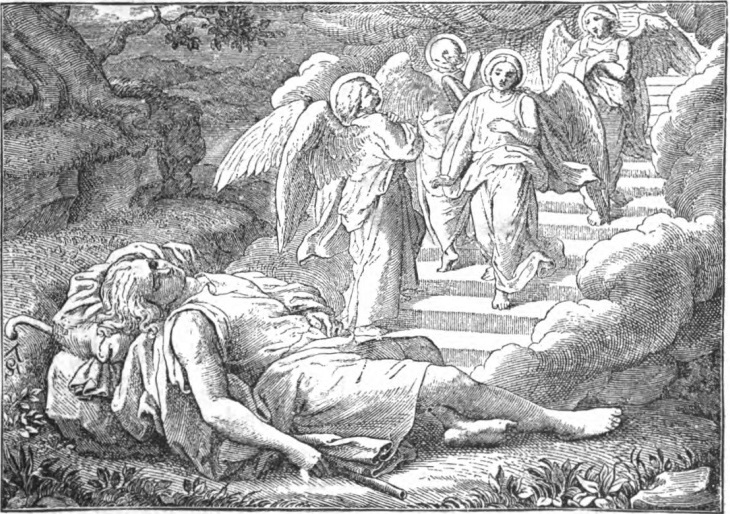 🇮🇱 Israel and 2 moreStone of Jacob
A biblical stone linked to a patriarch's vision and later claimed by Scottish coronation loreCharm · Power and authority Historical
Photo credits on this page
The small pictures above come from Wikimedia Commons under free licences. Some are cropped to fit.
- Tjurunga: No machine-readable author provided. Sepu~commonswiki assumed (based o, CC BY-SA 2.5, source
- Thyrsus: ArchaiOptix, CC BY-SA 4.0, source
- Gargoyle: Bernard Gagnon, CC BY-SA 4.0, source
- Zemi: Unknown author, CC0, source
- Tunggal panaluan: Tropenmuseum, CC BY-SA 3.0, source
- Carranca: Glauco Umbelino, CC BY 2.0, source
- Fairy Flag: Otter, CC BY-SA 3.0, source
- Saltfleetby spindle-whorl: Lincolnshire County Council, Adam Daubney, 2011-04-27 11:43:56, CC BY-SA 2.0, source
- Alchemical Door: Sailko, CC BY 2.5, source
- Pasha: unknown author, Public domain, source
- Lunula: Anonymous ( Category:Roman Empire ) Unknown author, Public domain, source
- Sekhem scepter: Maler der Grabkammer der Nefertari, Public domain, source
- Sigtuna amulet I: Bengt A. Lundberg, CC BY 2.5, source
- Stone of Jacob: Unknown author, Public domain, source