Beliefs, omens and superstitions
Luck and unluck, the evil eye, knocking on wood and the small customs people keep without asking why.
Beliefs, omens and superstitions are the small customs people keep without asking why: knocking on wood, salt over the shoulder, avoiding the number thirteen, the evil eye, a black cat crossing the road, a first visitor of the new year. They are found on every continent and are rarely tied to a priest or book. This page looks at where they come from, what the word superstition hides, and why they persist.
What they look like
Beliefs differ by place. The number four is avoided in China, Japan and Korea because it sounds like the word for death, while thirteen is avoided in much of the West. In India, a sneeze before leaving home may delay a journey, and a lemon and chillies are hung over a shop. The evil eye is feared under many names: nazar, mal de ojo, ayin hara. First-footing at new year in Scotland is said to bring luck to a house.
Whose word is superstition
The word superstition has a history. Roman writers used it for religion they disliked, and Christian writers for forbidden practice. Today it often means someone else's belief. Many religions regard some of their own customs as faith and others as superstition, and where the line falls depends on the speaker. Using the word can mark a speaker as modern and a neighbour as backward. Tests of common superstitions show that people who hold them are not less educated or less rational than others, and many hold them lightly.
Why people keep them
Psychologists find that superstition rises with uncertainty and stakes, which is why athletes, sailors, students and gamblers are known for them. Anthropologist Bronislaw Malinowski observed in the 1920s that Trobriand fishermen used rites in dangerous deep-sea fishing and not in safe lagoon fishing. Most people who follow small customs say they do so partly in jest and partly just in case. Similar customs turn up in places that have never met each other, which suggests that people everywhere respond to risk in similar ways.
When belief causes harm
Most superstitions are harmless. Some are not: beliefs about witchcraft have led to killings in parts of Africa, India and Papua New Guinea, and beliefs about albinism have led to attacks in Tanzania and Malawi. Others cost people money, as when a fee is demanded to lift a bad omen. Education, law and trusted community leaders have all been part of reducing harm. Campaigns by health workers, teachers and community radio have been effective where they listen first and explain later.
Belief on EveryJaadu
The entries written up so far, best known first.
 🇪🇸 SpainAkelarre
The Basque name for a witches' sabbath, an assembly said to answer to a black he-goatBelief · Speaking with spirits and the dead · Cursing and harm Legendary
 🇯🇵 Japan and 1 moreBake-danuki化け狸
A shape-shifting raccoon dog spirit from Japanese folklore known for pranks and illusions.Being · Cursing and harm · Luck and prosperity Legendary
 🇷🇸 Serbia and 1 moreVampire pumpkins and watermelons
A Balkan folk tale about ground fruit that turns into vampires.Belief · Cursing and harm Legendary
🇯🇵 JapanKuchisake-onna口裂け女
A masked Japanese spirit said to ask strangers if she is beautifulBeing · Cursing and harm Legendary
 🇯🇵 JapanBanchō Sarayashiki番町皿屋敷
A Japanese ghost story about a servant who dies unjustly and haunts her murderer by counting plates.Figure · Cursing and harm · Wonder and entertainment Legendary
🇫🇷 France and 5 moreProcession of the dead
A folktale pattern of ghosts or souls marching in company, sometimes ledBelief · Speaking with spirits and the dead Legendary
 🇨🇳 ChinaInterconnected-arm gibbon通臂猿
A mythical primate with linked arms that can extend one limb by pulling in the other.Figure · Power and authority Legendary
 🇮🇸 Iceland and 3 moreElf
A supernatural person of Germanic lore, linked to illness, beauty and magicBeing · Cursing and harm Legendary
🇮🇳 India and 5 moreWerecat
A feline shapeshifter found in global folklore and occult beliefBeing · Cursing and harm · Power and authority Legendary
🇮🇷 Iran and 1 moreCup of Jamshidجام جم (jām-e Jam)
A mythical Persian cup used for scrying and seeing the world's truths.Charm · Seeing and foretelling · Power and authority Legendary
 🇳🇵 Nepal and 4 moreYetiགཡའ་དྲེད་
A hairy humanoid of Himalayan story, known in the West as the Abominable SnowmanBeing · Protection Legendary
🇬🇷 GreeceMormoΜορμώ
A Greek bogey whose name adults spoke to frighten childrenBeing Legendary
 🇪🇸 SpainWitches of Anaga
A Tenerife legend of women who danced at covens in the Anaga mountainsBelief · Cursing and harm Legendary
🇷🇴 RomaniaNosferatu
A word for 'vampire' made famous by Dracula, whose true origin is still unsettledBeing · Cursing and harm · Protection Legendary
 🇮🇩 IndonesiaBabi ngepet
A Javanese myth about a person who turns into a boar to steal wealthBeing · Luck and prosperity · Cursing and harm Legendary
 🇮🇪 IrelandBánánach
Battlefield spectres of early Irish story, tied to the din of warBeing · Cursing and harm Legendary
🇰🇷 South Korea and 3 moreCorner Game구석놀이
A four-player summoning game told as an urban legend across East AsiaRite · Speaking with spirits and the dead Legendary
 🇮🇳 IndiaCalingae
A people of ancient Indian legend said to reach old age at eightBeing Legendary
 🇬🇷 GreeceBranchusΒράγχος
A mortal lover of Apollo who became a prophet and founded an oracle cult in ancient Greece.Figure · Seeing and foretelling · Healing Legendary
 🇮🇪 IrelandTír na nÓg
An island realm in Irish myth where time stands still and youth never fadesBelief · Wonder and entertainment Legendary
🇮🇪 IrelandDeath coachcóiste bodhar
A spectral carriage that signals an unavoidable death in European folkloreBelief · Cursing and harm Legendary
🇯🇵 JapanFurutsubaki-no-rei古椿の霊
A spirit said to live in old camellia trees, appearing as a woman who lures or warnsBeing · Cursing and harm · Seeing and foretelling Legendary
 🇯🇵 JapanTeke Tekeテケテケ
A Japanese legend of a vengeful spirit who drags herself along on her elbowsBeing · Cursing and harm Legendary
🇷🇺 RussiaZoya's Standing
A Soviet-era tale of a dancer frozen in place for mocking a saint's iconBelief Legendary
 🇺🇸 United StatesMoll Dyer
A Maryland folktale about a woman accused of witchcraft and her cursed stoneFigure · Cursing and harm · Protection Legendary
 🇺🇸 United StatesMudhouse Mansion
A demolished Ohio farmhouse that gathered murder stories and a haunted reputationBelief Legendary
 🇬🇧 United Kingdom and 1 moreFairy-locks
Knots in the hair of sleepers and horses, blamed on fairies at playBelief · Cursing and harm Legendary
 🇩🇪 GermanyFeuermann
A large, fiery German ghost believed to be the wandering soul of a sinnerBeing · Speaking with spirits and the dead · Cursing and harm Legendary
 🇺🇸 United StatesJoint snake
A legendary American serpent said to shatter into pieces and assemble itself againBeing Legendary
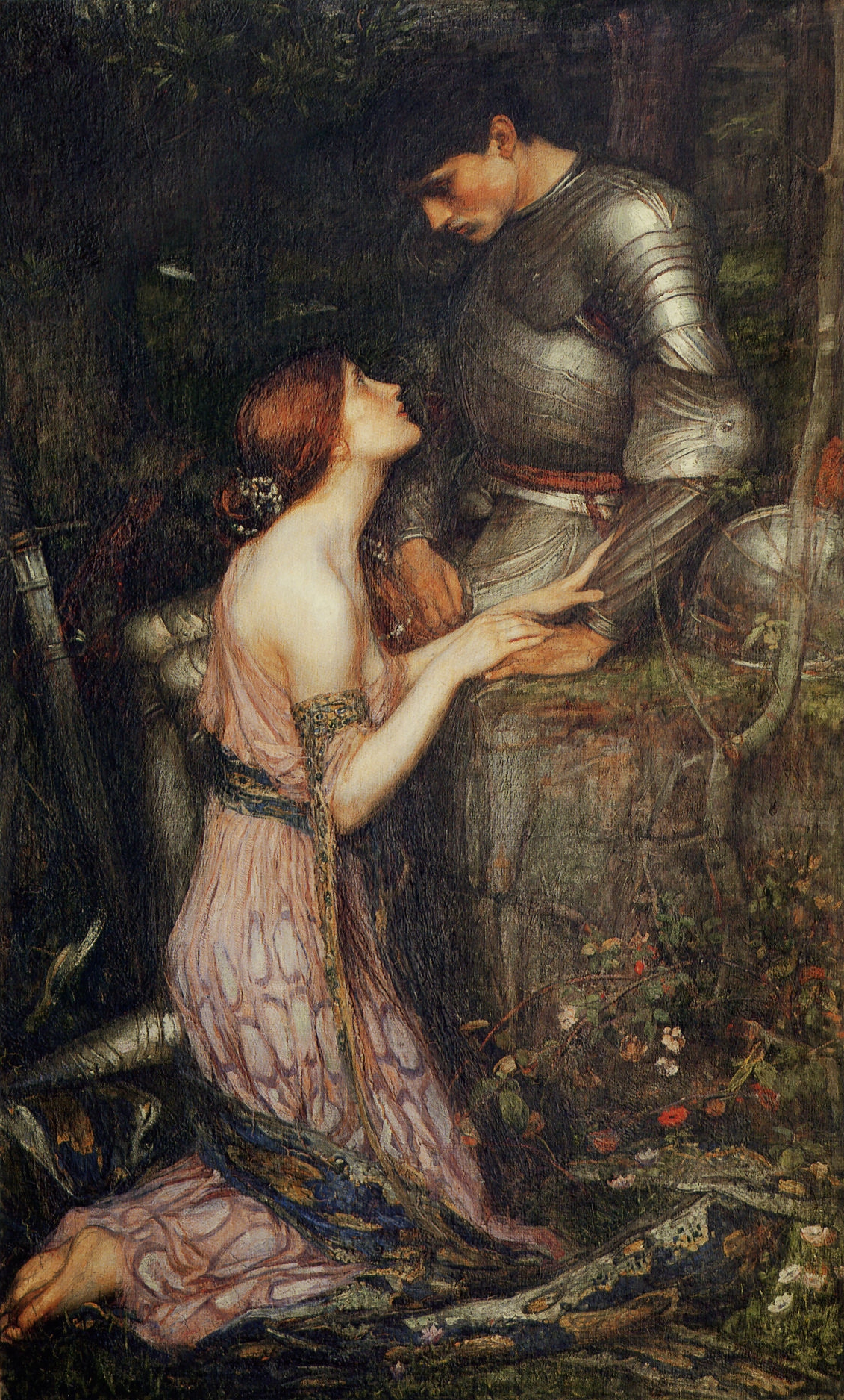 🇱🇾 Libya and 2 moreLamiaΛάμια
A child-snatching monster and night phantom from ancient Greek mythBeing · Cursing and harm · Seeing and foretelling Legendary
Photo credits on this page
The small pictures above come from Wikimedia Commons under free licences. Some are cropped to fit.
- Akelarre: Francisco Goya, Public domain, source
- Lamia: John William Waterhouse, Public domain, source
- Irish folklore: Unknown author, Public domain, source
- Bake-danuki: Poposhka at English Wikipedia, Public domain, source
- Vampire pumpkins and watermelons: The original uploader was Ke4roh at English Wikipedia ., Public domain, source
- Banchō Sarayashiki: Tsukioka Yoshitoshi, Okiku ,, Public domain, source
- Interconnected-arm gibbon: Xuande Emperor, Public domain, source
- Elf: Martin Brandenburg, Public domain, source
- Yeti: Gardner Soule, Public domain, source
- Witches of Anaga: User:Beneharo Hdez., CC BY 3.0, source
- Babi ngepet: Tropenmuseum, CC BY-SA 3.0, source
- Calingae: anonymous, Public domain, source
- Branchus: Francesco Bini, CC BY-SA 4.0, source
- Tír na nÓg: Arthur Rackham, Public domain, source
- Joint snake: Benjamin Franklin, Public domain, source
- Feuermann: Rolf Erik von Hoerschelmann (1885 - 1947), CC0, source
- Moll Dyer: Dougtone, CC BY-SA 2.0, source
- Mudhouse Mansion: ChristopherM, CC BY-SA 4.0, source
- Fairy-locks: Tsaag Valren, CC BY-SA 4.0, source
- Teke Teke: Dr.Lantis, CC BY-SA 4.0, source