Spirits, creatures and beings
Djinn, fairies, orisha, golems and the other powers that magic deals with.
Beings are the powers that magic deals with: spirits, ancestors, gods, djinn, fairies, orisha, nats, kami, demons, golems, ghosts and the many kinds of household and landscape spirit. People in most cultures have described a world shared with unseen others, who may help, trouble or ask for respect. This page covers what these beings are said to be and the very different ways communities relate to them. They are always described here as what communities believe, not as established fact.
Different kinds of beings
A being can be a god with a priesthood, such as an orisha served in Yoruba religion, Cuba and Brazil. It can be an ancestor, honoured in China, Africa and Mexico. It can belong to a place, such as the kami of Shinto, the Thai phi or the Burmese nats. It can be a trouble-maker, like the djinn of Arabic and Islamic tradition, formed from smokeless fire, or the fairies of Ireland, whom people avoided naming.
Relationship, not command
In many traditions, a person does not command a being but enters a relationship with it, through offerings, promises and respect. Possession and mediumship are forms of that relationship, as in Vodou, Candomblé, Korean mudang rites and Sufi gatherings. In ceremonial magic of the European grimoires, by contrast, the magician summons spirits by name and authority, which the Church condemned as demon-raising. The same being may be loved in one household and feared in the next, and a spirit helpful to its servant can be harmful to a stranger.
Religions and renaming
Dominant religions often absorbed beings by relabelling them. Christian missionaries called many African and Indigenous spirits demons. Islam reads the djinn as real creatures, some of whom are Muslim, and Hindu and Buddhist traditions fold local deities into their own pantheons. Pagan and fairy beliefs were sometimes recast as the devil's work, which fed witch trials in Europe. Churches and mosques have sometimes divided beings into good and evil in ways the older traditions did not, so that a neutral local spirit became a demon on the day a missionary arrived.
Harm and interpretation
Belief in harmful spirits has been used to accuse people. Children in parts of West and Central Africa have been branded as witches possessed by evil spirits, and some have been abused by pastors or families in the name of deliverance. Scholars read spirit beliefs as ways to make sense of illness, loss and conflict, and many communities see them simply as neighbours. That is why accusations tied to spirit beliefs fall hardest on children and the vulnerable, and why many agencies train local leaders to challenge them.
Being on EveryJaadu
The entries written up so far, best known first.
 🇫🇷 FranceFarfadet
Small helpful spirits of French folklore that perform chores for foodBeing · Luck and prosperity Legendary
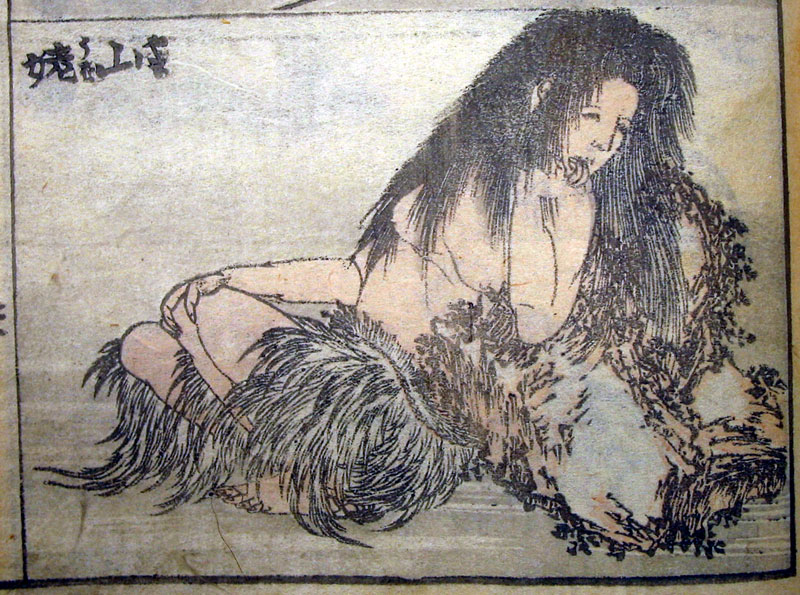 🇯🇵 JapanYama-uba山姥
A Japanese mountain spirit depicted as either a cannibalistic monster or a benevolent guardian.Being · Cursing and harm · Luck and prosperity Legendary
 🇮🇩 IndonesiaBabi ngepet
A Javanese myth about a person who turns into a boar to steal wealthBeing · Luck and prosperity · Cursing and harm Legendary
🇩🇪 GermanyWitte Wiwer
Subterranean spirits of Low German folklore known for music and child exchangeBeing · Cursing and harm · Luck and prosperity Legendary
 🇷🇺 Russia and 5 moreFiredrakeognennyi zmei
A European dragon myth born from sightings of shooting stars and will-o'-the-wispsBeing · Cursing and harm · Luck and prosperity Historical
🇨🇭 SwitzerlandJack o' the bowl
A Swiss house spirit who guides cattle along safe mountain trails in exchange for creamBeing · Protection · Luck and prosperity Historical
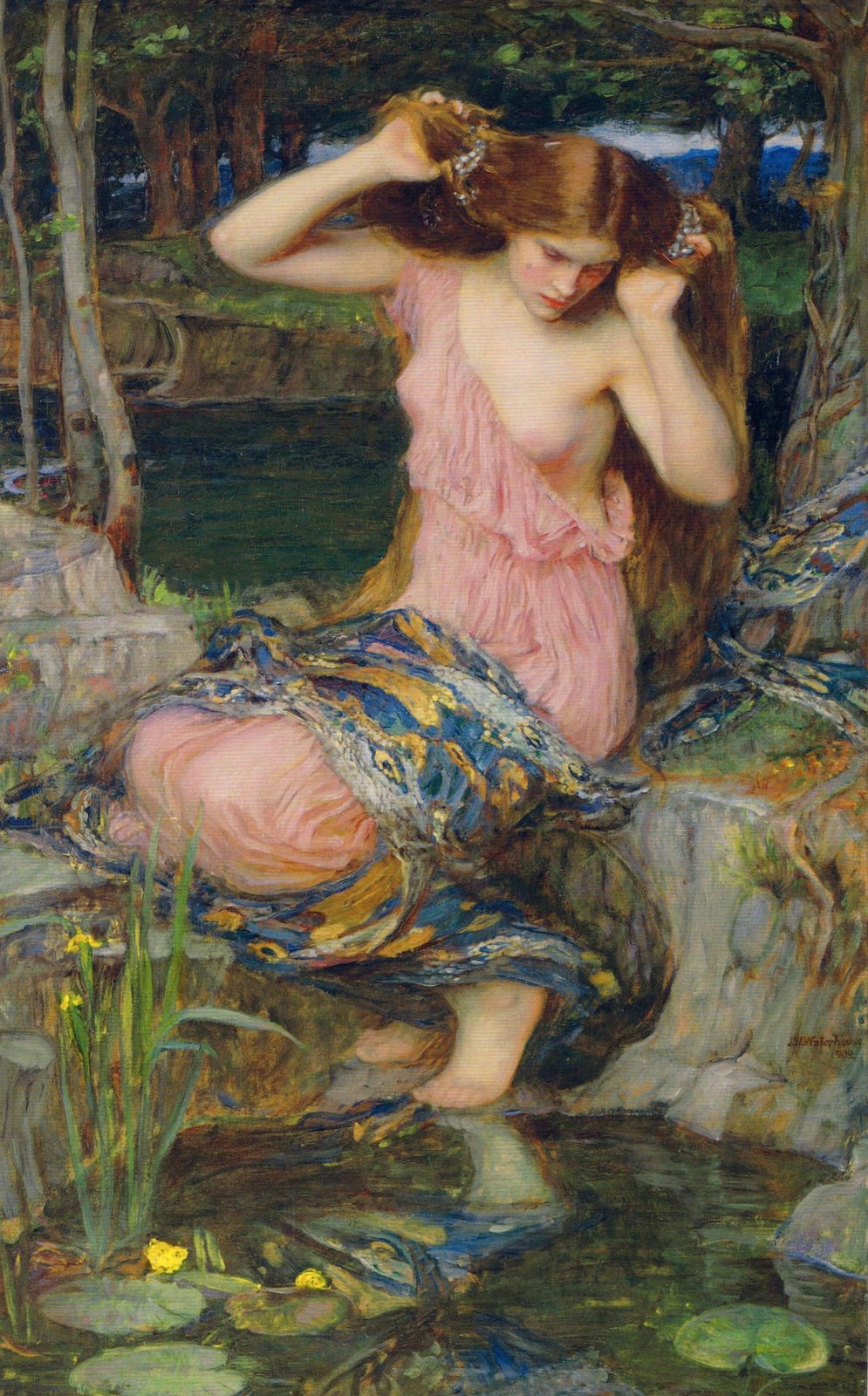 🇪🇸 SpainXana
A water spirit of Asturian myth who offers treasures or madness to those who hear her song.Being · Luck and prosperity · Cursing and harm Legendary
 🇩🇪 Germany and 5 moreSchrat
A German and Slavic spirit of the woods, the house and the nightBeing · Cursing and harm · Protection Legendary
 🇩🇪 GermanyFeldgeist
German folk creatures tied to crops, weather and harvest ritualsBeing · Cursing and harm · Luck and prosperity Historical
 🇩🇪 Germany and 1 moreNis PukNiß Puk
A legendary household spirit from Northern Germany and Denmark that helps or torments its owner.Being · Luck and prosperity · Protection Legendary
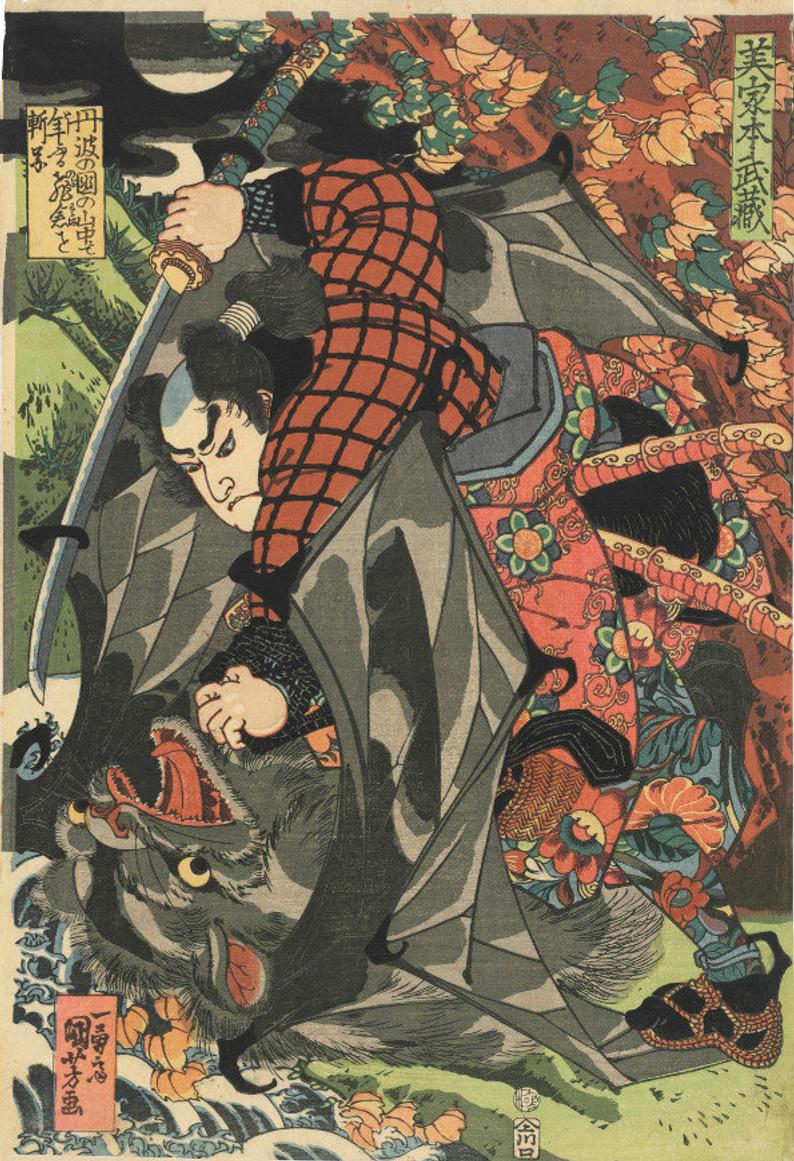 🇯🇵 JapanNobusuma野衾
A Japanese yōkai said to be a flying squirrel or bat that attacks travelers at night.Being · Cursing and harm · Luck and prosperity Legendary
🇭🇺 HungaryLidérc
A shape-shifting spirit from Hungarian folklore that brings wealth or illness.Being · Cursing and harm · Luck and prosperity Legendary
🇯🇵 JapanAyakashi妖
Water spirits and ghost lights in Japanese folkloreBeing · Cursing and harm · Luck and prosperity Historical
🇲🇽 MexicoAlicante
A mythical Mexican snake that steals milk and hypnotizes its victimsBeing · Cursing and harm · Luck and prosperity Legendary
 🇯🇵 Japan and 1 moreBake-danuki化け狸
A shape-shifting raccoon dog spirit from Japanese folklore known for pranks and illusions.Being · Cursing and harm · Luck and prosperity Legendary
🇯🇵 JapanMintuciミントゥチ
A water spirit of Ainu tales: bringer of the catch and the hunt, and of drownings.Being · Luck and prosperity · Protection Legendary
🇨🇳 ChinaNine-tailed turtle九尾龜
A legendary Chinese creature linked to divination and folkloreBeing · Seeing and foretelling · Luck and prosperity Legendary
 🇻🇳 VietnamBà Chúa Xứ婆主處
A Mekong Delta goddess of prosperity, asked for trade, health and fertilityBeing · Protection · Luck and prosperity Living
🇲🇦 Morocco and 1 moreZuhriزوهري
A human-djinn hybrid child in North African folklore, sought for treasure ritualsBeing · Luck and prosperity · Cursing and harm Fading
 🇬🇧 United KingdomBuccabocka
A Cornish sea-spirit and mine-dweller who receives fish offerings from coastal communities.Being · Protection · Luck and prosperity Historical
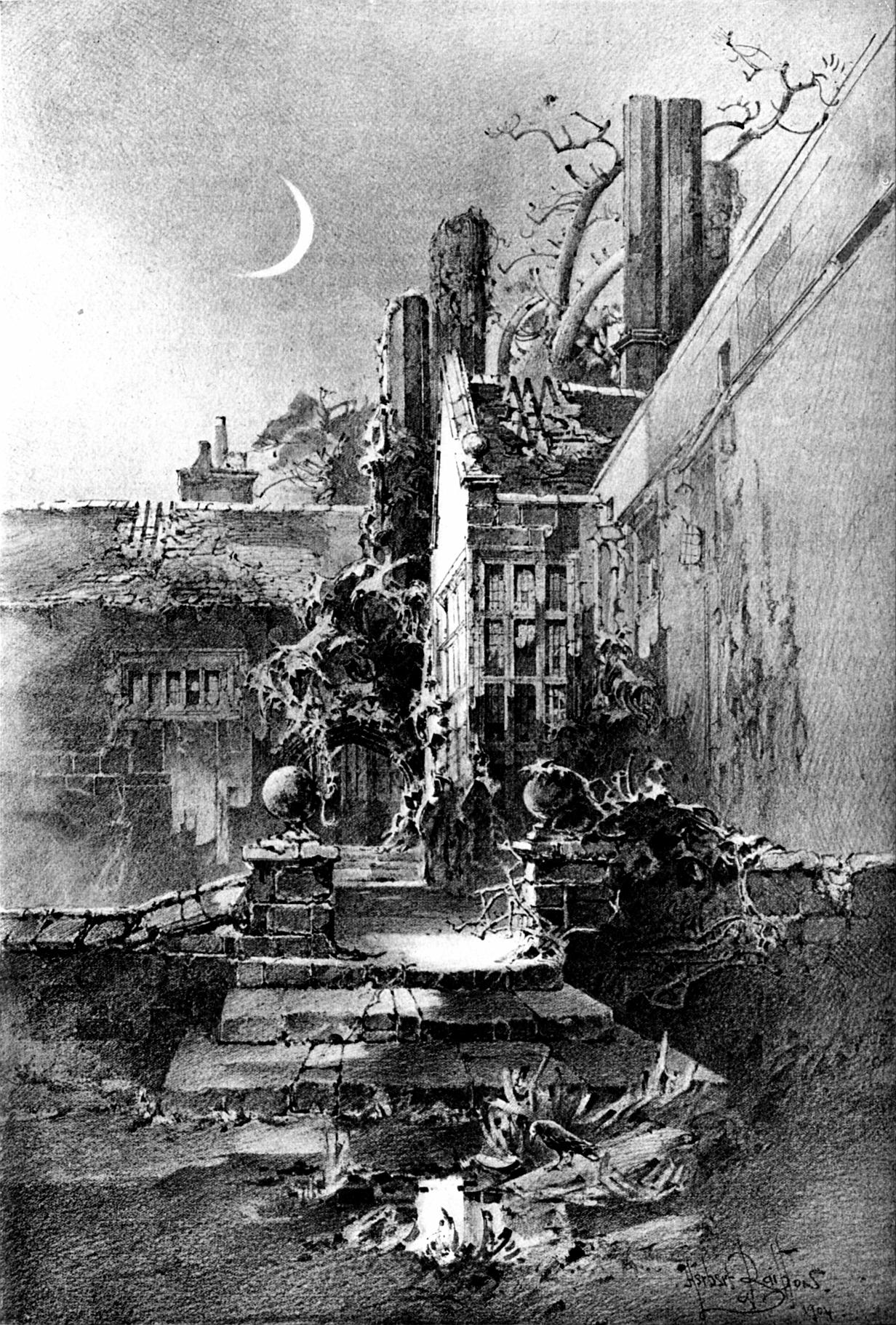 🇬🇧 United KingdomHobgoblin
A household spirit from English folklore known for chores and mischiefBeing · Cursing and harm · Luck and prosperity Historical
 🇻🇳 VietnamBà Chúa Kho
A Vietnamese temple where a grain goddess is asked for prosperityBeing · Luck and prosperity Living
 🇸🇪 SwedenSjörå
A Swedish lake spirit that rewards kindness and drowns the disrespectfulBeing · Protection · Luck and prosperity Legendary
🇷🇴 RomaniaSântoaderi
Supernatural beings in Romanian folklore known for causing illness through music and danceBeing · Cursing and harm · Luck and prosperity Legendary
🇬🇧 United KingdomBluecap
A blue flame spirit of English mines that guides miners and warns of dangerBeing · Seeing and foretelling · Luck and prosperity Legendary
 🇮🇸 IcelandGrásteinn
A lodestone in Iceland linked to elf habitation and safe passageBeing · Luck and prosperity · Speaking with spirits and the dead Living
🇯🇵 JapanYamajijii山爺
A one-eyed mountain spirit from Shikoku folklore known for its thunderous voice and unpredictable nature.Being · Cursing and harm · Luck and prosperity Historical
🇧🇩 Bangladesh and 1 moreFolk deities of Sylhet
Seven local gods and goddesses of the Sylhet region, each with its own careBeing · Protection · Love and attraction Living
🇮🇹 ItalyDoñas de fuera
Sicilian fairies said to carry chosen women by night to a field at BeneventoBeing · Speaking with spirits and the dead · Luck and prosperity Historical
 🇨🇳 China and 5 moreShui Wei Sheng Niang水尾圣娘; เจ้าแม่ทับทิม
A Hainanese goddess of the sea, worshipped by fishermen and diaspora communities in Southeast Asia.Being · Protection · Luck and prosperity Living
🇬🇧 United KingdomCeffyl Dŵr
A Welsh water spirit that takes the form of a horse to test or harm travellers.Being · Cursing and harm · Luck and prosperity Legendary
 🇵🇭 PhilippinesKapre
A tree-dwelling giant from Philippine folklore known for smoking cigars and playing pranks.Being · Cursing and harm · Luck and prosperity Legendary
🇪🇸 SpainVentolín
Cantabrian air spirits that assist fishermen at seaBeing · Luck and prosperity Legendary
Photo credits on this page
The small pictures above come from Wikimedia Commons under free licences. Some are cropped to fit.
- Anjana: John William Waterhouse, Public domain, source
- Witchcraft in the Philippines: The original uploader was Rodsan18 at English Wikipedia . ( Original t, CC BY 2.5, source
- Sjörå: Bernard Evans Ward, Public domain, source
- Schrat: Photo: Andreas Praefcke, Public domain, source
- Bà Chúa Kho: _Tam_quan_den_Ba_Chua_Kho_(Bac_Ninh).jpg : hqhuyanh, CC BY 1.0, source
- Hobgoblin: Herbert Railton, Public domain, source
- Bà Chúa Xứ: Phương Huy, CC BY-SA 4.0, source
- Bake-danuki: Poposhka at English Wikipedia, Public domain, source
- Nis Puk: R2D3LA, CC BY-SA 4.0, source
- Feldgeist: Zwoelefant, CC BY-SA 3.0, source
- Nobusuma: Utagawa Kuniyoshi ( 歌川国芳 , Japanese, *1798, †1861), Public domain, source
- Bucca: Frederick Whymper, Public domain, source
- Firedrake: Ramesh Kumar R, CC BY-SA 4.0, source
- Farfadet: User:Mattes, Public domain, source
- Yama-uba: Unknown author, Public domain, source
- Babi ngepet: Tropenmuseum, CC BY-SA 3.0, source
- Shui Wei Sheng Niang: Maya-Anaïs Yataghène, CC BY 2.0, source
- Grásteinn: Ásgeir Helgason, Attribution, source