🇭🇹 Magic in Haiti
54 entries from Haiti, best known first, across 14 places of magic.
Haitian Vodou is a syncretic religion blending West and Central African traditions with Roman Catholicism. It centers on Bondye, the creator, and the lwa, spirits who act as intermediaries. Practitioners serve these spirits through ritual, divination, and possession to seek guidance and protection.
- Bondye is the remote creator god in Vodou theology
- Lwa are spirits acting as intermediaries between humans and Bondye
- Rada lwa are cool and sweet; Petwo lwa are hot and forceful
- Papa Legba opens Rada ceremonies; Mèt Kalfou opens Petwo ones
- Practitioners are called sèvitè, meaning servants of the lwa
Overview
Vodou developed in Haiti between the sixteenth and nineteenth centuries among enslaved Africans from West and Central Africa. It combines traditional African beliefs with elements of French colonial culture, particularly Roman Catholicism and Freemasonry. The religion has no central authority or single leader. Many Haitians practice both Vodou and Catholicism simultaneously without seeing a conflict. Scholars view it as an Afro-Latin American tradition related to Santería and Candomblé. The term Vodou comes from the Fon word for spirit. Practitioners often call their tradition Ginen, which refers to a moral code and ancestral land.
Practices and beliefs
Devotees serve the lwa by offering fruit, liquor, and sacrificed animals. They seek help through divination and herbal remedies. A key practice involves drumming, singing, and dancing to invite a lwa to possess a dancer. Each person has a tutelary lwa called their mèt tèt, which shapes their personality. Priests and priestesses use special gifts to identify these spirits. The lwa are divided into nations like Rada and Petwo. Rada spirits are cool and sweet-tempered, while Petwo spirits are hot and forceful. Papa Legba opens ceremonies in Rada rites, while Mèt Kalfou does so in Petwo.
Rites and charms
Ceremonies take place in temples called ounfò or within family groups. Initiates join through specific rituals led by oungan (priests) or manbo (priestesses). Participants drum and dance until a spirit takes control of their body. Offerings include food and drink tailored to each lwa's preferences. Angered spirits may cause illness or misfortune if offended. Secret societies like the Bizango also maintain traditions. Healing rituals involve preparing talismans and herbal mixtures. The community gathers to support individuals seeking spiritual aid or protection from harm.
Who practises
Leaders are known as oungan or manbo. They run temples and guide initiates through ceremonies. Some practitioners have the gift of eyes to see a person's tutelary spirit. Devotees are called sèvitè, meaning servants of the lwa. They believe everyone connects to a specific spirit that influences their life. Priests mediate between humans and the divine realm. Family groups also conduct private rituals. In Cuba and the United States, diaspora communities maintain these roles. Some leaders work with secret societies to preserve older customs.
Regions and communities
Vodou varies across Haiti and among diaspora communities. Practices differ between rural areas and urban centers. Haitians abroad in Cuba and the United States adapt traditions to new contexts. Some groups remove Catholic influences under the Négritude movement. Others blend Vodou with Spiritism or modern Paganism. Regional differences reflect local history and African origins. The Rada and Petwo nations show distinct styles in different locations. Diaspora groups maintain links to related traditions in West Africa and the Americas.
The calendar
Festivals and life events mark important times for ritual activity. Ceremonies occur throughout the year to honor specific lwa. Births, marriages, and deaths involve spiritual services. Divination helps determine auspicious dates for actions. Seasonal changes influence offerings and prayers. The community gathers during special occasions to strengthen bonds with the spirits. Rituals provide structure for navigating daily challenges and major transitions. Regular service maintains harmony between humans and the unseen world.
Law and the state
Vodou faces historical criticism and misunderstanding. Colonial officials and missionaries often labeled it witchcraft or fetishism. The Catholic Church left Haiti after the revolution, allowing Vodou to grow dominant. Modern perceptions vary widely inside and outside the country. Some view it as a national religion, while others hold negative stereotypes. Legal status allows open practice, but social stigma persists. Diaspora communities face similar challenges in host countries. Scholars emphasize its religious nature against popular myths.
Today
Vodou continues to evolve in Haiti and abroad. Migration spreads practices to North America and Europe. Tourism sometimes commercializes aspects of the religion. Diaspora groups reconnect with African roots and sister traditions. Intellectual movements encourage purification from European influences. Younger generations engage with Vodou alongside other faiths. The religion remains a vital part of Haitian identity. Misunderstandings persist in popular culture, but practitioners maintain deep devotion.
The facts in this overview come from the Wikipedia article "Haitian Vodou", written by its contributors and used under the CC BY-SA 4.0 licence. EveryJaadu rewrote the text in its own words, with AI assistance, and compares every page with the article to make sure no passage is copied. It may be reused under the same CC BY-SA 4.0 licence with a link back.
 🇬🇷 Greece and 5 moreNecromancy
A form of divination that seeks to speak with the dead for hidden knowledge.Tradition · Seeing and foretelling · Power and authority Historical
 🇮🇳 India and 5 moreSnake worship
Veneration of serpents as divine or ancestral beings across global culturesTradition · Protection · Healing Living
 🇳🇬 Nigeria and 5 moreOgunÒgún
A West African deity of iron, war and metalworking found in Yoruba and diaspora traditionsBeing · Protection · Cursing and harm Living
 🇭🇹 Haiti and 2 moreHaitian VodouVodou
An Afro-Haitian religion blending West African traditions with Catholicism and FreemasonryTradition · Protection · Healing Living
🇭🇹 HaitiBois Caïman
The sacred site where enslaved Africans planned the Haitian Revolution through a Vodou ceremony.Rite · Cursing and harm · Power and authority Historical
🇧🇯 Benin and 2 morePapa Legba
A loa who stands at the crossroads and opens the gate between people and spiritsBeing · Speaking with spirits and the dead · Power and authority Living
 🇮🇳 India and 3 moreSpirit
An invisible force or soul found in many cultures, linked to gods, humans, and nature.Being · Speaking with spirits and the dead · Power and authority Living
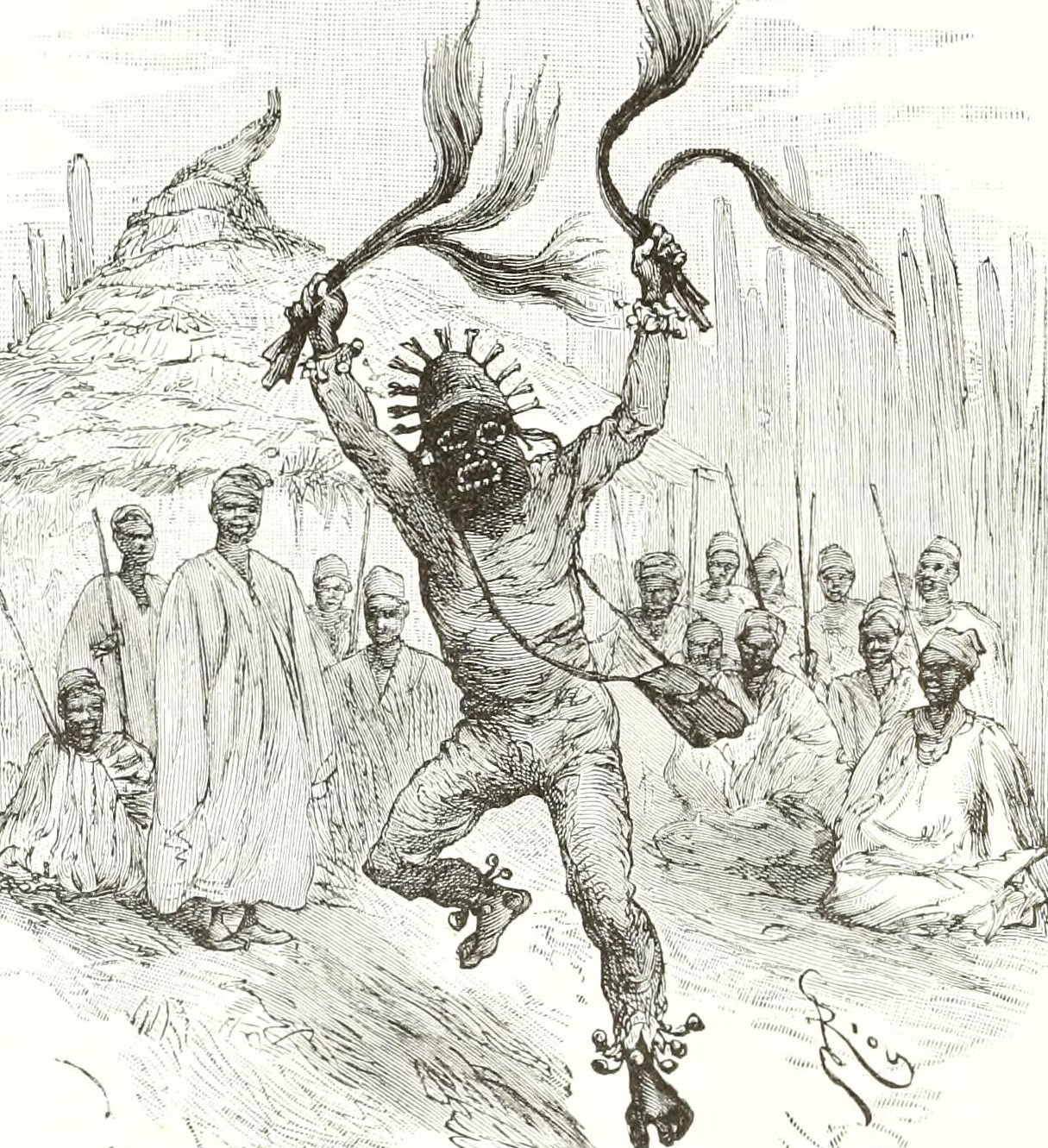 🇩🇴 Dominican Republic and 1 moreDominican VudúVudú Dominicano
A syncretic Afro-Caribbean religion on Hispaniola with its own spirit lineages and titles.Tradition · Protection · Love and attraction Living
 🇭🇹 Haiti and 1 morePetwo
A family of hot and volatile spirits in Haitian VodouBeing · Power and authority · Cursing and harm Living
🇭🇹 Haiti and 3 moreNago lwa
A Haitian Vodou nation of masculine spirits rooted in Yoruba traditionsBeing · Power and authority · Speaking with spirits and the dead Living
🇧🇧 Barbados and 2 moreObeah and Wanga
A Caribbean folk magic tradition and a Haitian charm packet, referenced in Western occult texts.Tradition · Power and authority · Cursing and harm Living
🇭🇹 HaitiFèy
A Haitian Vodou folk song used as a political anthem during military ruleTradition · Power and authority Living
🇳🇬 Nigeria and 1 moreIbo lwa
A nation of Vodou spirits carried from Igbo religion to Haiti, honoured as fightersBeing · Luck and prosperity · Cleansing and purification Living
Photo credits on this page
The small pictures above come from Wikimedia Commons under free licences. Some are cropped to fit.
- Rada lwa: Calvin Hennick, for WBUR Boston, CC BY 3.0, source
- Necromancy: Unknown author, CC BY 4.0, source
- West African Vodún: I cropped, original authors are Ridpath, John Clark, CC BY-SA 4.0, source
- Snake worship: Alexandermcnabb, CC BY-SA 4.0, source
- Ogun: Chado07, CC BY-SA 4.0, source
- Spirit: Jastrow, Public domain, source
The weekly digest
Every Monday: seven entries you may not know, what is on the calendar this week, and one rite drawn step by step.