🇧🇹 Magic in Bhutan
8 entries from Bhutan, best known first, across 1 place of magic.
Bon is the indigenous religion of Tibet, preserving pre-Buddhist rituals alongside a structured theology. It shares deep roots with Tibetan Buddhism while maintaining distinct myths and practices centered on Tonpa Shenrab.
- Tonpa Shenrab is the founder figure of Bon
- Left-facing swastika symbolizes eternity
- Barley flour replaces animal offerings
- Soul retrieval addresses spiritual loss
- Bonpos follow distinct monastic rules
Overview
Bon serves as the native spiritual tradition of Tibet and surrounding Himalayan areas. It blends ancient local customs with organized religious structures that resemble Tibetan Buddhism. Scholars debate whether it is a separate faith or a variant of Buddhism. The tradition preserves elements from earlier eras, including divination and ritual offerings. It maintains its own history and cosmology, distinct from mainstream Buddhist narratives.
Practices and beliefs
Practitioners use fortune-telling, soul retrieval, and ransom rituals to address spiritual imbalance. Offerings often involve symbolic barley flour figures instead of animal sacrifice. Divination guides daily decisions and religious observances. The left-facing swastika symbolizes eternity and protection. Ritual specialists perform ceremonies to appease deities and spirits.
Rites and charms
Ceremonies include elaborate rites for fortune and soul recovery. Practitioners sweep houses and throw salt at doors for purification. Festivals mark seasonal changes and religious anniversaries. Monks chant sutras and perform dances to invoke blessings. Pilgrims visit sacred sites like Mount Kailash to accumulate merit.
Who practises
Followers are known as Bonpos. They include monks, lay priests, and village ritual specialists. Leaders are chosen through lineage or recognition of past lives. Some specialists work part-time in communities. Teachers guide students through texts and oral traditions. Respect is given to those who master rituals and scriptures.
Regions and communities
Bon is strongest in eastern Tibet and the Himalayas. Different regions show variations in practice and emphasis. Eastern areas preserve more ancient customs. Western zones align closer with Buddhist forms. Diaspora communities maintain traditions abroad. Local villages have their own priestly figures.
The calendar
Festivals occur throughout the year, marking lunar cycles and saints' days. Life events like births and deaths involve specific rites. Seasonal transitions trigger community ceremonies. Religious holidays honor Tonpa Shenrab and other figures. These times strengthen communal bonds and spiritual focus.
Law and the state
The religion faces varying levels of acceptance. In some areas, it coexists with state policies. Historical persecution has affected its transmission. Modern centers operate globally, supporting diaspora needs. Legal status differs by region and political context.
Today
Bon continues to thrive in Tibet and among expatriates. Centers worldwide teach its teachings and rituals. Migration helps preserve traditions outside their homeland. Academic interest supports textual study and preservation. The faith adapts to contemporary contexts while honoring its past.
The facts in this overview come from the Wikipedia article "Bon", written by its contributors and used under the CC BY-SA 4.0 licence. EveryJaadu rewrote the text in its own words, with AI assistance, and compares every page with the article to make sure no passage is copied. It may be reused under the same CC BY-SA 4.0 licence with a link back.
Places of magic in Bhutan
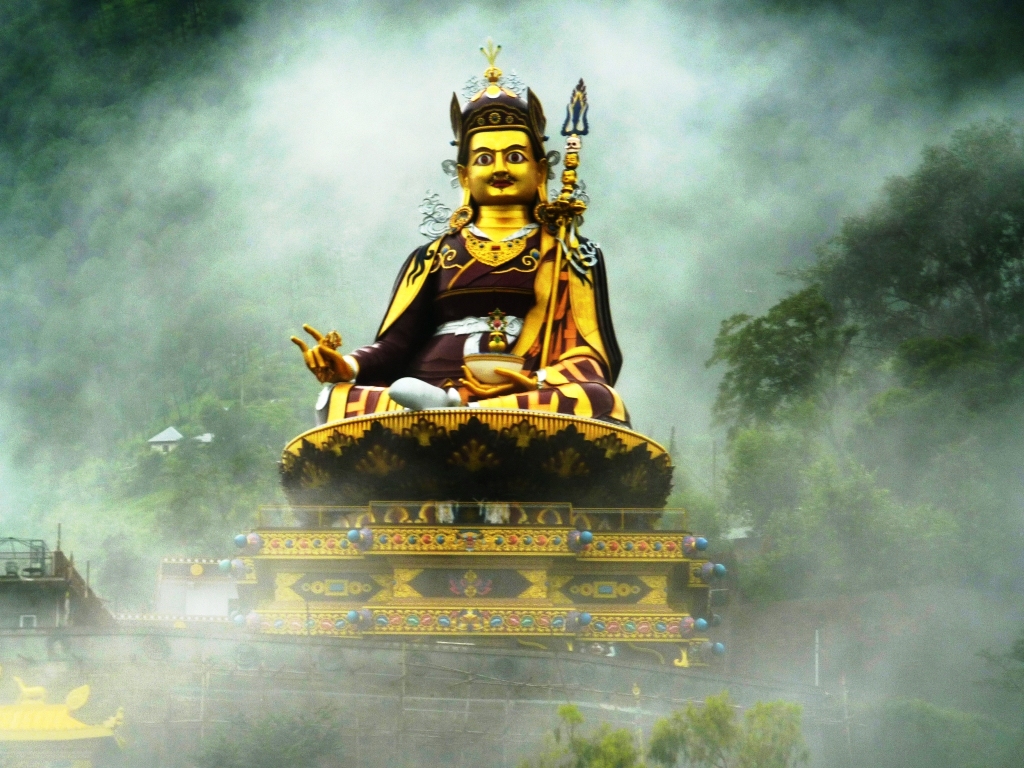 🇮🇳 India and 2 morePadmasambhavaཔདྨ་འབྱུང་གནས།
A tantric master credited with establishing Buddhism in Tibet and founding the Nyingma school.Figure · Protection · Power and authority Living
🇮🇳 India and 2 morePadmasambhavaཔདྨ་འབྱུང་གནས།
A tantric master credited with establishing Buddhism in Tibet and founding the Nyingma school.Figure · Protection · Power and authority Living
 🇮🇳 India and 5 moreShakta pithasशाक्त पीठ (Śākta Pīṭha)
Sacred shrines in Shaktism marking where parts of the goddess Sati fell to earth.Tradition · Speaking with spirits and the dead · Power and authority Living
🇮🇳 India and 5 moreShakta pithasशाक्त पीठ (Śākta Pīṭha)
Sacred shrines in Shaktism marking where parts of the goddess Sati fell to earth.Tradition · Speaking with spirits and the dead · Power and authority Living
 🇮🇳 India and 4 moreDzi beadགཟི། (gzi)
An agate amulet worn in the Himalayas for protection against the evil eye.Charm · Protection · Speaking with spirits and the dead Living
🇮🇳 India and 4 moreDzi beadགཟི། (gzi)
An agate amulet worn in the Himalayas for protection against the evil eye.Charm · Protection · Speaking with spirits and the dead Living
 🇨🇳 China and 4 moreSky burialབྱ་གཏོར་
A Tibetan funerary rite where human remains are offered to scavenging birdsRite · Speaking with spirits and the dead · Change and initiation Living
🇨🇳 China and 4 moreSky burialབྱ་གཏོར་
A Tibetan funerary rite where human remains are offered to scavenging birdsRite · Speaking with spirits and the dead · Change and initiation Living
 🇮🇳 India and 4 moreBonབོན།
The indigenous religion of Tibet and the Himalayas, preserving ancient rituals alongside Buddhist teachings.Tradition · Protection · Speaking with spirits and the dead Living
🇮🇳 India and 4 moreBonབོན།
The indigenous religion of Tibet and the Himalayas, preserving ancient rituals alongside Buddhist teachings.Tradition · Protection · Speaking with spirits and the dead Living
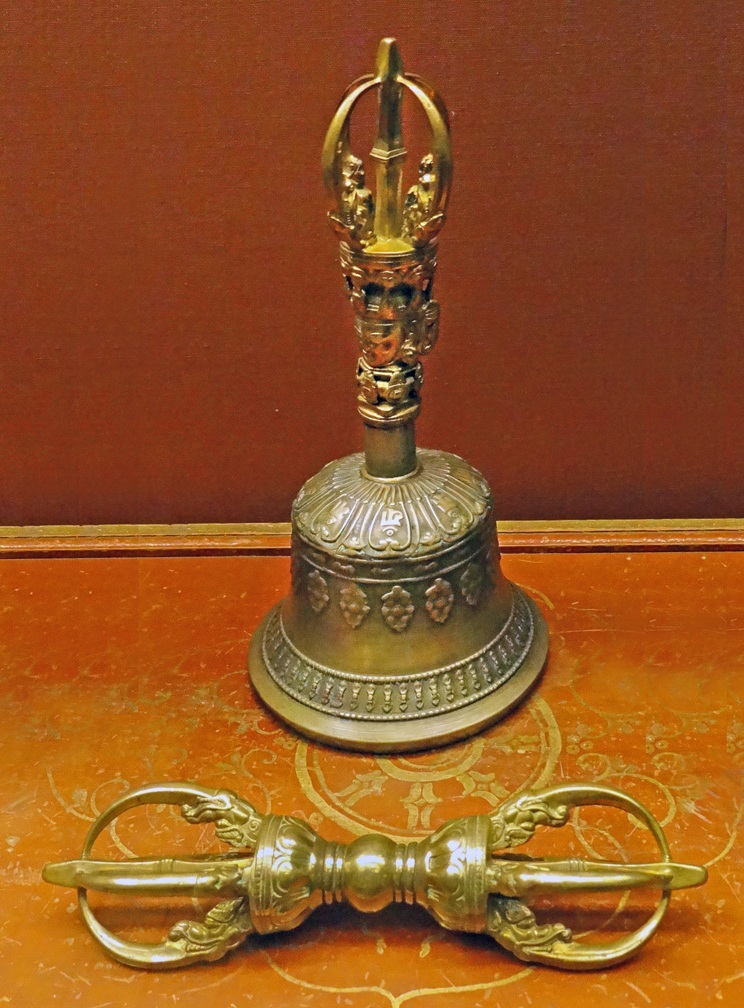 🇮🇳 India and 4 moreVajrayanaVajrayāna
A Buddhist path using rituals and mantras for rapid awakeningTradition · Change and initiation Living
🇧🇹 BhutanDrukའབྲུག
A mythical thunder dragon from Tibetan and Bhutanese traditionBeing · Power and authority Legendary
🇮🇳 India and 4 moreVajrayanaVajrayāna
A Buddhist path using rituals and mantras for rapid awakeningTradition · Change and initiation Living
🇧🇹 BhutanDrukའབྲུག
A mythical thunder dragon from Tibetan and Bhutanese traditionBeing · Power and authority Legendary
 🇧🇹 BhutanVajravarahiརྡོ་རྗེ་ཕག་མོ། (Dorje Pakmo)
A wrathful female buddha in Tibetan Buddhism, depicted with a sow head and dancing posture.Being · Power and authority · Change and initiation Living
🇧🇹 BhutanVajravarahiརྡོ་རྗེ་ཕག་མོ། (Dorje Pakmo)
A wrathful female buddha in Tibetan Buddhism, depicted with a sow head and dancing posture.Being · Power and authority · Change and initiation Living
Photo credits on this page
The small pictures above come from Wikimedia Commons under free licences. Some are cropped to fit.
- Shakta pithas: Abhishek Chandra, Public domain, source
- Dzi bead: Benjwong, Public domain, source
- Sky burial: FishOil at English Wikipedia, Public domain, source
- Padmasambhava: John Hill, CC BY-SA 3.0, source
- Vajrayana: Jean-Pierre Dalbéra, CC BY 2.0, source
- Vajravarahi: Foto: Andreas Praefcke, Public domain, source
The weekly digest
Every Monday: seven entries you may not know, what is on the calendar this week, and one rite drawn step by step.