Harvest, farming and weather: practices that mark them
Rainmaking, the first fruits, and charms for field and flock.
Harvest, farming and weather are the oldest occasions for magic. Where food and rain are uncertain, people hold rites for the first fruits, the planting, the rain and the storm. Examples include the Japanese niiname-sai, the Indian Pongal and Onam, the Andean offerings to Pachamama, the Native American Green Corn ceremony, the European corn dolly and Harvest Home, the Chinese rain dances and the African rainmaker. This page covers these customs and what they say about risk.
Planting and first fruits
Many societies offer the first of the crop to gods or ancestors before eating. In the Andes, offerings are made to Pachamama before planting and harvest. In Japan, the emperor performs the niiname-sai thanksgiving ritual each year. In Europe, the last sheaf was shaped into a corn dolly and kept until spring. Such customs link human labour with a wider order. The Chinese and Japanese calendars both mark farming seasons with set offerings.
Rain and weather
Rainmaking is recorded on every continent. Rainmakers in southern Africa were chiefs and priests, and the Modjadji queens of the Balobedu in South Africa were known for it. In parts of China, dragon rites and processions were held in drought. In Europe, processions with saints' relics were used against storms. When rain fails, rainmakers have sometimes been blamed or punished. Farmers in Europe and the Middle East kept saints' days for each task in the farming year, and set a loaf aside at the first cutting.
Pests, protection and crops
Farmers use charms to protect animals and fields: horseshoes on barn doors, protective figures, blessed seeds, and rites against pests. Some of these customs run alongside agricultural science, and some now clash with it. Modern weather modification and cloud seeding add a technical echo, and communities hold mixed views of both. Fear of crop failure has also produced blame, and there are cases of accusations of witchcraft following a poor harvest.
Change and loss
Industrial farming has weakened many rites, and climate change makes weather rites weigh heavily. Festivals survive as heritage, as with Pongal and Onam, which remain widely celebrated. Scholars see these rites as ways of managing uncertainty and building cooperation, whatever their effect on rain. Today, farmers use a mix of tradition and technology, and some festivals have moved from the field to the town, while others are held by those who farm organically and seek to link old customs with new practice.
Harvest, farming and weather on EveryJaadu
The entries written up so far, best known first.
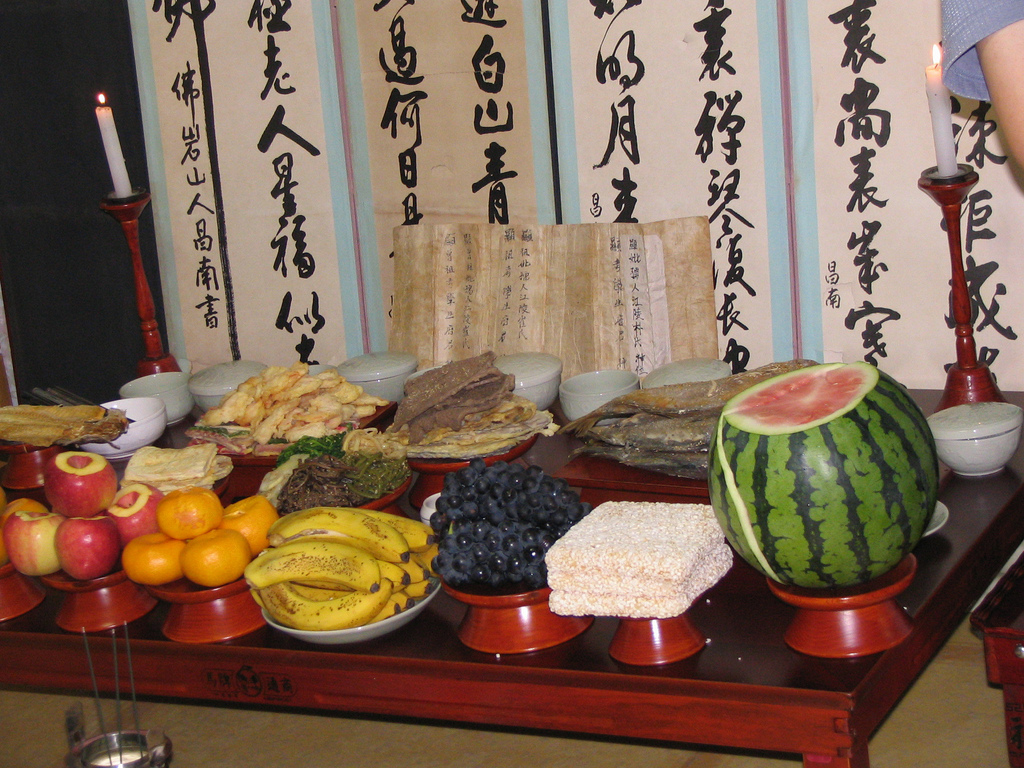 🇰🇷 South Korea and 1 moreChuseok추석 (Chuseok), 한가위 (Hangawi)
A Korean autumn harvest festival marked by ancestral rites and feasting on the full moon.Tradition · Speaking with spirits and the dead · Luck and prosperity Living
🇰🇷 South Korea and 1 moreChuseok추석 (Chuseok), 한가위 (Hangawi)
A Korean autumn harvest festival marked by ancestral rites and feasting on the full moon.Tradition · Speaking with spirits and the dead · Luck and prosperity Living
 🇳🇿 New ZealandTaniwha
Supernatural beings of Māori lore, acting as guardians or dangerous predators in water and earthBeing · Protection · Cursing and harm Living
🇳🇿 New ZealandTaniwha
Supernatural beings of Māori lore, acting as guardians or dangerous predators in water and earthBeing · Protection · Cursing and harm Living
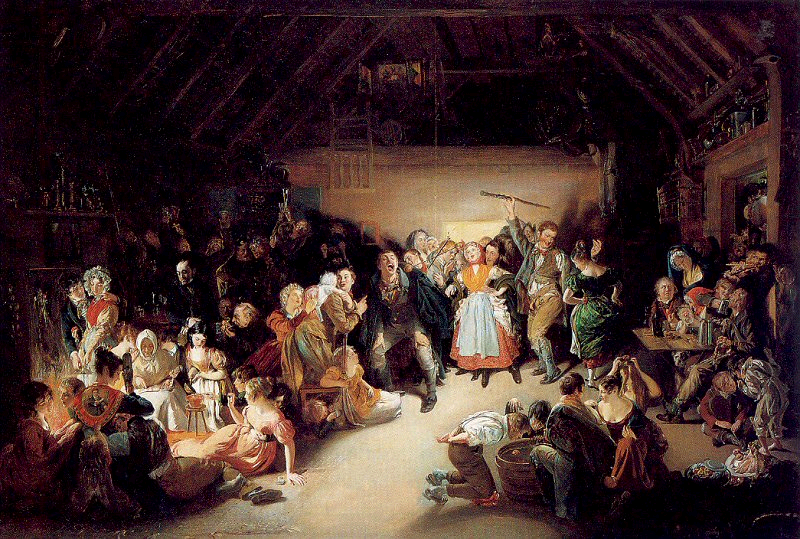 🇮🇪 Ireland and 1 moreSamhain
A Gaelic festival marking the end of harvest and the start of winter, observed on November 1st.Tradition · Protection · Speaking with spirits and the dead Living
🇮🇪 Ireland and 1 moreSamhain
A Gaelic festival marking the end of harvest and the start of winter, observed on November 1st.Tradition · Protection · Speaking with spirits and the dead Living
 🇵🇪 Peru and 5 morePachamama
The Andean mother goddess of space-time and the earthBeing · Protection · Healing Living
🇵🇪 Peru and 5 morePachamama
The Andean mother goddess of space-time and the earthBeing · Protection · Healing Living
 🇱🇻 Latvia and 1 moreLatvian mythology
A collection of myths about gods, spirits, and the afterlife from the Baltic region.Tradition · Speaking with spirits and the dead · Power and authority Living
🇱🇻 Latvia and 1 moreLatvian mythology
A collection of myths about gods, spirits, and the afterlife from the Baltic region.Tradition · Speaking with spirits and the dead · Power and authority Living
 🇳🇬 Nigeria and 2 moreOdinaniỌdịnanị
The traditional belief system of the Igbo people in NigeriaTradition · Protection · Speaking with spirits and the dead Living
🇳🇬 Nigeria and 2 moreOdinaniỌdịnanị
The traditional belief system of the Igbo people in NigeriaTradition · Protection · Speaking with spirits and the dead Living
 🇵🇪 Peru and 1 moreQuyllurit'iQoyllur Rit'i
A syncretic Andean pilgrimage celebrating the Pleiades and the Lord of Star SnowTradition · Protection · Healing Living
🇵🇪 Peru and 1 moreQuyllurit'iQoyllur Rit'i
A syncretic Andean pilgrimage celebrating the Pleiades and the Lord of Star SnowTradition · Protection · Healing Living
 🇨🇱 Chile and 1 moreMapuche religion
The traditional spiritual practice of the Mapuche people of Chile and ArgentinaTradition · Protection · Healing Living
🇨🇱 Chile and 1 moreMapuche religion
The traditional spiritual practice of the Mapuche people of Chile and ArgentinaTradition · Protection · Healing Living
 🇯🇵 Japan and 1 moreAinu religion
The animist spiritual beliefs and ritual practices of the Ainu people of Japan and RussiaTradition · Protection · Speaking with spirits and the dead Living
🇿🇼 ZimbabweMhande
A Shona song and dance performance tied to rain rituals and ancestral communicationIllusion · Speaking with spirits and the dead · Luck and prosperity Living
🇯🇵 Japan and 1 moreAinu religion
The animist spiritual beliefs and ritual practices of the Ainu people of Japan and RussiaTradition · Protection · Speaking with spirits and the dead Living
🇿🇼 ZimbabweMhande
A Shona song and dance performance tied to rain rituals and ancestral communicationIllusion · Speaking with spirits and the dead · Luck and prosperity Living
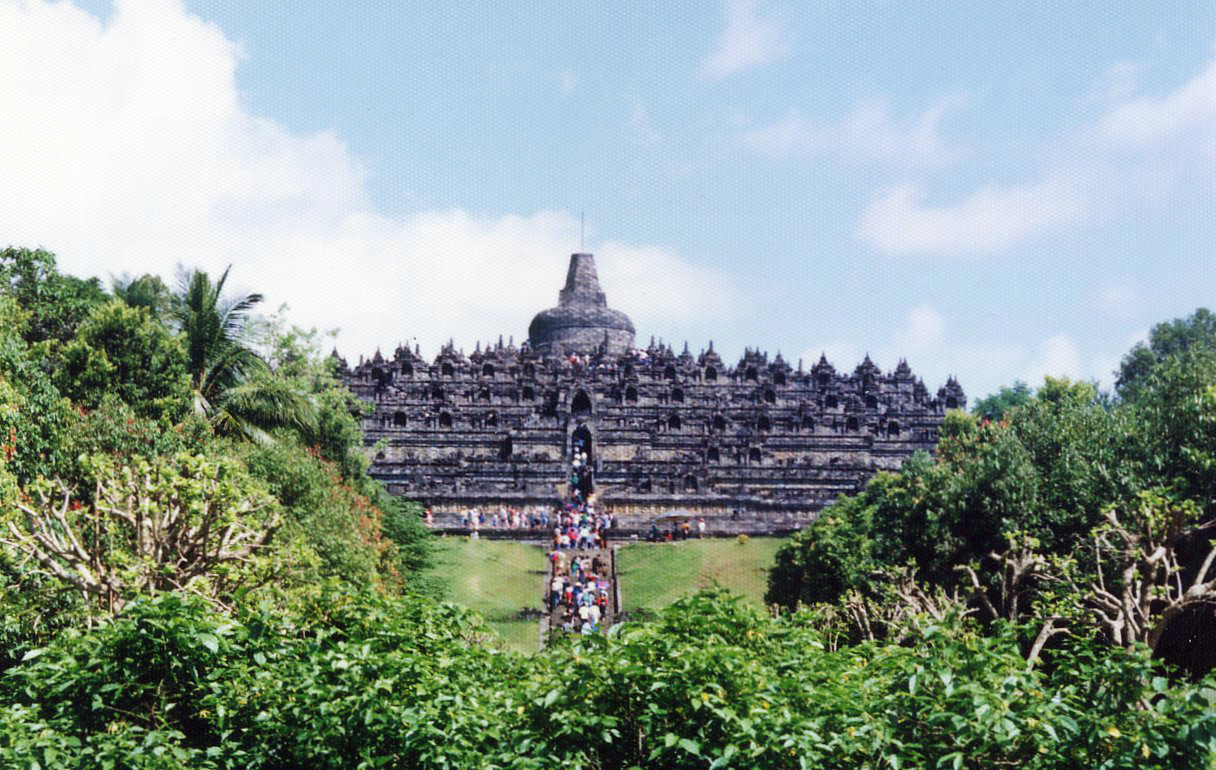 🇮🇩 IndonesiaSunda Wiwitanᮞᮥᮔ᮪ᮓ ᮝᮤᮝᮤᮒᮔ᮪
A folk religion of the Sundanese people in western Java, IndonesiaTradition · Protection · Speaking with spirits and the dead Living
🇲🇱 MaliBinouba-binu
A secret Dogon order honoring ancestors through totemic animals and ritual sacrifice in Mali.Tradition · Protection · Speaking with spirits and the dead Living
🇩🇿 AlgeriaWezeeaوَزِيعَة
A Kabyle custom of communal slaughter and meat sharing for social solidarityRite · Speaking with spirits and the dead · Luck and prosperity Living
🇮🇩 IndonesiaSunda Wiwitanᮞᮥᮔ᮪ᮓ ᮝᮤᮝᮤᮒᮔ᮪
A folk religion of the Sundanese people in western Java, IndonesiaTradition · Protection · Speaking with spirits and the dead Living
🇲🇱 MaliBinouba-binu
A secret Dogon order honoring ancestors through totemic animals and ritual sacrifice in Mali.Tradition · Protection · Speaking with spirits and the dead Living
🇩🇿 AlgeriaWezeeaوَزِيعَة
A Kabyle custom of communal slaughter and meat sharing for social solidarityRite · Speaking with spirits and the dead · Luck and prosperity Living
 🇳🇵 Nepal and 1 moreKiratism
The indigenous animist and shamanic religion of the Kirati peoples in Nepal and IndiaTradition · Protection · Speaking with spirits and the dead Living
🇳🇵 Nepal and 1 moreKiratism
The indigenous animist and shamanic religion of the Kirati peoples in Nepal and IndiaTradition · Protection · Speaking with spirits and the dead Living
Photo credits on this page
The small pictures above come from Wikimedia Commons under free licences. Some are cropped to fit.
- Sunda Wiwitan: Greenland4, Public domain, source
- Taniwha: Pseudopanax at en.wikipedia, Public domain, source
- Samhain: Daniel Maclise, Public domain, source
- Pachamama: Penarc, CC BY-SA 3.0, source
- Latvian mythology: Dezidor, CC BY 3.0, source
- Odinani: Northcote Whitridge Thomas, Public domain, source
- Jesa: by Joseph Steinberg (Baltimoron in Korea) at Flickr, CC BY-SA 2.0, source
- Quyllurit'i: AgainErick, CC BY-SA 3.0, source
- Mapuche religion: Gary Todd, CC0, source
- Kiratism: TheDreamSky ( talk ), CC BY 3.0, source
- Ainu religion: Unknown author, Public domain, source