🇸🇦 Magic in Saudi Arabia
4 entries from Saudi Arabia, best known first, across 2 places of magic.
Jinn are supernatural beings in Islam and pre-Islamic Arabian belief, created from smokeless fire. They live alongside humans, can be good or evil, and interact through possession or inspiration. Folk practices use amulets for protection against their influence.
- Jinn are created from smokeless fire in Islamic tradition
- Quran mentions jinn approximately twenty-nine times
- Amulets protect against jinn using God's names
- Pre-Islamic Arabs worshipped jinn in desert regions
- Soothsayers spoke through jinn possession
Overview
Jinn form a core part of Islamic theology and Arabic folklore. They share the same spiritual plane as humans, facing divine judgment after death. Pre-Islamic Arabs viewed them as nature spirits inhabiting deserts. Islam integrated these beliefs, acknowledging jinn as accountable beings. The concept likely absorbed older pagan traditions. Scholars note similarities to Roman guardian spirits. Jinn remain central to popular belief across the Muslim world, bridging ancient mythology and religious doctrine.
Practices and beliefs
People wear amulets with God's names to ward off jinn attacks. Charms often invoke jinn kings for magical aid. Sorcerers may command jinn to harm rivals. Believers hold that jinn cannot touch those protected by sacred texts. Talismans display individual jinn names. These folk customs aim to neutralize negative influences. Some seek refuge in jinn masters during travel. Protection rituals reflect deep anxiety about unseen forces.
Rites and charms
Travelers once sought shelter under jinn guardianship at dusk. Soothsayers entered trance states, allowing jinn to speak through them. Poets claimed inspiration from friendly jinn spirits. Healing arts were taught by jinn lovers in folklore. Possession required exorcism to remove hostile entities. Marriages between jinn and humans produced hybrid offspring. These rites highlight the permeable boundary between human and spirit worlds.
Who practises
Soothsayers served as mediums for jinn knowledge. Poets considered themselves friends with jinn spirits. Exorcists removed jinn from possessed bodies. Amulet makers crafted protective charms. Witches allegedly commanded jinn for malicious purposes. Healers learned techniques from jinn mentors. These figures navigated the invisible society of jinn, acting as intermediaries between the physical and spiritual realms.
Regions and communities
Pre-Islamic Arabs in Yemen first sought jinn refuge. Banu Hanifa tribe pioneered this practice. Beliefs spread throughout Arabian tribes. Palmyra and Baalbek used interchangeable terms for jinn and gods. Desert regions hosted more frequent jinn encounters. Urban areas viewed them with greater suspicion. Regional variations shaped how jinn were feared or venerated.
The calendar
Evening marked danger when jinn became active. Travelers waited until morning for safety. Festivals likely involved jinn appeasement. Life events like marriage risked jinn interference. Poetry recitations honored jinn muses. Seasonal changes affected jinn behavior. These temporal markers structured daily life around unseen presences.
Law and the state
Islam condemned worshipping jinn as idolatry. Quranic verses criticized relying on jinn for guidance. Colonial officials sometimes labeled jinn beliefs as superstition. Modern Muslims disapprove of talisman use. Legal systems rarely address jinn directly. Religious authorities emphasize monotheistic purity. Tension exists between official doctrine and popular practice.
Today
Jinn belief persists in modern Muslim communities. Migration spreads these ideas globally. Tourism commercializes jinn folklore. Scholars study jinn as cultural phenomena. Digital media reshapes jinn narratives. Younger generations question traditional views. Commerce exploits jinn imagery for entertainment. The belief adapts to contemporary contexts while retaining ancient roots.
The facts in this overview come from the Wikipedia article "Jinn", written by its contributors and used under the CC BY-SA 4.0 licence. EveryJaadu rewrote the text in its own words, with AI assistance, and compares every page with the article to make sure no passage is copied. It may be reused under the same CC BY-SA 4.0 licence with a link back.
 🇸🇦 Saudi Arabia and 5 moreIslamic exorcismرقية
A rite to expel spirits through Quranic recitation and negotiationRite · Healing · Cleansing and purification Living
🇸🇦 Saudi Arabia and 5 moreIslamic exorcismرقية
A rite to expel spirits through Quranic recitation and negotiationRite · Healing · Cleansing and purification Living
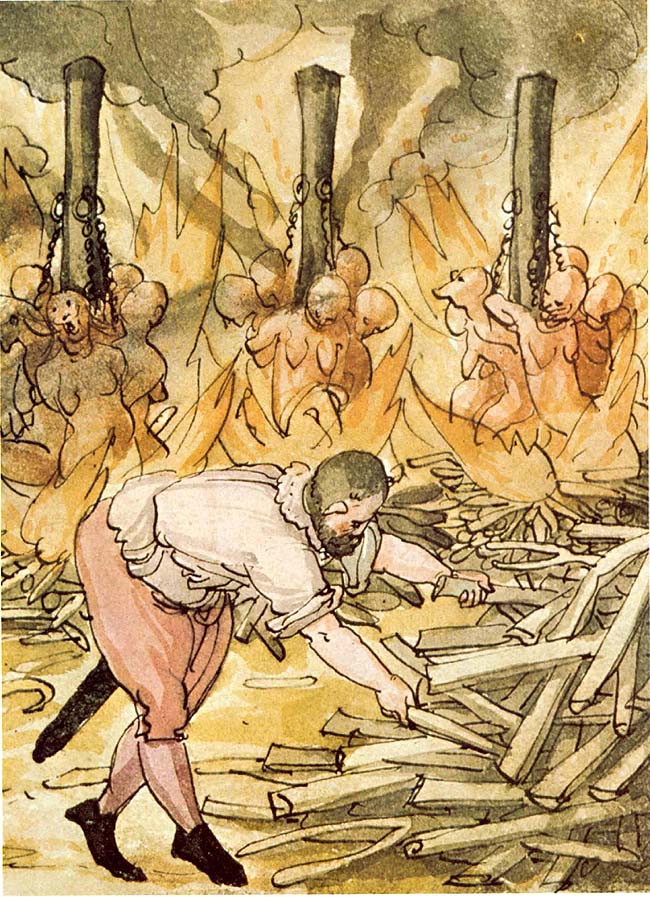 🇸🇦 Saudi Arabia and 5 moreWitch hunt
A campaign to find and punish people accused of using magic for harmBelief · Cursing and harm Historical
🇸🇦 Saudi Arabia and 5 moreWitch hunt
A campaign to find and punish people accused of using magic for harmBelief · Cursing and harm Historical
 🇸🇦 Saudi Arabia and 1 moreDhikrذِكْر
Islamic remembrance of God through repeated recitation and prayerRite · Speaking with spirits and the dead · Power and authority Living
🇸🇦 Saudi Arabia and 1 moreDhikrذِكْر
Islamic remembrance of God through repeated recitation and prayerRite · Speaking with spirits and the dead · Power and authority Living
 🇺🇸 United States and 4 moreFortune-telling
A practice of predicting future events or personal details through various methods and tools.Rite · Seeing and foretelling · Power and authority Living
🇺🇸 United States and 4 moreFortune-telling
A practice of predicting future events or personal details through various methods and tools.Rite · Seeing and foretelling · Power and authority Living
Photo credits on this page
The small pictures above come from Wikimedia Commons under free licences. Some are cropped to fit.
- Witch hunt: Johann Jakob Wick, Public domain, source
- Dhikr: Eugène Baugnies, Public domain, source
- Fortune-telling: Taras Shevchenko, Public domain, source
- Islamic exorcism: Unknown Calligrapher, Public domain, source
The weekly digest
Every Monday: seven entries you may not know, what is on the calendar this week, and one rite drawn step by step.