Tongan mythology
In its own language: tala-ē-fonua
from Tongan tala-ē-fonua, meaning telling of the land and its people
The myths and legends of the Polynesian island nation of Tonga
Tongan narrative is the collection of stories, spirits, and gods from Tonga. It shares roots with other Polynesian traditions but has unique features. Scholars study it to understand Tongan history and culture.
- Maui pulled Tongatapu from the sea using a fish-hook
- First men came from a seed and a worm on ʻAta
- Tangaloa sent a plover to find land
- Wood chips created the island of ʻEua
- Pulotu is the spirit world above the sea
What it is
Tongan narrative, or tala-ē-fonua, is the body of myths, legends, and spiritual beliefs from Tonga. It includes stories about gods, spirits, creatures, and legendary figures. This tradition is part of the wider Polynesian cultural family. However, it stands apart due to specific local details. Researchers use these stories to explore Tongan history and social structures. The tales explain how the world was formed and how the first people arrived.
Where it comes from
The stories originate in the islands that now form Tonga. They developed alongside other Polynesian narratives. Over time, distinct elements emerged. These differences allow scholars to separate Tongan lore from Samoan or Fijian versions. The oral tradition preserved these accounts across generations. The term tala-ē-fonua reflects this focus on land and ancestry. The narratives serve as a historical record for the Tongan people.
Tools and materials
A fish-hook plays a key role in the creation story. Maui uses a hook given by an old man named Tonga Fusifonua. He pulls islands from the sea floor. Wood chips thrown by Tangaloa Tufunga create new land. A seed dropped by a plover spirit starts life on the island of ʻAta. These objects are central to the formation of the world.
Tongan mythology, drawn and placed
- Living
- Revived
- Fading
- Historical
- Legendary
- Performed
- Lineage
- Polynesian mythology
What it is for
The stories explain the origins of the islands and the first humans. They describe how Maui pulled Tongatapu from the deep. They tell how Kohai, Koau, and Momo were created from a worm and a seed. These tales connect the Tongan people to their ancestors. They provide a framework for understanding the natural world and spiritual forces like Pulotu.
Who does it
Today, the primary practitioners are scholars and historians. Anthropologists and mythologists study the texts. They analyze the stories to find cultural patterns. The original practitioners were the Tongan people themselves. They passed the stories down orally. Now, academic research preserves and interprets these ancient records.
Peoples and places
The tradition belongs to the Tongans. It is closely linked to other Polynesian groups. Stories mention interactions with Samoa and Fiji. Maui pulls islands from these regions too. The core identity remains distinctly Tongan. The narratives define the relationship between the people and their land. They are a shared heritage of the Polynesian diaspora in this area.
At a glance: who, where and when
What people believe
The worldview centers on the spirit world, Pulotu. Before the physical world, only sea and Pulotu existed. Gods like Tangaloa rule the sky. Hikuleo rules the spirit realm. Maui shapes the underworld and land. Spirits can take animal forms, like a plover or sea snake. Humans come from divine or spiritual acts. Ancestors are linked to these first beings.
How scholars and sceptics see it
Researchers view Tongan narrative as a historical and anthropological resource. It offers insights into early Polynesian society. The stories are not just entertainment. They encode knowledge about ecology and migration. Scholars compare them with other Polynesian myths. This helps trace cultural connections across the Pacific. The narratives are studied for their literary and structural value.
Compare and confuse
Tongan mythology overlaps with Samoan and Fijian traditions. Maui appears in many Polynesian cultures. The name Manuka relates to Samoan Manuʻa. Tangaloa is a common deity name. Despite similarities, each group has unique variations. Tongan stories emphasize specific islands like ʻEua and Kao. The distinction lies in local details and lineage.
Today
The narratives are preserved in academic works and local histories. They remain part of Tongan cultural identity. People reference them in discussions of heritage. The stories are taught as part of national history. They continue to inspire interest in Polynesian studies. The oral tradition has been documented in books and theses.
Questions people ask about Tongan mythology
What is Tongan mythology called in its native language?
It is called tala-ē-fonua, which means telling of the land and its people. This term captures the focus on geography and ancestry in the stories.
How did the islands of Tonga form according to the myths?
Maui used a magical fish-hook to pull islands from the ocean floor. Other islands were made from wood chips thrown by a god or rose from reefs.
Who are the first humans in Tongan legend?
Kohai, Koau, and Momo were the first men. They were created from parts of a worm and a seed dropped by a plover spirit on the island of ʻAta.
Is Tongan mythology the same as other Polynesian myths?
It shares many elements with Samoan and Fijian traditions. However, it has unique details about specific islands and local gods. Scholars treat it as a distinct variant.
Good reading and sources
The facts on this page come from the Wikipedia article "Tongan narrative", written by its contributors and used under the CC BY-SA 4.0 licence, and from its Wikidata record (CC0). EveryJaadu rewrote the text in its own words, with AI assistance, and compares every page with the article to make sure no passage is copied. It may be reused under the same CC BY-SA 4.0 licence with a link back.
It may contain mistakes. Names and customs differ from one community to the next, and some knowledge is closed to outsiders and left out here. This page describes belief and practice. It does not say that any of it works, it is not a how-to, and it is not medical advice. If something is wrong, tell us. Last refreshed 2026-10-05.
More from Tonga
All the entries from Tonga 🇻🇺 Vanuatu and 5 moreKava culture
A shared ritual across Oceania where a root brew marks ceremony, respect, and social gathering.Tradition · Speaking with spirits and the dead · Luck and prosperity Living
🇻🇺 Vanuatu and 5 moreKava culture
A shared ritual across Oceania where a root brew marks ceremony, respect, and social gathering.Tradition · Speaking with spirits and the dead · Luck and prosperity Living
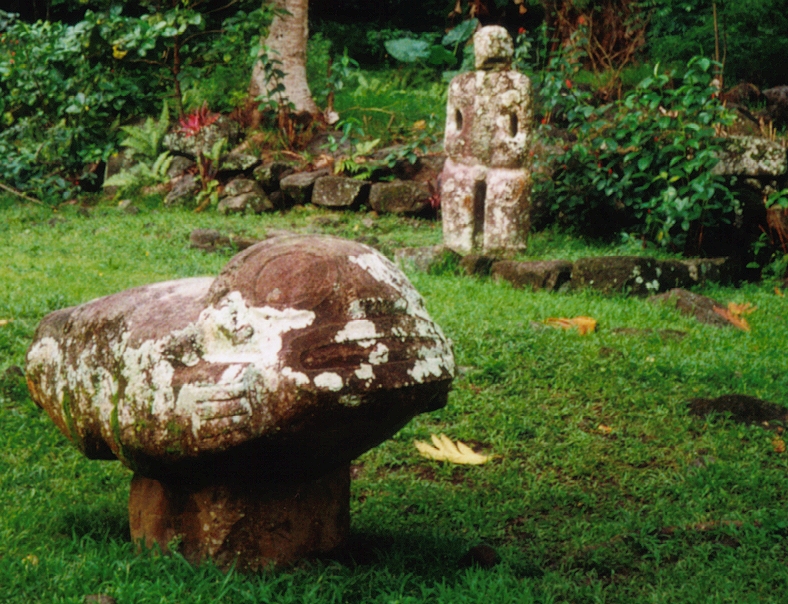 🇳🇿 New Zealand and 2 morePolynesian mythology
The oral traditions and legends of the Polynesian peoples across the PacificTradition · Speaking with spirits and the dead Living
🇳🇿 New Zealand and 5 moreTapu
A Polynesian concept of sacred restriction and spiritual prohibitionTradition · Protection · Speaking with spirits and the dead Living
🇼🇸 Samoa and 1 moreAitu
A Polynesian term for spirits, ghosts, or calamityBelief · Cursing and harm Historical
🇳🇿 New Zealand and 2 morePolynesian mythology
The oral traditions and legends of the Polynesian peoples across the PacificTradition · Speaking with spirits and the dead Living
🇳🇿 New Zealand and 5 moreTapu
A Polynesian concept of sacred restriction and spiritual prohibitionTradition · Protection · Speaking with spirits and the dead Living
🇼🇸 Samoa and 1 moreAitu
A Polynesian term for spirits, ghosts, or calamityBelief · Cursing and harm Historical
Related elsewhere
All tradition 🇬🇧 United Kingdom and 2 moreKing ArthurBrenin Arthur
A legendary British king and folk hero of medieval literature and Welsh mythologyFigure · Power and authority · Wonder and entertainment Legendary
🇬🇧 United Kingdom and 2 moreKing ArthurBrenin Arthur
A legendary British king and folk hero of medieval literature and Welsh mythologyFigure · Power and authority · Wonder and entertainment Legendary
 🇪🇬 Egypt and 1 moreSphinx
A mythical hybrid with a human head and lion body, serving as guardian or riddler in Egyptian and Greek traditions.Being · Protection · Wonder and entertainment Legendary
🇪🇬 Egypt and 1 moreSphinx
A mythical hybrid with a human head and lion body, serving as guardian or riddler in Egyptian and Greek traditions.Being · Protection · Wonder and entertainment Legendary
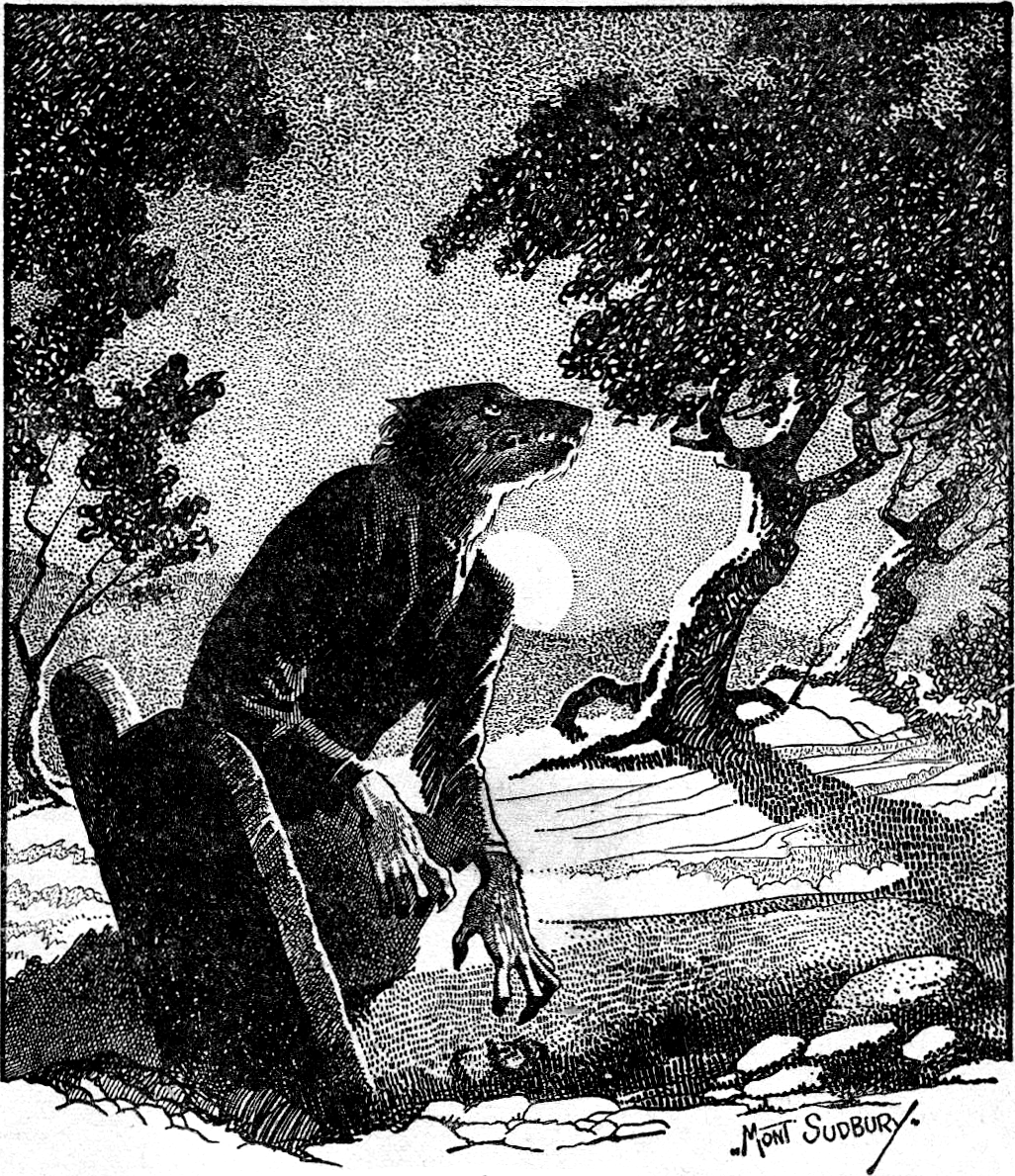 🇫🇷 France and 5 moreWerewolf
A mythical shapeshifter that turns into a wolf, central to European witch-hunts and Gothic horror.Being · Cursing and harm · Wonder and entertainment Legendary
🇫🇷 France and 5 moreWerewolf
A mythical shapeshifter that turns into a wolf, central to European witch-hunts and Gothic horror.Being · Cursing and harm · Wonder and entertainment Legendary
 🇪🇸 Spain and 5 moreSt John's Eve
A Christian vigil marked by bonfires and plant gathering on the summer solstice eveRite · Protection · Speaking with spirits and the dead Living
🇪🇸 Spain and 5 moreSt John's Eve
A Christian vigil marked by bonfires and plant gathering on the summer solstice eveRite · Protection · Speaking with spirits and the dead Living