Samoan mythology
The deities and legends of the Samoan Islands, part of Polynesian tradition.
Samoan mythology is a body of stories about gods and spirits from the Samoa Islands. It is a variant of broader Polynesian mythology and includes tales of creation, war, and cultural arts like tattooing.
- Tagaloa is the supreme god who created the islands.
- Nafanua is a warrior goddess from Falealupo.
- Tilafaiga and Taema brought tattooing from Fiji.
- Aitu are spirits of human origin.
- Mata o le Alelo is a sacred pool in Matavai.
What it is
Samoan mythology consists of stories about various deities and spirits in Samoan culture. These beings include gods of the forest, seas, rain, harvest, villages, and war. The traditions distinguish between atua, who have non-human origins, and aitu, who originate from humans. Tagaloa is a supreme god credited with creating the islands and people. Mafuiʻe is the god of earthquakes. Nafanua is a warrior goddess who also brings peace. Tilafaiga and Taema are figures known for bringing tattooing to Samoa from Fiji. Fetu is the god of the night, and his wife is Ele'ele. This mythology is a specific variant of the wider Polynesian mythological system found across the Pacific.
Where it comes from
Samoan mythology originates from the Samoa Islands and is part of the broader Polynesian cultural sphere. The stories reflect the environment and social structures of the Samoan people. Legends often connect deities to specific locations on Savai'i and Upolu islands. The tale of Tilafaiga and Taema links Samoan cultural practices, such as tattooing, to Fiji, indicating historical connections between the islands. The mythology serves as a narrative framework for understanding the natural world, human origins, and cultural identity.
Samoan mythology, drawn and placed
- Living
- Revived
- Fading
- Historical
- Legendary
- Performed
- Lineage
- Polynesian mythology
Peoples and places
The mythology belongs to the Samoan people, who are part of the larger Polynesian ethnic group. Stories are tied to specific villages and regions within Samoa. Falealupo on Savai'i is associated with Nafanua and the spirit world entry Pulotu. Mata o le Alelo, a freshwater pool linked to the legend of Sina and the Eel, is located in Matavai village. Fagamalo village is associated with Tui Fiti. Nifoloa, a dreaded spirit, is linked to Falelima village. These places anchor the myths in the physical landscape of the islands.
At a glance: who, where and when
Peoples
What people believe
The belief system involves a hierarchy of deities and spirits. Tagaloa holds a supreme position as creator. Other gods manage natural forces like earthquakes (Mafuiʻe) and the night (Fetu). Warriors and peace-bringers like Nafanua hold significant roles. The spirit world, Pulotu, is accessible from specific locations. Aitu are spirits of human origin, distinct from the divine atua. The myths explain cultural phenomena, such as the introduction of tattooing from Fiji, and natural features through legendary events involving gods and heroes.
How scholars and sceptics see it
Scholars study Samoan mythology as a variant of Polynesian mythology. Anthropologists and historians examine these stories to understand Samoan culture, social structure, and religious beliefs. The distinction between atua and aitu provides insight into Samoan concepts of divinity and ancestry. The connection to Fiji through legends highlights inter-island relationships. Research focuses on how these myths preserve cultural knowledge and identity.
Compare and confuse
Samoan mythology is closely related to other Polynesian mythologies, including Hawaiian and Cook Islander religions. These traditions share common themes, deities, and narrative structures due to their shared ancestral roots. The concept of atua and aitu may have parallels in other Pacific island cultures. The legend of Sina and the Eel is a well-known Polynesian motif found in various forms across the region.
Questions people ask about Samoan mythology
What is Samoan mythology?
It is a body of stories about deities and spirits from the Samoa Islands, forming a variant of Polynesian mythology that explains natural forces and cultural origins.
Who are the main deities?
Key figures include Tagaloa, the creator god; Mafuiʻe, the earthquake god; Nafanua, the warrior goddess; and Fetu, the god of the night.
How does it relate to other Polynesian myths?
It shares themes and structures with Hawaiian and Cook Islander traditions, reflecting a common Polynesian heritage and inter-island connections.
Where are important mythic sites located?
Sacred sites include Falealupo on Savai'i, Matavai village with its legendary pool, and Fagamalo village, each tied to specific legends.
Good reading and sources
The facts on this page come from the Wikipedia article "Samoan mythology", written by its contributors and used under the CC BY-SA 4.0 licence, and from its Wikidata record (CC0). EveryJaadu rewrote the text in its own words, with AI assistance, and compares every page with the article to make sure no passage is copied. It may be reused under the same CC BY-SA 4.0 licence with a link back.
It may contain mistakes. Names and customs differ from one community to the next, and some knowledge is closed to outsiders and left out here. This page describes belief and practice. It does not say that any of it works, it is not a how-to, and it is not medical advice. If something is wrong, tell us. Last refreshed 2026-10-05.
More from Samoa
All the entries from Samoa 🇻🇺 Vanuatu and 5 moreKava culture
A shared ritual across Oceania where a root brew marks ceremony, respect, and social gathering.Tradition · Speaking with spirits and the dead · Luck and prosperity Living
🇹🇴 Tonga and 2 moreTongan mythologytala-ē-fonua
The myths and legends of the Polynesian island nation of TongaTradition · Wonder and entertainment Historical
🇻🇺 Vanuatu and 5 moreKava culture
A shared ritual across Oceania where a root brew marks ceremony, respect, and social gathering.Tradition · Speaking with spirits and the dead · Luck and prosperity Living
🇹🇴 Tonga and 2 moreTongan mythologytala-ē-fonua
The myths and legends of the Polynesian island nation of TongaTradition · Wonder and entertainment Historical
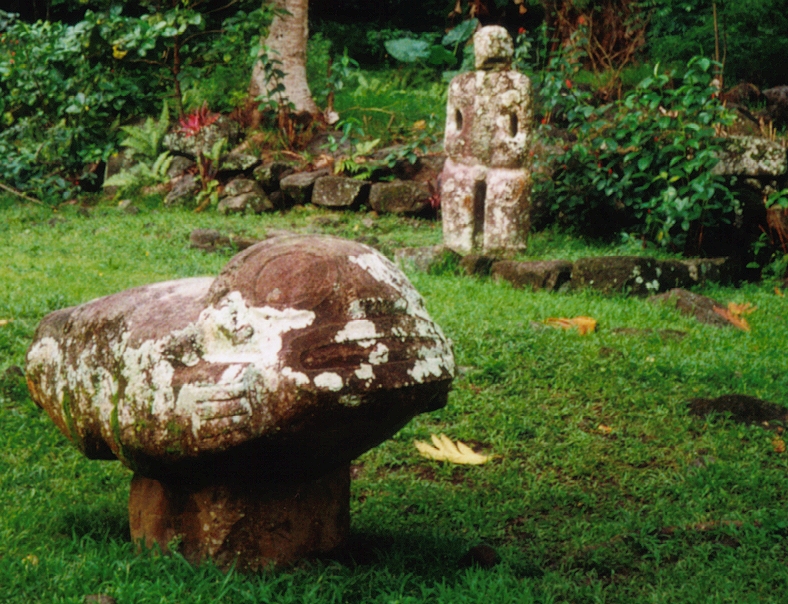 🇳🇿 New Zealand and 2 morePolynesian mythology
The oral traditions and legends of the Polynesian peoples across the PacificTradition · Speaking with spirits and the dead Living
🇳🇿 New Zealand and 2 morePolynesian mythology
The oral traditions and legends of the Polynesian peoples across the PacificTradition · Speaking with spirits and the dead Living
Related elsewhere
All figure 🇮🇳 IndiaChakraचक्र
Meditation points in the subtle body used in Hindu and Buddhist yogaTradition · Speaking with spirits and the dead · Change and initiation Living
🇮🇳 IndiaChakraचक्र
Meditation points in the subtle body used in Hindu and Buddhist yogaTradition · Speaking with spirits and the dead · Change and initiation Living
 🇮🇶 Iraq and 5 moreGrimoire
A textbook containing instructions for spells, rituals, and the creation of magical objects.Text · Protection · Healing Historical
🇮🇶 Iraq and 5 moreGrimoire
A textbook containing instructions for spells, rituals, and the creation of magical objects.Text · Protection · Healing Historical
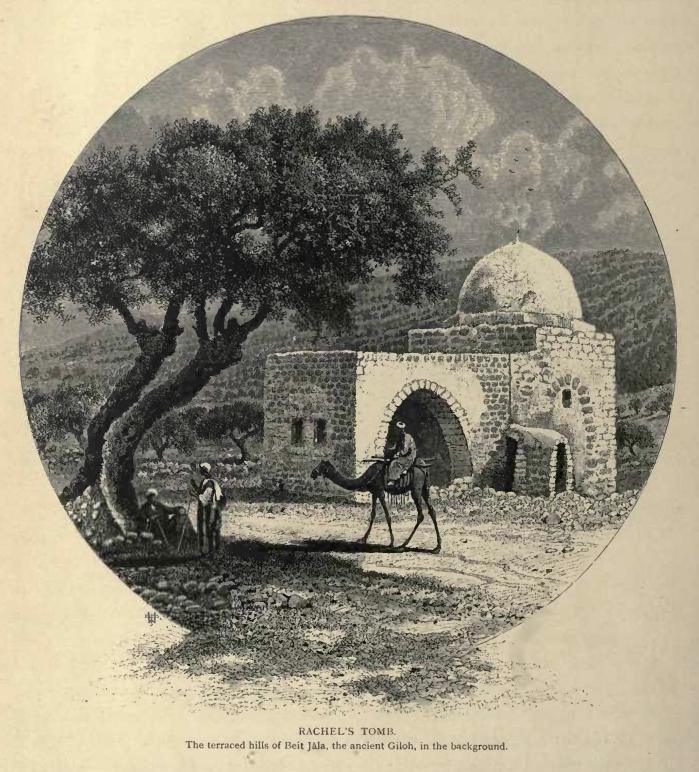 🇵🇸 Palestine and 1 moreRachel's TombQever Raḥel; Qabr Rāḥīl
A shared holy site near Bethlehem revered by Jews, Christians, and MuslimsTradition · Speaking with spirits and the dead · Protection Living
🇵🇸 Palestine and 1 moreRachel's TombQever Raḥel; Qabr Rāḥīl
A shared holy site near Bethlehem revered by Jews, Christians, and MuslimsTradition · Speaking with spirits and the dead · Protection Living
 🇸🇳 Senegal and 1 moreSerer religionA ƭat Roog
The traditional faith of the Serer people, centred on the supreme deity Roog and ancestral veneration.Tradition · Protection · Speaking with spirits and the dead Living
🇸🇳 Senegal and 1 moreSerer religionA ƭat Roog
The traditional faith of the Serer people, centred on the supreme deity Roog and ancestral veneration.Tradition · Protection · Speaking with spirits and the dead Living