Otomitl
From Nahuatl meaning 'Jute bone' or 'Where the otomies are'
A giant son of Aztec myth who settled the land after a great flood.
Otomitl is one of six giants born in Aztec mythology to Iztac-Mixcoatl and Tlaltecuhtli. He is described as the youngest brother who established communities in the mountains near Mexico.
- Otomitl is the youngest of six giant brothers.
- Parents are Iztac-Mixcoatl and Tlaltecuhtli.
- Born after the Great Flood in the Fifth Sun.
- Founded populations in Tollan and Otompan.
- Name means 'Jute bone' in Nahuatl.
What it is
Otomitl appears in Aztec stories as one of six giant brothers. These figures were born to the serpent Iztac-Mixcoatl and the earth deity Tlaltecuhtli. The group emerged after a massive flood covered the world. Otomitl is identified as the youngest son. His siblings include Xelhua, Tenoch, Cuetlachoapan, and Xicalancatl. Each brother represents a different lineage or people. They are viewed as ancestors for various groups across the region.
Where it comes from
The giants originated from the union of Iztac-Mixcoatl and Tlaltecuhtli. Iztac-Mixcoatl is known as the fierce white cloud serpent. Tlaltecuhtli is an old frog-like entity with many jaws. They lived together in Citlalco. Their children were created through this partnership. The brothers appeared on Earth after the Great Flood ended. This event marks the beginning of the Fifth Sun era in their cosmology.
Otomitl, drawn and placed
- Living
- Revived
- Fading
- Historical
- Legendary
- Performed
- Lineage
- Aztec mythology
Peoples and places
The giants are linked to specific locations and peoples. Xelhua founded cities like Itzocan and Cuauquechollan. Tenoch stopped his people to build Tenochtitlan. Cuetlachoapan established Ulmecatl. Xicalancatl took refuge in Mixtecapan. Otomitl remained in the mountains near Mexico. He built up populations in Tollan, Xilotepec, and Otompan. These settlements represent the branches of the giant family.
At a glance: who, where and when
Peoples
What people believe
The story explains how humanity populated the Earth again. The flood submerged the world before these giants rose. The brothers are seen as the trunk of various races. Their actions shaped the geography and society of ancient Mexico. The narrative connects divine beings to human history.
Questions people ask about Otomitl
Who are Otomitl's parents?
He is the son of Iztac-Mixcoatl, the white cloud serpent, and Tlaltecuhtli, the earth frog deity.
When did Otomitl appear?
He emerged after the Great Flood, during the era known as the Fifth Sun in Aztec mythology.
What does the name mean?
The word comes from Nahuatl and translates to 'Jute bone' or 'Where the otomies are'.
Good reading and sources
The facts on this page come from the Wikipedia article "Otomitl", written by its contributors and used under the CC BY-SA 4.0 licence, and from its Wikidata record (CC0). EveryJaadu rewrote the text in its own words, with AI assistance, and compares every page with the article to make sure no passage is copied. It may be reused under the same CC BY-SA 4.0 licence with a link back.
It may contain mistakes. Names and customs differ from one community to the next, and some knowledge is closed to outsiders and left out here. This page describes belief and practice. It does not say that any of it works, it is not a how-to, and it is not medical advice. If something is wrong, tell us. Last refreshed 2026-10-06.
More from Mexico
All the entries from Mexico 🇲🇽 MexicoAztec religion
The polytheistic and monistic belief system of the Aztec Empire in central MexicoTradition · Protection · Luck and prosperity Historical
🇲🇽 MexicoAztec religion
The polytheistic and monistic belief system of the Aztec Empire in central MexicoTradition · Protection · Luck and prosperity Historical
Related elsewhere
All being 🇷🇸 Serbia and 5 moreVampire
An undead creature from folklore that feeds on the blood or life force of the livingBeing · Cursing and harm · Luck and prosperity Legendary
🇷🇸 Serbia and 5 moreVampire
An undead creature from folklore that feeds on the blood or life force of the livingBeing · Cursing and harm · Luck and prosperity Legendary
 🇪🇬 Egypt and 1 moreSphinx
A mythical hybrid with a human head and lion body, serving as guardian or riddler in Egyptian and Greek traditions.Being · Protection · Wonder and entertainment Legendary
🇪🇬 Egypt and 1 moreSphinx
A mythical hybrid with a human head and lion body, serving as guardian or riddler in Egyptian and Greek traditions.Being · Protection · Wonder and entertainment Legendary
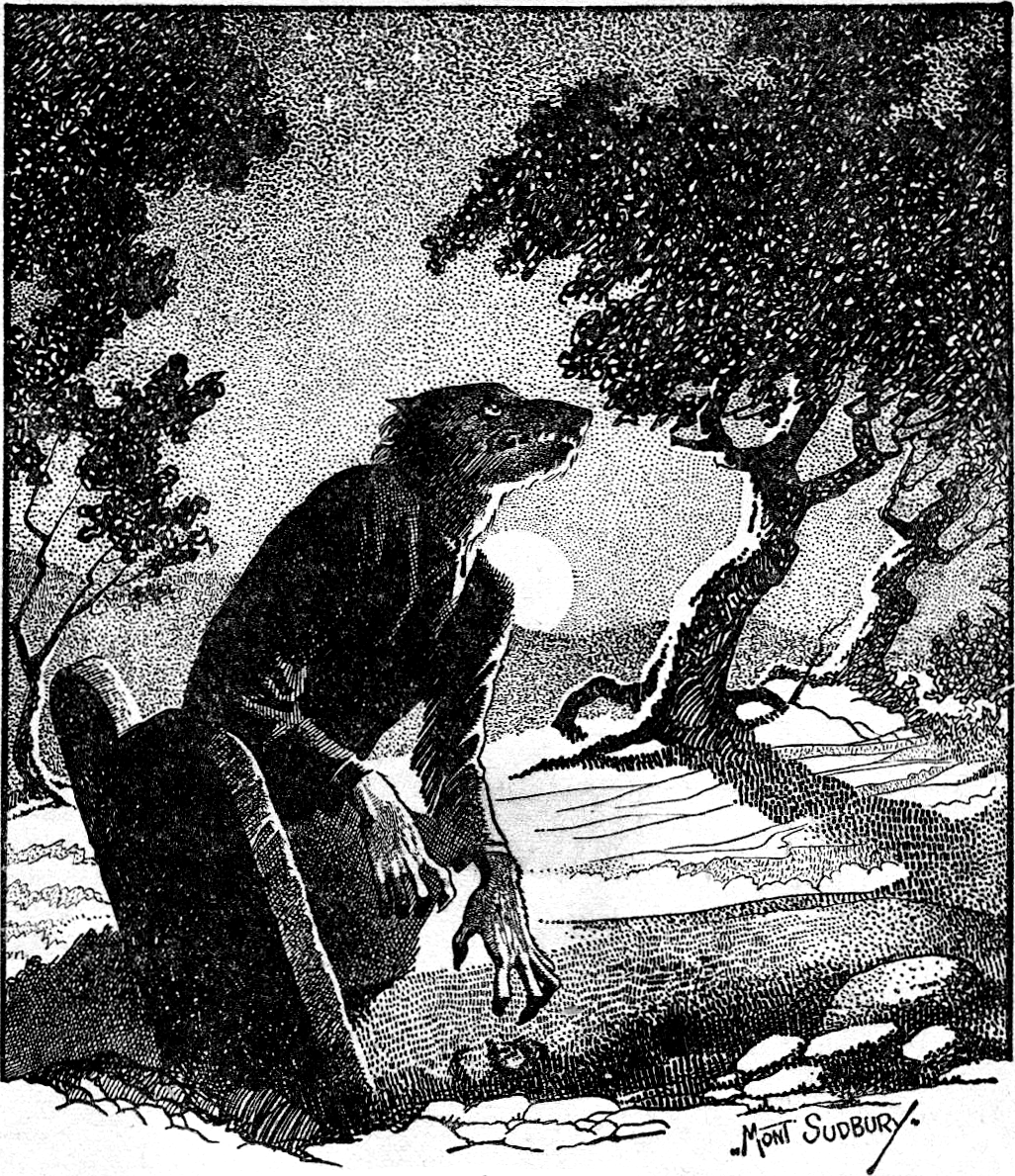 🇫🇷 France and 5 moreWerewolf
A mythical shapeshifter that turns into a wolf, central to European witch-hunts and Gothic horror.Being · Cursing and harm · Wonder and entertainment Legendary
🇫🇷 France and 5 moreWerewolf
A mythical shapeshifter that turns into a wolf, central to European witch-hunts and Gothic horror.Being · Cursing and harm · Wonder and entertainment Legendary
 🇪🇬 Egypt and 1 moreLilithלִילִית
A feminine figure from Mesopotamian and Jewish mythology, often depicted as a night demon or spirit.Being · Cursing and harm Legendary
🇪🇬 Egypt and 1 moreLilithלִילִית
A feminine figure from Mesopotamian and Jewish mythology, often depicted as a night demon or spirit.Being · Cursing and harm Legendary