Mago Halmi
In its own language: 마고할미
From Korean 'Grandmother Mago', likely related to the Taoist goddess Magu
A giant creator goddess in Korean mythology associated with hemp weaving and the separation of heaven and earth.
Mago Halmi is a giant earth goddess in Korean mythology who created the world and split heaven from earth. She is linked to Taoist traditions and revered in Muism, often appearing as a cosmic weaver connected to the sacred plant hemp.
- Mago Halmi is a giant goddess of creation in Korean mythology
- She is associated with splitting heaven and earth
- Name likely relates to Taoist goddess Magu
- Folklore links her to hemp weaving and sacred plants
- Featured in pseudo-historical text Budoji
What it is
Mago Halmi is a giant goddess of creation in Korean mythology. She serves as an earth deity who is sometimes credited with splitting the heavens from the earth. Her name connects her to the Taoist goddess Magu, though she holds distinct roles in local folklore. She appears across various media, including classical literature, shamanic songs known as muga, and place names. Modern pseudohistorians have also featured her prominently in their writings about Korean origins.
Where it comes from
The figure emerges from Korean folklore and pseudo-historical texts like the Budoji. The Budoji describes an 'Era of Mago' that marks the beginning of Korean mytho-history. While her name suggests a link to Taoist traditions, she is deeply embedded in indigenous Korean narratives. Different regions of Korea refer to her by other names, such as Seolmundae, Seogu, and Angadak, indicating a widespread but varied cultural presence.
Tools and materials
Hemp plays a central role in stories about Mago. Folkloric narratives associate her with the weaving of this sacred plant. In one account, she acts as a cosmic weaver descending to Jinhae to herald the hemp season. Another story depicts her using islands and rocks as a spindle and loom shuttle to weave the world. Hemp was regarded as sacred by followers and used for food, clothing, medicine, and rituals.
Mago Halmi, drawn and placed
- Living
- Revived
- Fading
- Historical
- Legendary
- Performed
- Lineage
- Korean mythology
What it is for
Mago represents the foundational act of creation and the establishment of order through weaving. She is venerated within Muism, a traditional Korean belief system. Her association with hemp highlights its importance as a material for survival and currency during the Joseon period. Believers view her as a primordial force that shaped the physical world and provided essential resources.
Who does it
Scholars and pseudohistorians study her figure extensively. Traditional practitioners of Muism may revere her as part of their spiritual landscape. There is no specific guild or formal training mentioned for her worship, suggesting a more diffuse folk tradition rather than a centralized priesthood.
Peoples and places
The Korean people hold Mago Halmi in their mythological heritage. Regional variations exist, with different areas using names like Seolmundae or Angadak. This diversity reflects how the legend adapted to local contexts while maintaining core attributes as a creator and weaver.
At a glance: who, where and when
Peoples
Belief worlds
What people believe
She is viewed as a cosmogonist who physically wove the world together. The belief system ties her to the sacredness of hemp, which was used ritually and economically. Her narrative emphasizes the power of creation through labor and material transformation, linking the divine directly to agricultural and textile practices.
How scholars and sceptics see it
Modern Korean pseudohistorians feature Mago prominently in their works. Academic analysis focuses on her appearance in pseudo-historical documents like the Budoji and her integration into shamanic songs. Researchers examine how these legends evolved from oral traditions into written records.
Compare and confuse
Mago is often compared to the Chinese Taoist goddess Magu due to name similarities. However, she is distinct in her role as a giant creator and cosmic weaver. Other regional figures like Seolmundae Halmang share aspects of her identity but remain separate entities in local lore.
Today
Her legacy persists in Korean folklore, art, and literature. Contemporary interest is driven largely by pseudohistorical movements that seek to establish ancient Korean origins. She remains a symbol of cultural identity and mythic history.
Questions people ask about Mago Halmi
Who is Mago Halmi?
She is a giant goddess of creation in Korean mythology, often called Grandmother Mago. She is an earth deity credited with shaping the world and separating heaven from earth.
Where does the name come from?
The name means 'Grandmother Mago' in Korean. It is likely related to the Taoist goddess Magu, though she has distinct roles in Korean folklore.
What is she known for doing?
She is portrayed as a cosmic weaver. Stories say she used islands and rocks as tools to weave the world, and she is linked to the sacred plant hemp.
Is she worshipped today?
She is venerated in Muism, a traditional Korean belief system. Her figure also appears in modern pseudohistorical writings and cultural arts.
Good reading and sources
The facts on this page come from the Wikipedia article "Mago Halmi", written by its contributors and used under the CC BY-SA 4.0 licence, and from its Wikidata record (CC0). EveryJaadu rewrote the text in its own words, with AI assistance, and compares every page with the article to make sure no passage is copied. It may be reused under the same CC BY-SA 4.0 licence with a link back.
It may contain mistakes. Names and customs differ from one community to the next, and some knowledge is closed to outsiders and left out here. This page describes belief and practice. It does not say that any of it works, it is not a how-to, and it is not medical advice. If something is wrong, tell us. Last refreshed 2026-10-07.
More from South Korea
All the entries from South Korea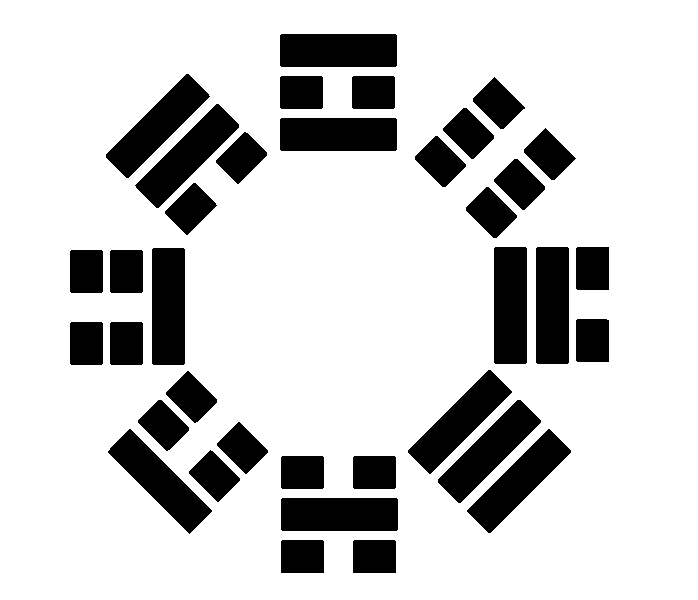 🇨🇳 China and 1 moreBagua八卦
A set of eight trigram symbols from China used in divination, cosmology, and feng shui.Tradition · Seeing and foretelling · Protection Living
🇨🇳 China and 1 moreBagua八卦
A set of eight trigram symbols from China used in divination, cosmology, and feng shui.Tradition · Seeing and foretelling · Protection Living
 🇰🇷 South Korea and 1 moreKorean shamanismKorean shamanism (Korean: Korean shamanism)
A traditional practice of ritual specialists who mediate between the human and spirit worlds.Tradition · Healing · Protection Living
🇨🇳 China and 3 moreQi氣 / 气
A vital force in Chinese philosophy and medicine, believed to flow through all living things.Substance · Healing · Power and authority Living
🇰🇷 South Korea and 1 moreKorean shamanismKorean shamanism (Korean: Korean shamanism)
A traditional practice of ritual specialists who mediate between the human and spirit worlds.Tradition · Healing · Protection Living
🇨🇳 China and 3 moreQi氣 / 气
A vital force in Chinese philosophy and medicine, believed to flow through all living things.Substance · Healing · Power and authority Living
Related elsewhere
All figure 🇬🇧 United Kingdom and 2 moreKing ArthurBrenin Arthur
A legendary British king and folk hero of medieval literature and Welsh mythologyFigure · Power and authority · Wonder and entertainment Legendary
🇬🇧 United Kingdom and 2 moreKing ArthurBrenin Arthur
A legendary British king and folk hero of medieval literature and Welsh mythologyFigure · Power and authority · Wonder and entertainment Legendary
 🇪🇬 Egypt and 1 moreSphinx
A mythical hybrid with a human head and lion body, serving as guardian or riddler in Egyptian and Greek traditions.Being · Protection · Wonder and entertainment Legendary
🇪🇬 Egypt and 1 moreSphinx
A mythical hybrid with a human head and lion body, serving as guardian or riddler in Egyptian and Greek traditions.Being · Protection · Wonder and entertainment Legendary
 🇫🇷 France and 5 moreWerewolf
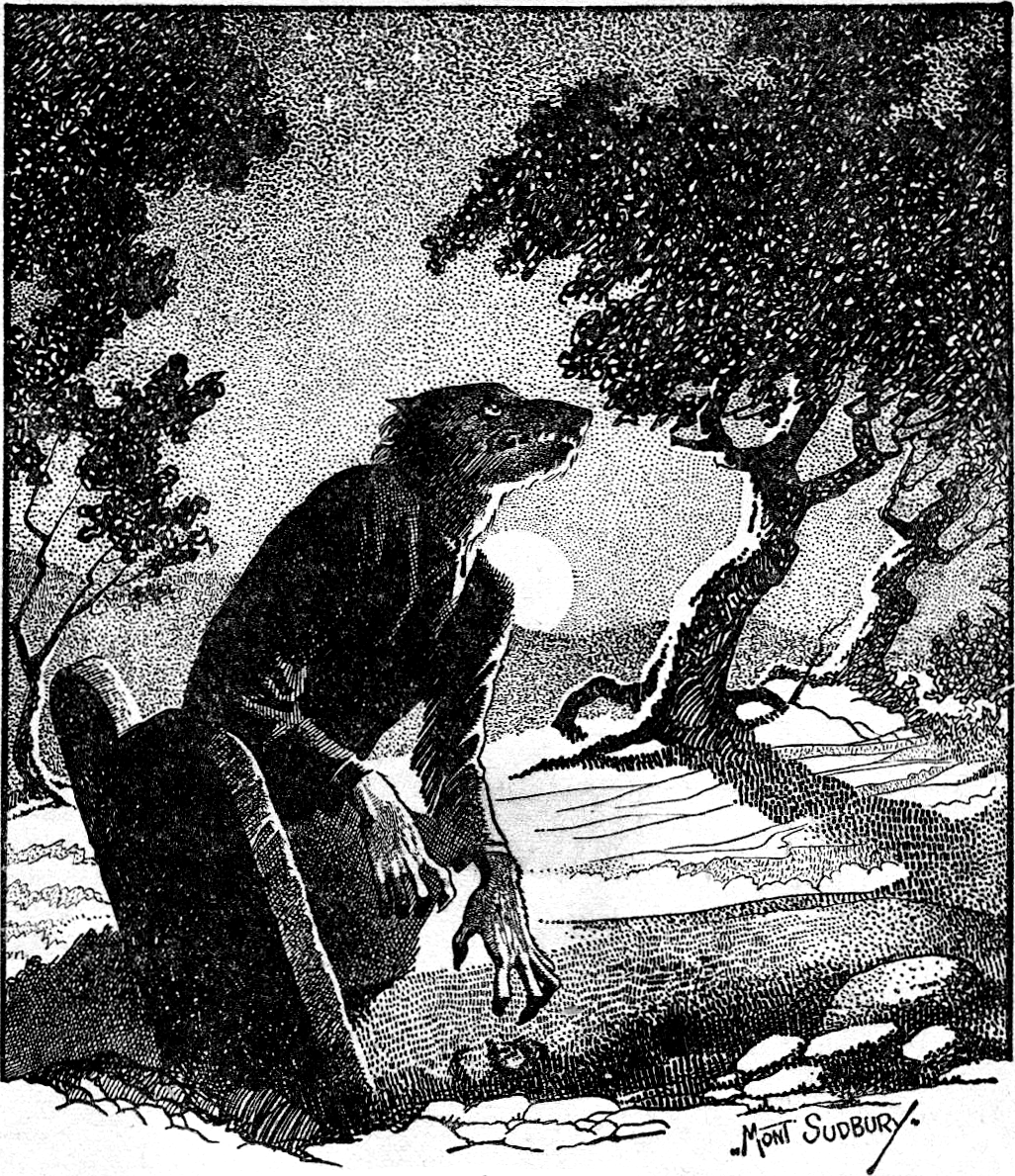
A mythical shapeshifter that turns into a wolf, central to European witch-hunts and Gothic horror.Being · Cursing and harm · Wonder and entertainment Legendary
🇫🇷 France and 5 moreWerewolf
A mythical shapeshifter that turns into a wolf, central to European witch-hunts and Gothic horror.Being · Cursing and harm · Wonder and entertainment Legendary
 🇬🇧 United KingdomBeltane Fire Festival
A modern Edinburgh performance celebrating the start of summer with fire and danceRite · Wonder and entertainment · Power and authority Living
🇬🇧 United KingdomBeltane Fire Festival
A modern Edinburgh performance celebrating the start of summer with fire and danceRite · Wonder and entertainment · Power and authority Living