The Anggitay is a legendary being from the Philippines described as having a woman's upper body and a horse's legs. Folk tradition holds that these creatures dwell near Santo Tomas in Batangas and are drawn to shiny stones and fine metalwork.
- Upper body of a woman joined to a horse's lower half.
- Considered the female twin of the Philippine Tikbalang.
- Sometimes shown with a single horn centered on the forehead.
- Traditions say these beings seek out precious stones and metalwork.
- Local lore points to Santo Tomas in Batangas as its home.
What it is
The Anggitay appears in Philippine folklore as a hybrid creature. It possesses the torso and head of a woman, while its legs and hindquarters match those of a horse. This form places it alongside other half-human, half-animal beings found across global myths. Stories often describe it as the female equivalent of the Tikbalang, another equine humanoid from the same cultural space. Some accounts add a single central horn to its brow, linking it visually to western unicorn tales. The creature functions primarily as a figure of local legend rather than a deity or spirit bound to ritual. Its presence marks a distinct branch of Filipino mythological taxonomy.
Where it comes from
Folklore traces the Anggitay to the island nation of the Philippines. Specific traditions point to the municipality of Santo Tomas in the province of Batangas as its primary dwelling ground. The concept likely emerged from early encounters between indigenous storytelling and later European descriptions of Greek centaurs. Creators of the myth adapted the familiar equine-human blend to fit local landscapes and social structures. Over time, the figure settled into regional narratives without spreading widely beyond its home provinces. The lack of ancient texts leaves its exact beginnings uncertain, but it remains a recognized part of modern Philippine popular culture.
Anggitay, drawn and placed
- Living
- Revived
- Fading
- Historical
- Legendary
- Performed
- Lineage
- Philippine folklore
Peoples and places
The creature belongs to the broader tapestry of Filipino oral tradition. Communities in Luzon, particularly around Batangas, have kept the stories alive through generations of casual telling and local media. The Anggitay shares narrative space with the Tikbalang, though it occupies a distinctly feminine role within that ecosystem. While Greek mythology introduced the centauride to Western imagination, Philippine storytellers developed the Anggitay independently to reflect local equine imagery. Regional variations exist, but most accounts agree on the basic anatomy and the gemstone preference. The figure serves as a recognizable symbol of Philippine fantasy literature and independent comics.
At a glance: who, where and when
Peoples
What people believe
Within the stories, the Anggitay operates as a wild entity rather than a guardian or curse-bringer. People who encounter it in tales usually note its fascination with valuable objects. Precious stones and fine jewelry are said to draw its attention, suggesting a creature driven by material allure rather than spiritual purpose. The addition of a single forehead horn in some versions introduces a parallel to purity or magical potency found elsewhere. These details paint a picture of a solitary wanderer that exists outside human moral frameworks. The belief system surrounding it relies on curiosity and caution rather than worship.
Compare and confuse
The Anggitay is frequently compared to the centauride of Greek myth due to its matching anatomy. Both share a woman's upper frame mounted on a horse's lower body. It also stands as the feminine counterpart to the Tikbalang, an equine trickster common in Philippine lore. When artists give it a single central horn, it borrows visual cues from the unicorn, though the two serve different narrative roles. Unlike the unicorn, which often represents virtue, the Anggitay carries no established moral alignment. These comparisons help readers place the creature within a wider catalog of hybrid beings.
Questions people ask about Anggitay
What does the Anggitay look like?
The creature is described as having the torso and head of a woman, with the legs and hindquarters of a horse. Some versions add a single horn to the center of its forehead.
Where does this creature come from?
Folk tradition places the Anggitay in the Philippines. Stories specifically identify Santo Tomas in the province of Batangas as the area where these beings are said to live.
How does it relate to other myths?
It is treated as the Philippine version of the centauride and the female counterpart to the Tikbalang. Artists sometimes link it to unicorns through its occasional single horn.
What draws the Anggitay's attention?
Tales usually state that these beings are attracted to valuable items. They are said to seek out precious gemstones and fine jewelry when wandering through the landscape.
Good reading and sources
The facts on this page come from the Wikipedia article "Anggitay", written by its contributors and used under the CC BY-SA 4.0 licence, and from its Wikidata record (CC0). EveryJaadu rewrote the text in its own words, with AI assistance, and compares every page with the article to make sure no passage is copied. It may be reused under the same CC BY-SA 4.0 licence with a link back.
It may contain mistakes. Names and customs differ from one community to the next, and some knowledge is closed to outsiders and left out here. This page describes belief and practice. It does not say that any of it works, it is not a how-to, and it is not medical advice. If something is wrong, tell us. Last refreshed 2026-10-11.
More from the Philippines
All the entries from the Philippines 🇵🇭 PhilippinesAswang
A shape-shifting monster from Philippine folklore that preys on humans.Being · Cursing and harm Legendary
🇵🇭 PhilippinesAswang
A shape-shifting monster from Philippine folklore that preys on humans.Being · Cursing and harm Legendary
 🇲🇾 Malaysia and 5 morePenanggalan
A floating head with trailing organs from Malay folklore, said to hunt pregnant women and newborns.Being · Cursing and harm Legendary
🇵🇭 PhilippinesKapre
A tree giant of Philippine folklore that smokes cigars and plays pranks on travelersBeing · Wonder and entertainment Legendary
🇲🇾 Malaysia and 5 morePenanggalan
A floating head with trailing organs from Malay folklore, said to hunt pregnant women and newborns.Being · Cursing and harm Legendary
🇵🇭 PhilippinesKapre
A tree giant of Philippine folklore that smokes cigars and plays pranks on travelersBeing · Wonder and entertainment Legendary
Related elsewhere
All being 🇷🇸 Serbia and 5 moreVampire
An undead creature from folklore that feeds on the blood or life force of the livingBeing · Cursing and harm · Luck and prosperity Legendary
🇷🇸 Serbia and 5 moreVampire
An undead creature from folklore that feeds on the blood or life force of the livingBeing · Cursing and harm · Luck and prosperity Legendary
 🇪🇬 Egypt and 1 moreSphinx
A mythical hybrid with a human head and lion body, serving as guardian or riddler in Egyptian and Greek traditions.Being · Protection · Wonder and entertainment Legendary
🇪🇬 Egypt and 1 moreSphinx
A mythical hybrid with a human head and lion body, serving as guardian or riddler in Egyptian and Greek traditions.Being · Protection · Wonder and entertainment Legendary
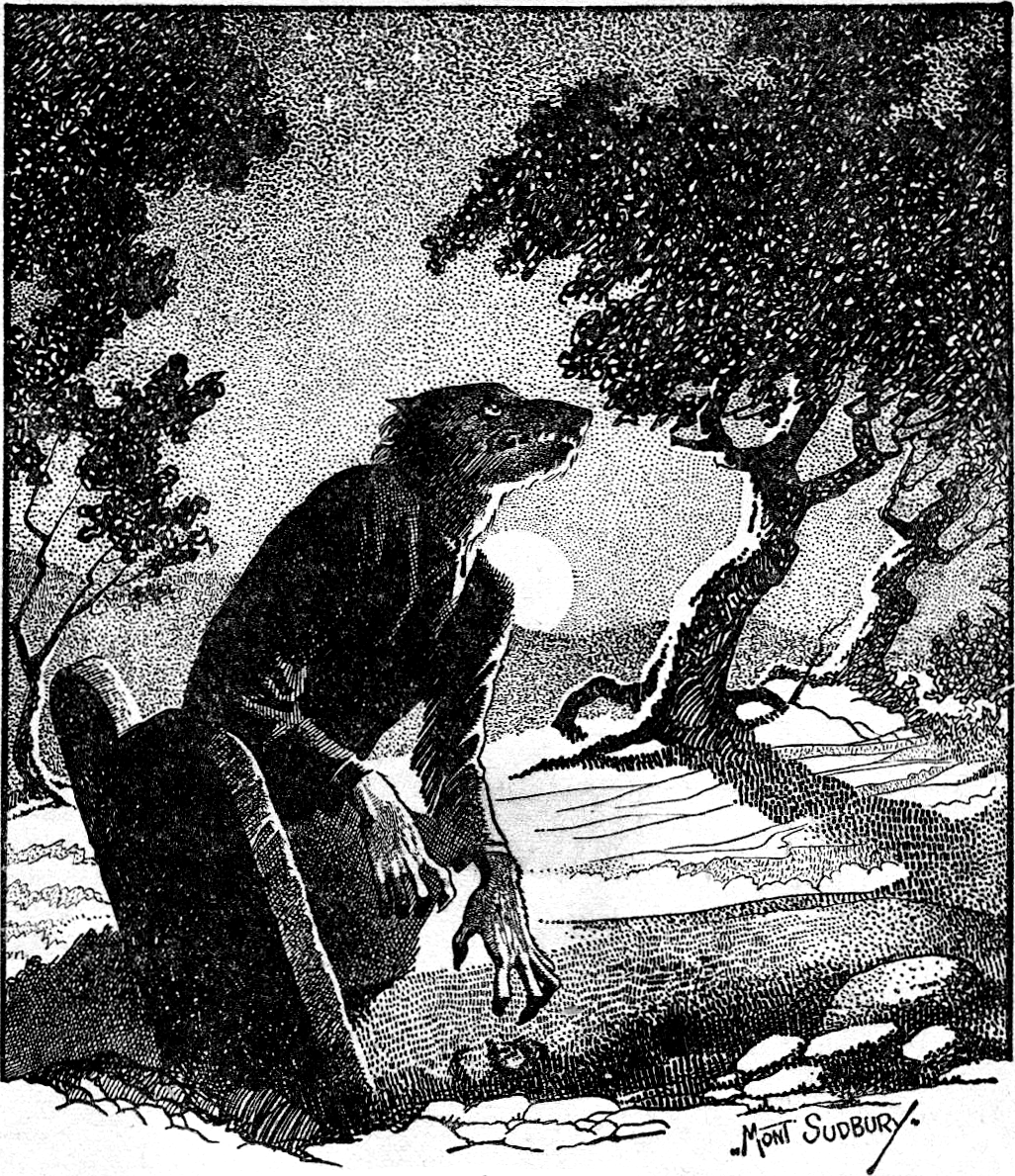 🇫🇷 France and 5 moreWerewolf
A mythical shapeshifter that turns into a wolf, central to European witch-hunts and Gothic horror.Being · Cursing and harm · Wonder and entertainment Legendary
🇫🇷 France and 5 moreWerewolf
A mythical shapeshifter that turns into a wolf, central to European witch-hunts and Gothic horror.Being · Cursing and harm · Wonder and entertainment Legendary
 🇪🇬 Egypt and 1 moreLilithלִילִית
A feminine figure from Mesopotamian and Jewish mythology, often depicted as a night demon or spirit.Being · Cursing and harm Legendary
🇪🇬 Egypt and 1 moreLilithלִילִית
A feminine figure from Mesopotamian and Jewish mythology, often depicted as a night demon or spirit.Being · Cursing and harm Legendary