Luck and prosperity
Charms for fortune, success, a good harvest and a safe journey.
Luck magic aims at fortune, success, wealth and a safe passage. People keep lucky charms, perform money rites, pour offerings to a god of wealth, and avoid unlucky days. Examples include the Chinese lucky cat and the red packet, the Japanese daruma doll, the Indian worship of Lakshmi at Diwali, the European four-leaf clover and horseshoe, and the Hoodoo mojo bag. This page looks at what luck means and who profits from it.
Ideas of luck
Cultures differ on what luck is. In China, fortune is tied to fate, timing and the placement of objects, giving rise to feng shui and the choice of lucky numbers. In West Africa, success is linked to a person's destiny and the help of the orisha or ancestors. In Europe, luck came to be seen as chance, with charms to tilt it. Many societies see wealth as shared and fear that good fortune attracts envy. Merchants, farmers, gamblers and students are the usual customers, and the amounts asked of them range from a coin to a lifetime of savings.
Customs
Customs are domestic and mostly small. Merchants in Taiwan and China burn paper offerings and put out fruit at the start of the month. Fishers and sailors keep charms and avoid certain words. Gamblers, students and athletes have habits they will not break. Many rites involve giving something away, since reciprocity is thought to keep fortune moving. Lucky days are often chosen by calendar or astrologer, so that a shop opens, a wedding is held or a journey begins on a favourable date.
Schemes and scams
Luck is easy to sell. Lottery charms, gemstone bracelets and sellers who promise riches for a fee make money from hope. Fraud involving fake spiritualists who say a client's money is cursed and must be handed over is documented in many countries. Playing games of chance with charms may feel harmless, but anyone struggling with gambling should seek real help. Some wealth rites are public and religious, as with Diwali lamps for Lakshmi and the Lunar New Year offerings to the god of wealth, and some are private and quiet.
Scholars and sceptics
Psychologists have found that carrying a lucky charm can raise confidence and performance in some tasks, without changing the odds of chance. Economists study the role of luck in success. Religious authorities differ: some see lucky objects as idolatry, others as harmless custom, and prosperity churches around the world teach a faith-based version of the same hope. Those who struggle with debt or gambling harm should look for practical advice, since a charm does not change the odds or pay the bills.
Luck and prosperity on EveryJaadu
The entries written up so far, best known first.
 🇮🇸 IcelandGrásteinn
A lodestone in Iceland linked to elf habitation and safe passageBeing · Luck and prosperity · Speaking with spirits and the dead Living
🇮🇸 IcelandGrásteinn
A lodestone in Iceland linked to elf habitation and safe passageBeing · Luck and prosperity · Speaking with spirits and the dead Living
 🇫🇷 FranceHoules fairyGwenn fadoù
Immortal coastal fairies of Brittany who live in sea caves and aid humansBeing · Protection · Healing Historical
🇫🇷 FranceHoules fairyGwenn fadoù
Immortal coastal fairies of Brittany who live in sea caves and aid humansBeing · Protection · Healing Historical
 🇬🇧 United Kingdom and 1 moreDried cat
A dried feline body hidden in walls to protect a home from harmCharm · Protection · Luck and prosperity Historical
🇫🇮 Finland and 1 moreFrog coffin
A Finnish folk magic burial of a frog in a tiny coffin to steal luck or reflect harmRite · Protection · Cursing and harm Historical
🇬🇧 United Kingdom and 1 moreDried cat
A dried feline body hidden in walls to protect a home from harmCharm · Protection · Luck and prosperity Historical
🇫🇮 Finland and 1 moreFrog coffin
A Finnish folk magic burial of a frog in a tiny coffin to steal luck or reflect harmRite · Protection · Cursing and harm Historical
 🇵🇱 PolandLucky JewŻyd z pieniążkiem
A Polish figurine of a Jewish man with a coin, used as a talisman for financial fortune.Charm · Luck and prosperity Living
🇵🇱 PolandLucky JewŻyd z pieniążkiem
A Polish figurine of a Jewish man with a coin, used as a talisman for financial fortune.Charm · Luck and prosperity Living
 🇩🇪 Germany and 1 moreNis PukNiß Puk
A legendary household spirit from Northern Germany and Denmark that helps or torments its owner.Being · Luck and prosperity · Protection Legendary
🇩🇪 Germany and 1 moreNis PukNiß Puk
A legendary household spirit from Northern Germany and Denmark that helps or torments its owner.Being · Luck and prosperity · Protection Legendary
 🇫🇷 FrancePetit AlbertSecrets merveilleux de la magie naturelle et cabalistique du petit Albert
An 18th-century French grimoire of natural and cabalistic magic sold to rural householdsText · Protection · Luck and prosperity Historical
🇬🇧 United KingdomCeffyl Dŵr
A Welsh water spirit that takes the form of a horse to test or harm travellers.Being · Cursing and harm · Luck and prosperity Legendary
🇫🇷 FrancePetit AlbertSecrets merveilleux de la magie naturelle et cabalistique du petit Albert
An 18th-century French grimoire of natural and cabalistic magic sold to rural householdsText · Protection · Luck and prosperity Historical
🇬🇧 United KingdomCeffyl Dŵr
A Welsh water spirit that takes the form of a horse to test or harm travellers.Being · Cursing and harm · Luck and prosperity Legendary
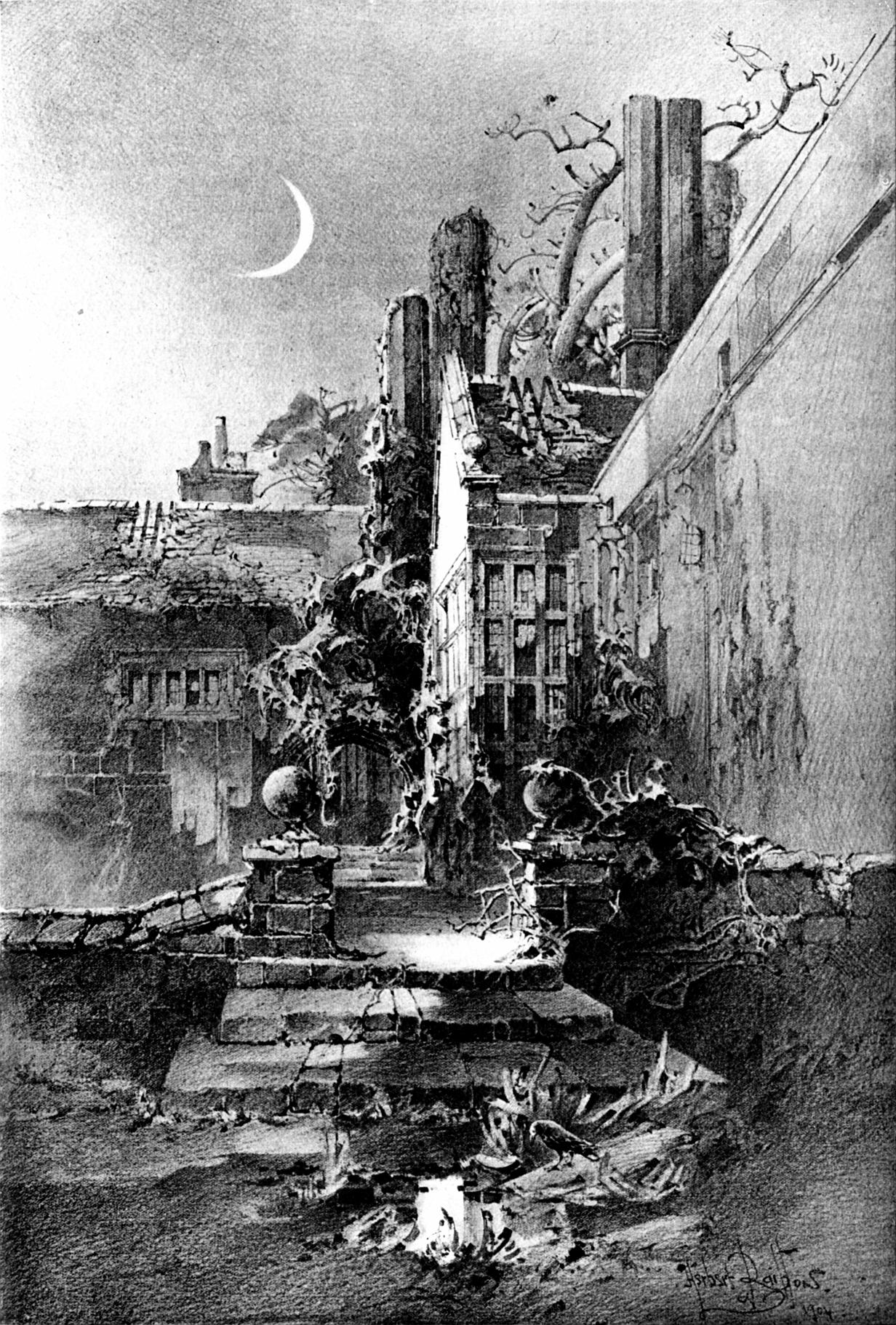 🇬🇧 United KingdomHobgoblin
A household spirit from English folklore known for chores and mischiefBeing · Cursing and harm · Luck and prosperity Historical
🇫🇷 FranceMagonia
A cloud realm of aerial sailors blamed for hail and stolen grain in medieval EuropeBelief · Cursing and harm · Luck and prosperity Historical
🇭🇺 HungaryLidérc
A shape-shifting spirit from Hungarian folklore that brings wealth or illness.Being · Cursing and harm · Luck and prosperity Legendary
🇬🇧 United KingdomHobgoblin
A household spirit from English folklore known for chores and mischiefBeing · Cursing and harm · Luck and prosperity Historical
🇫🇷 FranceMagonia
A cloud realm of aerial sailors blamed for hail and stolen grain in medieval EuropeBelief · Cursing and harm · Luck and prosperity Historical
🇭🇺 HungaryLidérc
A shape-shifting spirit from Hungarian folklore that brings wealth or illness.Being · Cursing and harm · Luck and prosperity Legendary
 🇩🇪 GermanyFeldgeist
German folk creatures tied to crops, weather and harvest ritualsBeing · Cursing and harm · Luck and prosperity Historical
🇷🇴 RomaniaSântoaderi
Supernatural beings in Romanian folklore known for causing illness through music and danceBeing · Cursing and harm · Luck and prosperity Legendary
🇩🇪 GermanyWitte Wiwer
Subterranean spirits of Low German folklore known for music and child exchangeBeing · Cursing and harm · Luck and prosperity Legendary
🇮🇹 ItalyIn bocca al lupo
An Italian idiom wishing good luck by invoking danger, with a response asking for the wolf's death.Belief · Luck and prosperity Living
🇬🇧 United KingdomShoes on a table
A superstition that placing footwear on a table invites bad luck or disrespectBelief · Luck and prosperity Living
🇩🇪 GermanyFeldgeist
German folk creatures tied to crops, weather and harvest ritualsBeing · Cursing and harm · Luck and prosperity Historical
🇷🇴 RomaniaSântoaderi
Supernatural beings in Romanian folklore known for causing illness through music and danceBeing · Cursing and harm · Luck and prosperity Legendary
🇩🇪 GermanyWitte Wiwer
Subterranean spirits of Low German folklore known for music and child exchangeBeing · Cursing and harm · Luck and prosperity Legendary
🇮🇹 ItalyIn bocca al lupo
An Italian idiom wishing good luck by invoking danger, with a response asking for the wolf's death.Belief · Luck and prosperity Living
🇬🇧 United KingdomShoes on a table
A superstition that placing footwear on a table invites bad luck or disrespectBelief · Luck and prosperity Living
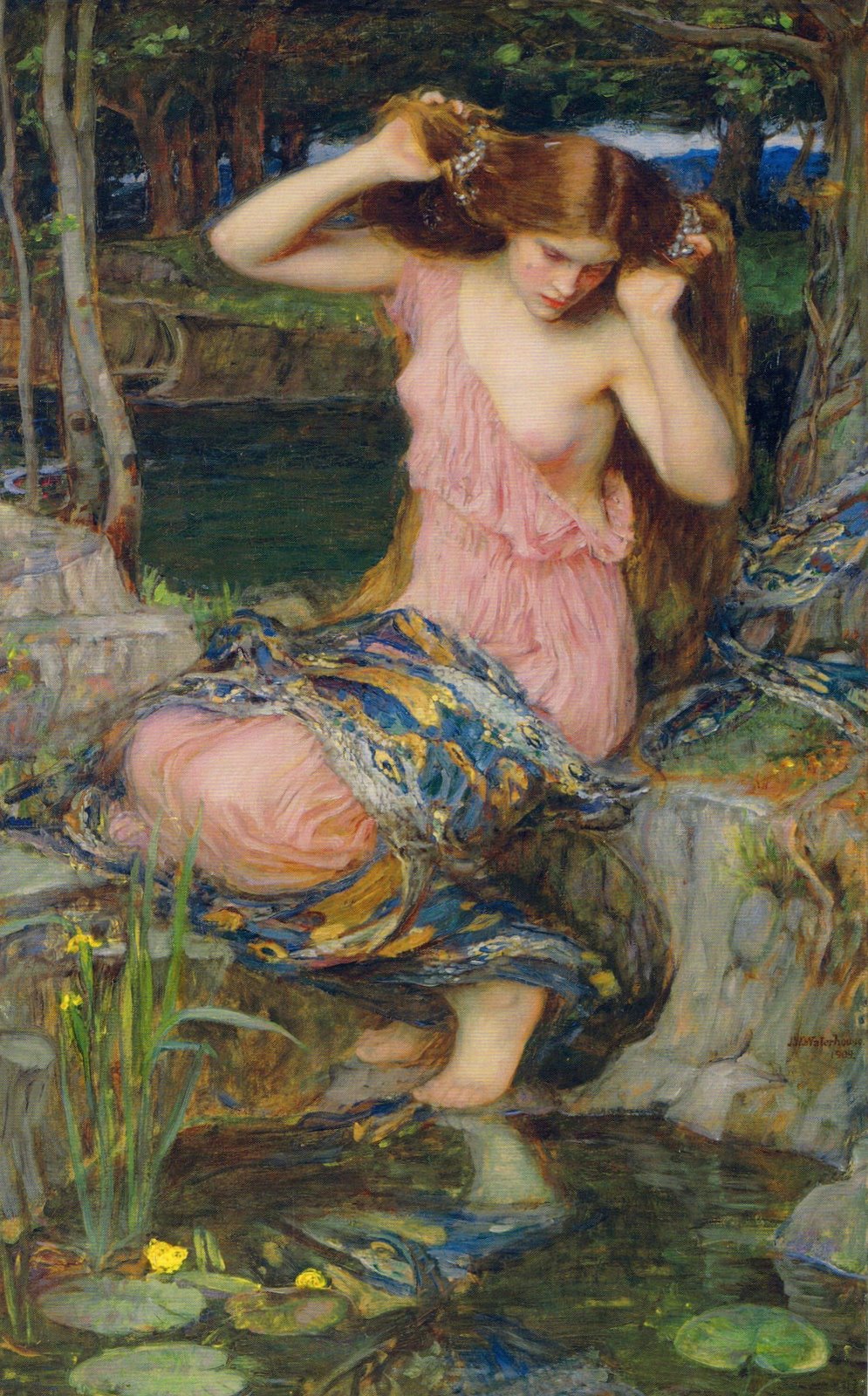 🇪🇸 SpainXana
A water spirit of Asturian myth who offers treasures or madness to those who hear her song.Being · Luck and prosperity · Cursing and harm Legendary
🇸🇪 SwedenYsätters-Kajsa
A wind-troll from Swedish folklore who danced with the gales of NärkeFigure · Cursing and harm · Luck and prosperity Legendary
🇪🇸 SpainXana
A water spirit of Asturian myth who offers treasures or madness to those who hear her song.Being · Luck and prosperity · Cursing and harm Legendary
🇸🇪 SwedenYsätters-Kajsa
A wind-troll from Swedish folklore who danced with the gales of NärkeFigure · Cursing and harm · Luck and prosperity Legendary
 🇫🇷 FranceFarfadet
Small helpful spirits of French folklore that perform chores for foodBeing · Luck and prosperity Legendary
🇫🇷 FranceFarfadet
Small helpful spirits of French folklore that perform chores for foodBeing · Luck and prosperity Legendary
 🇬🇧 United KingdomBuccabocka
A Cornish sea-spirit and mine-dweller who receives fish offerings from coastal communities.Being · Protection · Luck and prosperity Historical
🇬🇧 United KingdomJoan the Wad
A Cornish pixie queen linked to fire and fortuneFigure · Luck and prosperity · Protection Legendary
🇬🇧 United KingdomBuccabocka
A Cornish sea-spirit and mine-dweller who receives fish offerings from coastal communities.Being · Protection · Luck and prosperity Historical
🇬🇧 United KingdomJoan the Wad
A Cornish pixie queen linked to fire and fortuneFigure · Luck and prosperity · Protection Legendary
 🇫🇮 Finland and 2 moreTietäjä
A traditional Finnic healer and sage whose power came from memorised spells and deep knowledge.Figure · Healing · Protection Historical
🇫🇮 Finland and 2 moreTietäjä
A traditional Finnic healer and sage whose power came from memorised spells and deep knowledge.Figure · Healing · Protection Historical
 🇬🇧 United KingdomFairy FlagA' Bhratach Shìth
A tattered silk heirloom of Clan MacLeod, said to hold fairy magic and ancient power.Charm · Protection · Luck and prosperity Historical
🇬🇧 United KingdomFairy FlagA' Bhratach Shìth
A tattered silk heirloom of Clan MacLeod, said to hold fairy magic and ancient power.Charm · Protection · Luck and prosperity Historical
 🇬🇧 United KingdomMadgy Figgy's Chair
A granite rock in Cornwall linked to a legendary witch and her storm conjuringFigure · Cursing and harm · Luck and prosperity Historical
🇩🇪 GermanySuhl card reader case
A 1956 East German trial of a psychic for favorable forecasts about leaving the countryBelief · Seeing and foretelling · Luck and prosperity Historical
🇬🇧 United KingdomMadgy Figgy's Chair
A granite rock in Cornwall linked to a legendary witch and her storm conjuringFigure · Cursing and harm · Luck and prosperity Historical
🇩🇪 GermanySuhl card reader case
A 1956 East German trial of a psychic for favorable forecasts about leaving the countryBelief · Seeing and foretelling · Luck and prosperity Historical
 🇸🇪 SwedenSjörå
A Swedish lake spirit that rewards kindness and drowns the disrespectfulBeing · Protection · Luck and prosperity Legendary
🇸🇪 SwedenSjörå
A Swedish lake spirit that rewards kindness and drowns the disrespectfulBeing · Protection · Luck and prosperity Legendary
 🇪🇸 SpainIndalo
A Bronze Age pictograph used as a protective house charm and lucky symbol in Almería, SpainCharm · Protection · Luck and prosperity Living
🇬🇧 United KingdomBluecap
A blue flame spirit of English mines that guides miners and warns of dangerBeing · Seeing and foretelling · Luck and prosperity Legendary
🇷🇺 Russia and 2 moreFavomancy
Divination by throwing beans and reading the patterns they form on the groundOracle · Seeing and foretelling · Luck and prosperity Historical
🇷🇸 Serbia and 3 moreBožićБожић
A Slavic figure linked to the new year and spring, whose name now marks ChristmasFigure · Luck and prosperity · Wonder and entertainment Historical
🇪🇸 SpainIndalo
A Bronze Age pictograph used as a protective house charm and lucky symbol in Almería, SpainCharm · Protection · Luck and prosperity Living
🇬🇧 United KingdomBluecap
A blue flame spirit of English mines that guides miners and warns of dangerBeing · Seeing and foretelling · Luck and prosperity Legendary
🇷🇺 Russia and 2 moreFavomancy
Divination by throwing beans and reading the patterns they form on the groundOracle · Seeing and foretelling · Luck and prosperity Historical
🇷🇸 Serbia and 3 moreBožićБожић
A Slavic figure linked to the new year and spring, whose name now marks ChristmasFigure · Luck and prosperity · Wonder and entertainment Historical
 🇬🇧 United KingdomCurse of Scotland
A nickname for a playing card linked to bad luck and Scottish historyBelief · Luck and prosperity Historical
🇬🇧 United KingdomCurse of Scotland
A nickname for a playing card linked to bad luck and Scottish historyBelief · Luck and prosperity Historical
Photo credits on this page
The small pictures above come from Wikimedia Commons under free licences. Some are cropped to fit.
- Huldra: Bernard Evans Ward, Public domain, source
- Xana: John William Waterhouse, Public domain, source
- Hobgoblin: Herbert Railton, Public domain, source
- Feldgeist: Zwoelefant, CC BY-SA 3.0, source
- Farfadet: User:Mattes, Public domain, source
- Bucca: Frederick Whymper, Public domain, source
- Tietäjä: Robert Wilhelm Ekman, Public domain, source
- Madgy Figgy's Chair: Jim Champion, CC BY-SA 3.0, source
- Curse of Scotland: James Gillray (died 1815), Public domain, source
- Petit Albert: Albertus Parvus Lucius, CC BY-SA 4.0, source
- Dried cat: The Voice of Hassocks, CC0, source
- Fairy Flag: Otter, CC BY-SA 3.0, source
- Indalo: Ismael Olea, Public domain, source
- Lucky Jew: Silar, CC BY-SA 3.0, source
- Nis Puk: R2D3LA, CC BY-SA 4.0, source
- Grásteinn: Ásgeir Helgason, Attribution, source
- Houles fairy: Minseong Kim, CC BY-SA 4.0, source